

> Editorial Note: I’m Lauren Ro, and I write furniture buying guides. The picks here are judged on the specs that predict how a piece ages — frame joinery, foam density, and load ratings — checked against BIFMA and FSC certifications plus aggregated owner reports.
The mistake that ruins most stain jobs happens before the can is even open: skipping the sanding and letting old finish block the color. Wood only takes stain evenly when it’s bare, clean, and dry, so the prep matters more than the stain you pick. Whether you’re refinishing an arched cabinet, freshening a set of bathroom cabinets, or protecting outdoor cabinets against the seasons, the steps below apply to almost any solid-wood surface, including a shoe storage cabinet, a metal storage cabinet with wood panels, or the doors you might tackle after you how to clean grease off kitchen cabinets.
Do You Have to Sand Cabinets Before Staining?
Yes. Stain is a pigment that soaks into open wood grain, and any existing lacquer, paint, or old topcoat seals that grain shut. If you stain over a finish, the color sits on top in blotchy streaks and peels within months.
Strip heavy old finishes with a chemical stripper first, then sand down to raw wood. Work through the grits in order: start around 120 to knock off the finish, move to 150 to smooth the surface, and finish at 220 for a tight, even face that accepts color uniformly. Always sand with the grain, never across it, or you’ll leave scratches that show up darker once the stain lands. Between grits, wipe the dust so the next pass cuts clean rather than skating over grit.
A random-orbit sander handles flat door fronts fast, but detail edges and raised panels need hand-sanding with a folded sheet. Rushing this stage is why so many DIY jobs look patchy. Take your time here.
How Do You Clean the Surface After Sanding?
Get every speck of dust off before staining, because trapped particles turn into gritty bumps under the finish. Sanding leaves a fine powder in the grain that a dry rag alone won’t lift.
Vacuum the surface first, then wipe it down with a tack cloth to catch what’s left. For a final pass, a rag lightly dampened with mineral spirits pulls out the deepest dust and flashes off in a few minutes without raising the grain. Let the piece dry fully before you move on. Apartment Therapy makes the same point in its refinishing guides: a clean, dust-free surface is the single biggest predictor of a smooth result.
Work in a space with decent airflow and low humidity. Damp air slows drying and can leave a cloudy haze in the finish. If your shop runs humid, wait for a dry day.
Should You Use a Wood Conditioner First?
It depends on the wood. Softwoods like pine, and blotch-prone species like maple and birch, absorb stain unevenly, so a pre-stain wood conditioner is worth the extra 15 minutes. It partly seals the grain so pigment lands at a consistent depth.
Brush or wipe the conditioner on, wait the window listed on the can, usually 5 to 15 minutes, then stain while the surface is still slightly receptive. Skip conditioner on open-grain hardwoods like oak or walnut, which take stain evenly on their own. Wirecutter’s furniture-care coverage flags pine and maple as the two species most likely to blotch without this step, and that matches what most refinishers see.
Swatch your stain and conditioner on a hidden section or an offcut first. Colors shift depending on species and grain, so the sample on the can rarely matches your actual door.
How Do You Apply the Stain Evenly?
Work the stain in the direction of the grain, then wipe off the excess before it sets. That wipe-back is the whole trick to an even tone.
Load a sponge, brush, or foam applicator and spread a wet, generous coat across one section at a time. Let it sit so the pigment penetrates, then drag a clean cloth along the grain to remove what the wood didn’t absorb. The dwell time controls depth: a quick wipe after 2 to 3 minutes reads light, while 5 to 10 minutes pulls a deeper tone. Don’t let stain dry on the surface without wiping, or it turns tacky and blotchy.
Work sections roughly 12 to 18 inches at a time so no edge dries before you wipe it. For a richer color, apply a second coat only after the first dries per the can’s directions, often 4 to 6 hours.
Keep a wet edge and don’t stop mid-door. Overlapping dried and wet stain leaves lap marks that no topcoat hides.
What Seals Stained Cabinets?
A clear topcoat seals the stain and takes the daily wear that cabinets face. Stain adds color but almost no protection, so bare stained wood scratches and stains with the first spill.
Polyurethane is the common choice: water-based dries clear and fast, while oil-based adds warmth and hardness but ambers over time. Brush on thin coats with the grain, let each dry fully, then scuff lightly with 320-grit between coats so the next layer bonds. Two to three coats is standard for cabinet doors that get touched constantly. For a bathroom or kitchen where moisture is constant, lean toward a water-resistant finish and give the final coat a full 24 hours to cure before rehanging doors.
Round over dust nibs with a light hand between coats. That’s what separates a finish that feels like glass from one that feels like sandpaper.
What You’ll Need
The applicator you choose drives how even the color lands, so the picks below are grouped by rating and by the job each one does best. Match the tool to your surface: sponges for flat panels, brushes for edges and detail.
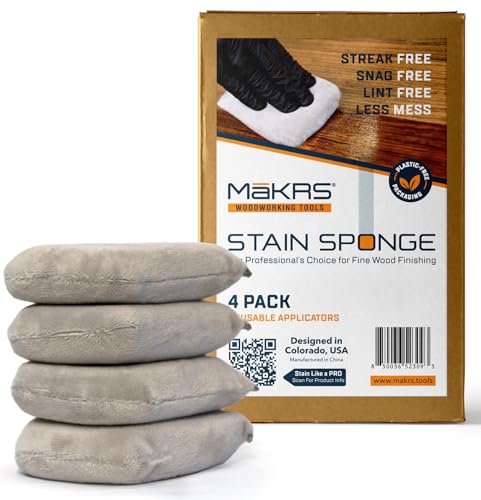
Pros
- Fast coverage on large wood surfaces saves time and effort
- Foam core design reduces stain waste and improves application
- Loopless microfiber won't snag or leave lint on rough lumber
- Fits standard 1-quart cans for convenient dipping
- Dual-sided functionality for apply and smooth technique
Cons
- No customer reviews yet to confirm real-world performance
- Higher price point compared to disposable foam brushes
- May require cleaning between coats to maintain effectiveness
If you've ever stained a deck or fence with a brush, you know the frustration of bristles snagging on rough wood and finish soaking into the applicator instead of the surface. This sponge solves both problems with a loopless microfiber surface that glides smoothly and a foam core that actually releases stain where you need it.
The real advantage shows up on big projects. Whether you're refinishing exterior railings or staining interior trim, the wide surface area and efficient finish release mean you'll cover more wood with each dip. The dual-sided design is clever too: one side applies, the other smooths out drips and streaks without grabbing a second tool.
If you want professional-looking stain results on rough lumber without the tedious snags and waste of traditional brushes, this one delivers.
Styles it works with: Any style requiring wood finishing or refinishing (not style-dependent, this is a tool)
Best placed in: Workshop, garage, or storage area when not in use. Used on exterior decks, railings, fence posts, pergolas, and interior doors, trim, baseboards.
May not suit: Small touch-up jobs where a brush offers more precision, intricate woodwork with tight corners and carvings, or projects using spray-on finishes instead of wipe-on stains.
Buy it if:
- You're staining a deck, fence, pergola, or other large exterior wood project
- You're tired of foam brushes that fall apart or bristle brushes that snag on rough lumber
- You want to reduce stain waste and get more coverage per quart
Consider waiting if:
- You need confirmed customer reviews before committing to a new applicator tool
Skip it if:
- You're only doing small touch-ups that need precision brushwork
- You prefer disposable applicators and don't want to clean tools between uses
Check the latest price and availability on Amazon before it sells out.

MāKRS Stain Sponge 2-Pack - Fast-Applying Wood Finish Applicator for Decks, Posts, Railings & Trim (Microfiber, Snag-Free)
Pros
- Fast coverage on large wood finishing projects like decks, posts, and railings
- Foam core releases more stain onto the wood, reducing waste and improving coverage
- Loopless microfiber surface glides smoothly over rough lumber without snagging or leaving fuzz
- Sized to fit standard 1-quart cans with rounded corners for easy dipping
- Dual-sided use allows for application on one side and smoothing on the other
Cons
- No customer reviews yet to verify real-world performance and durability
- May require more frequent rinsing than brushes when working with thick or fast-drying finishes
- Not ideal for detailed trim work or hard-to-reach corners where a brush offers more precision
If you've ever spent a weekend staining a deck or refinishing outdoor furniture, you know how tedious it can be with a brush. The MāKRS Stain Sponge changes that. The thick microfiber holds a generous amount of stain and releases it evenly across the wood, so you cover more area with each pass. The foam core is the smart part: instead of soaking up your expensive finish like a regular sponge, it pushes the stain onto the surface where it belongs.
The loopless microfiber surface is a game-changer for rough lumber. It glides smoothly over weathered deck boards, cedar posts, and unfinished trim without snagging or leaving lint behind. The rounded corners fit neatly into standard quart cans, making dipping clean and reducing splatter. Plus, you can use one side to apply and flip it over to wipe smooth for a professional-looking finish.
If you want to cut your staining time in half without wasting finish or fighting snags, this one delivers.
Styles it works with: Modern Farmhouse, Rustic, Craftsman, Cottage
Best placed in: Outdoor decks and railings, garage or shed workbench for DIY projects, basement workshop for furniture refinishing
May not suit: Homes where detailed interior trim work with intricate corners is the primary need, small touch-up jobs where a brush offers more control
Buy it if:
- You're staining a large outdoor deck, fence, or set of posts and want to finish faster
- You're tired of brushes that leave streaks or rags that waste half your stain
- You work with rough-cut cedar, weathered lumber, or unfinished trim that snags traditional applicators
Consider waiting if:
- You need to see verified customer reviews before committing to a new applicator style
Skip it if:
- You're only doing small touch-ups or detailed trim work where a precision brush is more practical
- You prefer foam brushes or traditional rags and don't mind the extra time and waste
Check the latest price and availability on Amazon before it sells out.
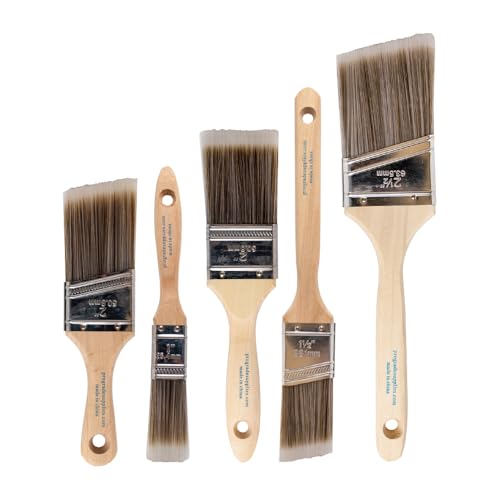
Pro Grade 5-Piece Paint Brush Set - Professional Quality for Walls, Trim, Cabinets & Stain - Angle & Flat Brushes
Pros
- Includes 5 essential brush sizes professional painters actually use daily
- Precision adhesive bonding eliminates frustrating bristle shedding in your paint
- Comes with angle stubby brush that most budget sets leave out
- Works equally well with latex paint, oil-based finishes, and wood stains
- Priced at under $8 for the complete set versus $7+ per single brush at hardware stores
Cons
- No customer reviews yet to confirm real-world durability claims
- Basic wood handles lack the ergonomic grip features of premium brands
- May require more frequent cleaning than higher-end brushes to maintain performance
This brush set hits the sweet spot between throwaway cheap brushes that shed bristles everywhere and expensive single brushes that make you think twice before opening a paint can. The standout feature is the stubby angle brush, a tool professional painters swear by for cabinet interiors and tight trim work that most homeowner sets completely skip.
The zero-bristle-loss design means you can paint with confidence instead of spending half your time picking stray bristles out of wet paint. Whether you are refreshing a single room or tackling a whole-house project, having the right brush size for each surface makes the work faster and the results cleaner.
If you want professional-quality paint finishes without spending $40 on individual brushes, this set delivers the tools and performance that matter most.
Styles it works with: Any home decor style since these are tools, not decorative items. Ideal for DIY enthusiasts refreshing spaces in Farmhouse, Modern, Traditional, or Coastal styles.
Best placed in: Tool storage in garage, basement workshop, utility closet, or dedicated DIY supply bin. Keep in original packaging or a brush organizer to protect bristles between projects.
May not suit: Professional painting contractors who go through dozens of brushes monthly and need bulk purchasing options. Also not ideal if you only paint once every few years and prefer disposable foam brushes.
Buy it if:
- You are painting multiple rooms and need different brush sizes without buying them individually
- You have trim work, cabinets, or detailed cutting-in that requires angle brushes in various sizes
- You want reusable brushes that justify the slight upfront cost over disposables
Consider waiting if:
- You want to see verified customer reviews before committing to a new brand
- You need specialty brushes for specific techniques like stippling or texturing
Skip it if:
- You only paint once every few years and disposable foam brushes work fine for your needs
- You are a professional contractor needing proven durability across hundreds of projects
Check the latest price and availability on Amazon before it sells out.
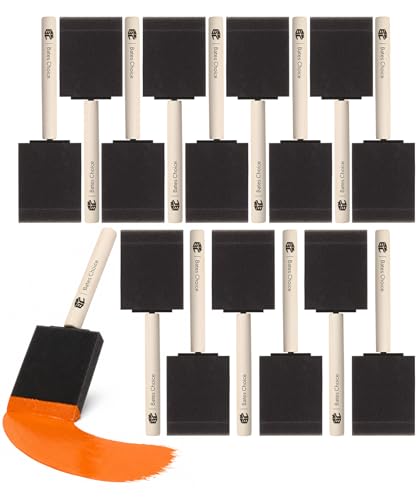
Pros
- Excellent value at under 35 cents per brush
- Foam tips stay attached to handles without shedding
- Smooth, even coverage with minimal stroke marks
- Versatile across paint types and surfaces
- Lightweight and easy to maneuver in detailed work
Cons
- Not reusable for multiple projects like quality bristle brushes
- 2-inch size may be too wide for very fine detail work
- Foam can break down with aggressive scrubbing or thick paint
These Bates foam brushes solve the annoying problem of buying expensive brushes for small projects you will only do once or twice. Whether you are refreshing a thrift store find, staining a wooden planter box, or touching up baseboards, having 16 clean brushes ready means you can move quickly between colors or finishes without constant cleaning breaks.
The 2-inch width hits a sweet spot for home projects. It is wide enough to cover a chair spindle or picture frame in a few strokes, but narrow enough to control around hardware and corners. The wooden handle feels more substantial than cheap all-foam versions, giving you the precision you need when cutting in along edges or working on vertical surfaces.
If you want smooth, professional-looking results on furniture makeovers and small paint jobs without investing in brushes you will rarely use again, this pack delivers.
Styles it works with: Farmhouse, Cottage, DIY Eclectic, Vintage Revival
Best placed in: Craft room supply drawer, garage workshop shelf, under kitchen sink with touch-up paint
May not suit: Professional painters needing reusable tools, large wall painting projects requiring wider coverage, fine art or miniature detail work under 1 inch
Buy it if:
- You refinish thrift store furniture or do regular craft projects
- You need to touch up trim, baseboards, or small wall areas around your home
- You want to avoid cleaning brushes between different paint colors or finishes
Consider waiting if:
- You need brushes wider than 2 inches for faster large-surface coverage
Skip it if:
- You are painting entire walls or large outdoor surfaces
- You need precision brushes under 1 inch for intricate detailing
Check the latest price and availability on Amazon before it sells out.

Pros
- Multiple sizes in one pack cover most DIY painting needs
- Bristles firmly attached with epoxy reduce shedding
- Comfortable wooden handles sanded smooth
- Works with both oil and water-based products
- Easy to clean and reusable if maintained
Cons
- No customer reviews yet to verify long-term durability claims
- Disposable quality may not satisfy hobbyists seeking professional-grade finish
- Synthetic bristles may not lay as smoothly as natural bristle for certain finishes
This brush set solves the eternal DIY dilemma: do I buy cheap disposable brushes that fall apart, or invest in expensive ones I will ruin on a messy staining project? Genixart splits the difference with brushes sturdy enough to finish a furniture refinishing project or fence staining job without bristles ending up in your topcoat, yet priced so you will not feel guilty tossing them when cleanup seems harder than buying new.
The five-size range is genuinely useful. The 1-inch handles spindle legs and narrow trim, the 2-inch pair tackles chair seats and cabinet doors, and the 2.5-inch knocks out fence pickets and tabletops fast. Wooden handles feel substantial in your hand during a long Saturday project, and the synthetic bristles pick up stain or paint without that frustrating dry-brush feeling cheap brushes give you.
If you want brushes that will survive a full furniture makeover or deck staining weekend without spending professional money, this set delivers.
Styles it works with: Farmhouse, Rustic, DIY Upcycled, Cottage
Best placed in: Garage workshop, basement project area, garden shed tool storage
May not suit: Homes where you exclusively hire professionals for painting work, or renters who cannot make modifications requiring paint or stain application
Buy it if:
- You are refinishing thrifted furniture or cabinets and need brushes that will survive the project without breaking the budget
- You have fence staining, deck sealing, or exterior wood maintenance coming up this season
- You want a variety pack so the right brush size is always in your tool kit
Consider waiting if:
- You want to see verified customer reviews first since this product currently has no ratings
Skip it if:
- You need professional-grade brushes for fine furniture work or cabinetry where finish quality is critical
- You only paint once every few years and would rather buy a single high-quality brush
Check the latest price and availability on Amazon before it sells out.
The two MaKRS sponge sets do the same job at different scales, both at a 4.7 rating: the 4-Pack suits a full cabinet run or a multi-door refinish, while the 2-Pack fits a single door or a touch-up where you don’t want leftovers drying out. The Pro Grade 5-piece brush set (4.6) covers trim, edges, and stain work. The Bates foam brushes (4.6) come 16 to a box for disposable, streak-free coats you can toss instead of cleaning. The Genixart chip brush set (4.6) handles varnish, paste, and rougher staining on fences or masonry-adjacent projects.
Frequently Asked Questions
Can you stain cabinets without sanding?
No, not for a lasting result. Stain needs open grain to soak into, and any existing finish blocks it. A “no-sand” gel stain sits on the surface and behaves more like paint than true stain.
How long does stain take to dry before topcoat?
It depends on the product, but plan on several hours for oil-based stain and about 1 to 2 hours for water-based. Check the can, and wait longer in humid conditions before sealing.
Do you have to seal stained cabinets?
Yes. Stain adds color, not protection. Without 2 to 3 coats of polyurethane or a similar clear topcoat, the surface scratches and absorbs spills almost immediately on high-touch cabinet doors.
What’s the best applicator for staining cabinets?
It depends on the surface. Foam sponges and applicators lay down even coats on flat panels, while a quality brush reaches edges, grooves, and raised-panel detail that a sponge skips over.
Can you stain over an existing stain?
Yes, if you’re going darker and the old finish is stripped or dulled. Going lighter won’t work without sanding back to bare wood first, since stain can’t lift color that’s already there.
How many coats of stain do cabinets need?
Usually one or two. A single wiped coat gives most woods enough color; a second deepens the tone. More than two rarely adds color and just risks a tacky, uneven surface.
Should you condition wood before staining?
Yes for pine, maple, and birch, which blotch easily. Apply pre-stain conditioner 5 to 15 minutes before staining. Open-grain hardwoods like oak and walnut usually don’t need it.
Bottom Line
Even color comes from prep, not the stain: sand to bare wood through 120, 150, and 220 grit, clear the dust, condition blotch-prone species, then wipe the stain back along the grain and seal it with 2 to 3 coats of polyurethane. Foam sponges suit flat panels and brushes reach the detail. If your cabinets have a factory finish you can’t fully strip, or the wood is veneer thinner than a coat of sandpaper, hand the job to a refinisher before you sand through it.









Write Your Review
No reviews yet. Be the first to share your experience!