

> Editorial Note: I’m Maya Chen, a bedroom and sleep editor covering mattresses, bed frames, and bedding. The picks here are evaluated against CertiPUR-US foam standards, Sleep Foundation evaluation protocols, and owner durability reports from r/Mattress.
You made the bed at 8 a.m. and it looked perfect. By midnight the insert has slid into one corner, leaving a flat, cold panel of cover where your feet go and a hot wad up by your shoulder. Sound familiar? Duvet bunching isn’t a defect so much as a mismatch between three parts: the insert, the cover, and whether the two are actually tied together. Get the size and the attachment right and the lumps mostly vanish. It’s the same fit-first logic that shapes the rest of the room, from your best platform bed frame and best nightstand for bedroom to your best dresser for bedroom, best memory foam mattress, and the wall art for bedroom above the headboard.
Reason 1: One Corner Goes Flat While the Rest Balls Up (No Corner Ties)
This is the single most common cause, and it’s mechanical, not mysterious. Your insert has nothing holding it to the cover, so gravity and every roll you make drag it wherever the night takes it. Most duvet covers ship with 4 to 8 interior corner loops, but most cheap inserts ship with zero corner tabs to tie into them. No connection means the insert floats free inside a bag that’s usually a touch bigger than it is.
The fix is a pair of matched parts: an insert with sewn-in corner tabs and a cover with corner loops. You knot each corner before you stuff the insert in, and the two then move as one unit. Owner reports on r/Mattress consistently rank corner tabs as the feature that ends daily re-fluffing. If your current insert has no tabs, sew-on tab kits cost a few dollars and take about 10 minutes with a needle.
Duvet clips, sometimes sold as comforter fasteners, are the no-sew version. They’re small grips that pin the insert to the cover from the outside at each corner. Not as clean as tabs, but they hold. For a rental or a guest room where you don’t want to commit to sewing, clips are the faster path.
Reason 2: A Lump in the Middle That Never Smooths Out (Insert-Cover Size Mismatch)
Grab a tape measure before you blame the bedding. A queen duvet cover runs about 90 by 90 inches, and a queen insert should land within 2 inches of that. When the insert is much smaller than the cover, it has room to slide and fold on itself, which reads as a permanent lump no matter how many times you shake it out. Size is the quiet culprit behind most “I’ve tried everything” cases.
The reverse causes its own version of the problem. Cram a king insert into a queen cover and the extra fill has nowhere to spread, so it pushes toward the center and pooches up like a loaf. Sizing “up” for extra fluff is a myth that backfires every time. Match the insert to the cover, not to your mattress.
Fill weight plays in here too. An all-season or lightweight down-alternative insert holds its shape better in a snug cover than an overstuffed insert does in a loose one. The Sleep Foundation notes that even fill distribution, not raw fill amount, is what keeps a comforter feeling flat and balanced across the bed. Measure both pieces, confirm they’re the same size class, and only then decide whether the insert itself is at fault.
Reason 3: Cold Spots and Clumps After Every Wash (Fill Migration)
If your duvet looked fine for months and then started clumping, the construction is showing its age. Two stitch patterns dominate the market. Sewn-through, or box-quilted, inserts stitch the top and bottom fabric together in a grid, which locks fill into squares and is the better bet against migration. Baffle-box inserts add fabric walls between the layers for loft, but if those walls tear, the fill drifts and pools.
Washing is where cheap fill fails. Down-alternative microfiber can mat and shift after repeated hot washes, leaving thin cold patches where the fill used to sit. Natural down and feather clump when they don’t dry fully, holding moisture in a wad that never re-lofts. Either way, the symptom is the same: uneven pockets you can feel with your hand.
Two habits slow this down. Wash on cold or warm, never hot, and dry on low with 2 or 3 clean tennis balls or dryer balls to break up clumps as the fill dries. Look for a CertiPUR-US or OEKO-TEX label on the fill, which signals verified, low-emission materials and tighter quality control. A box-quilted insert with corner tabs and a certified fill tag is the combination that survives years of laundering without going lumpy.
The 90-Second Reset (How to Fix It Fast Tonight)
Before you buy anything, run this tonight. Pull the insert out of the cover and lay both flat on the bed. Turn the cover inside out, tie the insert’s corner tabs to the cover’s loops if you have them, then reach into the far corners, grab both layers together, and flip the cover right-side out over the insert. This is the “burrito method,” and it seats the insert evenly in a single pass.
No corner tabs? Add binder-clip-style duvet fasteners at all four corners as a stopgap. Then give the whole duvet a hard horizontal shake and a few vertical snaps to redistribute the fill before it settles. A quick reset like this holds for a night or two.
For a permanent fix, the shake-and-snap only buys time. If the insert has no tabs, if it’s the wrong size, or if the fill is already matted, no amount of nightly fluffing solves it. That’s the point where a better insert pays for itself in mornings you don’t spend wrestling your bed.
The Products That Actually Help
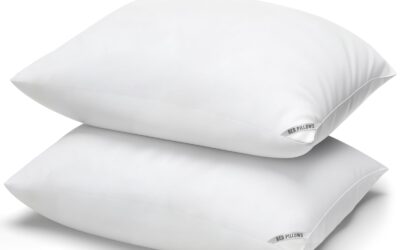
A better insert fixes bunching at the source, so the two features that matter most are corner tabs (to anchor it inside the cover) and box-quilted stitching (to lock the fill in place). All three picks below clear a 4.5 owner rating and use one or both of those features. Start with the Utopia insert if your main problem is sliding, since its corner tabs tie straight into a cover; choose the Bedsure if you want the most even down-alternative loft; go with the Serta if you prefer natural feather-down warmth in a cotton shell.

Pros
- Exceptional value at under $30 with over 76,000 reviews averaging 4.7 stars, one of the highest review counts in its category
- Box-stitch design keeps the GentleSoft fill evenly distributed so there are no cold spots or thin patches
- 8 corner and side tabs make it compatible with any duvet cover, adding styling flexibility
- All-season fill weight balances warmth and breathability so it works in both heated and air-conditioned bedrooms
- Wide size range including oversized and Alaskan King options that are hard to find at this price point
Cons
- 100% polyester fill may sleep warm for hot sleepers during summer in non-air-conditioned rooms compared to a dedicated cooling comforter
- Requires 24 to 48 hours of fluffing out of the box before it reaches full loft, which can be inconvenient if you need it immediately
- Only available in white, limiting options for shoppers who want a comforter that stands out without a duvet cover
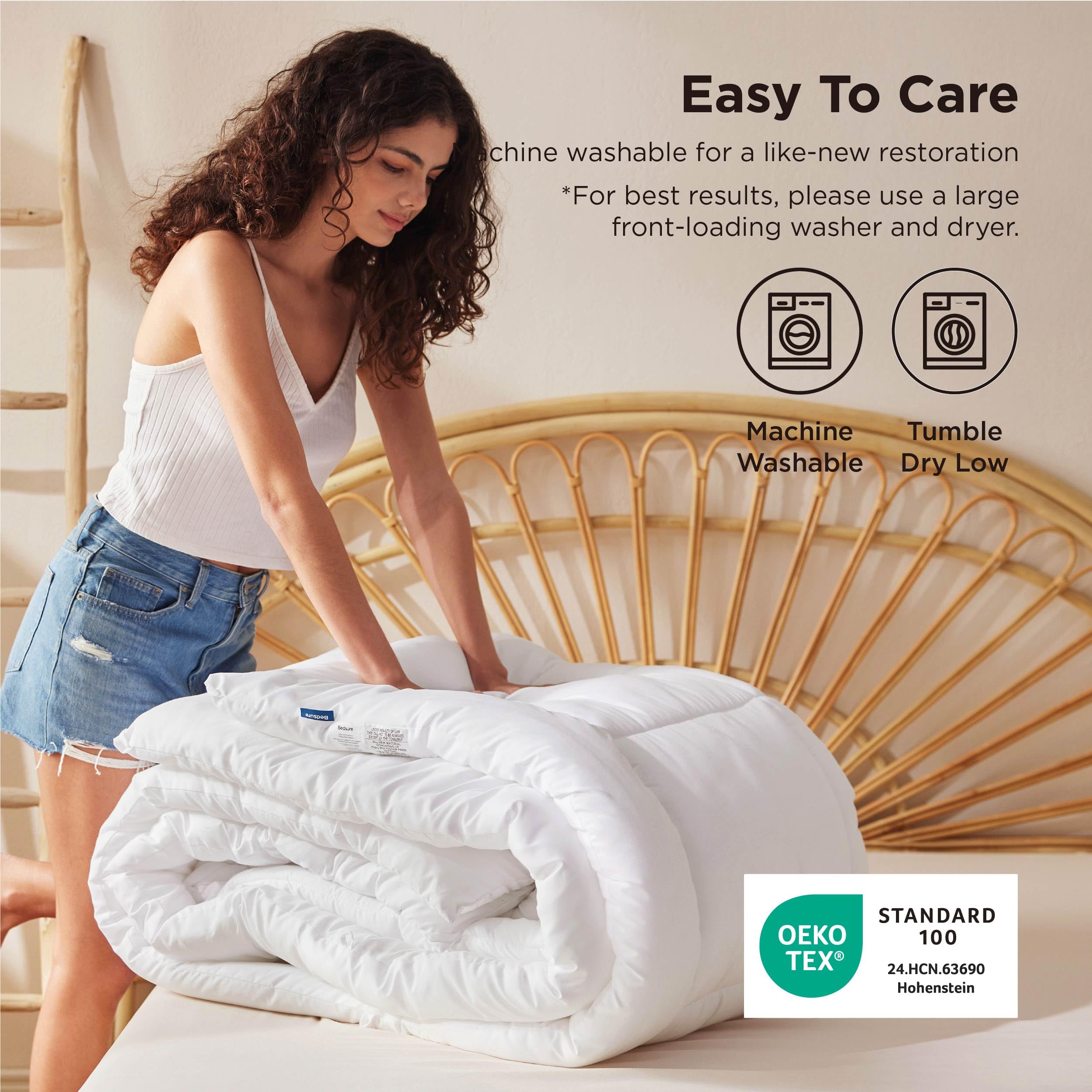
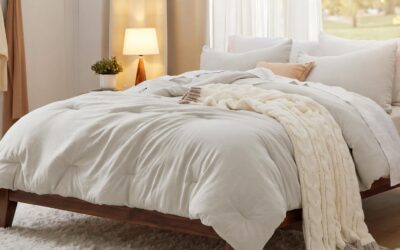
The Bedsure Queen Comforter punches well above its price tag. The GentleSoft polyester fill feels genuinely plush on first use, and the box-stitch stitching is tight and even across the whole surface, giving it a structured, tailored look that holds up after repeated washing. It does not look cheap on a bed, especially layered under a duvet cover.
What makes it stand out for everyday home life is how low-maintenance it is. Toss it in a standard front-loader, tumble dry on low, and it comes out looking nearly new. For households that want a fresh, well-made bed without a complicated care routine, that matters more than any single feature on the spec sheet.
It also earned a Best Comforter nod from Apartment Therapy and has accumulated over 76,000 reviews at 4.7 stars, which means the quality is consistent across a massive sample of real buyers, not a lucky batch. If you want a cloud-soft all-season comforter without paying three times the price for a brand name, this one delivers.
Styles it works with: Minimalist, Scandinavian, Modern Farmhouse, Classic Transitional
Best placed in: Master bedroom as a primary comforter, guest bedroom for a clean hotel-style look, teenager or college dorm bed needing a durable all-season layer
May not suit: Decor-forward bedrooms where bold color or pattern is the focal point, since this only comes in white and relies on a duvet cover for visual interest. Also may not be the best fit for very warm climates without air conditioning if you run hot at night.
Buy it if:
- You want a high-rated, machine-washable comforter under $30 that works in any season without needing a seasonal swap
- You already own or plan to buy a duvet cover and need a quality insert with tabs that will stay put inside it
- You are furnishing a guest room or second bedroom and need reliable comfort without overspending
Consider waiting if:
- You are looking for a colored comforter to use without a duvet cover, as this only comes in white
Skip it if:
- You are a confirmed hot sleeper who needs a dedicated cooling comforter with moisture-wicking or temperature-regulating materials
- You have a down allergy and also react to polyester microfiber fills, in which case you need a specialty hypoallergenic option
Check the latest price and availability on Amazon before it sells out.
Utopia Bedding Queen Comforter Duvet Insert – Quilted White Down Alternative, Box Stitched, 88x88 Inches
Pros
- Exceptional value backed by one of the largest review counts in the bedding category
- Box-stitch design prevents clumping and maintains loft through repeated washes
- Corner tabs make it compatible with virtually any standard duvet cover
- Lightweight yet warm construction works across all four seasons
- Allergy-friendly polyester fill suits sensitive sleepers and pet-friendly homes
Cons
- Available only in white, so shoppers who want a colored insert for standalone use have no options here
- Line dry or no-heat tumble dry instructions add drying time compared to comforters that tolerate machine heat
- Polyester fill does not replicate the breathability of natural down, which may feel warmer to hot sleepers in summer
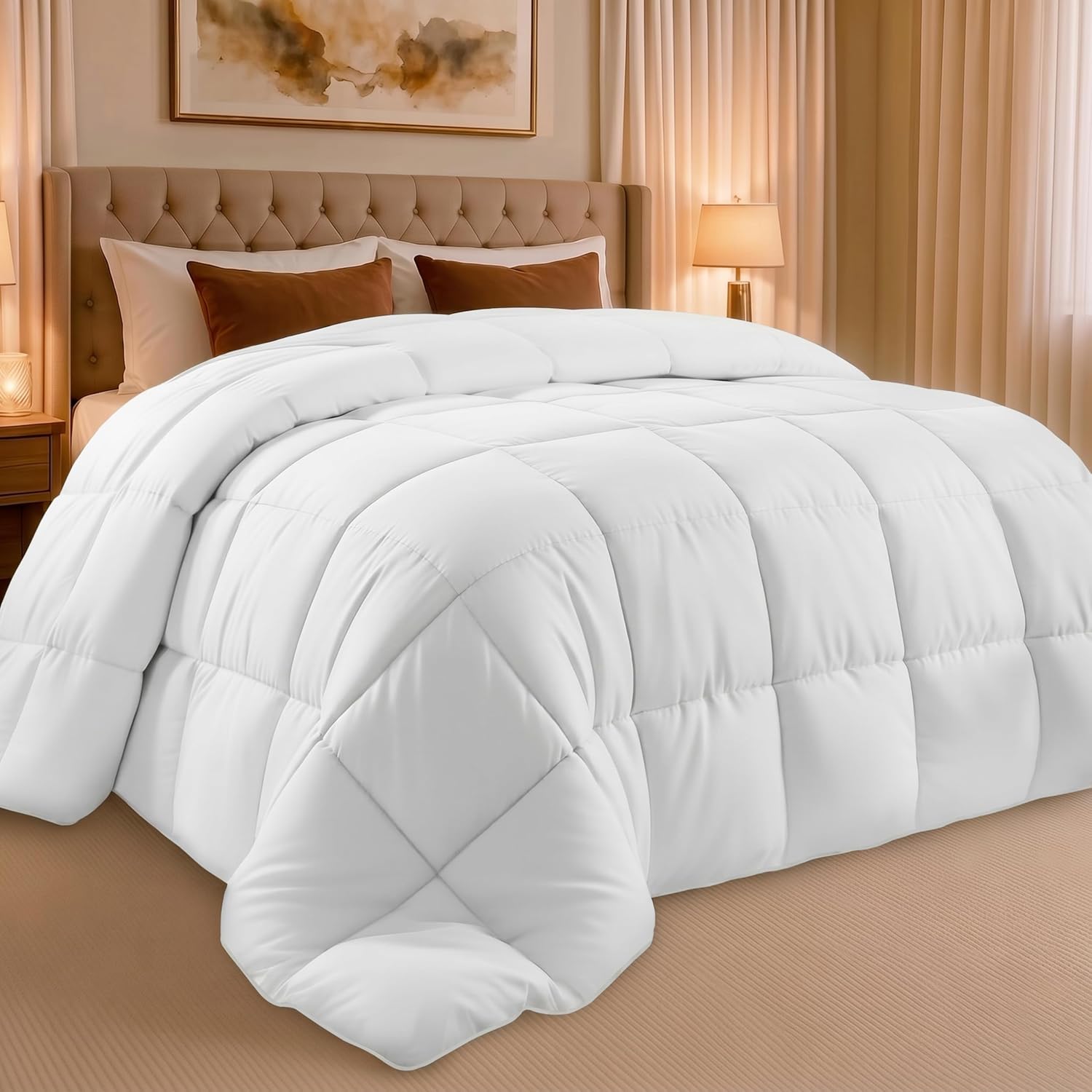
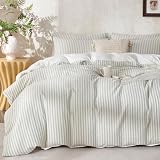
At under $25 for a queen size, the Utopia Bedding Comforter does something rare: it genuinely delivers on its promise. The box-stitch quilting gives it a structured, tailored look that photographs beautifully on a made bed, and the soft microfiber shell feels smooth from the first night, not scratchy like cheaper alternatives.
What makes it stand out for everyday living is how low-maintenance it is. Toss it in the washing machine, line dry it, and it bounces back to its original loft without any special care. The corner tabs are a small detail that makes a real difference, keeping your duvet cover anchored so your bed stays looking tidy even after a restless night.
If you want a consistently fluffy, clean-looking bed without spending a lot or fussing over dry-clean labels, this one delivers.
Styles it works with: Minimalist, Scandinavian, Modern Farmhouse, Classic Traditional
Best placed in: Primary bedroom as a standalone comforter, inside a patterned duvet cover in a guest bedroom, or layered under a quilt for a cozy, textured bed look
May not suit: Sleepers who run very hot and prefer a cooling insert specifically engineered for temperature regulation; also not ideal if you want color variety since it only comes in white
Buy it if:
- You want an affordable, reliable duvet insert to pair with a decorative cover you already own
- You need a machine-washable comforter that holds its shape and loft over many wash cycles
- You are furnishing a guest bedroom and want a fresh, hotel-style look without a large investment
Consider waiting if:
- You are looking for a colored insert rather than white, as the brand offers color options in other comforter styles that may suit you better
Skip it if:
- You sleep extremely hot and need a comforter with active cooling or moisture-wicking technology
- You specifically want natural down fill for its breathability and compressibility
Check the latest price and availability on Amazon before it sells out.

Serta Queen Goose Feather Down Fiber Comforter - Hypoallergenic 100% Cotton Cover, All Season Medium Warmth, 90x90
Pros
- Genuinely soft and fluffy feel that closely mimics real down at a fraction of the price
- Breathable cotton shell stays cool and quiet -- no crinkling or overheating
- Sewn-through box construction keeps fill from bunching or leaving cold gaps
- OEKO-TEX certification provides confidence in material safety and odor-free performance
- Highly rated across nearly 4,000 reviews, indicating consistent quality across production runs
Cons
- Dry clean only care requirement adds ongoing cost and inconvenience compared to machine-washable alternatives
- Medium warmth fill may not be sufficient for very cold climates or sleepers who run cold -- the extra warmth version is a separate purchase
There is a particular kind of comfort that comes from sliding under a cloud-like comforter at the end of a long day, and the Serta Goose Feather Down Fiber Comforter nails that feeling at a price that does not require a second thought. The OEKO-TEX certified fill is processed for hypoallergenic use, so it arrives fresh, odorless, and genuinely fluffy -- not the flat, crinkly experience you sometimes get with budget bedding.
The 100% cotton shell is what elevates this above most comforters in this price range. It breathes well, feels soft against bare skin, and stays completely silent when you move -- no plastic-y rustling that wakes a light sleeper. The sewn-through box quilting does its job quietly, holding the fill right where it should be so you wake up with the same even warmth you fell asleep with.
If you want that plush, hotel-bedroom look and feel without paying for a true goose down comforter or worrying about allergy flare-ups, this one delivers.
Styles it works with: Modern Farmhouse, Scandinavian, Minimalist, Classic Traditional
Best placed in: Primary bedroom as the main comforter, guest bedroom for a hotel-ready presentation, or a teen or college bedroom needing an upgrade
May not suit: Households where all bedding needs to be machine washed frequently (e.g., homes with young children or pets on the bed), or sleepers in very cold climates who need maximum insulation from a single layer
Buy it if:
- You want the soft, lofty feel of a down comforter but need a hypoallergenic option that will not trigger sensitivities
- You are furnishing a guest room and want bedding that looks and feels premium without a high investment
- You run warm at night and need a breathable all-season layer that works without switching comforters each season
Consider waiting if:
- You are planning a full bedding refresh and want to choose a duvet cover first to confirm the white base works with your color palette
Skip it if:
- You need a machine-washable comforter for easy at-home care -- the dry clean only requirement is a real limitation for everyday use
- You sleep in a very cold room and need maximum warmth from a single comforter without layering
Check the latest price and availability on Amazon before it sells out.
The Bedsure GentleSoft Down Alternative insert (4.7) is the highest-rated of the three, and its quilted box-stitch grid is built to keep fill from drifting into the corners. It runs an all-season weight, which means it holds its shape in a snug cover instead of over-lofting into a middle lump. For most people fighting daily lumps, this is the safe first buy.
The Utopia Bedding Quilted insert (4.6) is the one to grab if your duvet keeps sliding, because it’s the pick that ships with sewn-in corner tabs. Those tabs are the exact hardware that stops the “flat corner, hot lump” pattern from Reason 1. It’s also box-stitched, so you get anchoring and fill containment in the same piece.
The Serta Goose Feather Down insert (4.5) is for people who want natural fill and a 100% cotton cover instead of microfiber. Feather-down lofts high and sleeps warm, though it needs a full dry cycle to avoid the clumping covered in Reason 3. Match it to a same-size cover and dry it thoroughly, and it holds up as a hotel-style layer for years.
Frequently Asked Questions
Do corner ties actually stop a duvet from bunching?
Yes. Corner ties connect the insert to the cover so the two move together instead of separately, which removes the single biggest cause of sliding. You need both halves to make it work: tabs on the insert and loops in the cover.
Should I buy an insert one size larger than my duvet cover for extra fluff?
No. An oversized insert has nowhere to spread, so it bunches toward the center and creates a permanent middle lump. Match the insert to your cover size, not to your mattress.

Can washing my duvet the wrong way cause clumping?
Yes. Hot water and high dryer heat mat down-alternative fill and clump natural down that doesn’t dry fully. Wash cold or warm, dry on low with 2 or 3 dryer balls, and make sure it’s bone-dry before it goes back on the bed.
Is duvet bunching a sign my comforter is defective?
Almost never. It’s usually a size mismatch or a missing attachment, and both are fixable without replacing anything. Only torn baffle walls or badly matted fill point to an insert that’s genuinely done.
Will a heavier or higher-fill-power duvet bunch less?
It depends. Even fill distribution and box-quilted construction matter more than raw weight or loft, per Sleep Foundation guidance. A well-built lightweight insert stays flatter than a heavy, loosely stitched one.
Bottom Line
Roughly 80% of duvet bunching traces to one thing: the insert isn’t tied to the cover. Start there. An insert with corner tabs, matched to your cover size and knotted into its loops, ends most sliding overnight. The Bedsure is the safe pick for even down-alternative loft; the Utopia is the one to buy if sliding is your core problem. If the fill is matted flat or the baffle walls have torn, stop fluffing. Time for a new insert. That’s the honest fix.

Write Your Review
No reviews yet. Be the first to share your experience!