

> Editorial Note: Our guidance aggregates recommendations from Good Housekeeping, Consumer Reports, Apartment Therapy, and r/HomeImprovement. We are not furniture restoration professionals or contractors. For structural frame damage or professional reupholstery, consult a licensed furniture specialist. Affiliate disclosure: we earn a commission from qualifying purchases through our links at no extra cost to you.
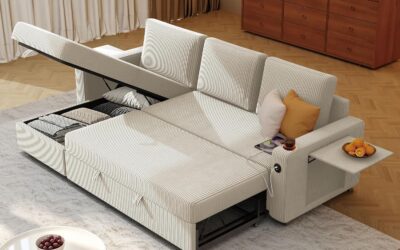
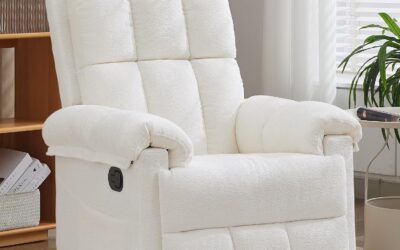
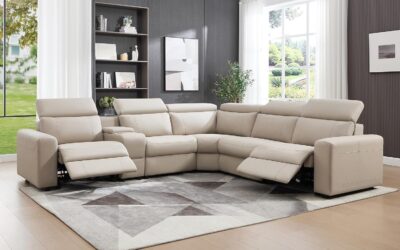
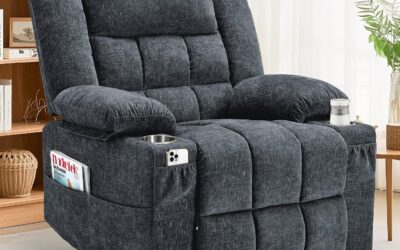
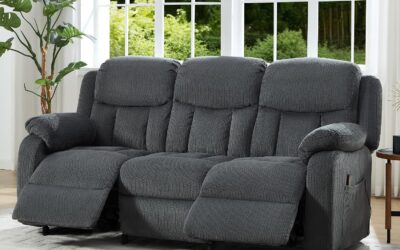
A sagging couch doesn’t have to mean a new sofa — it’s one of the most fixable furniture problems in the house. The cause almost always comes down to one of two things: flattened foam inside the cushion itself, or a weakened deck (the support platform underneath the cushions). Knowing which one you’re dealing with changes everything, because the wrong fix won’t help. A support board won’t revive collapsed foam, and re-stuffing cushions won’t fix a deck that’s lost its structure. best sectional sofa under 1000 and best accent chair for living room are worth bookmarking if your sofa genuinely isn’t salvageable — but there’s a good chance you won’t need either. Also see how to get rid of musty smell in furniture and best bedroom furniture sets queen if you’re doing a broader refresh.
Diagnose the Problem First
Before spending a dollar, pull all the cushions off and look at what’s underneath.
If it’s the deck: You’ll see visibly bowed webbing, a curved plywood base, broken slats, or springs that have shifted out of alignment. Press down firmly on the exposed deck with both palms. If it flexes more than 2 inches, the deck structure has weakened — foam replacement won’t help here.
If it’s the cushion foam: The deck looks flat and solid, but when you sit, the cushion compresses too far and doesn’t spring back. The cover may have wrinkles or a sunken center even when no one’s sitting on it. That’s foam that’s broken down past usefulness.
Some sofas have both problems at once. In that case, fix the deck first (Fix 1), then assess the cushions after. Addressing them in the wrong order wastes money.
One more thing worth checking: is the sag isolated to one spot, like the center cushion, or uniform across all seats? A single sunken cushion usually points to foam failure. A whole sofa that tilts or sinks suggests the deck — or, in worse cases, the frame itself.
Sagging and sliding often show up together, because a worn deck lets the cushions move as well as sink. Keeping couch cushions from sliding covers the slick-upholstery and loose-cushion causes separately from the foam problem.
Fix 1: Cushion Support Board (Deck Sag)
A cushion support board is the fastest fix for a sagging deck. You slide a flat, rigid panel between the deck surface and the seat cushions — no tools, no disassembly, no professional. The board distributes weight evenly across the deck, preventing further flex and restoring a firm seating surface in about five minutes.
This works specifically for decks where the webbing has stretched, the springs have softened, or the original plywood has bowed. It doesn’t add height — it stops the collapse. You’ll notice an immediate difference in how firm the seating feels.
Sizing matters more than most people expect. Measure your sofa’s interior seat width and depth before ordering. The board should cover as much of the deck as possible without extending under the arms or back frame where it can’t lie flat.
Three options worth considering:
The Meliusly Heavy Duty Couch Cushion Support (24×72) is built from engineered wood and sized for most three-seat sofas. Engineered wood handles humidity better than standard plywood and won’t warp the way solid wood sometimes does in heated rooms.
The GORILLA GRIP Heavy Duty Couch Cushion Support Board (21.5×70) has a slip-resistant surface that keeps the board from shifting when you sit down — a detail that matters more than it sounds. Nothing’s more annoying than a fix that migrates to one side by the end of the week.
The LAVEVE Heavy Duty Couch Cushion Support Board (21.5×70) uses extra-thick solid wood for maximum rigidity. It’s the densest option of the three, which can be an advantage on sofas with heavier daily use.
All three run $30–60. That’s a fraction of a new sofa — or even a single new cushion replacement.

Pros
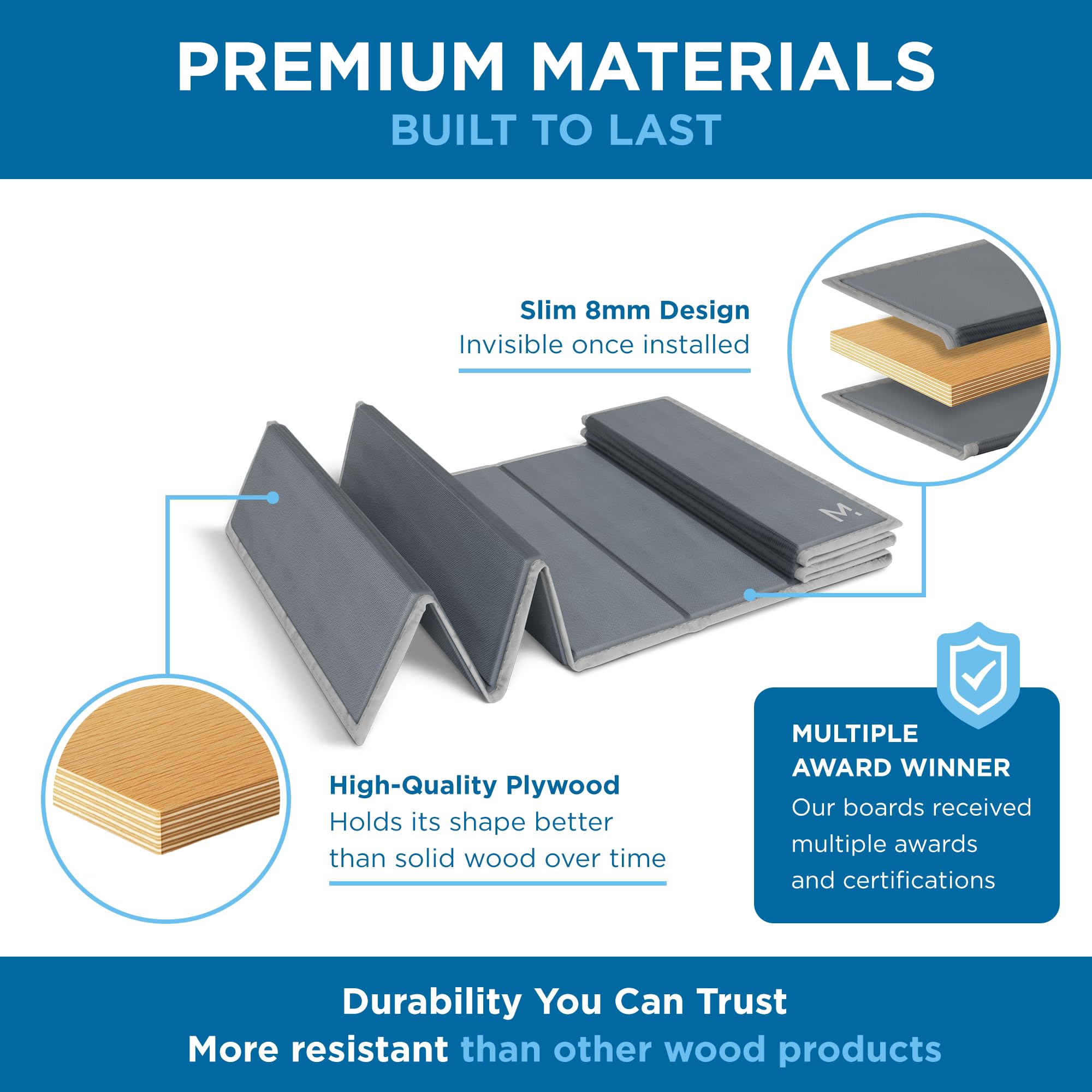
- Thicker 8mm engineered wood resists warping and compression better than budget alternatives
- No tools or hardware required, just unfold and place under cushions
- Anti-skid finish prevents shifting during use
- Folds compactly when not in use or for moving between furniture pieces
- Durable 600D Oxford fabric cover with reinforced seams
Cons
- Only works with sofas that have removable seat cushions, not suitable for fixed-cushion designs
- Requires accurate measuring of sofa frame dimensions before ordering to ensure proper fit
- New product with no verified customer reviews yet to confirm long-term durability
This is the kind of fix that makes you wonder why you waited so long. Instead of shopping for a new couch or paying for professional repairs, you pull off your cushions, unfold this rigid panel across the seat frame, and put everything back. The sagging is gone, the seat feels solid again, and you just saved yourself hundreds of dollars and the hassle of furniture shopping.
The 8mm poplar wood construction is noticeably sturdier than the thin cardboard or foam inserts that compress after a few months. The anti-slip coating keeps it locked in place, so you are not constantly readjusting it every time someone sits down. It folds flat when you need to move it or store it, but once it is unfolded under your cushions, it lies completely level without creating lumps or uneven spots.
If you want to restore firm seating on a worn sofa without replacing the whole piece or dealing with complicated repairs, this one delivers.
Styles it works with: Modern, Transitional, Farmhouse, Contemporary
Best placed in: Living room sofa, family room sectional, basement or den loveseat
May not suit: Sofas with non-removable cushions, small apartment loveseats under 60 inches wide, homes where you prefer to replace furniture rather than repair it
Buy it if:
- Your sofa cushions sag in the middle and you sink down when you sit, but the frame and fabric are still in good shape
- You want to extend the life of your current couch for a few more years before upgrading
- You need a tool-free fix that takes under 10 minutes to install and actually works
Consider waiting if:
- You are unsure of your exact sofa frame dimensions and want to measure carefully first
- You are hoping for verified customer reviews before committing
Skip it if:
- Your sofa has built-in cushions that cannot be removed
- Your seat frame is narrower than 24 inches or shorter than 72 inches and you need a different size
Check the latest price and availability on Amazon before it sells out.

Pros
- Heavy-duty 0.43-inch plywood is significantly stronger than MDF alternatives
- 400lb weight capacity handles multiple people sitting at once
- Hundreds of PVC grip dots prevent shifting during daily use
- 21.5-inch width provides better coverage than narrow boards
- Foldable and stackable to fit different sofa sizes
Cons
- 70-inch length may be too long for compact loveseats without folding
- New product with no verified customer reviews yet to confirm long-term durability
- Gray color may show through light-colored cushion fabrics
If your couch cushions have that telltale sag in the middle but the upholstery still looks great, this is the fix that makes sense. The GORILLA GRIP support board slides right under your existing cushions and transforms a sunken sofa back into something you actually want to sit on. No awkward explanations to guests about "the good side" of the couch anymore.
What sets this apart is the genuine plywood construction. While cheaper options use particle board that can warp or crack, this 0.43-inch thick plywood holds its shape under real-world use. The grip dots on the underside are a smart touch - they keep the board from sliding around when people shift their weight, which is exactly the kind of small detail that matters after a few weeks of daily use.
If you want to salvage a sagging sofa without spending hundreds on professional repairs or a new couch, this one delivers.
Styles it works with: Modern Farmhouse, Traditional, Transitional, Casual Contemporary
Best placed in: Living room sofas, family room sectionals, den loveseats, basement rec room seating
May not suit: Sofas narrower than 70 inches unless you fold the board, ultra-modern low-profile couches where the board might be visible, homes where you frequently rearrange furniture and need the couch to stay lightweight
Buy it if:
- Your couch cushions sag in the middle but the frame and fabric are still in good shape
- You need a quick fix before guests arrive and don't have time for professional repairs
- You're tired of constantly fluffing cushions or sitting on the edge to avoid the sunken spot
Consider waiting if:
- You're hoping for customer reviews to validate the 400lb capacity claim since this is a newer product
Skip it if:
- Your sofa is narrower than 60 inches and you don't want to deal with folding the board to fit
- The sagging is caused by broken springs that need actual structural repair, not just cushion support
Check the latest price and availability on Amazon before it sells out.

Pros
- No installation required, just lift cushions and place
- Heavy-duty 600D Oxford fabric won't slide or shift
- Rounded edges prevent scratches and injury
- Works with nearly any sofa size thanks to 19 size options
- Strong 400lb weight capacity per board
Cons
- New product with zero verified customer reviews yet
- May feel too firm for buyers who prefer soft, plush seating
- Requires measuring your sofa frame to choose the right size
This is the kind of fix that makes you wonder why you didn't do it sooner. Instead of living with a saggy couch or spending hundreds on a new one, you slide this board under the cushions and get instant firmness back. The multilayer wood composite feels solid without being rock-hard, and the anti-slip fabric cover grips both the cushion and the frame so nothing shifts when you sit down.
What sets LAVEVE apart is the attention to real-world use. The rounded corners won't scratch your floor or poke curious kids. The foldable design means you can adjust it or combine multiple boards for sectionals. And the 400lb capacity per board means it handles everyday family use without flexing or breaking down.
If you want to restore your sofa's support without replacing the whole thing, this one delivers.
Styles it works with: Modern Farmhouse, Scandinavian, Minimalist, Traditional
Best placed in: Living room sofas, family room sectionals, home office loveseats, guest room sleeper sofas
May not suit: Sofas with decorative webbing or exposed frames where the board would be visible, households that prefer ultra-plush cloud-like seating, antique furniture with fragile frame construction
Buy it if:
- Your sofa cushions sag in the middle and feel unsupportive when you sit down
- You want to extend the life of a quality sofa frame that still looks good
- You need a quick fix that doesn't require tools, assembly, or professional help
- You have kids or pets and need rounded edges for safety
Consider waiting if:
- You need to see customer photos or verified reviews before committing
- Your sofa frame itself is broken or damaged beyond cushion support
Skip it if:
- You prefer soft, sink-in seating and don't want firmer support
- Your sofa has an unusual frame design that won't accommodate a flat board
Check the latest price and availability on Amazon before it sells out.
Fix 2: Cushion Re-Stuffing (Foam Sag)
If your deck checks out fine but the cushions still feel like sitting on a deflated balloon, it’s the foam. You’ve got two paths here, depending on how far gone the cushion is.
Option A — Add polyester fiberfill on top of existing foam. This is the quicker, cheaper route. You open the cushion cover along its zipper seam, lay a sheet of poly fiberfill over the existing foam core, then zip it back up. Cost is typically $15–30 for enough fill to do a full sofa. It adds plumpness and a little height without addressing the underlying compression. Think of it as a patch — it buys you 12–18 months before you’ll want to revisit the problem.
Option B — Replace the foam insert entirely. This is the real fix. Remove the old foam, measure the interior dimensions of the cover, and order a replacement foam slab cut to size. Foam vendors like Foam Factory ship custom-cut pieces for around $40–80 depending on size.
Foam density is where most people go wrong. Consumer Reports recommends 2.0 lb per cubic foot as the minimum for a sofa seat cushion that’ll hold up. Foam rated under 1.8 lb/cu ft compresses again within two years. Good Housekeeping specifically calls out HR (High Resilience) foam for replacement projects — it’s more expensive than standard polyurethane but maintains its shape under repeated use significantly longer.
The replacement process isn’t complicated: unzip the cover, pull out the old foam, slide in the new piece, and zip it closed. It takes 20–30 minutes per cushion. No sewing, no tools required if the cover has a zipper.
Fix 3: Add a Seat Cushion Topper
There’s a middle-ground situation some sofas fall into — cushions that sag noticeably in the center but aren’t totally collapsed. They’re still functional, just uncomfortable. The foam isn’t dead; it’s just compressed unevenly.
In that case, a firm seat cushion placed on top of the sofa cushions can raise and even out the surface without any disassembly at all. Budget $25–50 for a decent option. Look for ones with non-slip backing so they don’t slide when you sit.
This isn’t a long-term solution — it extends the sofa’s useful life by roughly 12–24 months while you decide whether to replace the foam, replace the sofa, or simply live with it. It’s also useful if you’re renting or in a temporary living situation where a deeper fix doesn’t make sense.
When the Sofa Is Beyond Fixing
A support board or foam replacement can’t solve every problem. If the sofa frame itself is compromised — cracking wood joints, a rocking base, visible structural breaks — no cushion-level fix will restore it. Sit in the sofa and rock slightly side to side. If you feel the frame flex or hear cracking, that’s not a cushion issue.
Frame failure is a different conversation. At that point, the decision is between professional reupholstery (which runs $500–1,500 for a full sofa) or replacement. Consumer Reports’ guidance is useful here: if a sofa is under 5 years old and already sagging significantly, contact the manufacturer before spending anything. Some brands have cushion replacement warranties, and a few extend coverage to the frame. It’s worth a 10-minute call before committing to a fix or a purchase.
If the sofa is more than 10–12 years old and the frame is compromised, replacement usually makes more financial sense than repair.
Frequently Asked Questions
How do I know if it’s the foam or the frame causing the sag? Remove all cushions and press firmly on the exposed deck with both hands. If the deck flexes more than 2 inches or you see broken webbing or bent springs, the deck structure is the problem. If the deck is solid and the cushion still collapses when you sit, it’s the foam. You can have both issues simultaneously — start with the deck.
What’s the best foam density for couch cushions? Consumer Reports recommends 2.0 lb per cubic foot as the minimum for a seat cushion that’ll hold its shape over time. HR (High Resilience) foam is the preferred type for replacement projects according to Good Housekeeping — it’s more durable under repeated compression than standard polyurethane foam.
Can I use plywood instead of a cushion support board? You can, but it’s not ideal. Standard plywood can bow under weight over time and doesn’t handle humidity changes well — it may warp in rooms that see temperature swings. Engineered wood or purpose-built couch support boards (like the Meliusly or LAVEVE options) are more stable long-term. If you do use plywood, wrap the edges in felt tape so it doesn’t catch or scratch the deck fabric.
How long does a support board fix last? In most cases, 3–5 years or longer — it depends on how much use the sofa sees and whether the underlying deck problem was webbing sag or a more serious structural issue. The board itself doesn’t wear out; it’s a passive fix. If the deck continues to sag around or behind the board, the deck structure is worse than a simple support can address.
Is it worth repairing a sagging sofa or buying a new one? If the frame is sound, almost always worth repairing. A support board runs $30–60. Foam replacement is $40–80. A new sofa — even a budget one — starts around $400 and goes up fast. The math strongly favors repair when the frame is intact and the sofa is under 10 years old.
The Bottom Line
Most sagging couches can be fixed for under $60 without calling anyone or removing a single staple. A cushion support board solves deck sag in under five minutes and lasts for years. Foam replacement fixes collapsed cushions for $40–80 and, with the right density, stays firm for a decade. A seat topper is the quick patch when you need to buy some time. None of these require tools, professional help, or a weekend project — just a correct diagnosis of whether your problem is the deck or the foam.

Write Your Review
No reviews yet. Be the first to share your experience!