

> Editorial Note: I’m Hannah Lin, an Interior Living Researcher who’s spent 9+ years analyzing the home furniture market. This guide draws on BIFMA, GREENGUARD, and FSC certifications, plus owner reviews aggregated from Wirecutter, Apartment Therapy, and the major home design subreddits.
The biggest mistake isn’t skipping the cleaning — it’s reaching for a store-bought leaf shine spray before you’ve wiped the dust off. Shine products seal over grime and clog the tiny pores plants breathe through, so a dirty leaf gets worse, not better. Clean plants read as intentional decor the same way a styled shelf does, right alongside your best gallery wall frames, best console table for entryway, best large floor mirror, best wall mirror for living room, and best table lamp for living room.
Why Do Plant Leaves Even Need Cleaning?
Dust is the real problem, and it builds faster than most people think. A layer you can barely see still blocks light and slows photosynthesis, which is why a fiddle-leaf fig by a bright window can still look tired and pale. Indoor air carries cooking grease, pet dander, and fine particulate that settle on the flat, waxy surface of broad leaves like monstera and rubber plants.
Clean leaves absorb more light, which matters most in winter when your windows already deliver less of it. They also let you spot pests early. Spider mites and mealybugs hide on the undersides, and a quick wipe every 2-3 weeks turns leaf care into a built-in inspection.
There’s a decor angle too. A plant with glossy, dust-free leaves looks deliberate, the finishing texture in a room the way a lamp or a mirror is. A dusty one just looks neglected, no matter how nice the pot is. That’s the whole reason this small habit pays off.
The frequency depends on your space. Homes with pets, smokers, or nearby kitchens need a wipe every couple of weeks. A tidy bedroom might stretch to once a month.
What’s the Safest Way to Clean Broad, Flat Leaves?
Start with a soft microfiber cloth and room-temperature water, around 70°F. Cold water can shock tropical plants and leave temporary white spots on foliage. Support each leaf from underneath with one hand, then wipe gently from the stem outward with the other. Never rub in circles, since that grinds dust into the surface instead of lifting it.
For stubborn film, add one drop of mild dish soap per quart of water — no more. Anything stronger strips the leaf’s natural coating and can burn tender edges. Dip the cloth, wring it nearly dry, and wipe both the top and the underside. The underside is where mites live, so don’t skip it.
Broad-leaf plants like monstera, pothos, philodendron, and rubber trees handle this well because their leaves are structurally sturdy. A single leaf takes about 10 seconds. Work top to bottom on the plant so falling dust lands on leaves you haven’t reached yet.
Skip the leaf-shine sprays. Apartment Therapy and Wirecutter plant guides both flag them as pore-clogging, and a clean leaf is already glossy on its own. Just water. Nothing fancy.
How Do You Clean Fuzzy, Delicate, or Tiny Leaves?
Fuzzy leaves change the whole approach because they trap water. African violets, begonias, and other velvety-leaf plants can spot or rot if you wet them, so keep them dry. Use a soft, dry paintbrush or a clean makeup brush and flick dust off in short strokes. A can of compressed air, held 6-8 inches back on the lowest setting, works for deep crevices.
Tiny-leaf plants like ferns, succulents, and string-of-pearls are too fragile for individual wiping. Instead, give them a shower. Set the plant in a sink or tub and run lukewarm water over the foliage for 30-60 seconds, letting it rinse dust down the drain. Tip the pot slightly so water doesn’t pool and drown the roots.
Cacti and succulents prefer the brush method most of the year. Their waxy coating, the farina, protects them from sun, and heavy water pressure can rub it off permanently. A soft brush keeps that layer intact.
Let everything dry out of direct sun before returning it to a bright window. Wet leaves under strong light can scorch. Patience here matters more than speed.
How Often Should You Clean, and What Should You Avoid?
For most homes, a full wipe every 2-3 weeks keeps leaves clear without becoming a chore. A quick dust with a dry cloth once a week between deep cleans stretches that further. Plants in high-traffic rooms or near a kitchen need the shorter interval; a low-dust bedroom can go monthly.
Avoid a few things that quietly cause damage. Never use olive oil, mayonnaise, or milk to shine leaves — those old internet hacks turn rancid, attract dust, and clog pores. Skip any product with alcohol or bleach. Don’t wipe when leaves are in direct midday sun, and never use paper towels, which scratch soft foliage.
Water quality matters more than people expect. Hard tap water leaves mineral spots, so filtered or distilled water gives a cleaner finish on glossy leaves. If you only have tap, wipe with a damp cloth and buff dry right after.
One more habit: rotate the pot a quarter-turn after each cleaning so every side gets even light. Dust first, always. It’s the small routine that keeps a whole plant collection looking styled rather than forgotten.
Helpful Picks
These three products are the ones owner reviews rate highest for actually cleaning rather than just coating — screened for a 4.4+ rating and ready-to-use application. Start with the neem oil wash if you’re managing pests alongside dust; reach for the wipes if you want a grab-and-go option for a few glossy leaves.
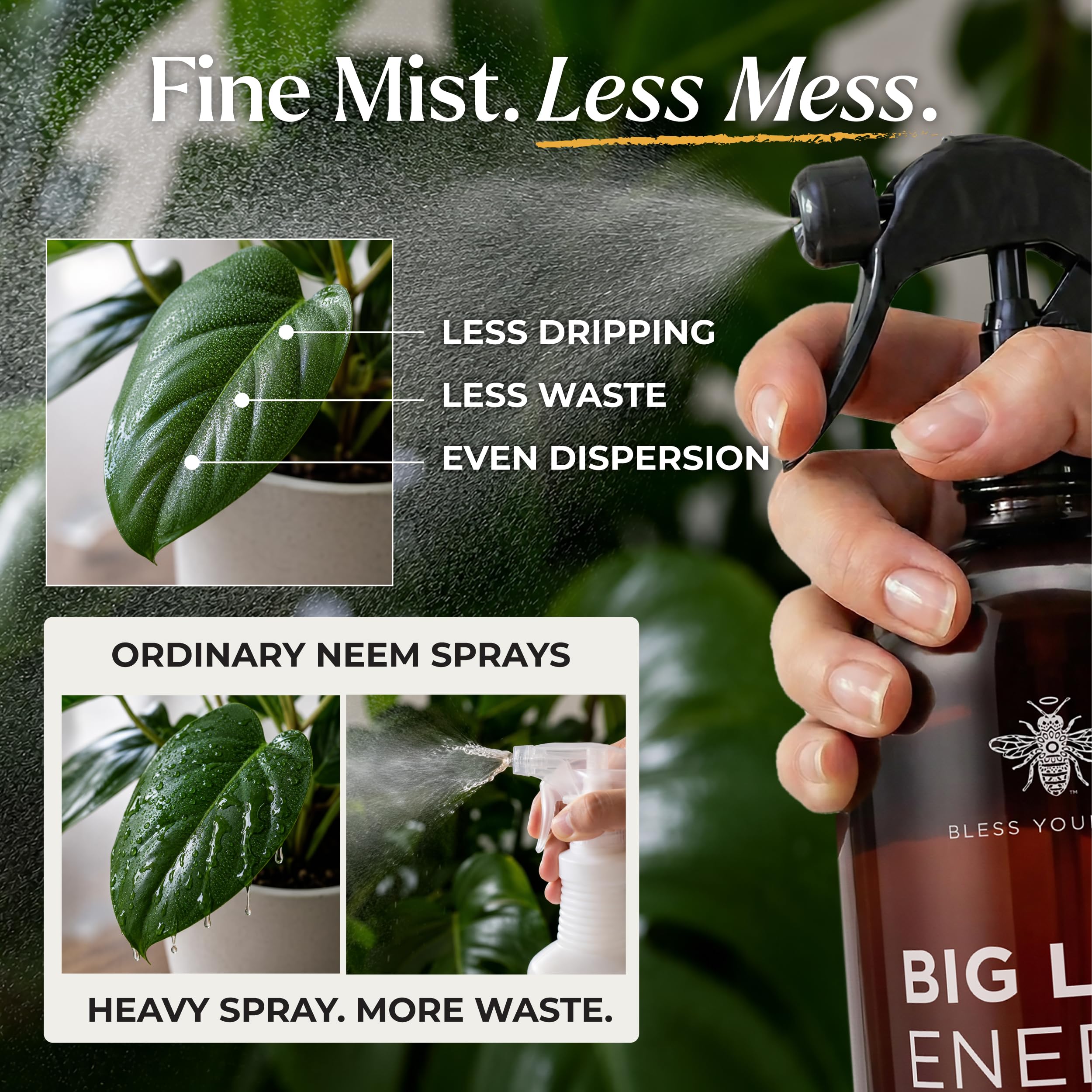

Bless Your Soil Big Leaf Energy Neem Oil Spray for Indoor & Outdoor Plants 16oz Ready to Use Organic
Pros
- More concentrated than typical neem sprays with up to 3X more azadirachtin
- Versatile use on both indoor tropicals and outdoor garden plants
- Alcohol-free, vegan, and biodegradable formulation
- Fine-mist nozzle provides even coverage with less waste
- Can be diluted for sensitive plants or more frequent applications
Cons
- Natural formula can solidify or thicken in cold temperatures, requiring warming before use
- Essential oils mean extra caution is needed around pets, especially birds
- No customer reviews yet to confirm long-term effectiveness
- Requires spot-testing and a24-48 hour wait before full application on new plants
If you have spent any time building indoor plant collection, you know the frustration of watching a thriving monstera or fiddle leaf fig suddenly struggle. Big Leaf Energy stands out because it combines neem oil with a thoughtful blend of cedarwood, lemon, clove, cinnamon, eucalyptus, and rosemary oils. The result is a plant spray that actually smells good in your living space, more like a candle than a chemical treatment.
What makes this practical for everyday plant care is the concentration. You can use it full-strength for tougher jobs or dilute it two to four times for routine maintenance, which means one16oz bottle goes a long way. The fine-mist sprayer also helps keep your shelves, tables, and floors clean during application. It fits right into a Sunday plant care routine without turning your home into a mess.
If you want a plant protection spray that works hard without making your living room smell like a garden shed, this one delivers.
Styles it works with: Boho Plant Lover, Modern Jungle, Scandinavian Green, Cottagecore
Best placed in: Kitchen windowsill herb gardens, living room plant shelves, bathroom tropical collections, bedroom nightstand greenery
May not suit: Homes with free-roaming birds or very small enclosed spaces with limited ventilation; households where pets cannot be separated from plants duringrying time
Buy it if:
- You maintain a collection of indoor houseplants and want one organic spray that handles multiple issues
- You have tried other neem sprays but hated the strong, unpleasant smell in your home
- You want a concentrated formula you can dilute for regular maintenance to save money over time
Consider waiting if:
- You only have one or two low-maintenance plants that rarely need treatment
- You want to see more verified customer reviews before committing
Skip it if:
- You have pet birds in the same room as your plants with no way to separate them
- You prefer a pure neem concentrate you can mix yourself at lower cost perounce
Check the latest price and availability on Amazon before it sells out.

Miracle-Gro Leaf Protect & Shine 4-in-1 Indoor Plant Spray 2-Pack | Insecticide, Fungicide & Leaf Shine for Houseplants
Pros
- True multi-tasker that replaces separate insecticide, miticide, fungicide, and shine products
- Noticeable leaf shine visible immediately after application
- Works on the most popular houseplants including monsteras, fiddle leaf figs, and pothos
- Pet and child safe when used as directed
- Convenient 2-pack at a reasonable price point for recurring use
Cons
- Cannot be used on succulents, cacti, African violets, or any soft or hairy-leaved plants
- 8 oz bottles may run out quickly for collectors with20+ plants
- Requires consistent reapplication every 7 to 14 days to maintain protection
If you have spent any time curating a collection of indoor plants, you know the frustration of spoting tiny pests or dull, dusty leaves on your prized monstera. This Miracle-Gro spray tackles both problems at once, giving you pest control and a polished look without jugling separate products on your shelf.
What makes it genuinely useful for home decor enthusiasts is the leaf shine component. Your plants are part of your interior design, and this spray keeps them looking vibrant and camera-ready between deeper cleaning sessions. The formula works on all the trending houseplants people actually own right now.
If you want healthy, glossy plants without dedicating a Sunday afternoon to wiping every leaf by hand, this one delivers.
Styles it works with: Boho, Modern Minimalist, Scandinavian, Mid-Century Modern
Best placed in: Near your living room plant shelf, kitchen windowsill grouping, or bedroom corner where large-leaf plants anchor the space
May not suit: Homes with primarily succulent or cactus collections, or spaces where only soft-leaved varieties like African violets are grown
Buy it if:
- You own hard-leaved houseplants and want a single product for pest prevention and aesthetics
- You have noticed early signs of aphids, thrips, or powdery mildew on your indoor plants
- You want your monsteras and fiddle leaf figs looking polished for guests or photos
Consider waiting if:
- You only have one or two small plants and a single bottle would be more practical
Skip it if:
- Your collection is mostly succulents, cacti, or soft-leaved varieties that are incompatible with this formula
- You prefer organic or DIY pest solutions and want to avoid commercial sprays entirely
Check the latest price and availability on Amazon before it sells out.

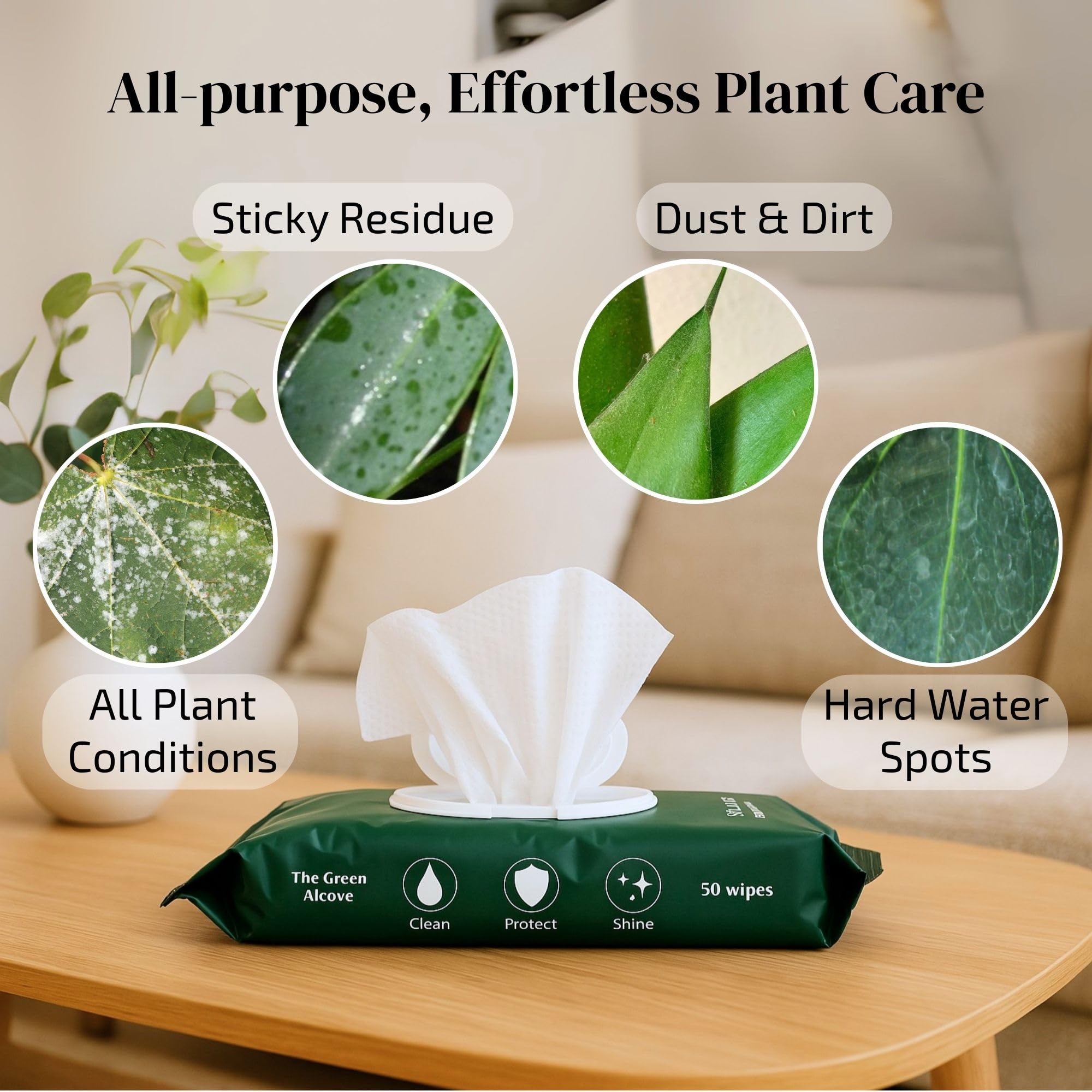
TheGreenAlcove Plant Leaf Cleaner & Shine Wipes 2 Pack 100 Count - Easy Dust-Free Houseplant Care
Pros
- Convenient pre-moistened wipes eliminate the need for spray bottles and cloths
- 100-count supply offers solid value for routine plant maintenance
- Simple grab-and-wipe format fits easily into a weekly cleaning routine
- Compact size stores neatly beside your plant collection
Cons
- No customer reviews yet, so long-term effectiveness is unverified
- May not suit large-leaf tropical plants that need heavier cleaning
- Unclear ingredient list makes it hard to judge sensitivity for delicate plant varieties
If you have a growing houseplant collection, you already know how quickly dust settles on leaves. TheGreenAlcove wipes turn what used to be a tedious chore into something you can knock out in minutes. Just pull a wipe, glide it across each leaf, and move on with your day.
What stands out here is the simplicity. No spray bottles dripping onto your furniture, no mixing solutions, no damp cloths to wash afterward. The pre-moistened format means you can keep a pack right next to your plant shelf and clean a few leaves whenever you walk by. Your plants look polished, your space looks more intentional, and the whole routine takes less effort than watering.
If you want houseplants that always look their best without adding another complicated step to your routine, this one delivers.
Styles it works with: Boho, Modern Minimalist, Scandinavian, Urban Jungle
Best placed in: Near a living room plant shelf, beside a bedroom windowsill garden, or tucked into an entryway console where you keep trailing pothos or snake plants
May not suit: Collectors with very large tropical plants (monstera, fiddle leaf fig) that may need a more thorough cleaning method, or outdoor garden setups where wipes are impractical
Buy it if:
- You have 5 or more indoor plants and want a fast weekly cleaning habit
- You are tired of DIY methods like milk-and-water sprays that leave residue
- You want your houseplants to look polished for guests without a big production
Consider waiting if:
- You prefer to see verified customer reviews before trying a newer brand
- You want a specific formulation for sensitive plants like calatheas or ferns
Skip it if:
- You only have one or two plants and a damp cloth does the job fine
- You need a heavy-duty solution for outdoor or greenhouse plants with pest residue
Check the latest price and availability on Amazon before it sells out.
Frequently Asked Questions
Can I use dish soap to clean plant leaves?
Yes, but only a trace. One drop of mild dish soap per quart of room-temperature water is plenty. More than that strips the leaf’s natural protective coating and can burn tender edges. Always wring the cloth nearly dry and wipe both surfaces gently.
Should I use commercial leaf shine spray?
No, skip it in most cases. Shine sprays seal over dust and clog the pores plants use to breathe and release moisture. A leaf cleaned with plain water is already naturally glossy. If you want a product, choose a cleaner labeled pore-safe rather than a wax-based shine.
How often should I clean my plant leaves?
It depends on your home. Rooms with pets, cooking, or heavy foot traffic need a wipe every 2-3 weeks. A tidy, low-dust bedroom can stretch to once a month. A quick dry dusting once a week between deep cleans keeps things easy.
Can I clean fuzzy leaves like African violets with water?
No, keep fuzzy leaves dry. Velvety foliage traps water and can spot or rot. Use a soft dry brush or compressed air held 6-8 inches away instead. Save the water method for smooth, waxy leaves.
Is it safe to spray leaves with a garden hose or shower?
Yes, for sturdy plants. Lukewarm water at low pressure for 30-60 seconds rinses dust well from ferns, pothos, and monstera. Avoid strong pressure on succulents and cacti, since it removes their protective farina coating. Let everything dry out of direct sun.
Does dusty foliage really hurt a plant’s health?
Yes, more than it looks. A dust layer blocks light and slows photosynthesis, which shows up as pale, tired growth, especially in low-light winter months. Clean leaves absorb more light and let you catch pests like spider mites early.
What water is best for wiping glossy leaves?
It depends on your tap. Hard water leaves mineral spots, so filtered or distilled water gives the cleanest finish on shiny foliage. If you only have hard tap water, wipe with a damp cloth and buff dry right away to prevent streaks.






Write Your Review
No reviews yet. Be the first to share your experience!