

> Editorial Note: I’m Lauren Ro, and I write furniture buying guides. The picks here are judged on the specs that predict how a piece ages — frame joinery, foam density, and load ratings — checked against BIFMA and FSC certifications plus aggregated owner reports.
The fastest way to wreck a brass doorknob is to polish it before you know whether it’s solid brass or brass-plated steel. Get that wrong and an abrasive cloth strips the thin plating in one pass, leaving a gray patch no polish brings back. The method here carries over to a tarnished how to clean a brass lamp base or an how to clean brass light fixtures overhead, and the same gentle motion revives a brass floor lamp, a brass chandelier, or a set of indoor wall sconces, building on our broader how to clean brass hardware guide.
First, Find Out If Your Brass Is Solid or Plated
Hold a magnet to the hardware: if it grabs, you’re looking at brass-plated steel, and if it ignores the metal, the piece is solid brass. That single check decides how hard you can go. Solid brass tolerates a mild abrasive and years of repeated polishing. Plated brass wears a coating often just 2 to 5 microns thick, so one aggressive pass can cut through to the steel underneath, and that damage is permanent.
There’s a second thing to check: lacquer. Much modern hardware ships with a clear protective coat that blocks tarnish for years, and polish won’t touch a coat that’s still intact. If your knob looks bright and even, it’s probably lacquered, so clean it with nothing stronger than mild soap and water.
Reach for polish only once the lacquer has worn away in patches and the bare metal has started to darken. Apartment Therapy makes the same call: match the cleaner to the finish before you match it to the tarnish.
How to Clean Brass Door Hardware, Step by Step
Wipe the piece down with warm water and a drop of dish soap first, before any polish touches it. Skipping this just grinds surface grime into the metal. Dry it fully with a soft cloth, because water spots set fast on warm brass.
Work polish in with a soft cloth using small circles, not long strokes. Apply a thin film, let it haze for 30 to 60 seconds, then buff it off with a clean section of cloth. Small circles, thin film. Two light passes beat one heavy one every time, and a soft-bristle brush reaches into escutcheons and keyholes a flat cloth skips over.
Buff until the cloth comes away clean. If it keeps pulling black residue, that’s oxidized tarnish lifting, and it’s normal. Wirecutter recommends microfiber over paper towels here, since paper can leave fine scratches on soft metals like brass.
The Household Fixes That Actually Work
Yes, a few pantry items clean brass, but only on solid, unlacquered pieces. A paste of equal parts salt, flour, and white vinegar, spread on for about an hour then rinsed, cuts light tarnish through a mild acid reaction. Half a lemon dipped in salt does the same on smaller knobs.
Ketchup earns its reputation too. The vinegar and tomato acid in it dissolve tarnish in roughly 15 minutes, and it clings to vertical surfaces better than a thin liquid. Rinse thoroughly afterward, because leftover acid keeps eating at the metal.
One fix to skip: never use steel wool or a scouring pad, even on solid brass. It leaves permanent micro-scratches that trap future tarnish and dull the shine for good. Baking soda is too gritty for plated pieces. When you’re unsure, a dedicated brass polish is gentler and more predictable than a kitchen shortcut.
How to Clean It Without Taking It Off the Door
You can clean brass in place, but protect everything around it first. Painter’s tape a 1-inch border around the hardware to shield the surrounding wood, paint, or drywall, since polish can stain a finish on contact. Cardboard slipped behind a door plate does the same job faster on large backplates.
Apply polish sparingly so it doesn’t run down onto the door, and keep a damp cloth handy to catch drips right away. Work top to bottom so gravity carries stray residue onto areas you haven’t finished yet. A soft brush handles the seams where a plate meets the door.
Removing the hardware entirely gives a better result on heavily tarnished pieces, since you can reach every edge. For routine upkeep, in-place cleaning every few months keeps knobs bright without a screwdriver.
How to Keep It From Tarnishing Again
Tarnish is oxidation, so the fix is sealing the clean metal from air and skin oils. The most durable option is a fresh coat of clear lacquer, which can hold off tarnish for two to three years on a low-touch surface. Spray lacquer goes on evenly; brush-on tends to drip on curves.
For hardware you touch daily, a thin layer of paste wax buffs to a soft glow and reapplies in minutes. It won’t last as long as lacquer, but it’s far easier to renew, so plan on redoing doorknobs every few months.
The simplest prevention is a quick monthly wipe with a treated polishing cloth. Thirty seconds, once a month. That stops tarnish before it builds into the black film that needs real polishing.
What You’ll Need
The cloths below are metal polishes built for jewelry and instruments rather than door plates specifically, but the same treated fabric lifts tarnish off brass hardware just as well. The two Sunshine picks lead at a 4.8 owner rating, with the Cape Cod tin at 4.7 and the MAXMAN and MusicNomad picks at 4.6.
Sunshine’s 5-cloth tube suits ongoing upkeep across a whole house, while its 3-cloth pack covers a single set of knobs. Cape Cod’s tin bundles 12 cloths, a 12×12 buffing cloth, and a pair of nitrile gloves for a bigger job. MAXMAN’s 2-piece set of 10-inch soft brass brushes reaches keyholes and seams, and MusicNomad’s microfiber cloth is the gentlest choice for lacquered pieces.

Sunshine Polishing Cloths 5-Pack - Silver Jewelry Cleaner for Gold, Brass, Copper Wire & Metal
Pros
- Single-step cleaning without mixing solutions or waiting for drying time
- Tube packaging protects unused cloths from drying out between uses
- Gentle formula safe for decorative wire work and intricate metal details
- Large cloth size handles picture frames and candlesticks, not just small jewelry
- Multi-metal compatibility reduces need for separate cleaning products
Cons
- Cloths cannot be washed and reused once saturated with tarnish
- Five-pack may not last long if cleaning large metal collections regularly
- No customer reviews yet to verify long-term cloth effectiveness
These cloths solve the biggest frustration with keeping metal decor looking fresh: the hassle factor. No mixing pastes, no waiting for liquids to work, no rinsing residue off delicate surfaces. You pull out a cloth, wipe the tarnished brass frame or silver bowl, and the shine comes back immediately. The compound-impregnated fabric does all the work.
The tube packaging is smarter than it looks. Instead of cloths drying out in a drawer, each one stays protected until you need it. That means the last cloth works just as well as the first, even months later. For homes with a mix of metal finishes (think brass drawer pulls, copper planters, silver serving pieces), having one product that handles everything cuts down on cabinet clutter.
If you want your metal decor to look polished without dedicating an afternoon to cleaning rituals, this delivers.
Styles it works with: Traditional, Transitional, Modern Farmhouse, Vintage Eclectic
Best placed in: Kitchen drawer for quick silver flatware touch-ups, bathroom cabinet for faucet and fixture maintenance, entryway console for brass key hooks and copper accents
May not suit: Homes with extensive antique metal collections requiring professional-grade restoration, households looking for reusable or eco-friendly cleaning options
Buy it if:
- You have a few metal decor pieces that need occasional shine restoration, not daily polishing
- You want to clean tarnished items without moving them to a sink or covering nearby furniture
- You prefer all-in-one products over storing multiple metal-specific cleaners
Consider waiting if:
- You need to see verified customer reviews before committing at this price point
Skip it if:
- You maintain large collections of antique silver or brass requiring frequent deep cleaning
- You prefer washable, reusable cleaning cloths for environmental or budget reasons
Check the latest price and availability on Amazon before it sells out.

Sunshine Polishing Cloths (3-Pack) – Non-Toxic Silver, Gold, Brass & Copper Jewelry Cleaner – Double-Sided, Scratch-Free
Pros
- Non-toxic and fume-free, safe for indoor use
- Double-sided cloths offer more surface area per cloth
- Works across multiple metal types without switching products
- Compact and easy to store in small spaces
Cons
- Limited customer review data to assess long-term durability
- May require multiple passes on heavily tarnished items
- Cloths will darken with use and need eventual replacement
These Sunshine polishing cloths are the kind of product you forget you need until you pull out a tarnished necklace or notice your brass drawer pulls looking dull. The non-toxic formula means you can sit at your kitchen table and polish without worrying about ventilation or gloves, and the double-sided design gives you plenty of surface area to work with before the cloth is spent.
What sets these apart for home decor lovers is their versatility. You are not just cleaning jewelry but also bringing back the glow on metal picture frames, vintage candle holders, or those brass accents on furniture that lose their luster over time. The cloths are gentle enough for delicate pieces but effective on everyday tarnish.
If you want a simple, chemical-free way to keep metal items looking polished without a separate product for each finish, this three-pack delivers.
Styles it works with: Traditional, Vintage Glam, Eclectic, Farmhouse
Best placed in: Bedroom dresser drawer for jewelry touch-ups, kitchen utility drawer for metal serveware, entryway console for quick polishing before guests arrive
May not suit: Homes with only stainless steel or non-metal finishes, renters who do not own metal decor or jewelry
Buy it if:
- You own sterling silver jewelry or brass home accents that tarnish over time
- You prefer non-toxic, fume-free cleaning methods over chemical polishes
- You want one product that works across multiple metal types
Consider waiting if:
- You need to see more customer feedback on cloth longevity before committing
Skip it if:
- You do not own any metal items that require regular polishing
- You prefer liquid or paste polishes for heavily tarnished pieces
Check the latest price and availability on Amazon before it sells out.

Pros
- Works on multiple metal types including silver, brass, copper, chrome, and stainless steel
- Cloth format is cleaner and easier to use than liquid polishes
- Anti-tarnish coating helps prevent future oxidation
- Generous 12-cloth supply lasts for many polishing sessions
- Includes everything needed - polishing cloths, buffing cloth, and protective gloves
Cons
- Not suitable for brushed or satin metal finishes
- Cloths may dry out if tin is not sealed properly between uses
- Higher upfront cost compared to single-use polish bottles
If you have silver candlesticks gathering dust, brass door hardware that has lost its glow, or heirloom jewelry sitting in a drawer because it looks dull, this kit brings them all back to life. The pre-treated cloths work like magic on tarnish without the mess of liquid polishes or the tedium of pastes that need rinsing.
What makes this bundle special for home decorators is the sheer versatility. You can polish your grandmother's silver tea service in the morning, tackle the brass lamp bases in your living room after lunch, and finish with your favorite copper Moscow Mule mugs before dinner. Everything comes out gleaming, and the anti-tarnish coating means they stay that way longer.
If you want to restore the shine to multiple metal pieces throughout your home without buying separate products for each type, this one delivers.
Styles it works with: Traditional, Vintage Farmhouse, Eclectic, Classic Coastal
Best placed in: Kitchen for copper cookware and stainless appliances, dining room for silver serving pieces, bedroom for jewelry maintenance, entryway for brass fixtures
May not suit: Homes with only modern matte-finish metals, minimalist spaces with no decorative metalwork, households that prefer the aged patina look on vintage pieces
Buy it if:
- You have multiple silver, brass, or copper items throughout your home that need regular polishing
- You collect vintage metal decor pieces or heirloom jewelry and want to keep them display-ready
- You are tired of messy liquid polishes that drip and require rinsing
- You want one product that works on everything from fine jewelry to door hardware
Consider waiting if:
- You only have one or two metal items to polish and a smaller single-cloth pack would suffice
Skip it if:
- Your metal finishes are brushed or satin (these require a different Cape Cod product)
- You prefer the aged, tarnished look on your vintage pieces and do not want high shine
Check the latest price and availability on Amazon before it sells out.

Pros
- Soft brass bristles won't damage most metal finishes
- Versatile tool for kitchen, garage, and home maintenance tasks
- Durable beechwood handle is comfortable to grip
- Two-pack offers good value at this price point
- Effective at removing rust from tools and metal surfaces
Cons
- No customer reviews yet to verify long-term durability
- May be too soft for extremely heavy rust buildup
- Not suitable for non-metal surfaces or delicate materials
If you have metal fixtures, hardware, or appliances in your home that need regular maintenance, these brass brushes are the kind of tool you didn't know you needed until you try them. The soft brass bristles are gentle enough to use on kitchen appliances like your grill grates or toaster oven without leaving scratches, but tough enough to tackle rust on outdoor furniture or metal door tracks.
What sets these apart is the thoughtful construction. The beechwood handle feels solid in your hand, and at 10 inches long, you get enough reach to clean tight spaces without straining. Having two brushes in the pack means you can keep one in the kitchen and one in the garage, or simply have a backup when one wears down from heavy use.
If you want to maintain the metal accents and appliances in your home without investing in harsh chemicals or risking surface damage, this set delivers.
Styles it works with: Industrial, Modern Farmhouse, Rustic, any home with exposed metal fixtures or vintage hardware
Best placed in: Utility closet, garage workbench, kitchen drawer near cleaning supplies, mudroom storage
May not suit: Homes without metal surfaces to maintain, renters who aren't responsible for appliance upkeep, or anyone looking for heavy-duty wire brushes for industrial rust removal
Buy it if:
- You own a gas or charcoal grill that needs regular grate cleaning
- You have brass or metal door hardware, fixtures, or sliding tracks that collect grime
- You restore vintage tools or furniture with metal components
- You want a non-scratch way to clean kitchen appliances like blenders or toaster ovens
Consider waiting if:
- You need to see verified customer reviews before purchasing cleaning tools
Skip it if:
- You need heavy-duty steel wire brushes for extremely stubborn rust or industrial use
- You don't have metal surfaces or appliances that require regular maintenance
Check the latest price and availability on Amazon before it sells out.
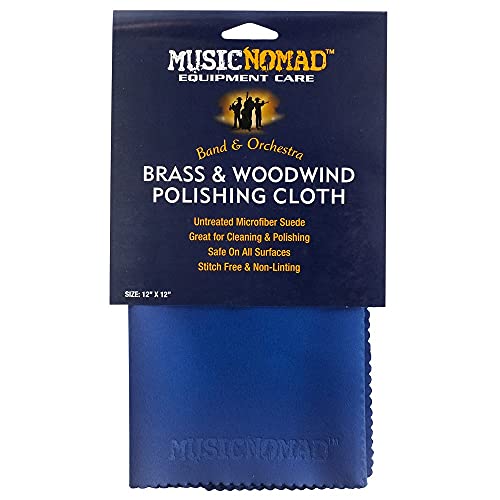
Pros
- Ultra-dense microfiber construction for effective cleaning
- Stitch-free and non-linting design prevents surface damage
- Affordable at under $7
Cons
- Not a home decor product - designed for musical instruments
- No customer reviews available to verify performance
- Small specialized cloth not suitable for furniture or general household cleaning
This product appears to be misclassified. The MusicNomad MN730 is a specialized cleaning cloth designed specifically for brass and woodwind musical instruments, not for home decor or household use.
While the microfiber technology is impressive with 90,000 fibers per square inch, this cloth is engineered for polishing trumpets, saxophones, clarinets, and similar instruments. It's sized and treated for musical instrument care, not for cleaning furniture, mirrors, or decorative items in your home.
If you're looking for a home decor item, this isn't the right product. If you need instrument care supplies, check the musical instrument section on Amazon.
Styles it works with: This is not a home decor product
Best placed in: Music room, instrument case, or practice space - only if you own brass or woodwind instruments
May not suit: Any home decor application, general household cleaning, furniture care, or use as a decorative textile
Buy it if:
- You own brass or woodwind instruments that need regular polishing
- You're a musician looking for scratch-free instrument care
- You need a lint-free cloth for delicate instrument finishes
Consider waiting if:
- You're unsure whether this is the right cleaning product for your specific instrument
Skip it if:
- You're looking for home decor items, furniture cleaning cloths, or household textiles
- You don't own musical instruments
Check the latest price and availability on Amazon before it sells out.
Frequently Asked Questions
Can you clean brass door hardware without removing it?
Yes. Tape off a 1-inch border around the piece to protect the surrounding wood, apply polish sparingly, and work top to bottom so drips fall onto unfinished areas. In-place cleaning every few months keeps knobs bright without any tools.
Does toothpaste clean brass?
It depends. Plain white toothpaste has a mild abrasive that lifts light tarnish on solid brass, but whitening or gel formulas can scratch it. Rinse fully afterward, and skip toothpaste entirely on plated or lacquered hardware.
Will vinegar damage brass?
No, not in short contact. A salt, flour, and vinegar paste cleans solid brass in about an hour, but leaving acid on longer keeps eating the metal. Always rinse thoroughly and dry the piece completely.
How often should I clean brass door hardware?
It depends on the finish. Lacquered brass needs only a soap-and-water wipe a few times a year. Unlacquered brass on a high-touch door tarnishes faster, so a monthly cloth wipe stops it from building black film.
Can you clean lacquered brass with polish?
No. Polish can’t reach metal sealed under an intact clear coat, and abrasives cloud the lacquer itself. Use mild soap and water instead. Reach for polish only once the lacquer has worn away and bare metal darkens.
What’s the safest thing for brass-plated hardware?
A treated microfiber cloth. Plating is only a few microns thick, so skip abrasives, pastes, and steel wool entirely. Wipe gently, buff dry, and stop the moment you see the base metal beginning to show through.
Does clear lacquer really prevent tarnish?
Yes. A fresh lacquer coat can block tarnish for two to three years on a low-touch surface. It wears faster on doorknobs you grab daily, where a paste wax reapplied every few months holds up better.
Bottom Line
Check the metal before you touch it: a magnet that sticks means plated hardware that can’t survive an abrasive, and a bright even shine usually means lacquer that only wants soap and water. For bare solid brass, a treated polishing cloth worked in small circles handles most tarnished knobs in under 10 minutes, and a monthly wipe keeps it from coming back. If the plating has already worn through to gray steel, no polish will restore it, and replacement is the honest fix.


Write Your Review
No reviews yet. Be the first to share your experience!