

> Editorial Note: I’m Hannah Lin, an Interior Living Researcher who’s spent 9+ years analyzing the home furniture market. This guide draws on BIFMA, GREENGUARD, and FSC certifications, plus owner reviews aggregated from Wirecutter, Apartment Therapy, and the major home design subreddits.
The biggest mistake people make isn’t skipping the deep clean. It’s spraying a harsh degreaser straight onto food-contact shelves and then loading groceries back in before the residue fully dries. Your fridge touches everything you eat, so the method matters as much as the effort. While you’re refreshing the kitchen, it’s a good moment to look at the rest of the house too, from best gallery wall frames to a best console table for entryway, a best large floor mirror, a best wall mirror for living room, and a best table lamp for living room that ties a room together.
How Often Should You Actually Clean It, and Where Do You Start?
Plan a full interior clean every 3 to 4 months, plus a quick wipe of spills the day they happen. Waiting longer lets sticky drips harden and bacteria settle into the shelf seams.
Start by pulling everything out. Yes, everything. Toss anything past its date, then group the survivors on the counter so you can see what you own. This is also the fastest way to catch that jar of something you forgot about six weeks ago.
Next, decide whether shelves are removable. Most modern units use tempered glass shelves rated to hold 20 to 30 lbs each, and they lift out once the drawers below are clear. Let cold glass sit at room temperature for 10 to 15 minutes before washing. Cold tempered glass can crack if it hits hot water fast, so patience here saves you a replacement part.
Set your fridge to its warmest safe setting or unplug it if the job will run past 30 minutes. Keep a cooler with ice packs ready for anything that needs to stay under 40°F. The USDA flags 40°F as the line where perishable food enters the danger zone, so don’t leave dairy and raw protein sitting out through a long session.
Work top to bottom. Gravity pulls crumbs and drips downward, so cleaning the bottom first just means you’ll redo it. Simple order. Big time saver.
What Cleaning Solution Is Safe for Food-Contact Surfaces?
Reach for something food-safe first, not the strongest chemical under your sink. A warm mix of two tablespoons baking soda per quart of water handles most interior grime without leaving a taste or scent behind. It’s gentle on plastic liners and won’t strip the finish.
For odors and sticky residue, a purpose-made fridge cleaner rated food-contact safe does the heavy lifting faster than a DIY mix. These are formulated to break down protein and dairy films that baking soda alone leaves behind. Look for biodegradable, food-contact-safe labeling on the bottle so you’re not scrubbing something questionable near your groceries.
Skip bleach and ammonia on the interior. Both leave fumes that linger in an enclosed, sealed box and can taint food. Vinegar works in a pinch, though its acidity can dull some plastic finishes over repeated use, so dilute it 1:1 with water.
Whatever you pick, apply it to a microfiber cloth rather than blasting the surface. Spraying directly pushes liquid into door-seal channels and light housings where it’s hard to dry. A damp cloth gives you control.
Rinse every treated surface with a second clean, water-only cloth. That rinse step is the one most people skip, and it’s what separates a genuinely clean fridge from one that smells faintly of cleaner for a week.
How Do You Clean the Gaskets, Drawers, and Hidden Spots?
The rubber door gasket is where mold hides. Those accordion folds trap moisture and crumbs, and a standard wipe glides right over them. Fold each pleat open with your fingertip and run a damp cloth or a soft toothbrush along the groove. A cotton swab reaches the tight corners.
Drawers usually pull all the way out. Wash them in the sink with warm soapy water, then dry completely before sliding them back. A wet drawer track breeds mildew within days. Crisper drawers with humidity vents need the vents wiped clear so they actually regulate airflow.
Don’t forget the drip pan and defrost drain. The drain is a small hole at the back-bottom of the fridge interior, and it clogs with debris over time, causing water to pool under the drawers. Flush it with a turkey baster of warm water, or clear the line with a pipe cleaner.
Wipe the interior walls, ceiling, and door bins last. Bins often lift out the same way shelves do. For the light housing and control dials, use a barely-damp cloth and never spray near the electrical parts.
Finish with a dry cloth pass over the whole interior. Trapped moisture is the enemy. Every surface should feel dry to the touch before you plug back in and reload.
How Do You Keep Stainless Steel Exteriors Streak-Free?
Stainless steel shows every fingerprint, and the fix is technique, not muscle. Always wipe in the direction of the grain, those faint horizontal or vertical lines in the metal. Going against it drives grime into the texture and leaves haze.
Use a dedicated stainless cleaner or wipe rather than an all-purpose spray. General cleaners can leave a cloudy film, while stainless-specific formulas add a thin polish layer that resists fingerprints for days. Wipes are handy for handles and the high-touch zone around the water dispenser.
Buff dry with a clean microfiber cloth right after cleaning. Air-drying is what leaves water spots and streaks. Two cloths, one to clean and one to dry, gets you a mirror finish.
For a black stainless or matte finish, go even gentler. These coatings scratch more easily, so avoid any abrasive pad. A soft cloth and a purpose-made product are all you need.
Helpful Picks
These three earned their spot on food-contact safety, owner ratings above 4.5, and how cleanly they rinse without leaving scent or film. The GlowMy spray is the gentle everyday interior option, OhYuk is the food-contact-safe deep-clean pick, and the Weiman wipes handle the stainless exterior.
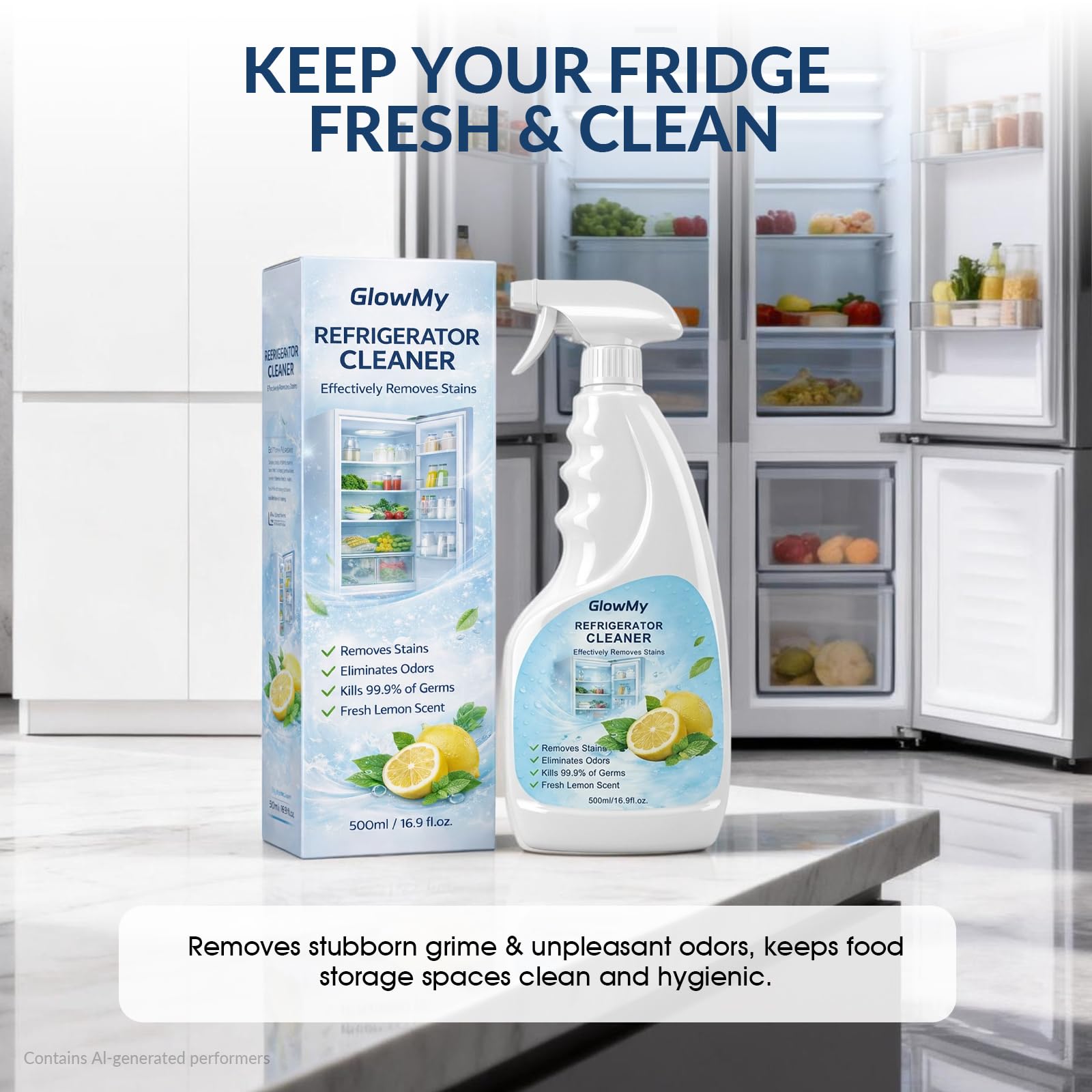

GlowMy Refrigerator Cleaner Spray - Lemon Scented Multipurpose Fridge Cleaner for Stains & Odors
Pros
- Multipurpose formula works on glass, plastic, and other fridge interior surfaces
- Lemon scent freshens without being overpowering near food items
- Targets both visible stains and lingering odors simultaneously
- Dedicated fridge formula avoids the guesswork of diluting all-purpose cleaners
Cons
- At $18.99 it costs significantly more than general all-purpose cleaners that can do similar work
- Only 1 review available, making long-term reliability and effectiveness unverified
- No indication of bottle size, so cost perounce is unclear
If you have ever opened your fridge and been hit by a mystery smell or noticed sticky residue on the glass shelves, you know the frustration. GlowMy's dedicated fridge cleaner takes the guesswork out of which product is safe to spray near your food. The lemon scent is a nice touch that leaves things smelling clean without making your leftovers taste like cleaning product.
What stands out here is the simplicity. Instead of mixing baking soda pastes or worying whether your all-purpose spray will cloud plastic drawers, you grab one bottle and go. It fits naturally into a weekly kitchen routine and keeps your fridge looking and smelling like you just moved in.
If you want a dedicated fridge cleaning solution without mixing DIY concoctions or risking harsh chemicals near food, this one delivers.
Styles it works with: Clean Girl Aesthetic, Minimalist Kitchen, Modern Farmhouse, Any organized home
Best placed in: Under the kitchen sink, in a cleaning caddy, pantry cleaning supply shelf
May not suit: Households that prefer fragrance-free products near food, or buyers who already own a multipurpose cleaner they trust on all surfaces
Buy it if:
- You clean your fridge regularly and want a purpose-built product that is safe on all interior surfaces
- You dislike the smell of vinegar or the mess of baking soda and want a simple spray alternative
- You are particular about keeping food storage areas free from harsh chemical residue
Consider waiting if:
- You want to see more verified reviews before committing to a newer brand
- You are hoping for a multi-pack or larger bottle option for better value
Skip it if:
- You already have an all-purpose cleaner that works well on fridge surfaces and see no reason to buy a specialty product
- You prefer unscented cleaners and the lemon fragrance is a dealbreaker
Check the latest price and availability on Amazon before it sells out.

Weiman Stainless Steel Cleaner Wipes 30 Count - Anti-Fingerprint Polish for Appliances, Chrome & Grills
Pros
- Streak-free shine with minimal effort on all stainless surfaces
- Anti-fingerprint coating visibly reduces smudge buildup between uses
- Versatile enough for kitchen appliances, bathroom fixtures, and outdoor grills
- Strong 4.7 rating across over 40,000 reviews signals consistent reliability
- Compact canister stores easily under the sink or in a cleaning caddy
Cons
- 30 wipes may run out quickly in homes with many stainless steel surfaces
- Not suitable for brushed or matte stainless finishes without testing first
- Wipes can dry out if the lid is not sealed tightly after each use
If your kitchen has stainless steel appliances, you know the frustration of wiping down the fridge only to see new fingerprints appear minutes later. Weiman's wipes solve that loop with a formula that cleans and leaves behind a light protective layer, so surfaces stay cleaner longer without constant maintenance.
They work quickly and cleanly. Pull one out, wipe down the surface, and you are done. No spray residue on countertops, no lint from paper towels, no buffing required. The result is a subtle, natural-looking shine that makes your kitchen feel polished without looking artificially glossy.
If you want fingerprint-resistant stainless steel without the hassle of multi-step cleaning routines, this one delivers.
Styles it works with: Modern Minimalist, Contemporary, Industrial, Transitional
Best placed in: Kitchen (refrigerator, dishwasher, oven fronts), bathroom (chrome fixtures and towel bars), outdoor entertaining area (grill exteriors)
May not suit: Homes with exclusively matte or brushed-finish appliances, as the polishing formula is designed for traditional smooth stainless steel surfaces
Buy it if:
- You have multiple stainless steel appliances and want a fast daily touch-up solution
- Fingerprints from kids or guests constantly frustrate you
- You prefer single-product convenience over jugling spray bottles and microfiber cloths
Consider waiting if:
- You need a larger bulk pack for a household with extensive stainless surfaces throughout multiple rooms
Skip it if:
- Your appliances have a brushed or matte stainless finish that requires specialty care
- You prefer fragrance-free cleaning products and are sensitive to scented wipes
Check the latest price and availability on Amazon before it sells out.
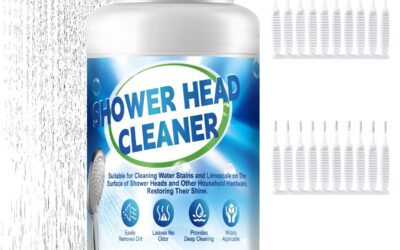
Pros
- Purpose-built for refrigerator interiors with food-contact-safe certification
- No lingering chemical smell after cleaning
- Works on multiple fridge surfaces including glass, plastic, and sealed compartments
- Eco-friendly credentials: biodegradable, vegan, cruelty-free
- Easy spray-and-wipe application for routine cleaning
Cons
- At $19.99 for a single spray bottle, it costs significantly more than general-purpose cleaners
- Heavy or old buildup may require multiple applications and extra dwell time
- Limited to refrigerator use, so you still need other cleaners for the rest of your kitchen
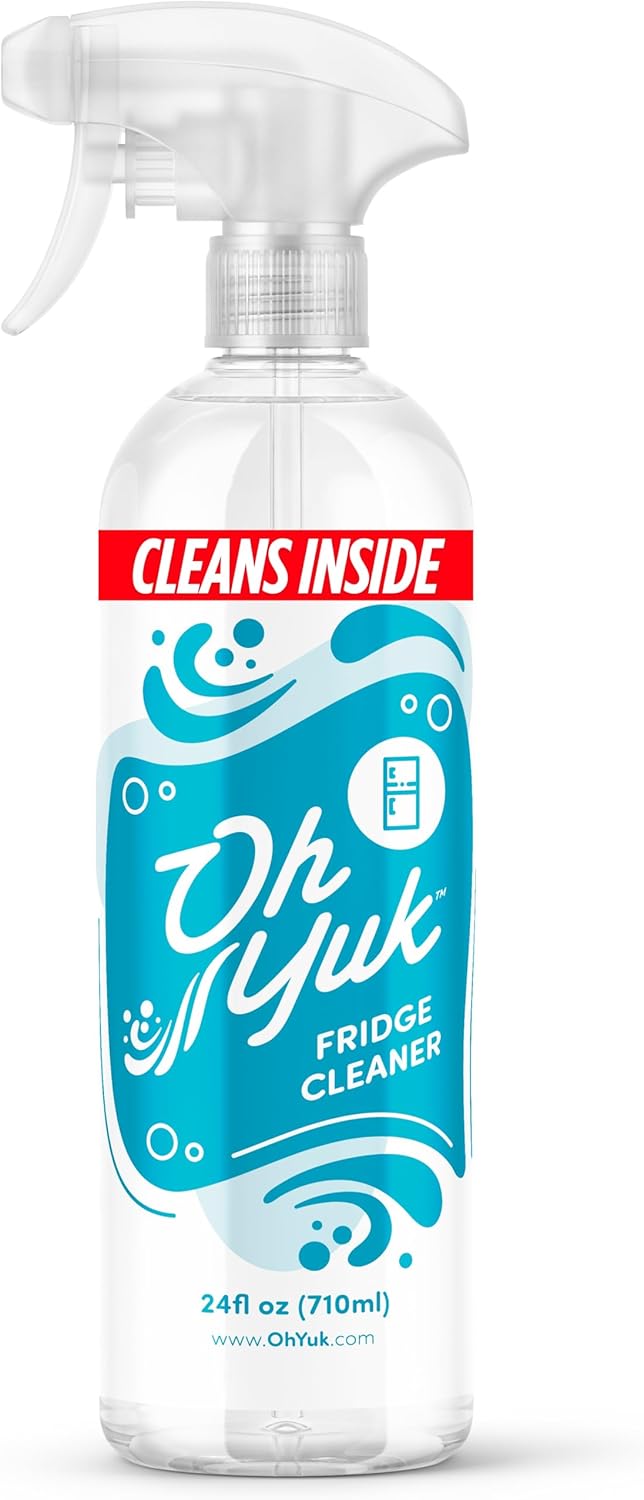
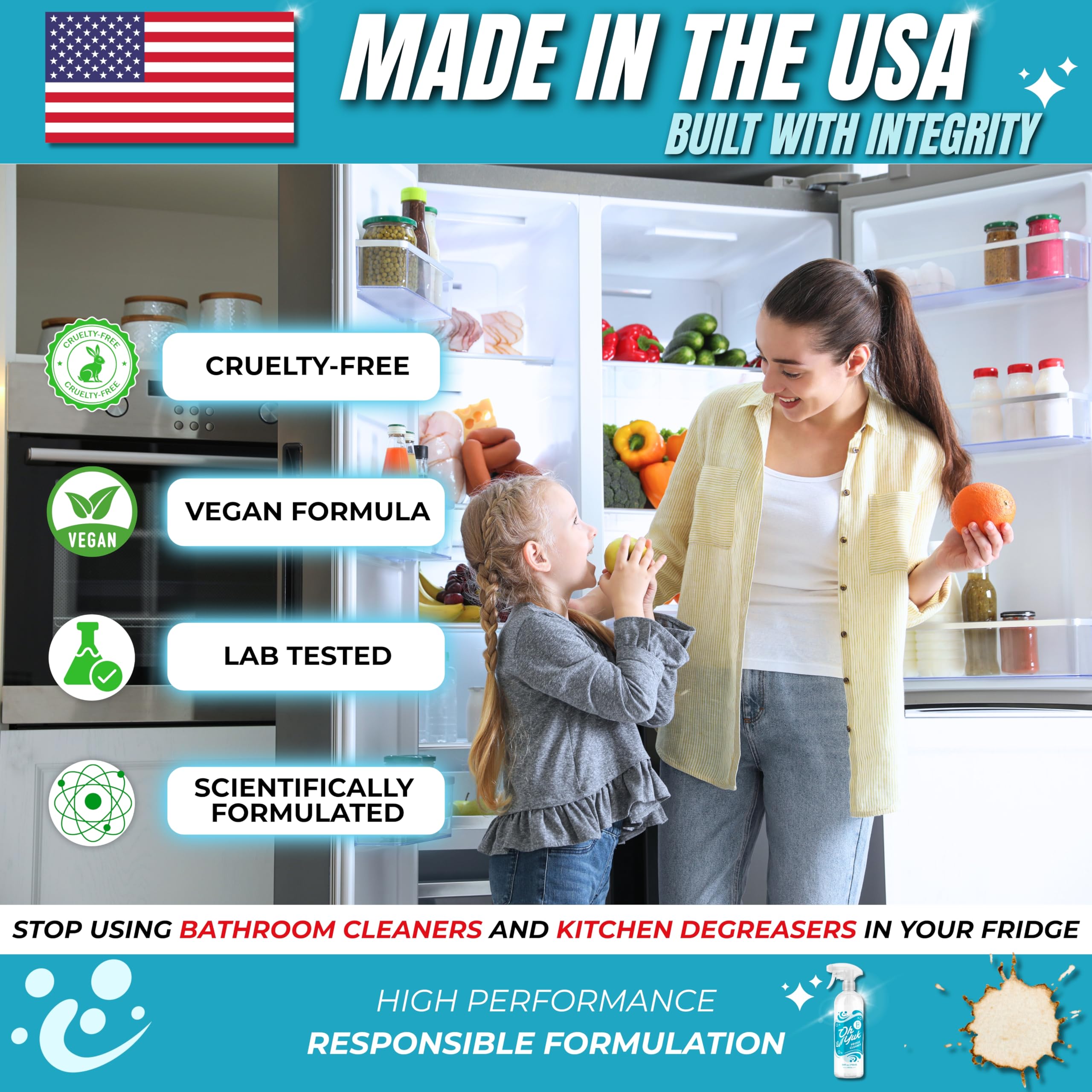
If you have ever opened your fridge and been greted by mysterious sticky spots or dried-on spills that seem permanently bonded to the shelf, Oh Yuk Fridge Cleaner is the kind of targeted solution that actually makes a difference. It is specifically designed for the inside of your refrigerator, which means you can spray it directly on surfaces that touch your food without second-guessing the ingredients list.
What sets it apart from grabing a generic all-purpose spray is the peace of mind factor. The formula is biodegradable, vegan, and cruelty-free, so it fits right into a household that cares about what goes into (and near) their food. It sprays on easily, lifts grime without aggressive scrubbing, and leaves behind a neutral, fresh scent rather than an overpowering chemical smell.
If you want a genuinely food-safe fridge cleaning solution without sacrificing cleaning power, this one delivers.
Styles it works with: Clean-living kitchens, eco-conscious homes, minimalist pantry setups, modern family kitchens
Best placed in: Under the kitchen sink with your cleaning cady, in a utility closet near the kitchen, on a laundry room shelf for easy grab-and-go access
May not suit: Households looking for one all-purpose cleaner to handle every surface, or buyers on a tight cleaning supply budget who prefer multi-use products
Buy it if:
- You want a cleaner specifically certified safe for surfaces that contact your food
- You prefer eco-friendly, cruelty-free products and want your cleaning supplies to match those values
- You are tired of sticky fridge spills that generic sprays leave behind or fail to cut through
Consider waiting if:
- You want to see if a multi-pack or bundle deal becomes available to bring down the per-bottle cost
Skip it if:
- You are comfortable using diluted dish soap or a general all-purpose cleaner on your fridge shelves
- You need a heavy-duty degreaser for oven or stovetop grease, as this is not designed for that
Check the latest price and availability on Amazon before it sells out.
Frequently Asked Questions
Can I use dish soap to clean the inside of my fridge?
Yes. A few drops of mild dish soap in warm water is safe for interior shelves and walls. Rinse with a water-only cloth afterward so no soapy residue transfers to food, and dry fully before reloading.
Is vinegar safe for cleaning refrigerator shelves?
It depends. Diluted 1:1 with water, vinegar cuts grime and odors well on glass and most plastics. Used straight and often, its acidity can dull certain plastic finishes, so keep it diluted and rinse after.
How do I get rid of a bad smell in my fridge?
No single wipe fixes it. Remove the source first, then clean every surface including the gasket and drip pan. An open box of baking soda absorbs lingering odors, and a food-safe fridge cleaner breaks down the dairy or protein film that plain water leaves behind.
Should I unplug the refrigerator before cleaning it?
It depends on how long you’ll take. A quick 15-minute wipe is fine plugged in. For a full deep clean past 30 minutes, unplug it and move perishables to a cooler with ice packs to stay under the 40°F USDA safety line.
Can I put glass shelves in hot water right after removing them?
No. Cold tempered glass can crack from sudden heat. Let shelves warm to room temperature for 10 to 15 minutes first, then wash in warm, not scalding, water. That patience protects a shelf that costs 30 to 60 dollars to replace.
How often should I deep clean the inside of my fridge?
Every 3 to 4 months for a full interior clean, plus same-day wiping of any spill. High-use households with kids may want a monthly quick pass. Regular small cleanups mean the big job never turns into a scrubbing marathon.
Does bleach damage the inside of a refrigerator?
Yes, in a sense. Bleach won’t destroy the plastic, but its fumes linger in the sealed interior and can taint food and odors for days. Stick with food-contact-safe cleaners or a baking soda solution for anything that touches your groceries.




Write Your Review
No reviews yet. Be the first to share your experience!