

> Editorial Note: I’m Hannah Lin, an Interior Living Researcher who’s spent 9+ years analyzing the home furniture market. This guide draws on BIFMA, GREENGUARD, and FSC certifications, plus owner reviews aggregated from Wirecutter, Apartment Therapy, and the major home design subreddits.
The single most common mistake is spraying a harsh acidic cleaner on natural stone and watching it dull the finish within weeks. Grease, water spots, and dried sauce each need a different approach, and the surface material decides everything. Once your backsplash sparkles, a clean wall makes the rest of the room feel finished, whether you’re styling best gallery wall frames, anchoring an entry with a best console table for entryway, adding depth with a best large floor mirror, warming a den with a best wall mirror for living room, or setting the mood with a best table lamp for living room.
What Cleaner Is Safe for My Backsplash Material?
Start with the surface, because the wrong product does real damage. Ceramic and porcelain tile shrug off almost anything, so warm water with a few drops of dish soap handles daily grime. Glass tile and glass sheet backsplashes want a streak-free glass cleaner or a vinegar-water mix at roughly a 1:3 ratio.
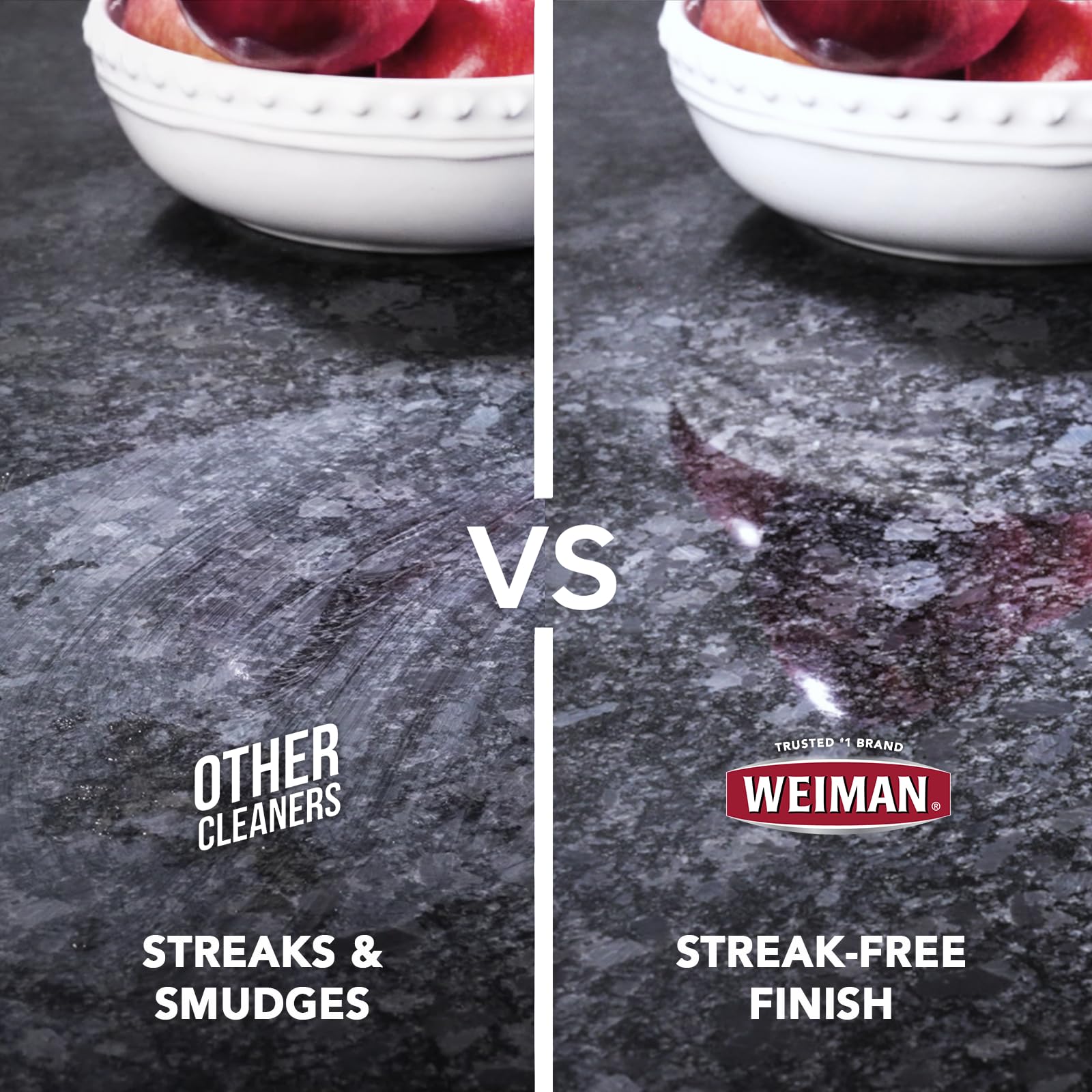
Natural stone is the trap. Marble, travertine, and some granites are calcium-based, and acids like vinegar or lemon etch them permanently. For stone, reach for a pH-neutral stone-safe formula instead. That’s exactly the category the Weiman granite cleaner sits in, which is why it earns its 4.6 owner rating for daily use without stripping the sealer.
Stainless steel backsplashes streak if you circle the cloth. Wipe with the grain, using a microfiber cloth and a dab of dish soap, then buff dry. Peel-and-stick vinyl and painted drywall behind a range are the most delicate. Skip abrasive pads entirely; a soft sponge and diluted soap keep the print and paint intact.
One rule covers all of them. Spot-check any new cleaner on a hidden corner first, wait five minutes, and check for dulling or discoloration before you commit to the whole wall.
How Do I Cut Through Baked-On Grease?
Grease behind a cooktop builds in thin layers, and each cooking session bakes the last one harder. Cold water won’t touch it. Heat and a mild alkaline cleaner do the work, so warm the surface slightly with a hot damp cloth before you start.
Mix a paste of baking soda and water, about three parts powder to one part water, and spread it over the greasy zone. Let it sit for 10 to 15 minutes. The mild alkalinity breaks the fat bonds so you’re wiping, not scrubbing. A soft-bristled brush lifts the residue out of any textured tile face.
For heavier buildup on ceramic or porcelain, a degreasing dish soap in warm water usually finishes the job. Work top to bottom so drips land on dirty tile, not the section you just cleaned. Rinse with a clean damp cloth, then dry immediately to stop new water spots from forming.
Avoid oven cleaner on a backsplash. It’s caustic enough to discolor grout and eat sealers, and the fumes are rough in a closed kitchen. Patience with baking soda beats aggression every time.
Why Does the Grout Look Dirtier Than the Tile?
Grout is porous, so it absorbs grease, moisture, and food splatter that tile simply repels. That’s why a wall can look grimy even after you’ve wiped every tile clean. The dark lines aren’t stains on the surface; they’re absorbed deep in the cement.
A foaming grout cleaner is built for this. It clings to the vertical seams instead of running off, giving the active ingredients time to work. The Zep foaming grout cleaner (4.2 rating) doubles as a protectant, and the GooGone grout and tile cleaner (4.1 rating) targets the mold, mildew, and hard-water film that build up near a sink.
Apply the foam, wait the labeled dwell time, then agitate with a stiff nylon brush or an old toothbrush for tight corners. Work in short strokes along the grout line. Rinse thoroughly, because leftover cleaner residue attracts dust and turns dingy fast.
Here’s the long-game move. Reseal grout every 12 to 18 months with a penetrating sealer that carries a GREENGUARD certification for low emissions. Sealed grout resists absorption, so future cleanups take minutes instead of an afternoon.
How Often Should I Clean and What’s the Fastest Routine?
Frequency beats intensity. A 60-second wipe after cooking prevents the baked-on buildup that forces a two-hour deep clean later. Keep a microfiber cloth and a spray bottle within arm’s reach of the stove so the easy habit stays easy.
Build three tiers into your routine. Daily: wipe the splatter zone behind the burners while the pan cools. Weekly: full-wall wipe with your material-appropriate cleaner, paying attention to the strip just above the counter where crumbs collect. Monthly: hit the grout and any textured tile that traps residue in its face.
Materials guide the tools. ASTM abrasion standards explain why a nylon-bristle brush is safe on porcelain but risky on soft stone or vinyl. Match the brush stiffness to the surface, and always finish with a dry buff to prevent streaks and mineral spots from tap water.
Deep-clean quarterly if you cook often. Pull small appliances off the counter, clean behind them, and inspect the grout for any cracking that lets water reach the wall board.
Helpful Picks
These three cover the jobs most backsplashes need: a pH-neutral daily cleaner for sealed stone and general surfaces, and two grout-focused formulas for the porous seams that hold onto grime. Start with the daily cleaner for routine wipes, then reach for a foaming grout product when the lines darken.

Pros
- Disinfects and polishes in one step, cutting your cleaning routine in half
- Safe for a wide range of sealed stone surfaces including granite, marble, limestone, slate, and glazed tile
- Streak-free formula consistently praised by verified buyers for leaving countertops looking showroom-ready
- Large 24 oz bottle provides lasting value for daily use in busy kitchens and bathrooms
Cons
- Only safe for sealed stone surfaces, so unsealed or unfinished natural stone is off-limits
- Contains chemicals that cause moderate eye irritation and require careful handling, which may concern households with young children or sensitive individuals
If your kitchen or bathroom countertops are the centerpiece of your space, keeping them spotless is a daily challenge. Weiman's Granite Daily Cleaner does something most cleaners cannot: it disinfects at the same time it polishes, so you are not choosing between a germ-free surface and a glossy one. That combination is genuinely rare at this price point.
What stands out in everyday use is how the formula enhances the natural veining and color of stone rather than leaving a filmy residue. Spray it on, wipe it off, and the granite or marble looks like it was just installed. For homeowners who invested in natural stone, that kind of daily reinforcement of their countertop's beauty is hard to put a price on.
It also fits naturally into a cleaning routine because it is designed for daily use. There is no need to rotate in a separate disinfectant or worry about overuse damaging the surface. If you want sparkling, germ-free stone countertops without the hassle of a multi-product routine, this one delivers.
Styles it works with: Modern Farmhouse, Contemporary, Transitional, Minimalist
Best placed in: Kitchen countertops with granite or quartz surfaces, master bathroom vanities with marble or stone, guest bathroom with glazed tile or sealed slate
May not suit: Homes with entirely laminate or butcher block countertops where stone-specific formulas are unnecessary, or households seeking a fully fragrance-free cleaning product for allergy-sensitive environments
Buy it if:
- You have sealed granite, marble, quartz, or stone countertops in the kitchen or bathroom and want one product that cleans, shines, and disinfects daily
- You are tired of switching between a surface cleaner and a separate disinfectant spray and want to simplify your routine
- You want to protect the long-term appearance of expensive natural stone without investing in professional cleaning services
Consider waiting if:
- You prefer to buy multi-packs for bulk savings and want to compare the per-ounce cost against bundled options first
Skip it if:
- Your countertops are unsealed natural stone, wood, laminate, or enginered surfaces that are not listed as compatible with this formula
- You require a fragrance-free or chemical-minimal cleaner due to household sensitivities or allergies
Check the latest price and availability on Amazon before it sells out.

Zep Plus Grout Foaming Cleaner 32oz - 2-in-1 Clean & Protect Formula for Tile Floors, Backsplash & Tinted Grout
Pros
- 2-in-1 formula cleans and protects grout in one step, saving effort
- Foam consistency clings to vertical surfaces better than liquid alternatives
- Gentle formulation safe for tinted grout and frequent use
- Creates protective barrier that extends time between deep cleanings
- Versatile for use on floors, backsplashes, and shower tile
Cons
- No customer reviews yet to verify real-world performance claims
- May require multiple applications for heavily stained or neglected grout
- Foam format uses product faster than concentrated liquid cleaners
This is one of those products that makes routine home maintenance actually manageable. Instead of scrubbing grout lines on your hands and knees every few weeks, Zep Plus does double duty by cleaning away grime while leaving behind a protective layer that keeps dirt from settling back in. The foam formula is surprisingly smart for real-world use since it actually stays where you spray it on backsplashes and shower walls instead of running down into puddles.
What sets this apart is the gentle formulation. If you have tinted or colored grout (increasingly popular in modern kitchens and bathrooms), harsh bleach cleaners can strip the color over time. This one is safe for regular use without that worry. The protective barrier it leaves behind means your freshly cleaned grout stays cleaner longer, so you are not constantly re-cleaning the same spots.
If you want consistently clean grout lines without dedicating your weekends to scrubbing or damaging your tinted grout with harsh chemicals, this one delivers.
Styles it works with: Modern, Contemporary, Transitional, Farmhouse (any style with tile surfaces)
Best placed in: Kitchen backsplash areas, bathroom shower walls and tub surrounds, entryway or mudroom tile floors, laundry room utility sinks
May not suit: Homes without tile or grout surfaces, spaces with natural stone that requires specialized pH-neutral cleaners, outdoor tile exposed to weather (formula designed for interior use)
Buy it if:
- You have tinted or colored grout that needs regular maintenance without harsh bleach
- You are tired of liquid cleaners running off vertical backsplashes before they can work
- You want a low-effort way to keep tile and grout looking fresh between deep cleans
- You prefer gentle formulas safe for frequent use in kitchens and bathrooms
Consider waiting if:
- You need to see verified customer reviews before trying a newer product
- You are looking for a heavy-duty stain remover for severely neglected grout
Skip it if:
- You do not have tile or grout surfaces that need regular cleaning
- You prefer concentrated liquid cleaners that last longer per bottle
- Your surfaces are natural stone requiring specialized pH-balanced products
Check the latest price and availability on Amazon before it sells out.

Pros
- Effectively removes tough buildup from mold, mildew, soap scum, and hard water without harsh scrubbing
- Safe on multiple surfaces including ceramic, porcelain, natural stone, and fiberglass
- Ready-to-use spray formula requires no mixing or dilution
- Made by trusted Goo Gone brand known for effective cleaning products
- 28 oz bottle provides good coverage for multiple bathroom deep cleaning sessions
Cons
- May require light scrubbing on extremely neglected grout despite claims of minimal effort needed
- No customer reviews available yet to verify real-world performance claims
- Single bottle may not be enough for whole-house tile cleaning projects
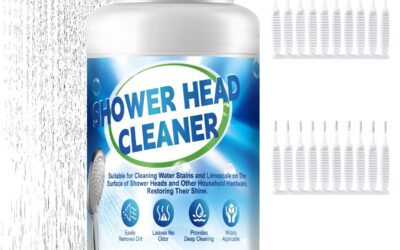
If you've ever avoided deep cleaning your shower because scrubbing grout lines feels like a weekend-ruining chore, this cleaner changes that equation. The spray-on formula does the heavy lifting by penetrating into porous surfaces where soap scum and mildew actually live, not just sitting on top like all-purpose cleaners. You spray, wait a few minutes, give it a light wipe, and suddenly your tile looks like it did when you moved in.
What makes this especially valuable for home decor enthusiasts is that it's safe on natural stone and high-end tile finishes. You can refresh your travertine backsplash or marble shower without worrying about etching or discoloration. The 28 oz bottle is sized right for tackling a full bathroom or kitchen backsplash project without running out mid-job, and the fresh scent means your space smells clean rather than like you just unleashed industrial chemicals.
If you want professional-level grout cleaning results without spending your Saturday on your knees with a toothbrush, this one delivers.
Styles it works with: Any home with tile or grout surfaces, particularly valuable in Modern Farmhouse bathrooms with white subway tile, Spa-Inspired retreats with natural stone, Contemporary kitchens with backsplash grout lines, Traditional homes with ceramic tile floors
Best placed in: Master bathroom showers with years of soap scum buildup, kitchen backsplashes with grease-stained grout, guest bathrooms being refreshed before visitors arrive, mudroom or entryway tile floors with traffic dirt embedded in grout
May not suit: Homes without tile or grout surfaces, spaces needing daily maintenance cleaner rather than deep treatment, households preferring completely natural or fragrance-free cleaning products
Buy it if:
- Your shower grout has turned gray or pink from mold and mildew despite regular cleaning
- You have hard water stains on tile that won't come off with standard bathroom cleaners
- You're preparing to sell or rent your home and need bathrooms to look freshly renovated
- You have natural stone or expensive tile and need a cleaner that won't damage the finish
Consider waiting if:
- You want to read verified customer reviews before trying a new cleaning product
- You need to clean a very large area and want to stock up when multiple bottles go on sale
Skip it if:
- You don't have tile, grout, or stone surfaces that need deep cleaning
- You only need a daily maintenance spray rather than a deep treatment formula
- You require completely unscented or certified natural cleaning products
Check the latest price and availability on Amazon before it sells out.
Frequently Asked Questions
Can I use vinegar on any kitchen backsplash?
No. Vinegar is acidic and etches natural stone like marble and travertine, dulling the finish for good. It’s fine diluted on glass and ceramic tile, but on stone you want a pH-neutral cleaner instead.
Is a magic eraser safe on backsplash tile?
It depends. Melamine foam is mildly abrasive, so it’s safe on glazed ceramic and porcelain but can scratch glossy glass, painted surfaces, and stainless steel. Spot-check a hidden area first, and never use it on sealed stone.

Will baking soda scratch my tile?
Almost never on glazed ceramic or porcelain. Used as a wet paste, baking soda is a gentle abrasive that lifts grease without marring the glaze. On soft stone or polished glass, wipe rather than scrub to stay safe.
How do I get grease off a backsplash without harsh chemicals?
Yes, you can do it with pantry items. A warm baking-soda paste with a 10-minute dwell breaks down baked-on grease, and degreasing dish soap in warm water handles the rest. No caustic oven cleaner needed.
Does grout really need to be sealed?
Yes. Grout is porous cement that absorbs grease and moisture, which is why it darkens faster than tile. Resealing every 12 to 18 months with a low-emission, GREENGUARD-certified sealer keeps future cleanups quick.
Can I clean a peel-and-stick backsplash the same way?
No. Vinyl peel-and-stick panels can’t take abrasive pads or heavy scrubbing without lifting at the edges. Use a soft sponge with diluted dish soap, wipe gently, and dry right away to protect the adhesive.
How often should I deep-clean my backsplash?
It depends on how much you cook. Frequent cooks should deep-clean quarterly, pulling appliances aside and hitting the grout, while lighter kitchens can stretch to twice a year. A quick daily wipe keeps the deep cleans short either way.




Write Your Review
No reviews yet. Be the first to share your experience!