

> Editorial Note: I’m Hannah Lin, an Interior Living Researcher who’s spent 9+ years analyzing the home furniture market. This guide draws on BIFMA, GREENGUARD, and FSC certifications, plus owner reviews aggregated from Wirecutter, Apartment Therapy, and the major home design subreddits.
Most people ruin a jute rug the same way: they clean it with water. A steam cleaner or a wet mop leaves brown watermarks that set into the fiber and won’t blot back out. Jute is a plant fiber that drinks moisture like a sponge, so it plays by different rules than the machine-washable runner by your door or the throw pillows on your best fabric sofa. Keep it dry, pair it with a proper best area rug pad beneath your best area rug for living room, and think about placement first — a jute rug belongs in a low-spill zone, not under the drink-heavy corner of a best sectional sofa or the dusty base of a best tv stand for 65 inch tv.
Why Water Is the Enemy of Jute
Jute comes from the stalk of the Corchorus plant, and like all cellulose fibers it’s wildly absorbent. Soak it and two things happen. The fibers swell and lose their twist, which makes the rug feel stiff and hairy once it dries. Worse, water pulls natural sugars and tannins to the surface as it evaporates, leaving tan or brown rings called cellulosic browning. Those rings are permanent on most rugs.
That’s why the whole cleaning routine flips from what you’d do on a synthetic. No steam cleaning. No soaking. No dragging it into a bathtub. Wirecutter’s rug guides and Apartment Therapy both flag natural-fiber rugs as spot-clean-only for exactly this reason.
Your everyday toolkit is dry: a suction vacuum, a stiff dry brush, and baking soda for odors. When you do need moisture for a stain, you’re talking about a barely-damp cloth, not a spray bottle emptied onto the rug. Think teaspoons, not cups. If a jute rug carries an OEKO-TEX or FSC label, that speaks to fiber and dye safety, not water tolerance — the browning risk is identical regardless of the certification. Treat every jute rug as if water itself is a stain, and you’ll dodge 90% of the damage people cause themselves.
How to Vacuum Without Shredding the Fibers
Vacuuming is 80% of jute care, and it’s also where people quietly destroy their rug. The culprit is the beater bar — that spinning brush roll grabs jute’s loose weave and rips fibers loose.
Switch your vacuum to bare-floor or suction-only mode, the setting that lifts the brush roll off the surface. Run it at low-to-medium suction. Vacuum in the direction of the weave first, then across it, once a week for a living-room rug that sees daily foot traffic.
New jute sheds. A lot. For the first three to six weeks you’ll pull up loose fibers every session, and that’s normal for a handwoven natural rug, not a defect. Shedding slows to almost nothing after the break-in period.
Flip the rug and vacuum the back every month or so. Grit works its way through the weave and sits against the floor, and that trapped sand acts like sandpaper every time someone walks across it. Pulling it out from below roughly doubles the rug’s lifespan. Skip the rotating brush attachment on the handheld, too. Straight suction only, every time.
How to Spot-Clean a Spill Before It Sets
Speed matters more than technique here. You’ve got maybe 60 seconds before a liquid soaks past the surface.
Grab a dry white cloth or paper towel and blot straight down. Press, lift, move to a clean section, repeat. Don’t rub — rubbing drives the spill deeper and frays the fiber. For a solid or semi-solid mess, scoop it up with a spoon edge first, working from the outside of the spill toward the center so you don’t spread it.
If blotting alone won’t lift it, mix one teaspoon of mild dish soap into a cup of cool water. Dip a cloth, wring it until it’s just damp, never wet, and blot the stain. Follow with a second cloth dampened in plain water to lift the soap residue.
Now the step everyone skips: dry it immediately. Aim a fan or a hair dryer set to cool at the damp spot until the fiber is bone dry, usually 20 to 30 minutes. That’s what prevents the watermark ring. Leftover moisture is what causes browning, so racing the rug to dry is the entire game. For a grease spot, sprinkle cornstarch, wait 15 minutes, then vacuum it up.
When to Deep Clean or Call in a Pro
For odor (pet smells, mustiness, a kitchen rug that’s absorbed cooking smells), baking soda is your friend. Sprinkle it generously across the dry rug, let it sit at least 30 minutes, then vacuum it all up. Overnight works for stubborn smells. It’s dry, it’s cheap, and it won’t risk browning.
For an all-over refresh, use a dry carpet shampoo powder made for natural fibers. You work the powder in, let it absorb dirt, then vacuum. No liquid involved.
Rotate the rug 180 degrees every three to six months so foot traffic and sunlight fade it evenly. A quality rug pad underneath also cuts abrasion and stops the rug from sliding.
Call a professional when a stain covers more than a dinner-plate-sized area, when you’ve got a set-in pet accident, or when the whole rug needs freshening and you’re nervous about the water. Ask specifically for a low-moisture or dry method built for natural fibers. If a cleaner wants to steam or wet-wash your jute, find a different cleaner. That single mistake ruins more jute rugs than all the spills combined.
Helpful Picks
If you’re shopping for a jute rug that’ll survive this routine, prioritize a tight braid or herringbone weave (both shed less and hide grit) plus a 4.0-or-higher owner rating. The HOMEMONDE braided jute (4.4 stars) is the most forgiving in high-traffic rooms; the CAMILSON herringbone (4.3) is rated for indoor-outdoor use, so it tolerates the occasional damp better than most; the S & L Homes jute-cotton blend (4.0) is the softest underfoot.
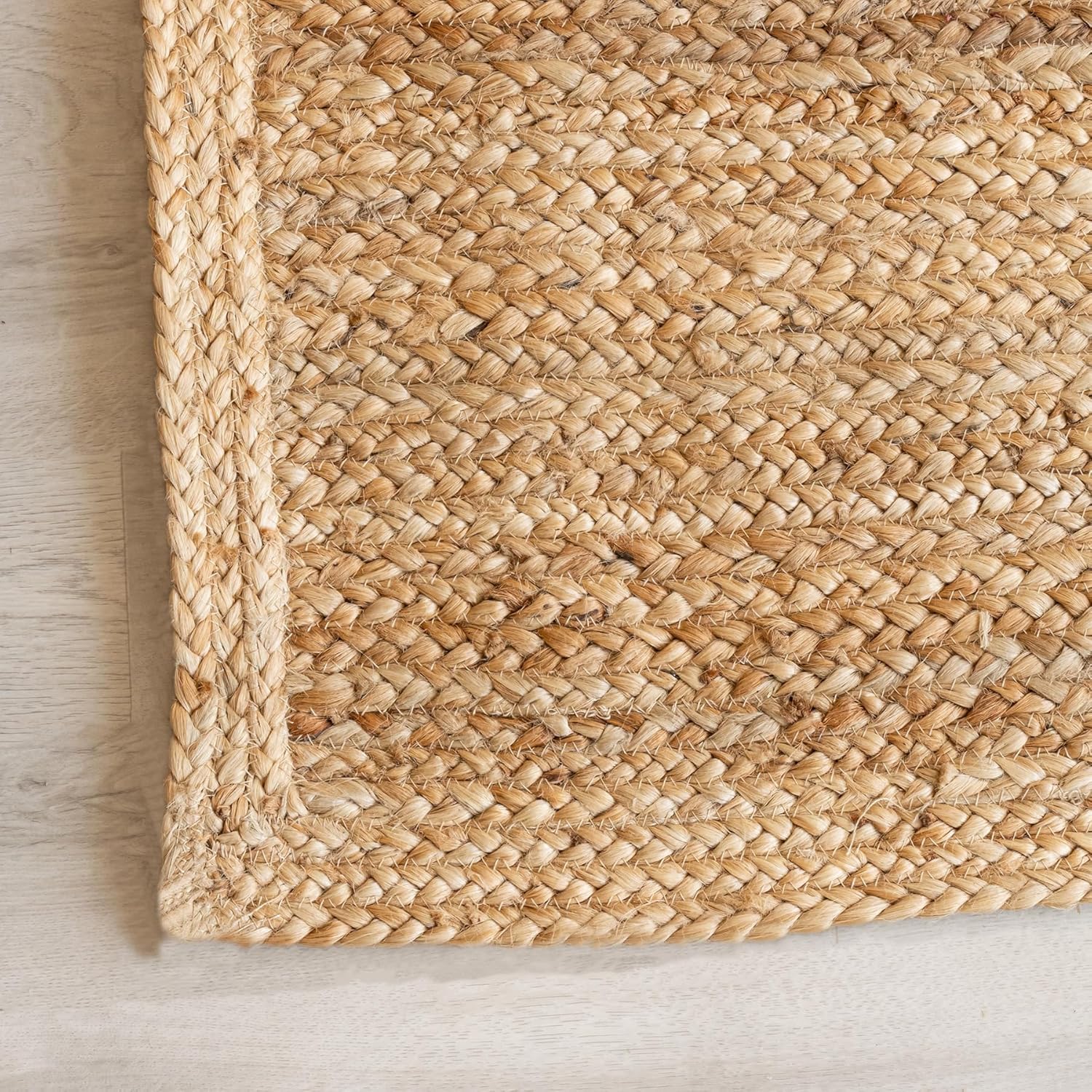

HOMEMONDE 8x10 Handwoven Jute Area Rug - Natural Braided Farmhouse Boho Carpet for Living Room & Bedroom
Pros
- 100% natural jute that is biodegradable and sourced from sustainable plants
- Braided texture adds durability and a handcrafted look that works with multiple decor styles
- Thin profile at 0.5 inches fits under furniture and doors without creating trip hazards
- Reversible construction lets you extend usable life by flipping the rug
- Easy maintenance with simple vacuuming and spot cleaning
Cons
- No customer reviews yet to verify real-world durability and shedding over time
- Jute can feel rough underfoot compared to softer wool or synthetic rugs
- Natural fiber may not hold up well in moisture-prone areas like bathrooms or mudrooms
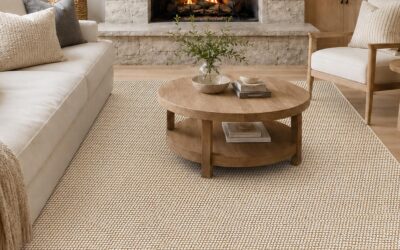
This rug solves the problem of finding something natural and substantial that does not cost $500 or look like every other jute rug on the market. The braided texture gives it a handmade quality that feels intentional in a living room or bedroom, not like you grabbed the cheapest thing to cover your floors. It is thick enough to feel grounded under a coffee table or at the foot of a bed, but thin enough that it will not jam your doors or make furniture wobble.
Jute gets a reputation for being scratchy, and this one will not feel plush like a shag rug, but the braided construction softens the texture just enough for everyday bare feet. It hides dirt surprisingly well, which matters if you have kids, pets, or just live in your space instead of staging it. The natural tan works with nearly everything without fading into the background like beige often does.
If you want a rug that looks expensive and eco-friendly without babying it or spending three figures per room, this one delivers.
Styles it works with: Modern Farmhouse, Boho, Coastal, Scandinavian
Best placed in: Under a coffee table in the living room, anchoring a seating area, layered under a dining table, or at the foot of a bed in a primary bedroom
May not suit: Homes with crawling babies or toddlers who spend a lot of floor time (jute can be rough on knees), bathrooms or laundry rooms where moisture is common, or formal spaces where you want a soft, plush feel underfoot
Buy it if:
- You are furnishing a rental or first home and need something durable that looks grown-up on a reasonable budget
- You want to define a seating or dining zone in an open floor plan without adding synthetic materials
- You need a large rug that hides pet hair and dirt between cleanings in a busy household
Consider waiting if:
- You want to read verified customer reviews about shedding and long-term durability before committing
Skip it if:
- You need something soft for kids to play on or you walk barefoot constantly and want plush comfort
- Your space gets wet frequently or you need a rug for a bathroom, mudroom, or covered patio
Check the latest price and availability on Amazon before it sells out.

CAMILSON 8x10 Jute-Look Area Rug - Washable Polypropylene Indoor Outdoor Herringbone Boho Rug for Living Room & Patio
Pros
- Machine or hose washable for stress-free maintenance
- Won't shed, scratch, or unravel like real jute rugs
- Suitable for both indoor and outdoor use in covered areas
- Low profile fits easily under furniture and doorways
- Natural color and herringbone pattern work with multiple decor styles
Cons
- No customer reviews yet to confirm long-term durability or comfort underfoot
- Polypropylene feel may not satisfy buyers seeking the authentic texture of natural jute
- Price point is mid-range but untested quality makes value uncertain
This rug solves one of the biggest frustrations with jute rugs: the mess. Real jute sheds fibers, scratches bare feet, and falls apart with moisture. CAMILSON's polypropylene version gives you that same woven, natural look without any of the headaches. The herringbone pattern is understated enough to anchor a room without competing with your furniture.
What makes this especially practical is the washability. Spill coffee? Muddy paw prints? Just hose it down or spot clean with mild detergent. The low pile height means it slides right under your sofa or dining table without creating a tripping hazard, and doors open smoothly over it. It works equally well on a covered patio as it does in your living room, which is rare for rugs in this price range.
If you want the relaxed, organic vibe of jute without constant vacuuming and fiber cleanup, this one delivers.
Styles it works with: Boho, Coastal, Modern Farmhouse, Scandinavian Minimalist
Best placed in: Living room under a coffee table and sofa, dining room under a table for 6-8 people, covered patio or sunroom, open-plan entryway or hallway
May not suit: Formal traditional interiors that need plush texture, uncovered outdoor spaces exposed to rain, homes seeking an ultra-soft rug for bare feet or floor play areas
Buy it if:
- You love the look of jute but are tired of the shedding and maintenance of natural fiber rugs
- You need a durable rug that can transition between indoor and covered outdoor spaces
- You have pets or kids and need something you can easily hose off or spot clean
Consider waiting if:
- You want to see verified customer reviews before committing at this price point
- You prefer to touch and feel the rug texture in person before buying
Skip it if:
- You specifically want the authentic tactile experience of real natural jute or seagrass
- You need a plush, soft rug for a bedroom or cozy reading nook where comfort underfoot is the priority
Check the latest price and availability on Amazon before it sells out.
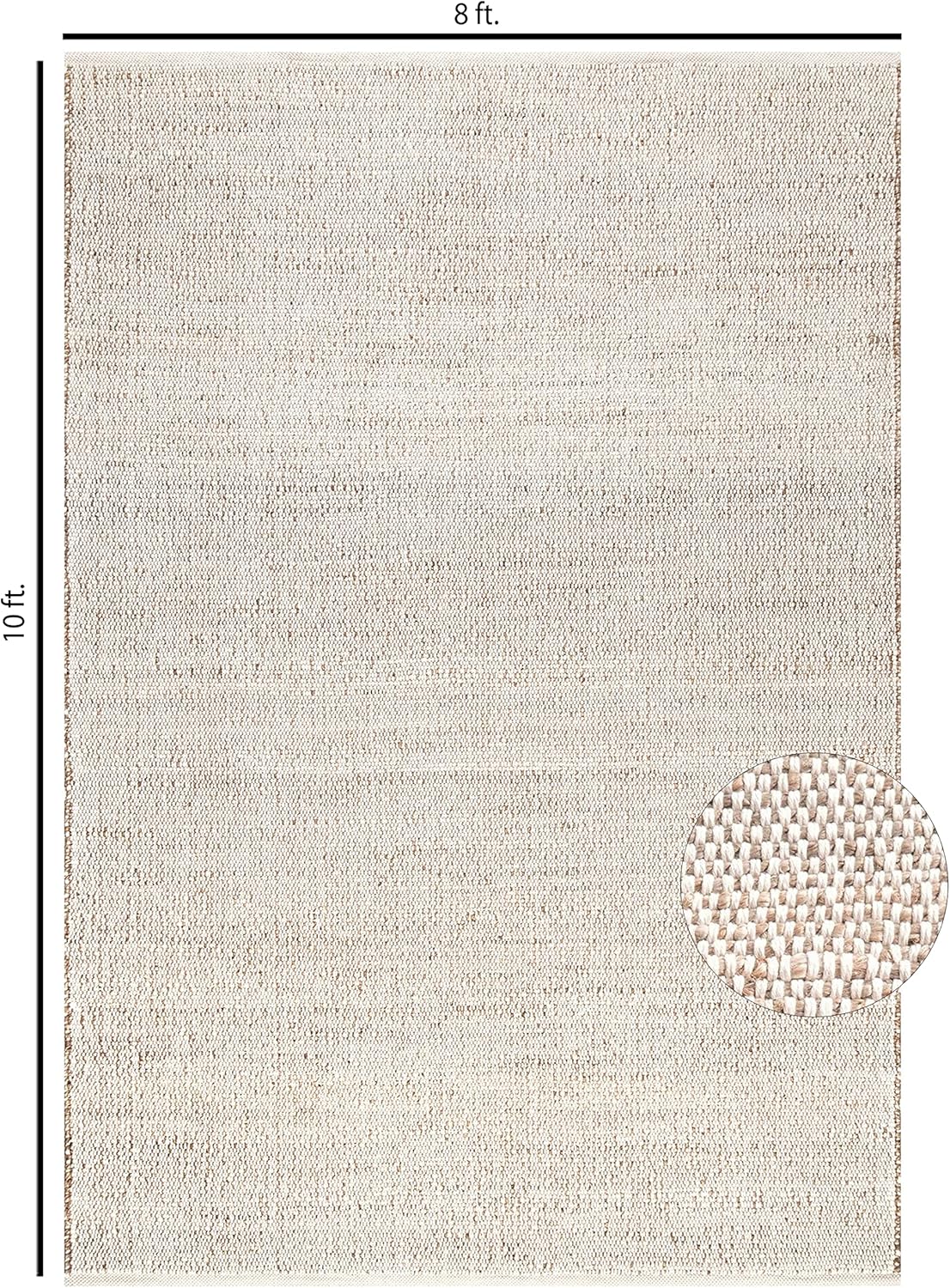
ScandilivinHomes Jute Cotton Area Rug 8x10 Natural - Hand Woven Eco-Friendly Living Room Bedroom Rug
Pros
- Generous 8x10 size ideal for anchoring furniture groupings in medium to large rooms
- Natural fiber blend is durable, eco-friendly, and brings organic warmth to hard flooring
- Hand-woven by artisans means no two rugs are identical, adding character to your space
- Reversible construction helps you get more life out of your investment
- Neutral tone coordinates easily with existing furniture and decor
Cons
- 3.9-star rating from 924 reviews suggests inconsistent quality or unmet expectations for some buyers
- Jute fibers can shed initially and may feel rough underfoot compared to softer materials like wool
- Requires a rug pad (sold separately) for best performance and safety on hard floors
There's something grounding about natural fiber rugs, and this 8x10 jute-cotton blend hits that sweet spot between organic texture and livable softness. The hand-woven construction means you're getting something with real character, not a mass-produced flat weave. It brings that relaxed, earthy vibe to a living room or bedroom without looking too rustic or farmhouse-heavy.
The neutral tone is the kind of foundational piece that works whether you're layering it under a coffee table, anchoring a seating area, or softening up a bedroom. Jute can be scratchy on its own, but the 40% cotton blend takes the edge off while keeping that natural texture intact. At this size and price point, it's a solid middle-ground option if you want something eco-friendly and artisan-made without spending $500+.
If you want a large, natural-fiber rug that adds warmth and texture without dictating your entire design scheme, this one delivers.
Styles it works with: Modern Farmhouse, Scandinavian, Boho, Coastal, Minimalist, Transitional
Best placed in: Living room under a coffee table and seating group, bedroom as a bedside anchor, open-concept space to define zones, home office for warmth under a desk area
May not suit: Homes with allergy sensitivities to natural fibers, high-traffic entryways where shedding could be problematic, spaces where plush softness underfoot is a priority over texture
Buy it if:
- You need an 8x10 rug to anchor a living room or bedroom and want natural, eco-friendly materials
- You appreciate hand-crafted, artisan-made pieces with unique character over perfectly uniform factory rugs
- You're drawn to neutral, organic textures that work across multiple design styles
Consider waiting if:
- You're hoping for a different colorway or size that might become available later
- You want to compare a few more jute-cotton options in this price range before deciding
Skip it if:
- You need a super-soft, plush rug for bare feet (jute blends prioritize texture over softness)
- You have severe allergies to natural plant fibers or dust sensitivity
- You're looking for a rug rated 4.5+ stars with overwhelmingly positive reviews
Check the latest price and availability on Amazon before it sells out.
Frequently Asked Questions
Can you use water to clean a jute rug?
Almost never. A cloth wrung out to barely-damp is fine for a small stain, but soaking, spraying, or steaming forces moisture into the fiber and pulls tannins up as it dries. That’s what creates the permanent brown watermark rings jute is infamous for.
Can you steam clean a jute rug?
No. Steam is concentrated hot moisture, the exact thing jute can’t handle. It swells the fibers, breaks down the natural binding, and all but guarantees browning. If a carpet cleaner offers to steam your jute, decline and ask for a dry or low-moisture method instead.
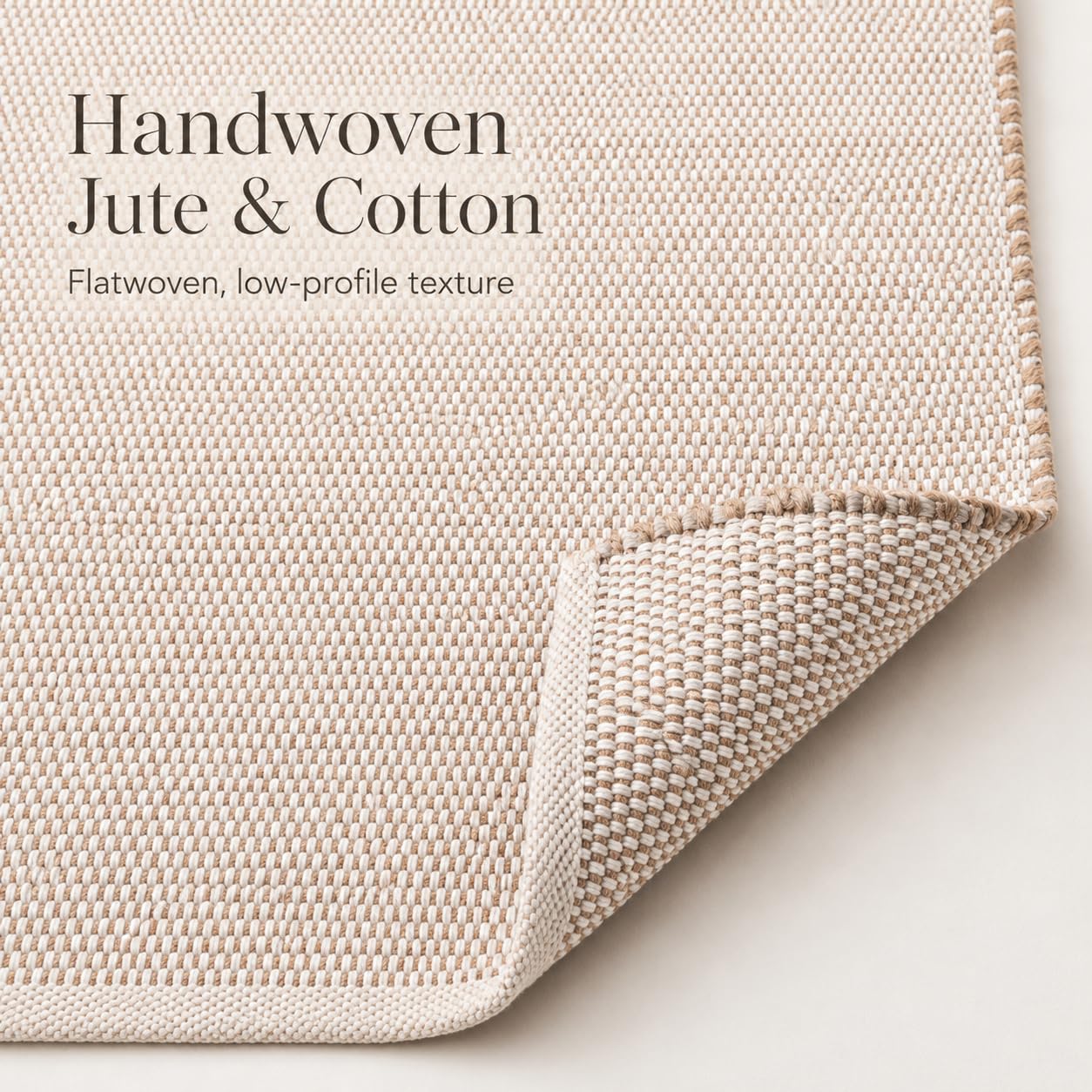
Does a jute rug shed?
Yes, especially when it’s new. Expect loose fibers every time you vacuum for the first three to six weeks. It’s normal for handwoven natural rugs and not a sign of poor quality. Shedding tapers to almost nothing once the rug breaks in.
Can a jute rug get wet or go outside?
It depends on the weave. Standard indoor jute should stay far from rain, bathrooms, and damp basements. Some indoor-outdoor blends, like herringbone rugs rated for patios, tolerate brief moisture and dry faster, though even those last longer under a covered porch.
How do I remove a set-in stain?
It depends on what caused it. Blot with a barely-damp cloth and a drop of mild dish soap, then dry fast with a fan. If it’s already turned brown, that’s oxidized tannin, and it usually won’t fully lift — a pro with natural-fiber experience is your best shot.
Are jute rugs high-maintenance?
No. They’re one of the easier natural fibers to live with if you follow one rule: keep them dry. Weekly vacuuming and fast blotting handle most of the work. The maintenance only gets hard when people treat jute like a washable synthetic.
How often should I clean a jute rug?
It depends on traffic. Vacuum a living-room rug once a week and a low-traffic bedroom rug every two weeks. Blot spills the second they happen, sprinkle baking soda monthly for odor, and rotate the rug every three to six months for even wear.


Write Your Review
No reviews yet. Be the first to share your experience!