

> Editorial Note: I’m Hannah Lin, an Interior Living Researcher who’s spent 9+ years analyzing the home furniture market. This guide draws on BIFMA, GREENGUARD, and FSC certifications, plus owner reviews aggregated from Wirecutter, Apartment Therapy, and the major home design subreddits.
Most people hang curtains too short and too narrow, then wonder why the room looks unfinished. The panels become a decoration when they should be doing a job: blocking light, softening sound, and framing the window. If you’re pulling a room together this year, treat curtains with the same care you’d give a best area rug for living room, a best accent chair, a best floor mirror, a best table lamp for living room, or a best console table for entryway. Here’s how to get the fit, fabric, and function right the first time.
How Long and Wide Should Curtains Be?
Length is where most curtains go wrong. Measure from the rod to the floor, not from the top of the window, because the rod should sit 4 to 6 inches above the frame and about 8 to 12 inches wider on each side. That placement makes the window look taller and lets the panels stack off the glass when open.
For length, you have three honest choices. Floor-kissing panels just brush the floor and read the cleanest. A slight break, where the fabric pools half an inch, is the most forgiving if your floor isn’t perfectly level. A dramatic puddle of 2 to 3 inches extra looks lush but collects dust and snags a vacuum.
Width matters as much as length. For a gathered, full look, add up your rod width and multiply by 2 to 2.5. A 60-inch rod needs roughly 120 to 150 inches of total panel width. Flat, skimpy panels that barely span the window are the fastest way to make an expensive fabric look cheap.
Standard panel lengths run 84, 96, and 108 inches. Buy the next size up and hem if needed. Short curtains can’t be fixed.
Which Curtain Fabric Fits Each Room?
It depends on the job the room asks the curtains to do. Bedrooms want blackout or thermal-lined panels that drop light and dampen street noise. A tight, heavy weave like velvet or a triple-weave blackout blocks the most light and holds warmth against a cold window in winter.
Living rooms have more freedom because you usually want softened light, not darkness. Cotton and cotton-linen blends filter sun into a warm glow and drape with a relaxed, textured fall. Linen looks effortless but wrinkles and lets more light through, so pair it with a liner if the room faces harsh afternoon sun.
Velvet is the quiet overachiever. It insulates, absorbs sound, and blocks light, which is why it works in both bedrooms and formal living rooms. The trade-off is weight: velvet needs a sturdy rod and sturdier brackets.
For high-humidity or sun-flooded rooms, check the label for fade resistance. OEKO-TEX Standard 100 confirms the fabric was screened for harmful substances, a fair floor for anything you’ll live with daily.
Blackout, Thermal, or Sheer: What’s the Difference?
These aren’t interchangeable, and buying the wrong one wastes money. Blackout panels use a tight weave or a coated backing to block 90 to 100% of light, which matters for shift workers, nurseries, and any east-facing bedroom. True blackout also darkens the room enough for daytime naps.
Thermal curtains focus on insulation. A layered or foam-backed panel slows heat transfer through the glass, trimming drafts in winter and heat gain in summer. The Department of Energy notes that well-fitted window coverings reduce heat loss, and thermal panels are the everyday version of that idea.
Sheers do the opposite. They soften and diffuse light while keeping some daytime privacy, but they offer no darkness and no insulation. They shine as a layer, not a solo act.
The smart move in most rooms is layering. Hang sheers on an inner rod for daytime light, then blackout or thermal panels on an outer rod for night. You get privacy, glow, and darkness on demand without committing to one compromise.
What Header Style and Hardware Should You Pick?
The header is the pleat or loop at the top, and it sets both the look and how the curtain moves. Grommet panels slide easily and give clean, even folds, which makes them the low-fuss choice for rooms you open and close daily. Rod-pocket panels look tidy but bunch on the rod and don’t glide, so reserve them for curtains that mostly stay put.
Pinch-pleat and pencil-pleat headers read more tailored and formal. They hold structured folds and suit living and dining rooms, but they need hooks and often a traverse rod. Tab-top panels have a casual, cottage feel and work with lightweight fabrics.
Hardware isn’t an afterthought. A rod should span 8 to 12 inches beyond the frame on each side and mount into studs or solid anchors, especially for velvet or lined panels that can weigh several pounds each. A center support bracket stops sag on any rod over 60 inches.
Match the rod finish to the room’s metals loosely, not exactly. Warm brass with wood tones, matte black with cooler grays.
How Do You Care for Curtains So They Last?
Read the label before you buy, because dry-clean-only panels get expensive fast. Most cotton, polyester, and blend curtains are machine washable on a cold, gentle cycle, then hung damp to shed wrinkles. Velvet and some linens need dry cleaning or careful steaming.
Sun is the real enemy. UV breaks down fibers and fades color over years, and south- or west-facing windows age panels fastest. A liner doubles as UV protection, extending the life of the decorative fabric behind it. Rotating panels between windows evens out fade if you have matching sets.
Dust is the quiet culprit. Curtains trap airborne dust and pollen, so a monthly shake or a quick pass with a vacuum upholstery tool keeps them fresh between washes. Steaming on the rod handles wrinkles without taking everything down.
One habit saves the most grief: buy two panels per window even for a single-panel look, so you have a spare if one fades or tears. Dye lots shift, and matching later is nearly impossible.
Helpful Products
These three panels span the range most rooms need: a true blackout for bedrooms, a light-filtering cotton-linen for living spaces, and an insulating velvet that does double duty. Start with the blackout set if darkness is the priority; reach for the velvet if you want warmth and sound control in one panel.

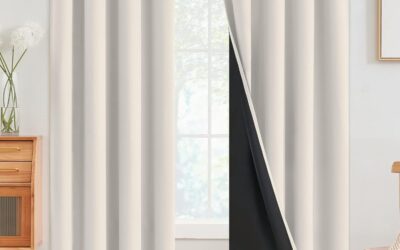
SimpleHome 100% Blackout Curtains 52x84 Inch Cream Thermal Grommet Drapes for Bedroom & Living Room, 2 Panels
Pros
- True 100% blackout performance from triple-weave fabric, not just marketed as room darkening
- Lightweight despite the heavy-weave construction, so panels hang evenly without dragging on the rod
- Grommets fit standard 1.6-inch rods and allow smooth, easy glide when opening and closing
- Wide size range across widths and lengths covers most residential windows including taller walls
- Machine washable with simple cold-water care instructions that hold up over repeated washes
Cons
- Cream color may show dust and light smudges more visibly than darker shades, requiring more frequent washing
- Single hang style means no option for pinch pleat or rod pocket if you prefer a more formal drape look
- Polyester fabric can feel slightly synthetic compared to linen or cotton blends, which may not suit buyers wanting a more textured, organic aesthetic
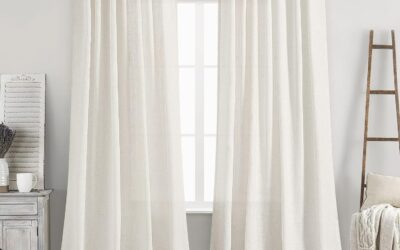
Finding a curtain that actually does what it promises at under $25 for two panels is genuinely rare. The SimpleHome Blackout Curtains earn that claim honestly: the triple-weave construction blocks light completely rather than just dimming it, which makes a real difference when you are trying to sleep past sunrise or create a dark environment for a midday nap or movie.
The cream colorway is one of the smarter choices in this set. It reads warm and soft in person, works as a neutral backdrop in rooms with bold furniture, and avoids the cold, institutional feel that plain white curtains can sometimes bring. The silver grommets add a subtle modern detail that keeps the look polished without being fussy.
Day to day, these curtains are low maintenance in the best way: they slide easily on the rod, go straight into the washing machine when needed, and come out looking neat. If you want complete light control without paying three times the price or sacrificing a clean, room-ready look, this one delivers.
Styles it works with: Modern Minimalist, Scandinavian, Contemporary, and Transitional interiors where clean lines and neutral tones are the foundation.
Best placed in: Primary bedroom windows where light control and sleep quality matter most, living room windows facing east or west where afternoon glare is a problem, and home offices that double as media rooms.
May not suit: Rooms with ornate or traditional decor where a rod-pocket or pinch-pleat style would look more at home. Also less ideal for very large picture windows exceeding 62 inches wide, as you may need to layer multiple panels for full coverage.
Buy it if:
- You need genuine 100% blackout performance for a bedroom and do not want to spend $60 or more for a name brand with the same result
- You are outfitting multiple rooms or windows at once and need a consistent, neutral look across the home without blowing your budget
- You work night shifts or have young children who need to nap during daylight hours and require reliable, total darkness in the room
Consider waiting if:
- You have a specific custom size or a less common color outside of the 10 available options, and want to see if the brand expands its range
Skip it if:
- You prefer natural fiber curtains like linen or cotton and find the feel and drape of polyester a dealbreaker for your space
- Your existing decor calls for a formal pleated or tab-top curtain style that the grommet design cannot replicate
Check the latest price and availability on Amazon before it sells out.

ASPMIZ Cotton Linen Farmhouse Curtains with Buttons - Brown Stripe Boho Drapes, 52x84 Inch, 2 Panels for Living Room
Pros
- High-quality cotton linen fabric feels substantial and looks more expensive than the price
- Versatile 2-in-1 hanging system works with standard rods and offers styling flexibility
- Strong 4.7-star rating across 931 reviews indicates consistent customer satisfaction
- Neutral brown stripe design works with farmhouse, boho, rustic, and transitional interiors
- Easy care with machine washing saves time and dry cleaning costs
Cons
- Light filtering fabric provides privacy but won't block out early morning sun or streetlights for bedrooms needing complete darkness
- Cotton linen material may wrinkle more than synthetic blends and require steaming after washing
- Limited to 2.4-inch rod diameter may not fit oversized decorative curtain rods
These ASPMIZ curtains hit that sweet spot between farmhouse charm and everyday practicality. The cotton linen fabric has real weight and texture, not the flimsy synthetic feel you sometimes get at this price point. Those eight brown buttons on each panel are the standout detail, adding a handcrafted touch that makes your windows look intentionally styled rather than just covered.
What makes these work in real homes is the light filtering quality. They soften bright afternoon sun and give you privacy during the day without making your living room feel like a cave. The neutral brown stripe is genuinely versatile, playing nice with warm woods, white walls, or colorful accent pieces. The dual hanging system is a nice practical touch, letting you switch between a more structured pleated look or loose, casual draping depending on your mood.
If you want farmhouse window style that feels collected over time without spending custom boutique prices, this one delivers.
Styles it works with: Modern Farmhouse, Boho, Rustic, Transitional, Cottage Core
Best placed in: Living room windows, dining room, home office, bedroom (if you don't need blackout), sunroom or enclosed porch
May not suit: Ultra-modern minimalist spaces that need clean lines without texture, bedrooms requiring complete light blocking for shift workers or light-sensitive sleepers, very small windows under 40 inches where the 52-inch width would overwhelm the space
Buy it if:
- You're updating to farmhouse or boho style and want cohesive window treatments that don't break the budget
- You need daytime privacy in a living room or dining room but still want natural light to flow through
- You appreciate decorative details like buttons and texture that add visual interest to neutral spaces
Consider waiting if:
- You need a different length (63-inch or 96-inch options) to properly fit your window height
- You're hoping for a sale price, though $39.99 for two panels is already competitive for cotton linen curtains
Skip it if:
- You need true blackout curtains for a bedroom where light control is essential for sleep quality
- Your decor leans ultra-modern, industrial, or minimalist where textured fabric and button details would clash
Check the latest price and availability on Amazon before it sells out.

RYB HOME Velvet Blackout Curtains 96 inch, Navy Blue, Thermal Insulated Noise Reducing Panels, 2 Pack W52 x L96
Pros
- Plush, heavyweight velvet with a rich vertical drape that looks high-end
- Flexible hanging with rod pocket or back tab options
- Effective thermal insulation and noise reduction
- Generous 96 inch length suits tall windows and floor-to-ceiling looks
Cons
- Blocks only 65 to 85 percent of light, so it is not true blackout for very bright rooms
- Heavy velvet may arrive creased and needs steaming or ironing from the back
- Velvet attracts lint and dust, requiring occasional cleaning
There is something about heavyweight velvet that makes a room feel finished, and these navy panels deliver exactly that. The fabric has real weight to it, so it hangs in those clean vertical folds that read as elegant rather than flimsy. In a living room or bedroom, the deep navy reads rich and grounding, the kind of color that anchors a space without overwhelming it.
Day to day, these earn their keep. They knock back 65 to 85 percent of light for easier naps and glare-free TV time, add a layer of insulation that helps with both summer heat and winter chill, and soften ambient noise so the room feels calmer. The dual rod pocket and back tab options mean you can hang them however your rods are set up.
If you want a plush, formal velvet look with genuine warmth and privacy benefits without paying premium drapery prices, this one delivers.
Styles it works with: Modern Glam, Traditional, Mid-Century Modern, Moody Maximalist
Best placed in: Living room windows, beside the bed, behind a party or photo backdrop
May not suit: Bright bedrooms that need true 100 percent blackout, or casual minimalist spaces where heavy velvet may feel too formal
Buy it if:
- You want a luxe velvet look that elevates a living room or bedroom on a modest budget
- You need added insulation and noise reduction for a cozier, quieter space
- You have tall windows and want a floor-to-ceiling 96 inch drop
Consider waiting if:
- You want a different color or a width that better matches your window measurements
Skip it if:
- You need 100 percent blackout for a nursery or shift-worker bedroom, since these only block up to 85 percent of light
Check the latest price and availability on Amazon before it sells out.
Frequently Asked Questions
How high should I hang curtains above the window?
Hang the rod 4 to 6 inches above the window frame, or higher toward the ceiling in rooms with low ceilings. Raising the rod draws the eye up and makes the window and the whole wall feel taller. Hanging at the frame line is the most common mistake and makes windows look squat.
How wide should curtain panels be?
For a full, gathered look, your total panel width should equal 2 to 2.5 times the rod width. A 60-inch rod needs about 120 to 150 inches of combined panel width. Panels that only span the glass look flat and skimpy, even in a nice fabric.
Do blackout curtains really block all light?
It depends on the fit, not just the fabric. True blackout fabric blocks 90 to 100% of light through the panel, but gaps at the sides and top still leak. For full darkness, oversize the panels, mount the rod wide, and consider a wraparound or ceiling track.
Are thermal curtains worth it?
Yes, in drafty or sun-flooded rooms. A thermal panel slows heat transfer through the glass, cutting winter drafts and summer heat gain. If your energy bills spike seasonally or a room never feels comfortable near the window, thermal or lined panels pay off.
Can I machine wash curtains?
It depends on the fabric. Most cotton, polyester, and blends wash on cold and gentle, then hang damp to release wrinkles. Velvet, some linens, and any panel with a foam blackout backing usually need dry cleaning or steaming instead of a wash cycle.
Should curtains match the wall color or contrast?
It depends on the effect you want. Curtains within a shade or two of the wall make a room feel larger and calmer by blurring the edges. A contrasting color frames the window and adds drama, which works when you want the window to be a focal point.
How many curtain panels do I need per window?
Buy at least two panels per standard window for a balanced look, even if you tie them to one side. For wide windows or sliding doors, plan for enough combined width to reach 2 to 2.5 times the opening. Always buy a spare from the same dye lot.




Write Your Review
No reviews yet. Be the first to share your experience!