

> Editorial Note: I’m Liam Wright, an outdoor and garden editor. I grew up in my family’s landscaping business and now cover what actually survives a season of UV, rain, and freeze-thaw cycles. The picks here are evaluated against ASTM weatherability standards and manufacturer durability ratings.
Most people buy a doormat by pattern first and size second. That’s backwards. Start with door width, swing clearance, climate, and where the mat will sit, then worry about whether it says welcome. The same logic that helps with best patio furniture, outdoor lighting ideas, front porch decor, small patio furniture, and outdoor rugs applies here: measure the space before choosing the look.
What Size Doormat Do You Need for a Front Door?
A doormat should cover about 80% of the door width.
The common apartment size is 18×30 inches. It works for narrow entries, shared hallways, and doors where a larger mat would block traffic. For a standard single front door with more porch room, 24×36 inches is the safer exterior size because it gives people enough surface area to take two full steps. Two steps matter.
Double doors need a wider mat, usually 24×48 inches or larger. If the mat looks like a postage stamp under the door, it won’t do much visually or functionally. Measure the door slab, not the trim, and leave enough porch depth for someone to stand without their heel hanging off the step.
How Thick Should a Doormat Be?
Door swing decides thickness. If your door opens over the mat, choose a low-profile mat under 0.5 inch. Anything thicker can catch the bottom sweep, curl the edge, or stop the door from closing cleanly. Storm doors often have less clearance than the main door, so slide a ruler under the sweep before buying. Not glamorous. Necessary.
For doors that open inward and don’t pass over the mat, thickness is more flexible. Coir mats often sit around 0.6 to 1 inch high, which gives them more scraping power but makes them a poor fit for tight clearances. Rubber mats with molded ridges tend to stay lower while still channeling water away from shoes.
Wirecutter’s home coverage makes the same practical point: fit problems show up after delivery, not in the product photo. Measure the gap first.
Which Doormat Material Is Best for Your Climate?
Rubber, coir, and polypropylene behave differently in real weather. Pick the material for the climate first, then choose the design.
Rubber is the most forgiving option for wet climates, freeze-thaw cycles, and uncovered porches. It doesn’t absorb much water, usually grips well on concrete, and can be rinsed off with a hose. ASTM weatherability standards focus on how materials respond to UV, moisture, and temperature cycling; rubber generally handles those swings better than natural fiber when it’s made for outdoor use.
Coir is the classic stiff coconut-fiber mat. It scrapes mud well and looks good on a covered porch, but it sheds, darkens, and breaks down faster when it stays wet. Use coir where rain hits occasionally, not where the mat sits in standing water after every storm.
Polypropylene is the middle ground. It dries faster than coir, comes in more patterns, and works well in covered outdoor or indoor-outdoor entries. It can flatten over time if the pile is thin, so look for a dense weave and a backing that won’t slide.
Hot sun changes the equation. Dark rubber gets warm on bare feet, while deep grooves can trap water that freezes in winter. Choose open drainage if ice is common where you live.
Should a Doormat Go Inside, Outside, or Both?
Use two mats if your entry gets real dirt: one outside to scrape, one inside to absorb. The outside mat should remove grit, leaves, salt, and mud before the door opens. The inside mat catches the fine dust and moisture that make it past the first layer.
Outside mats need weather resistance and drainage. Rubber grids, raised ridges, and coarse fibers work because they give debris somewhere to go. A flat decorative mat may look cleaner on day one, but it fills up quickly after rain or lawn work.
Inside mats need a lower profile, softer texture, and a backing that won’t mark hardwood, vinyl plank, or tile. Some rubber and PVC backings can discolor finishes if they trap heat or moisture. That’s a floor repair.
For a covered apartment hallway, one indoor-outdoor mat may be enough. For a house with a yard, dog, garden bed, or gravel path, two mats work better. Scrape outside. Dry inside.
How Do You Choose a Doormat That Won’t Slip?
Look for weight, backing texture, and edge design. A mat that slides every time someone steps on it is worse than no mat because it creates a trip point right at the threshold.
ASTM slip-resistance references are usually written for flooring, but the same principle applies: traction depends on contact, surface texture, and moisture. On smooth tile or sealed concrete, a flat-backed lightweight mat can skate across the surface. A heavier rubber mat with a textured underside usually stays put better.
Weight matters more outdoors than most shoppers expect. A 9-lb rubber doormat is harder for wind, pets, and foot traffic to move than a thin printed mat. Beveled edges also help because shoes don’t catch the mat as easily when someone steps onto it from the side.
If your porch slopes toward the yard, avoid mats that hold water in the center. Water adds slip risk and shortens the life of fiber mats. Pick open channels, raised ridges, or a half-circle shape that sheds runoff instead of trapping it against the threshold.
Don’t use a loose rug pad outdoors unless it’s rated for exterior moisture. Wrong tool.
What Style Looks Right With Your Entry?
Match the mat to the door scale, porch material, and house style before choosing a phrase or pattern. A black rubber mat looks sharp against brick and concrete. Natural coir softens painted doors, wood porches, and cottage-style entries. A half-circle mat can make a narrow doorway feel less boxy because the curved edge pulls the eye outward.
Color has a practical side. Light mats show mud faster, while dark mats hide stains but can make a shaded entry feel heavier.
Pattern scale matters too. Small lettering disappears from the sidewalk, while oversized graphics can feel cramped on an 18×30 apartment mat. For most front doors, simple borders, ribbed textures, or woven patterns age better than novelty prints.
Think of the doormat as the first layer of the entry, not the whole entry. Busy porch? Keep the mat quieter.
How Do You Clean and Maintain a Doormat?
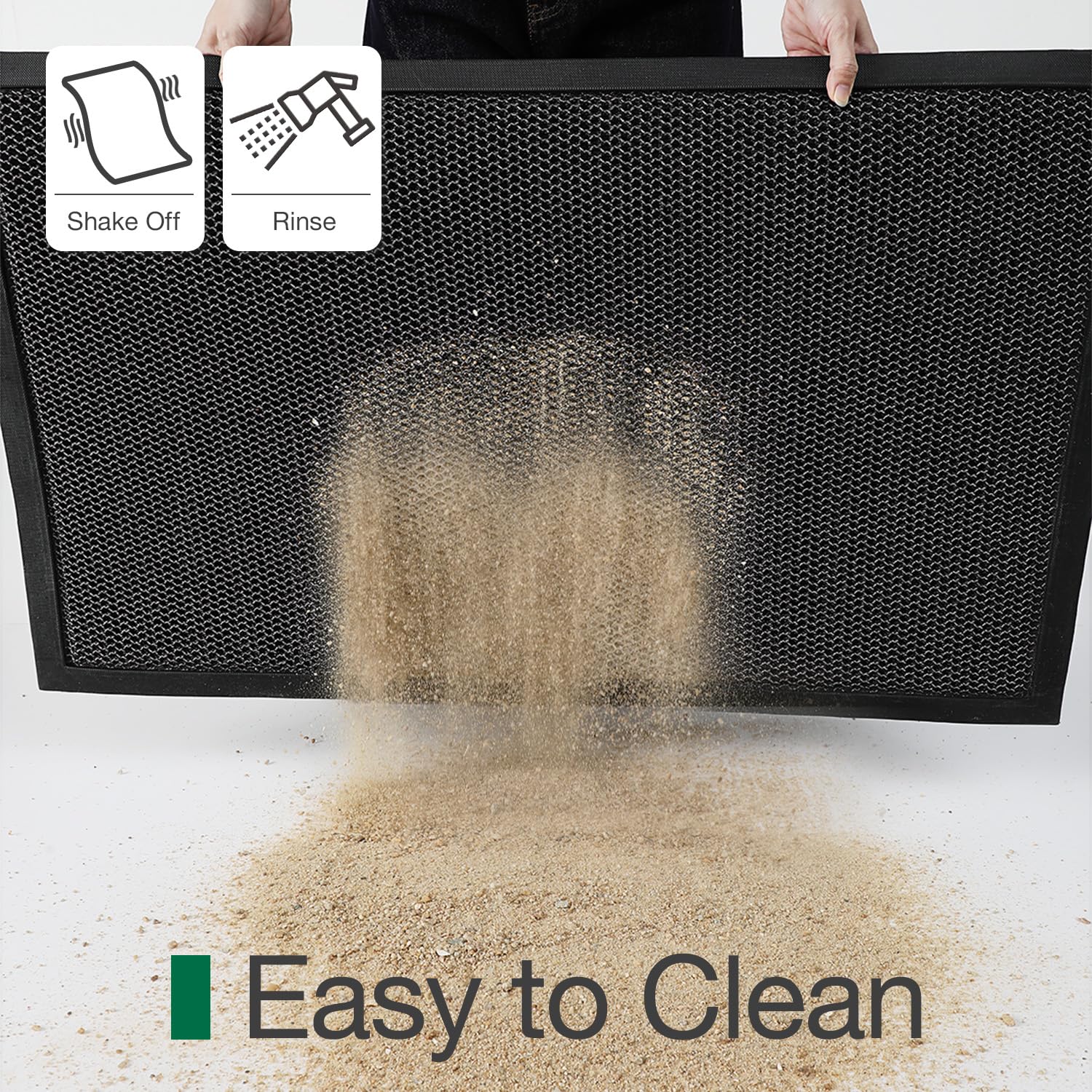
Clean the mat based on material. Rubber mats can usually be shaken, swept, and hosed down. Let them dry flat before putting them back, especially in cold weather where trapped water can freeze overnight.
Coir mats need drier care. Shake them hard, vacuum the surface, and scrape dried mud loose with a stiff brush. Don’t soak coir unless the manufacturer says it’s safe. Once the fibers stay wet, they can smell musty and shed faster.
Polypropylene mats are easier. Shake, vacuum, rinse lightly if needed, and dry in sun when the backing allows it. If the mat has a printed face, avoid aggressive pressure washing because it can lift the design.
Replace a doormat when the edges curl, the backing cracks, or the scraping texture goes flat. A worn mat doesn’t just look tired; it stops pulling grit off shoes. For exposed entries, that can happen in one hard winter. For covered porches, a good mat may last several seasons.
Check it in spring and fall. Two minutes.
Frequently Asked Questions
What is the best size doormat for a standard front door?
A 24×36 inch mat works best for most standard exterior doors. It covers enough width for two full steps and looks proportional under a 36-inch door. Use 18×30 inches for apartments, narrow stoops, or tight shared hallways.
Should a doormat be wider than the door?
No, not for most single doors. Aim for about 80% of the door width, measured from the door slab. Wider can work on double doors or broad porches, but a mat that extends awkwardly into railings, stairs, or walkway edges becomes a trip problem.
Is coir or rubber better for outside?
Rubber is better for uncovered, wet, or icy entries. Coir is better for covered porches where you want strong scraping and a warmer natural look. If the mat will sit in rain, snow, or standing water, choose rubber or a fast-drying synthetic instead.
How thick should a doormat be for a door that swings out?
Keep it under 0.5 inch if the door passes over the mat. Measure the gap under the door sweep before buying. If the sweep catches the edge, the mat will curl, shift, or keep the door from closing smoothly.
Can you use an indoor mat outside?
Almost never. Indoor mats usually aren’t built for UV exposure, heavy rain, or freeze-thaw cycles. The backing can crack, the face can fade, and trapped moisture can lead to mildew. Use an indoor-outdoor mat if the entry is covered but still exposed to damp shoes.
What kind of doormat is best for muddy shoes?
A coarse rubber or coir mat with raised scraping texture works best. For heavy mud, choose an outside scraper mat plus an inside absorbent mat. One decorative low-pile mat won’t remove enough grit from boots, paws, or garden shoes.
How often should you replace a doormat?
Replace it when the surface goes flat, the edges curl, or the backing loses grip. For uncovered entries, that may be every 1 to 2 years. Covered porch mats can last longer if they stay dry and get shaken out regularly.
Helpful Products
The three mats below cover the main entry scenarios: a heavier 24×36 rubber mat for standard exterior doors, a half-circle 17×30 option for tighter entries, and a 23.5×35.5 rubber-backed mat when you want broad coverage without bulk. Start with the larger rubber option if weather is the main problem. Choose the half-circle if clearance and shape matter more.

Pros
- Exceptional stability on tile, concrete, and stone surfaces thanks to genuine9-pound rubber weight
- All-weather durability holds up through rain, snow, and direct sun without degrading
- Lattice drainage design keeps the mat functional even after heavy rainfall or snowmelt
- Easy to clean with just a hose, and it maintains its appearance after repeated washings
- Low-profile thickness clears inswing doors without creating a trip hazard
Cons
- At $57.99 it costs noticeably more than basic polypropylene mats, which may not suit buyers on a tight budget
- The natural rubber scent can be noticeable when first unpacked and may take a few days of outdoor airing to dissipate
- Not ideal for delicate, newly sealed, or freshly finished floors where extended rubber contact is not recommended
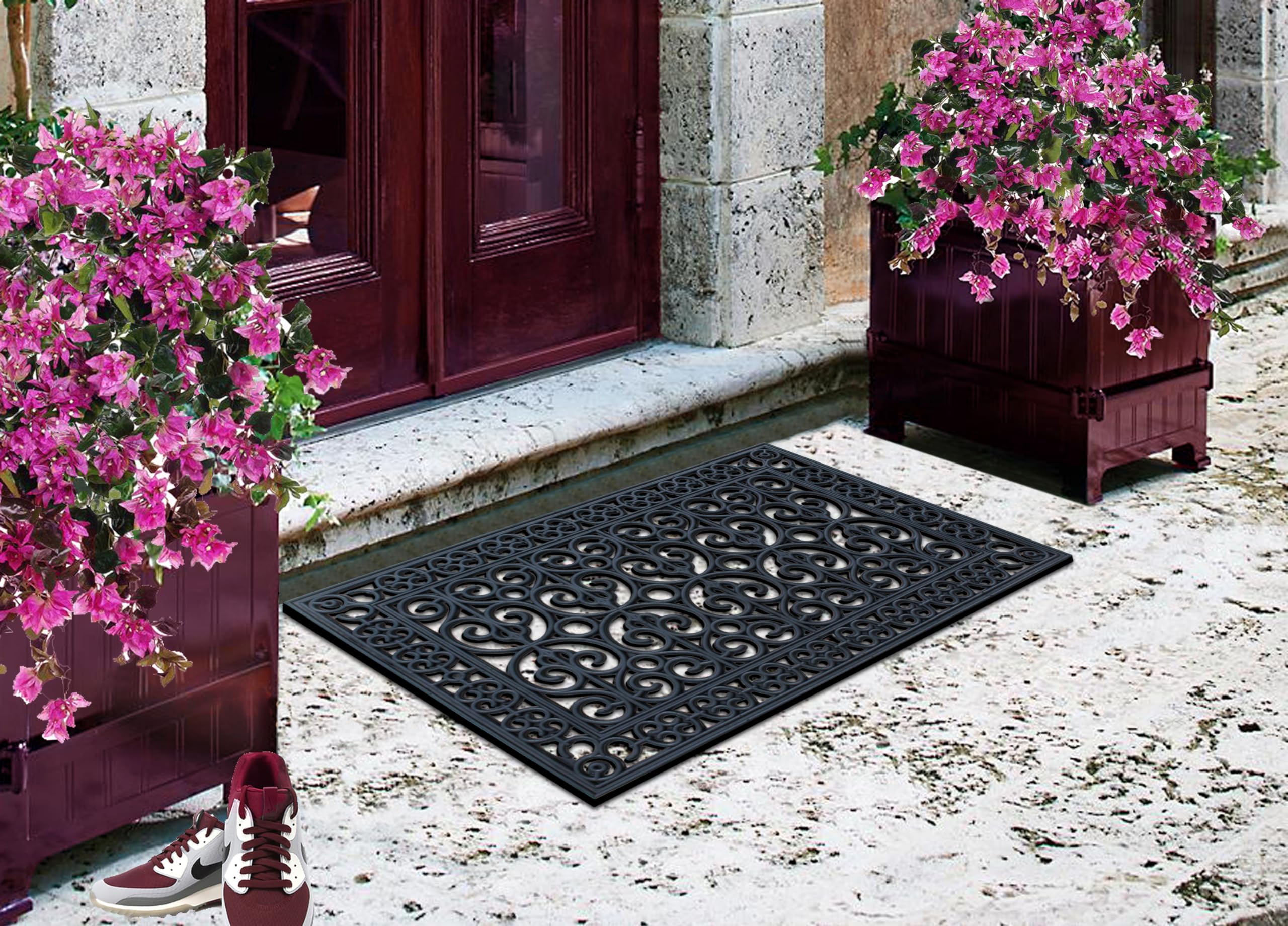
Most dormats are a compromise. They look fine at first, then curl at the corners, blow off the porch in a decent breze, and start shedding fibers by spring. The A1 Home Collections rubber mat takes a completely different approach by simply being heavier, denser, and more purposefully built than anything else in its price range. Nine pounds of solid natural rubber does not need adhesive strips or a secondary mat underneath to stay put.
The open lattice pattern is genuinely clever design rather than just aesthetics. Water drains down through the channels instead of pooling on the surface, and the raised ridges do real work scraping caked mud and grit off boot soles. The 24x36 size covers the full width of a double-door entry without looking cramped, and the low profile means your inswing door clears it without any adjustment.
For everyday living, this mat simply disappears into your routine in the best way possible. Hose it down once a month, shake it off after mudy days, and it looks the same in year two as it did on arrival. If you want a front door mat that genuinely keeps dirt out of your home without demanding any upkeep or replacement, this one delivers.
Styles it works with: Modern Farmhouse, Industrial, Minimalist, Coastal
Best placed in: Front porch entryway, covered back patio door, garage entry threshold
May not suit: Decorators seeking a soft textile look or colorful pattern to match a bold entryway palette, and households with delicate or newly finished hardwood just inside the door where extended rubber contact is not advised
Buy it if:
- You have a covered or uncovered front porch and your current mat keeps sliding, curling, or blowing away
- You live in a region with wet winters or mudy seasons and need a mat that drains water and scrapes boots effectively
- You want a set-it-and-forget-it mat that does not require seasonal replacement or special cleaning
Consider waiting if:
- You are still deciding on your entryway color scheme and want to compare pattern or color options before committing to a solid rubber style
Skip it if:
- You need a soft, cushioned mat for a barefoot-friendly indoor entryway where comfort underfoot matters more than heavy-duty scraping
- Your doorway opening is narrow and24x36 footprint would block door swing or crowd the space
Check the latest price and availability on Amazon before it sells out.

RORA Half Circle Door Mat | 17x30 Non-Slip Rubber Backing Indoor Outdoor Entrance Welcome Mat | Dirt Trapping Low-Profile Half RoundRug
Pros
- Rubber backing provides reliable grip on hard floors and resists curling at the edges over time
- High-density polyester fiber is absorbent enough to handle rainy and mudy days without soaking through
- Versatile half-round shape works at front doors, garage entries, patios, and kitchen sinks
- Quick-dry design means it is ready to use again shortly after rinsing, even during wet seasons
- Affordable price point makes it easy to buy one for multiple entry points in the home
Cons
- At 17x30 inches the standard size may feel too small for wider double-door entryways or covered porches with more open space
- The polyester fiber surface, while absorbent, may require more frequent shaking or vacuuming in households with dogs that bring in heavy mud or grass
If you have ever come home on a rainy day and watched mudy footprints trail across your hardwood floors, this mat was designed to stop exactly that. The RORA half-circle doormat sits low against the floor with a dense fiber surface that scrapes and absorbs whatever your shoes carry in, while the textured rubber base keeps it anchored in place rather than sliding underfoot when you step on it at angle.
What makes it work well in a real home is how little it demands from you. Shake it out, run a vacuum over it, or blast it with a garden hose and it is ready to go again. The half-round shape also just looks right in an entryway. It frames the door cleanly without pushing out into walkable space, and the simple black colorway pairs with almost any door color or exterior finish without clashing.
It holds up through changing weather without fading or stiffening, and the price means you can put one at the front door and one at the garage entry without any hesitation. If you want a genuinely functional entryway mat that keeps your floors clean without sacrificing how your home looks from the outside, this one delivers.
Styles it works with: Modern Farmhouse, Minimalist, Scandinavian, Industrial
Best placed in: Front door entryway, garage side entry, covered back patio door, kitchen sink area
May not suit: Very wide double-door entryways where a17x30 mat will look undersized relative to the opening; heavily decorated or maximalist entryways where a plain black mat may feel too plain without a layered rug approach
Buy it if:
- You have a single front door or side entry and need an affordable mat that actually traps dirt and stays put on tile or hardwood
- You have a dog or kids who track in mud and grass regularly and want something you can hose down without worying about damage
- You want a clean half-circle shape that frames your door neatly and pairs with a variety of exterior paint colors and door styles
Consider waiting if:
- You need a color other than black to match a specific exterior palette, as color options may be limited depending on current availability
Skip it if:
- Your entryway requires a mat wider than 30 inches to look proportional, as the standard size will appear too small and may not cover the high-traffic zone fully
- You want a mat with a decorative pattern or textured design that adds a visual statement to your entryway rather than a functional neutral
Check the latest price and availability on Amazon before it sells out.

Pros
- Dual-zone surface effectively scrapes and absorbs dirt and moisture in single step, reducing floor mess noticeably
- Solid rubber backing resists curling, cracking, and sliding even in windy outdoor conditions or high-traffic entryways
- Efortless cleaning routine with vacuum, shake, or hose rinse options and fast drying thanks to the open-weave construction
- Slim 0.4-inch profile fits under most doors without any triming or adjustments needed
- Versatile enough for both indoor and outdoor placement across multiple rooms and entry points
Cons
- No customer reviews are currently available, so long-term durability and real-world performance cannot be confirmed by buyers yet
- At $39.99 the price sits slightly above budget-tier dormats, which may be hard to justify without an established review track record
- The single colorway in black limits options for shopers wanting to match lighter or patterned entryway decor
The LUMI doormat earns its place at the front door by actually doing the job it promises. The3D woven surface grabs dirt, sand, and mud from shoe soles before they ever reach your floors, and the rubber backing keeps the whole mat locked in place whether you are stepping on it in dry summer heat or wet winter slush. It is one of those practical home additions that quietly saves you from mopping the entryway every other day.
Beyond function, the mat looks put-together without trying too hard. The matte black finish and clean rectangular shape blend naturally into modern, minimalist, and farmhouse entryways alike. It does not dominate the space visually, but it does signal a tidy, intentional home the moment guests arrive. The low pile also means it lies flat and flush, giving the entrance a neat, deliberate look rather than a bunched-up afterthought.
Day-to-day maintenance is genuinely painless. A quick shake outside or a rinse with the hose handles most of what gets tracked onto it, and the open weave dries fast enough that it is back in service within minutes. If you want a clean entryway without constantly mopping floors or replacing worn-out mats, this one delivers.
Styles it works with: Modern Minimalist, Modern Farmhouse, Scandinavian, Industrial
Best placed in: Front door exterior entrance, interior mudroom floor, covered porch or patio entry, garage-to-home doorway
May not suit: Decorative-forward entryways with warm earth tones or intricate tile patterns where a plain black mat may feel too stark; apartment doorways with very narrow thresholds where the23.5-inch width could feel oversized
Buy it if:
- You have kids or pets tracking mud and dirt inside daily and need a mat that actively scrapes debris before it reaches your floors
- Your current mat curls, slides, or bunches up and you want something that stays flat and stable through all weather conditions
- You want a clean, modern-looking entryway mat that requires minimal upkeep and works both indoors and outdoors
Consider waiting if:
- You prefer to buy products with a substantial base of verified customer reviews before committing at this price point
Skip it if:
- You need a mat in a color other than black to match a specific entryway palette or doorstep aesthetic
- Your door threshold clearance is tighter than 0.4 inches and you need an ultra-thin indoor-only mat
Check the latest price and availability on Amazon before it sells out.



Write Your Review
No reviews yet. Be the first to share your experience!