

> Editorial Note: I’m Hannah Lin, an Interior Living Researcher who’s spent 9+ years analyzing the home furniture market. This guide draws on BIFMA, GREENGUARD, and FSC certifications, plus owner reviews aggregated from Wirecutter, Apartment Therapy, and the major home design subreddits.
The biggest mistake in a small living room isn’t buying a sofa that’s too big. It’s shoving every piece flat against the walls to “open up the floor.” That push-it-to-the-perimeter instinct actually makes a room read smaller, because it leaves a dead zone in the middle and kills any sense of a defined seating area. A tight room needs a plan, not just more empty carpet. Before you move anything, skim these related guides for the pieces you’ll be placing: best area rug for living room, best coffee table for sectional, best accent chair for living room, best tv stand for 75 inch tv, and best sofa table. Then start with rule one.
The Ground Rules Before You Start
Three non-negotiables. First, keep at least 30 inches of clear walking path through any main route so nobody has to turn sideways. Second, pick one anchor piece and place it first — usually the sofa, sometimes the TV wall. Everything else orbits that decision. Third, leave 14 to 18 inches between the sofa edge and the coffee table so knees clear and drinks stay reachable. Miss those three and no amount of styling fixes the layout. Measure your room corner to corner before you buy anything.
Step 1: Anchor the Room With the Sofa First
The sofa is the largest object you own, so it sets the whole grid. Place it before the TV, before the rug, before anything. In a small room, float it against the longest unbroken wall — but not jammed into the corner. Leave a 3 to 4 inch breathing gap between the sofa arm and the adjacent wall so the piece reads as furniture, not built-in trim.
Scale is where most people go wrong. For a room under 12 feet on its longest side, keep the sofa footprint at or below 80 inches wide. An L-shaped sectional works better than a straight sofa here, because it uses a corner you’d otherwise waste and creates two seating directions in one piece. Reversible sectionals matter more in small rooms than large ones — you can flip the chaise to whichever corner your door and window placement demands.
Face the sofa toward whatever the room is actually for. TV watching? Point it at the media wall. Conversation? Angle two seating surfaces toward each other. Apartment Therapy’s small-space editors make the same call repeatedly: commit the sofa to one job, then build around it. Don’t try to make it serve three.
Step 2: Ground Everything With One Rug
A rug is the cheapest way to make a small room feel intentional, and the fastest way to make it feel cramped if you size it wrong. The rule: the rug should slide at least 6 inches under the front legs of the sofa. A rug that floats in the center, disconnected from the furniture, is the number-one thing that makes a well-furnished room look unfinished.
For most small living rooms, a 5×8 foot rug is the floor and an 8×10 is the ceiling. Go 8×10 if you can get the front legs of every seat onto it — that visual unity tricks the eye into reading the whole zone as larger. Under a compact sectional, an 8×10 usually lets the sofa’s front edge and a chair both land on the rug while the coffee table sits fully centered.
Leave a consistent 8 to 24 inch border of bare floor between the rug edge and the walls. Even margins signal order. Uneven ones signal “I bought the wrong size.” Wool and low-pile synthetics both hold up in high-traffic rooms; skip anything over half an inch thick, since deep pile eats visual height in a room that can’t spare it.
Step 3: Keep Sightlines Low and Open
Height is the enemy of a small room. The more of the far wall your eye can see over the furniture, the bigger the space feels. Keep the backs of major seating pieces at or below 34 inches where you can, and choose a coffee table around 16 to 18 inches tall — roughly level with the sofa seat cushion.
This is where a convertible or storage-ottoman sectional earns its place. An ottoman that lifts to a low profile keeps the center of the room visually clear, and the hidden storage swallows the blankets and remotes that otherwise pile up on every surface. Clutter reads as smallness. A room with clear horizontal planes reads as calm and roomy, even at the same square footage.
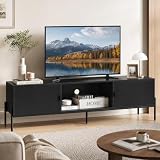
Push the TV console tight to the wall and keep it lower and wider rather than tall and narrow. If you’re mounting a large screen, center it over a console that’s within a few inches of the screen width so the wall doesn’t look top-heavy. One tall bookcase is fine as a deliberate vertical accent. Two or three make the ceiling feel like it’s dropping.
Step 4: Add One Flexible Seat and Edit the Rest
Once the sofa, rug, and media wall are set, you need exactly one more seat, not four. In a small room, a single armless or open-frame accent chair angled at roughly 45 degrees to the sofa completes the conversation triangle without blocking a path. Leave 30 inches of clearance behind it so it can be pulled out and pushed back easily.
Then stop adding and start editing. A skinny sofa table behind a floated sofa (about 30 inches high, under 12 inches deep) adds a landing surface and a lamp without stealing floor. Wirecutter’s small-space furniture roundups keep returning to the same principle: multi-use pieces beat single-use ones every time square footage is tight. One tray, one lamp, one plant per surface. Any more and the eye has nowhere to rest.
The Right Products Make It Easier
The three picks below all clear a 4.0 owner rating and fit the sub-80-inch footprint rule from Step 1, reversible or storage-forward sectionals built for rooms that can’t waste a corner.


Pros
- Flexible ottoman placement adapts to room layout changes
- No tools needed for assembly saves time and hassle
- Compact design fits small spaces without looking cramped
- Ribbed fabric is durable and hides pet hair better than smooth upholstery
- Box design makes move-in day easier in apartments with narrow hallways
Cons
- Zero customer reviews means no real-world feedback on durability or comfort
- Grey may show stains more visibly than darker colors
- Three-seat capacity may feel tight for families or frequent entertaining
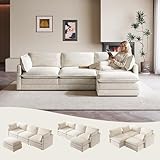
This sectional solves the biggest problem in small-space living: finding a sofa that actually fits without dominating the room. The reversible ottoman is the standout feature here. You can shift it left, right, or center depending on your layout, which means you're not locked into one configuration forever. That flexibility is huge when you're working with 600 square feet or less.
The ribbed fabric is a smart choice too. It has enough texture to feel elevated without being high-maintenance, and it hides the inevitable wear that comes with daily use. The slim arms and clean lines keep the visual weight low, so your living room feels open instead of cluttered. Assembly takes less than an hour with zero tools, which is a real win if you're setting up solo or hate dealing with furniture instructions.
If you want adaptable seating for a small apartment without settling for a cheap futon or bulky traditional sectional, this one delivers.
Styles it works with: Modern Minimalist, Scandinavian, Industrial Loft, Contemporary
Best placed in: Studio apartment corner, small living room against the wall, home office lounge area, open-concept space divider
May not suit: Homes needing seating for more than 4 people regularly, traditional or farmhouse decor styles, spaces where a darker stain-hiding color is preferred
Buy it if:
- You're furnishing a small apartment or studio under 800 square feet
- You need furniture that can reconfigure when you rearrange or move
- You want tool-free assembly because you're setting up alone or hate complicated instructions
- You prefer modern, clean-lined furniture over traditional bulky sofas
Consider waiting if:
- You want to see customer reviews and photos from real buyers first
- You're hoping for a different color option to match your existing decor
Skip it if:
- You regularly host groups larger than 4 people and need more seating capacity
- You prefer plush, sink-in cushions over firmer high-density support
- You need a sectional with built-in storage or a pull-out bed
Check the latest price and availability on Amazon before it sells out.

Welzona 83-Inch Grey Velvet L-Shaped Sectional Couch with Ottoman | 3-Seater Small Space Sofa for Living Room
Pros
- Exceptional price-to-value ratio for a full velvet sectional complete with a moveable ottoman
- Velvet upholstery looks and feels more premium than the price point suggests
- Tool-free setup is beginner-friendly and takes only a few minutes
- Moveable ottoman adds genuine layout flexibility for different room configurations
- Solid wood frame and 800lb weight capacity provide confidence in long-term structural durability
Cons
- No customer reviews yet, so real-world comfort and durability cannot be independently verified
- Velvet fabric attracts pet hair and lint and requires regular upkeep to maintain a clean appearance
- At 83 inches, the L-shape may still feel oversized in very compact studio apartments under 300 square feet
The Welzona sectional punches well above its price tag. For under $200, you get a full L-shaped sofa with a moveable ottoman, wrapped in soft velvet that reads as far more expensive than it actually is. The 6.3-inch cushions and 20-inch seat depth give you genuine sink-in comfort that makes staying in feel like the better plan every time.
In a real room, this sofa looks polished and intentional. The clean minimalist lines work with a range of decor styles, and the grey velvet adds warmth and texture without competing with your existing palette. It is compact enough for an apartment living room but substantial enough to feel like a complete, grown-up seating arrangement.
If you want a stylish sectional that actually fits a small space without sacrificing comfort or requiring a serious budget, this one delivers.
Styles it works with: Minimalist, Modern, Scandinavian, Contemporary
Best placed in: Small living room corner, studio apartment open-plan area, home office lounge zone
May not suit: Rooms under 200 square feet where the L-shape footprint could feel overwhelming, or traditional and maximalist interiors where cool grey velvet may conflict with warm wood tones and ornate decorative details
Buy it if:
- You are furnishing a first apartment or small home on a tight budget and want a complete sectional setup in one purchase
- You want a velvet sofa that looks high-end without paying high-end prices
- You need quick, tool-free assembly and want to avoid complicated setup or professional help
Consider waiting if:
- You prefer to buy products backed by a solid track record of verified customer reviews before committing
Skip it if:
- You have heavy-shedding pets, as velvet requires consistent groming to stay looking clean and presentable
- You regularly need seating for five or more people, as 83 inches works best for three to four at a time
Check the latest price and availability on Amazon before it sells out.

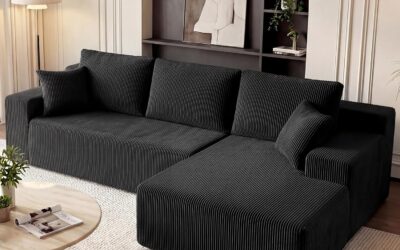
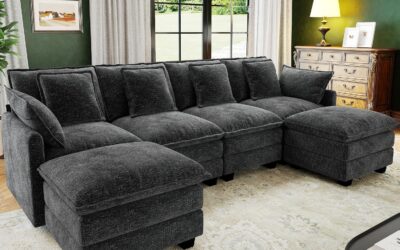
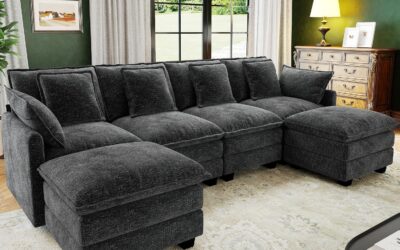
JAMFLY 77" L-Shaped Corduroy Sectional Sofa with Storage Ottoman for Small Spaces, Black
Pros
- Reversible ottoman design offers real layout flexibility for small or awkward rooms
- Storage ottoman is reinforced to hold heavier items, not just light throws
- Corduroy fabric feels soft and adds visual texture compared to plain linen sofas
- Fast, tool-free assembly process
- Budget-friendly price point for a sectional with storage
Cons
- 4.1 star rating suggests some inconsistency in build quality or comfort across units
- Cushions ship compressed and need 48 to 72 hours to fully expand, so it will not look its best right out of the box
- 77 inch size limits it to smaller rooms and may feel tight for taller adults or larger households
There is something instantly inviting about corduroy. It has that soft, ribbed texture that makes a room feel lived in and warm, and JAMFLY leans into that with this compact black sectional. It reads more like a design choice than a budget compromise, which is exactly what you want when you are furnishing a small space on a tight timeline.
What really sets this apart is the storage ottoman. Instead of a coffee table that just sits there, you get a piece that swallows up blankets, remotes, even dumbbells, while still functioning as a movable chaise. For anyone in an apartment, studio, or shared space, that kind of dual-purpose furniture is not a bonus, it is a necessity.
If you want a stylish, functional sectional without sacrificing your limited square footage, this one delivers.
Styles it works with: Modern Minimalist, Scandinavian, Industrial, Contemporary Apartment
Best placed in: small living room corner, studio apartment main seating area, home office lounge nook
May not suit: larger living rooms where the 77 inch frame will look undersized, or households with taller adults who need deeper seating
Buy it if:
- You are furnishing a studio, dorm, or small apartment and need seating that does not overwhelm the room
- You want built-in storage for blankets or gear instead of buying a separate storage bench
- You are on a budget but still want a sectional with a modern, textured look
Consider waiting if:
- You need a color other than black to match an existing room palette
- You can wait for a seasonal sale to lower the price further
Skip it if:
- You need seating for a large family room or frequent guest hosting
- You require a sectional rated for consistently heavy daily use by tall or larger adults
Check the latest price and availability on Amazon before it sells out.
The JAMFLY 3-Seat Reversible Sectional is the one to start with for Step 1. The reversible chaise means you can put the L on whichever side your door and window placement demands, so the sofa anchors the wall without fighting your traffic path. Its ribbed fabric and convertible ottoman keep the profile low, which serves the open-sightline goal from Step 3. At a 4.3 owner rating, it’s the pick most small rooms should default to when you’re anchoring the longest wall first.
The Welzona 83-inch Velvet Sectional is the move when your longest wall can take the full 83 inches and you want the room to feel warmer. Velvet adds visual softness that keeps a compact L from looking utilitarian, and the included ottoman doubles as the flexible extra seat from Step 4. Also a 4.3 rating. Skip it if your longest wall is under 12 feet, measure before you commit, because 83 inches eats a wall fast.
The JAMFLY 77-inch Convertible Sectional with Storage Ottoman is built for Step 3’s clutter problem. The lift-top ottoman hides blankets and remotes so your horizontal surfaces stay clear, and 77 inches is the tightest footprint of the three for genuinely small rooms. Its corduroy fabric is skin-friendly and low-sheen. At a 4.1 rating it’s the value pick, fewer frills, but the storage does real work in a room with no closet to spare.
Frequently Asked Questions
What if my living room is under 200 square feet?
Anchor with a 77-inch sectional or a loveseat, skip the accent chair, and use a 5×8 rug with front legs on it. Keep every piece under 34 inches tall. In a room that small, one flexible ottoman does the work of a second seat without adding a fifth footprint to route around.
What if my room is long and narrow?
Float the sofa along one long wall and pull it 3 to 4 inches off the corner. Avoid lining both long walls with furniture, that creates a bowling-alley effect. Instead, break the length with one perpendicular piece, like a chair or a 30-inch-deep console, to interrupt the tunnel sightline.

Can I put a sectional in a small living room?
Yes, if the footprint stays at or below 80 inches on its longest side. A reversible L-shape actually saves space by filling a corner you’d otherwise waste. Just leave 30 inches of walking path around the open side so the room doesn’t feel boxed in.
How do I make a small living room look bigger?
Keep seating backs at or below 34 inches, choose a 16-to-18-inch coffee table, and leave the far wall visible over the furniture. Low, open sightlines add perceived height. A single 8×10 rug that unifies every seat also stretches the space visually.
Where should the TV go in a small room?
On the longest uninterrupted wall, mounted or on a low, wide console within a few inches of the screen width. Point the sofa’s main seating direction at it. Keep the console under 24 inches tall so the wall doesn’t feel top-heavy in a room that’s already short on breathing room.
Bottom Line
The one rule that matters most: place the sofa first, floated on your longest wall, and let everything else orbit it. Get the anchor right and the rug, chair, and media wall fall into place. The main exception is a long, narrow room, there, breaking up the length with a perpendicular piece beats a perfect anchor. Keep sightlines under 34 inches, leave a 30-inch walking path, and edit hard. A small living room doesn’t need more furniture. It needs fewer, smarter pieces placed with intent. There’s more on the sizing and materials side in how to mix metals in a room.

Write Your Review
No reviews yet. Be the first to share your experience!