

> Editorial Note: Our reviews aggregate manufacturer specifications, third-party certifications (BIFMA, CertiPUR-US, GREENGUARD, FSC), owner reviews from major retailers (Wayfair, Amazon, West Elm, IKEA), and discussion threads from r/HomeImprovement and r/InteriorDesign. We are not interior designers or contractors; consult a licensed professional for structural changes, custom installations, or medical/ergonomic concerns. Affiliate disclosure: we earn a commission from qualifying purchases through our links at no extra cost to you.
Late-afternoon light through linen curtains, a stack of paperbacks on a low table, the soft give of a wing-backed chair angled toward the window. Within reach, a pool of lamplight, a wool throw folded over the arm, a slim shelf holding the next three titles in queue. That’s the brief these five cozy reading corner ideas deliver against. Not a Pinterest set piece, but a real, lived-in nook where you actually lose track of an hour.
Aggregated coverage from Apartment Therapy, House Beautiful, Architectural Digest, Real Simple, and threads on r/InteriorDesign keeps converging on the same idea. A great reading corner isn’t about square footage. It’s about layering five quiet ingredients, an enclosing chair, a side surface, focused light, soft textile, and a small bookshelf, into a pocket of stillness inside a busier room. If you’re rounding out a wider seating plan, our roundups of the best reading chairs for bedrooms and the best cozy reading chairs pair well with what follows.
What Ties These Together
Five distinct silhouettes, one unifying brief: a reading corner that feels enveloping rather than perched. Our research evaluated upholstered accent chairs, swing-arm and table lamps, narrow side tables, woven throws, and slim bookshelves against three baseline criteria. First, the chair has to hold a posture you can sustain for forty minutes, which means a seat depth of 19 to 22 inches and back support above the shoulder blades, the threshold Architectural Digest editors cite for sustained relaxed seating. Second, lighting needs a directional warm-tone source between 2700K and 3000K, dim enough to soften the room but bright enough to read without squinting. Third, the textile and shelving layer has to soften the corner visually, what Apartment Therapy calls the “soft enclosure” effect.
Aesthetically, the through-line is warm, intimate styling. Linen weaves, oak or walnut tones, brushed brass or matte black hardware, ivory or oat-toned cushions. Nothing slick, nothing high-contrast, just layered neutrals that pull the eye inward.
1. The Wing-Backed Accent Chair as the Anchor
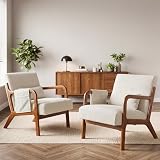
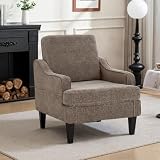
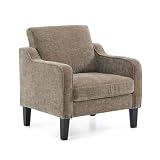
Everything else in a reading corner orbits the chair, so this is where the budget and the consideration both belong. A traditional wing-backed silhouette is what House Beautiful editors consistently reach for when the brief says “cozy reading,” and the reason is geometry. The wings physically enclose the upper body, the high back supports the head, and the slight pitch of the seat encourages a lean-back posture rather than a desk-chair upright. Owner reports across Wayfair and r/InteriorDesign converge on the same impression. The wings make the chair feel like a small room of its own.
Our research evaluated upholstered wing-backs in linen, performance fabric, and boucle. Owner preference for reading-specific use leans linen or a linen blend. A 21-inch seat depth lands in the comfortable middle for most adults between 5-foot-4 and 6-foot-1, and a high-density foam cushion (1.8 lbs/ft minimum per CertiPUR-US labeling) holds shape through repeated weight cycling. Kiln-dried hardwood frames flagged by BIFMA durability standards generally outlast MDF alternatives by several years per buyer feedback.
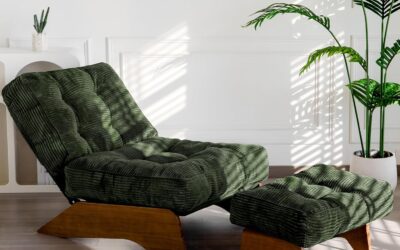
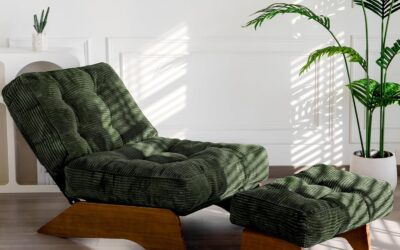
Pair the chair with a small ottoman in matching upholstery, and the corner shifts from accent seating to true reading nook. If you’re weighing the foot-up option, our roundup of the best reading chairs with ottoman walks through the trade-offs.
2. The Adjustable Reading Lamp at Page Height
Overhead lighting is the enemy of a cozy reading corner. House Beautiful’s “lighting layers” feature and Real Simple’s home wellness column both flag the same mistake. People light the room from the ceiling, then wonder why the corner doesn’t feel like a refuge. The fix is a directional, height-adjustable lamp aimed at the page, not the reader.
Our research evaluated swing-arm wall lamps, floor-standing arc lamps, and small table lamps in the 14 to 22-inch height range. The dimension that matters most is bulb position relative to the seated reader’s shoulder. Roughly 12 to 18 inches behind and slightly above the shoulder is the placement Apartment Therapy editors recommend, with the shade angled to throw light onto the book rather than into the eyes. A 60-watt-equivalent LED in the 2700K to 3000K warm range gives the soft yellow tone buyer feedback associates with “cozy” versus the cooler blue-white of standard task lighting.
Brass and matte black finishes both work, and the choice should follow the chair’s hardware tone. Owners on r/InteriorDesign note that a dimmer-compatible bulb extends the lamp’s range from afternoon reading down to late-evening softer light, which makes the corner usable across the day.

3. The Narrow Side Table for Tea, Books, and a Lamp
The side table is the unsung piece in a reading corner. Too big, it crowds the chair. Too small, and a mug, a paperback, and a lamp base won’t coexist. Our research evaluated round and square side tables in the 14 to 18-inch diameter range, which Architectural Digest’s small-space coverage flags as the sweet spot for accent chairs.
The surface needs to hold a lamp base (typically 5 to 7 inches across), a mug, and an open book without crowding. A 16-inch round table in oak or walnut hits that geometry cleanly, and a height of 22 to 24 inches lands at armrest level for most upholstered chairs. Specifications list FSC-certified hardwood on the better options, and aggregated owner reports on Wayfair flag solid wood over veneered MDF as the longer-lasting choice for surfaces that catch occasional condensation rings.
A small lower shelf is a quiet upgrade, somewhere to stack the next two books without cluttering the visible surface. Buyer feedback on r/InteriorDesign singles out two-tier side tables as the detail that elevates a corner from utilitarian to magazine-worthy.


Pros
- Soft peach velvet fabric feels cozy and blocks out visual distractions
- Includes everything needed - fabric, wooden rod, and LED star string lights
- Large fabric size adapts to different room layouts and furniture arrangements
- Helps create a designated calm-down space for children with sensory needs
- No permanent installation required - renter and classroom friendly
Cons
- New product with no verified customer reviews yet to confirm quality
- Peach color may not match all existing room decor schemes
- Fabric may require occasional washing depending on how kids use the space
This kit solves a problem every parent and teacher knows: kids need a quiet retreat when the world feels too loud or busy. The VIHOSE reading nook creates that magical hideaway spot without the commitment of built-in furniture or the cost of a fancy canopy bed.
The peach velvet drapes beautifully and the star lights add just enough glow for bedtime stories without being too stimulating. We love that it works equally well draped over a classroom bookshelf or a child's bed at home. The fabric is long enough to actually enclose the space, not just suggest it.
If you want a calm-down corner that feels special to your child without permanent room changes, this one delivers.
Styles it works with: Boho, Scandinavian, Modern Nursery, Montessori-inspired spaces
Best placed in: Corner of a child's bedroom draped from ceiling mount, over a floor reading cushion setup, classroom library corner anchored to bookshelf, above a twin bed as a canopy
May not suit: Rooms with very low ceilings under 7 feet, homes where fabric draping creates tripping hazards for toddlers, or spaces needing frequent deep cleaning due to allergies
Buy it if:
- You need a sensory-friendly calm down space for a child with ADHD or anxiety
- You want to make reading time feel more special and inviting without a major room overhaul
- You teach elementary school and want to add a cozy reading corner to your classroom
- You are decorating a nursery or toddler room and want a magical canopy look on a budget
Consider waiting if:
- You prefer a different color and want to see if additional options become available
Skip it if:
- You need a fully enclosed pop-up tent rather than draped fabric
- Your child is very rough with fabric items and you need something more durable
Check the latest price and availability on Amazon before it sells out.

Pros
- Durable linen material resists fading with daily exposure
- Pre-installed metal eyelets eliminate need for additional hardware
- Large 20x30 inch size creates visual impact without overwhelming smaller rooms
- Minimalist design pairs well with existing decor rather than competing with it
- Under $15 price point makes it accessible for multiple rooms or classroom budgets
Cons
- No customer reviews yet to confirm real-world durability or color accuracy
- Single design option limits personalization for different reading themes
- May require ironing after shipping to remove creases from folded packaging
This banner does exactly what a reading nook decoration should do: it quietly signals that this corner is for books, imagination, and winding down. The linen texture gives it a softer, more home-like feel than a plastic poster, and the message is encouraging without being cutesy or overly instructional.
At 20x30 inches, it's large enough to anchor a reading corner visually but not so big that it dominates a small bedroom or classroom wall. The neutral color palette means it won't clash with existing throw pillows, rugs, or wall colors. We especially appreciate that it comes ready to hang with sturdy metal eyelets, so you're not hunting for picture wire or adhesive strips.
If you want to designate a reading space that feels intentional and inviting without spending on custom signage or bulky shelving, this one delivers.
Styles it works with: Modern Farmhouse, Scandinavian, Minimalist, Montessori-inspired playrooms
Best placed in: Above a reading chair in a kids' bedroom, classroom library corner, playroom wall beside bookshelves, nursery accent wall
May not suit: Homes with very bold or maximalist decor where the simple text may get visually lost, or renters who cannot use nails and prefer damage-free adhesive options
Buy it if:
- You're setting up a dedicated reading corner and want an affordable finishing touch that reinforces the space's purpose
- You need classroom decor that's durable enough for daily use but still looks homey and welcoming
- You prefer understated wall art that complements rather than competes with colorful books and toys
Consider waiting if:
- You want to see verified customer photos first to confirm the fabric texture and color match your expectations
Skip it if:
- You need a banner with a rod pocket for hanging from a curtain rod rather than wall mounting
- You're looking for a more personalized or custom reading message beyond the standard "It's A Good Day To Read A Book" text
Check the latest price and availability on Amazon before it sells out.

Evermagin 6 Tier Tree Bookshelf with Adjustable LED Light, Rustic Brown Vertical Storage Tower for Small Spaces
Pros
- Space-efficient vertical design ideal for apartments and small rooms
- Integrated lighting with adjustable warmth adds ambiance and functionality
- Artistic tree silhouette works as both storage and wall art
- Extra storage drawer at the base for flexibility
- Simple assembly with numbered parts
Cons
- No customer reviews yet to verify real-world durability and lighting quality
- Limited to rustic brown color, may not suit modern or cool-toned decor
- Slim profile means thicker hardcovers may not fit on all shelves
This bookshelf solves the classic small-space dilemma: you want book storage that does not dominate the room. The tree-shaped silhouette is playful without being childish, and the rustic brown finish warms up neutral walls. The built-in LED lamp is smarter than it sounds. Three color settings mean you can go bright white for daytime reading, warm amber for evening wind-down, and something in between for general ambiance.
The vertical design is genuinely clever. It holds as many books as a standard short bookcase but takes up about one-third of the floor space. The bottom drawer is a nice touch for stashing bookmarks, notebooks, or the stack of books you keep meaning to donate. Assembly is straightforward, and the anti-tip hardware gives peace of mind if you have curious kids or an overzealous vacuum routine.
If you want a bookshelf that earns compliments from guests without sacrificing storage capacity, this one delivers.
Styles it works with: Modern Farmhouse, Rustic, Boho, Eclectic
Best placed in: Living room corner beside a reading chair, bedroom nightstand area, home office alcove, kids playroom for storybook storage
May not suit: Minimalist or Scandinavian interiors that favor light wood tones, homes needing strictly white or black furniture, spaces with very low ceilings where a tall unit feels cramped
Buy it if:
- You need book storage that fits in a corner or narrow wall space
- You want a reading light and bookshelf combined to reduce furniture clutter
- You appreciate decor that sparks conversation and adds personality to a room
Consider waiting if:
- You prefer to see customer photos and reviews before committing to a new furniture brand
Skip it if:
- You need to store large art books, textbooks, or oversized hardcovers that exceed standard paperback dimensions
- Your room requires a light wood, white, or black finish to match existing furniture
Check the latest price and availability on Amazon before it sells out.

Pros
- Real birch plywood construction is more durable than particle board alternatives
- Easy-clean surfaces on both cushion and wood make it practical for busy classrooms
- Rounded edges and open design balance safety with visibility for supervision
- 32-inch cube size fits well in most classroom corners without dominating the space
- Commercial-grade build quality designed for institutional use
Cons
- No customer reviews yet to confirm real-world durability and comfort
- Assembly required, which may take time in busy classroom settings
- Single color option may not match all classroom or playroom decor schemes
This reading cube does something simple but powerful: it gives kids their own little sanctuary. The semi-enclosed design creates just enough privacy to help children settle into a book or calm down after active play, while the open circular windows let teachers and parents keep a watchful eye. It feels like a tree house brought indoors.
What sets this apart is the commercial-grade build. Real birch plywood means it will stand up to years of enthusiastic use by multiple children, unlike cheaper particle board versions that sag or chip. The cushioned seat adds genuine comfort, and both the cushion and wood surfaces wipe clean in seconds when juice boxes or sticky fingers come into play.
If you want a dedicated reading spot that handles daily classroom wear without constant maintenance, this one delivers.
Styles it works with: Montessori-inspired classrooms, Scandinavian playrooms, Modern educational spaces, Natural wood interiors
Best placed in: Classroom reading corner, home playroom quiet zone, daycare calm-down area, preschool library nook
May not suit: Homes with very limited floor space (32-inch cube needs breathing room), formal living rooms or adult-centered decor, spaces where natural wood finish clashes with existing color schemes
Buy it if:
- You run a daycare, preschool, or classroom and need furniture that survives daily use by multiple children
- You are setting up a Montessori or play-based learning space at home and want commercial-quality pieces
- You need a reading nook that stays clean with minimal effort and handles spills without staining
Consider waiting if:
- You want to see customer reviews and photos from real classrooms before committing
- You need a specific color or finish to match existing furniture
Skip it if:
- You need something portable or collapsible for small spaces
- You are furnishing a formal area of your home rather than a dedicated play or learning space
Check the latest price and availability on Amazon before it sells out.

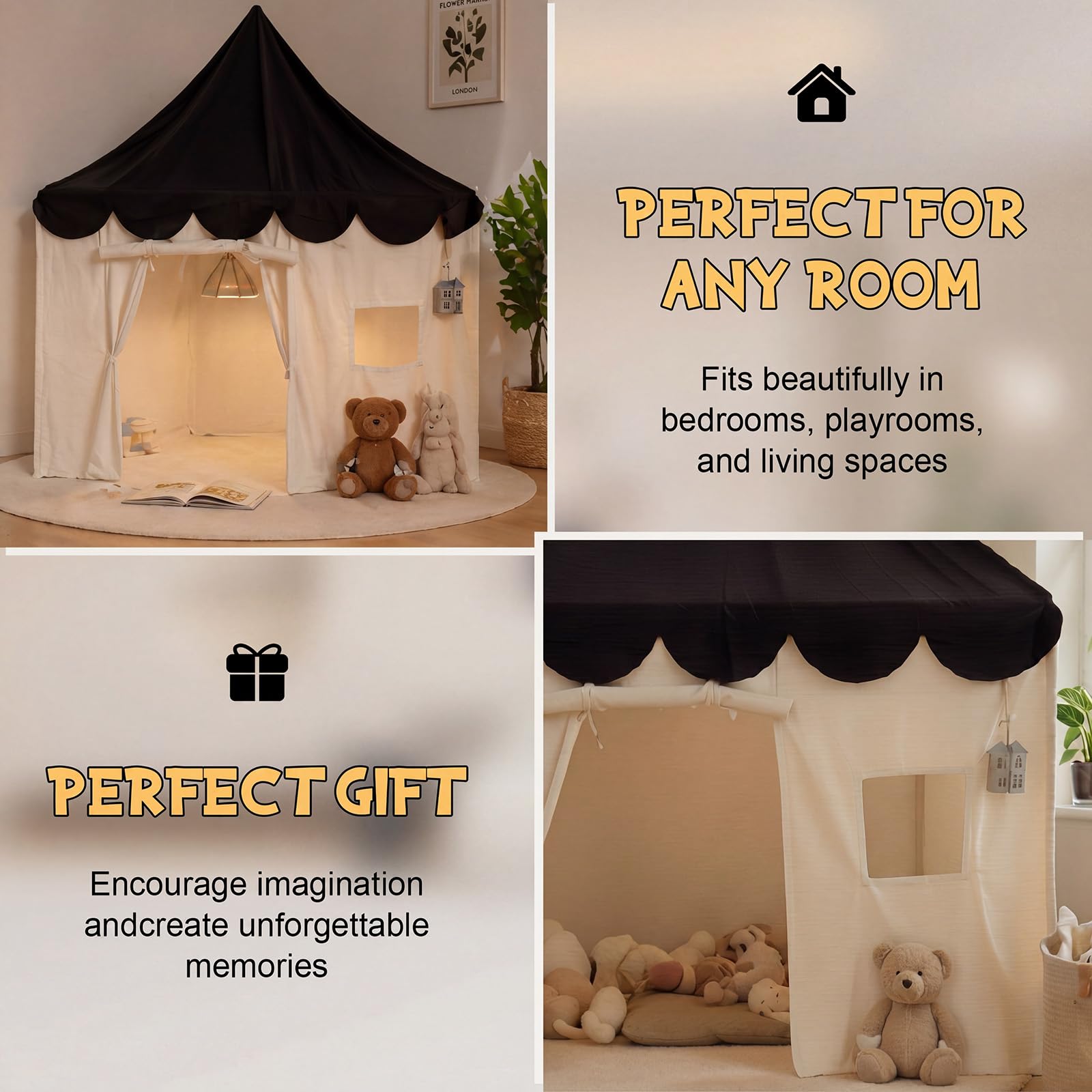
Pros
- Includes both stick-on and drill-mount hardware for flexible installation
- Cotton canvas is durable enough for active play yet gentle and comfortable
- House-shaped design with door and windows adds whimsical charm to any room
- Spacious interior prevents cramped, claustrophobic feeling during longer reading sessions
- Machine washable fabric makes maintenance simple for busy parents
Cons
- No customer reviews yet to confirm real-world durability and ease of setup
- Requires corner placement which may not work in all room layouts
- At 72 inches tall, needs standard ceiling height and won't fit under sloped ceilings
This reading nook tent solves a problem many parents face: creating a dedicated, cozy space for kids to read and play without taking over an entire room. The house-shaped design feels special and inviting rather than just throwing a blanket over chairs, and the corner setup means it uses space that often goes to waste.
The cotton canvas feels substantial and well-made, not flimsy like some play tents. We appreciate that it comes with both adhesive and screw-mount options, so renters can set it up without drilling while homeowners can secure it more permanently. The windows and door opening provide good ventilation and natural light, which matters when kids spend 20-30 minutes at a time inside reading or playing quietly.
If you want a designated reading spot that encourages independent play without claiming valuable floor space, this one delivers.
Styles it works with: Scandinavian, Modern Farmhouse, Minimalist, Montessori-inspired playrooms
Best placed in: Bedroom corner opposite the bed, playroom reading corner with floor cushions, nursery beside a bookshelf
May not suit: Rooms with sloped or low ceilings under 75 inches, spaces without available corner access, homes where pets might scratch or chew fabric structures
Buy it if:
- You need a dedicated reading or quiet play space that doesn't take up floor area
- Your child responds well to cozy, enclosed spaces for calming down or focused activities
- You want something that looks intentional and charming rather than like a pile of blankets
Consider waiting if:
- You prefer to see verified customer photos and reviews before purchasing new products
Skip it if:
- You don't have an available corner with at least 51 inches of width and 72 inches of height clearance
- You need a freestanding tent that can be moved around the room frequently
Check the latest price and availability on Amazon before it sells out.
4. The Woven Throw and Lumbar Pillow Layer
Textile is what tips a reading corner from “chair in a room” to “place you want to be.” Real Simple’s “homes that feel hugged” feature and Apartment Therapy’s small-space styling guides both make the same case. A folded throw over one arm of the chair and a small lumbar pillow against the seat back reads warmer, more intimate, and more inviting than the same chair bare.
Our research evaluated wool, cotton-blend, and chunky-knit throws in the 50-by-60-inch range, the dimension House Beautiful editors recommend so the throw covers a seated reader from chest to feet without trailing onto the floor. OEKO-TEX-certified wools and cotton blends are the materials aggregated owner reviews on West Elm and Crate & Barrel favor for skin-against-the-throw comfort. Color matters less than texture. A nubby weave catches light differently than a smooth one, and that visual depth is what makes the corner feel layered.
The lumbar pillow at 12-by-20 inches sits in the small of the back and adds directional support most accent chairs don’t build in. Owner feedback on Architectural Digest pillow coverage notes that a feather-down or down-alternative fill, rather than polyester batting, keeps shape through repeated compression. Tonal layering works best. A throw two shades darker than the cushion, a pillow two shades lighter, and the corner gains depth without going busy.
5. The Slim Bookshelf to Hold the Next Three Titles
A reading corner needs a small library within arm’s reach, but a full-size bookcase overwhelms a pocket nook. Our research evaluated narrow vertical bookshelves and ladder-style leaning shelves in the 12 to 18-inch-wide footprint, the scale Apartment Therapy editors flag as right for tucking beside an accent chair.
A four or five-tier narrow shelf holds roughly 30 to 50 paperbacks, the rotation size buyer feedback across r/InteriorDesign threads calls right for an active reader. Solid wood construction (oak, walnut, or rubberwood per FSC-certified sourcing on the better options) holds up to repeated loading better than particleboard. Some shelves include a small storage cabinet at the base, which Real Simple’s organized-home features point to as a quiet place to stash reading glasses or a notebook.
Ladder-style leaning bookshelves are the other strong option, particularly in rentals where wall anchoring isn’t possible. The angled silhouette reads less rigid than a vertical case and pairs visually with the soft enclosure of a wing-backed chair. Owners on r/InteriorDesign mention pairing the shelf with a small framed print or a single ceramic vase on the top tier, the styling move that takes the corner from functional to composed.
Styling Notes from Editors
Apartment Therapy’s reading nook coverage, House Beautiful editorial spreads, and Architectural Digest’s small-space features converge on a handful of principles that elevate the five pieces above into a real corner.
First, anchor with a small area rug. A 3-by-5 or 4-by-6 wool or jute rug under the chair and side table visually defines the nook as a separate zone. The rug doesn’t have to be expensive, it just needs to read tactile and warm-toned. If you’re styling the surrounding room too, our roundup of the best area rug for living room covers the larger anchor piece.
Second, layer the lighting. The reading lamp does the heavy lifting, but a small table lamp or a single sconce behind the chair adds what Real Simple calls “ambient softness,” the secondary glow that keeps the corner from going stark. Both lights on a dimmer is the upgrade buyer feedback singles out.
Third, keep the palette tight. Two or three warm neutrals (oat, ivory, walnut, brass) with one accent tone (rust, sage, deep navy) is the formula House Beautiful editors reach for. More colors fracture the visual quiet that makes a corner feel restful.
Fourth, position matters. A corner against an exterior wall with a window beats an interior wall. Daytime light, even diffused through linen curtains, makes the nook feel airy rather than cave-like.
What to Avoid for This Look
A few moves consistently flatten an otherwise well-styled reading corner. Skip overhead lighting as the primary source. Even a beautiful chandelier reads wrong here. Apartment Therapy and r/InteriorDesign feedback both flag overhead lighting as the fastest way to make a corner feel like a hotel lobby instead of a sanctuary.
Don’t oversize the chair. A 36-inch-wide accent chair fits the geometry of a true nook. A 42-inch oversize armchair crowds the corner and forces the side table and shelf to compete for floor space. Architectural Digest’s small-space coverage recommends mocking up the footprint with painter’s tape before committing.
Avoid glass or metal as primary textures. Both read cool and architectural, which works against the warm-intimate brief. Stick with wood, linen, wool, and woven materials for at least 70 percent of visible surfaces.
And don’t crowd the shelves. A bookshelf packed wall-to-wall reads visually noisy. Leave roughly 20 to 30 percent of shelf space open, ideally with a small object (a candle, a framed photo, a ceramic) breaking up the book stacks. Real Simple calls this the “breath” between books.
Frequently Asked Questions
How much space do I need for a cozy reading corner?
A workable nook fits into roughly 5-by-5 feet, enough for a 36-inch accent chair, a 16-inch side table, a small ottoman, and a 3-by-5 rug. Owners on r/InteriorDesign report smaller corners work with a slimmer chair, though 5-by-5 is what Apartment Therapy recommends for genuine comfort.
What chair height is best for reading?
A seat height of 17 to 19 inches with a back height of 38 to 42 inches is the comfortable range for sustained reading. Wing-backed and high-back silhouettes work better than low-slung lounge chairs because the head and neck get passive support. Our roundup of the best ergonomic reading chairs covers posture-supportive options.
Do I need a special reading lamp, or will any lamp work?
Any lamp works with the right placement and bulb temperature. The key is a directional source 12 to 18 inches behind and slightly above the seated reader’s shoulder, with a 2700K to 3000K warm LED bulb. Apartment Therapy flags bulb temperature as the most common mistake.
What’s the right rug size for a reading corner?
A 3-by-5 or 4-by-6 rug fits most nooks. The rug should extend slightly beyond the front legs of the chair and side table, defining the zone without crowding the surrounding floor. Owner feedback on Wayfair flags rug size as the easiest detail to get wrong.
Should the bookshelf be open or have doors?
Open shelves work better because they invite browsing and read more inviting. Closed cabinets at the base are useful for stashing magazines or accessories, but the main shelf body reads warmer when titles are visible. r/InteriorDesign threads echo this.
How do I make a reading corner work in a small apartment?
Lean on vertical pieces. A leaning bookshelf, a slim chair (under 32 inches wide), a wall-mounted swing-arm lamp, and a small round side table fit into a 4-by-4 corner. Real Simple flags wall-mounted lighting as the biggest space-saver since it removes a lamp’s floor footprint.
Can a reading corner be in a bedroom instead of a living room?
Yes, and House Beautiful and Architectural Digest both feature bedroom reading nooks as a popular configuration. A bedroom corner reads quieter and more private, and the lighting can lean warmer (2200K to 2700K) for evening use. Owners report bedroom nooks tend toward chunkier textiles than living room versions.
The Final Curated Pick
For most readers building a corner from scratch, the wing-backed chair carries the most weight, followed by a directional reading lamp at the right bulb temperature, then the side table, throw, and slim bookshelf. Get the chair right and the rest layers in over months. Apartment Therapy, House Beautiful, and buyer feedback on r/InteriorDesign all point to the same hierarchy. Spend on the chair, place the lamp correctly, and the corner does the rest itself. For the broader room, our roundups of the best reading chairs for bedrooms, best cozy reading chairs, best reading chairs with ottoman, and best ergonomic reading chairs cover seating in depth, and the best area rug for living room anchors the floor.
Write Your Review
No reviews yet. Be the first to share your experience!