

> Editorial Note: I’m Liam Wright, an outdoor and garden editor. I grew up in my family’s landscaping business and now cover what actually survives a season of UV, rain, and freeze-thaw cycles. The picks here are evaluated against ASTM weatherability standards and manufacturer durability ratings.
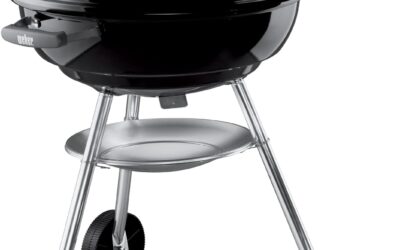
Charcoal vs gas grill is really a choice between flavor control, startup time, cleanup, and how often you’ll cook after work. If you are building a station around the best flat top grill, griddle vs grill, ceramic kamado style grill, how to grill a steak on a gas grill, and how to start a grill, decide the fuel first. Charcoal rewards patience and airflow. Gas rewards repetition and fast heat. Neither wins every dinner.
The Key Differences at a Glance
| Factor | Charcoal Grill | Gas Grill |
|---|---|---|
| Startup time | 15 to 25 minutes with chimney | 10 to 15 minutes preheat |
| Heat range | Very high sear, harder to steady | Easier 325°F to 500°F control |
| Flavor | More smoke and live-fire character | Cleaner, milder flavor |
| Cleanup | Ash removal after full cooling | Grease tray and grate cleaning |
| Best weeknight job | Short cooks if coals are ready | Burgers, steaks, vegetables |
| Weather concern | Ash, moisture, vent corrosion | Burner, regulator, coating wear |
When Charcoal Wins
Charcoal wins when flavor and high-heat searing matter more than speed. A full chimney of lump charcoal can build a fierce sear zone for steaks, chops, and skewers, and the fire responds to vent changes in a way gas can’t fully copy. You also get smoke from drippings hitting hot coals, which is the classic backyard aroma people expect from live fire.
The trade-off is management. You need 15 to 20 minutes for a chimney to ash over, then another few minutes to spread coals into a hot side and a cooler side. Ash must cool fully before disposal, and damp charcoal can ruin the plan before dinner starts. Wirecutter’s grill guidance often comes back to repeatable setup and cleanup, and that is the charcoal challenge. Great flavor. More chores.
When Gas Wins
Gas wins when you cook often, want repeatable temperatures, or need dinner moving in under 30 minutes. Turn the burners on, preheat for 10 to 15 minutes, and you can hold one zone around 450°F while another stays closer to 325°F. That matters for burgers, chicken pieces, and steaks that need a quick sear followed by gentler heat.
The flavor is cleaner and less smoky, but the control is the point. Gas also pairs well with a flat top insert because the burner layout can heat a griddle or cast-iron pan without lighting a separate fuel source. ASTM weatherability standards and manufacturer durability ratings matter here because burners, coatings, and regulators face heat cycling, rain, and storage neglect. Keep it covered and cleaned. Simple habit.
Our Top Picks for Each
The five products below were selected for fuel-flexible station building: compact cast iron, griddle tools, electric backup, and a portable gas flat top. Start with the Lodge if you use charcoal and want a heavy contact surface over live heat. Pick the ROVSUN if gas convenience and a rolling flat top matter more than smoke.


Best Charcoal Add-On: Lodge Reversible Cast Iron Grill/Griddle Pan
The Lodge Reversible Cast Iron Grill/Griddle Pan 16.75 x 9.5 suits charcoal cooks who want better contact heat without abandoning live fire. Set it over a stable grate for onions, peppers, buns, or thin steak strips while the open grate handles thicker cuts. Cast iron takes 8 to 12 minutes to heat evenly, but it holds that heat once the coals start fading.
This is the pick for people who already accept cleanup as part of charcoal cooking. Wipe and oil the pan while warm, then let the grill and ash cool fully. It is not light. That’s also why it works.
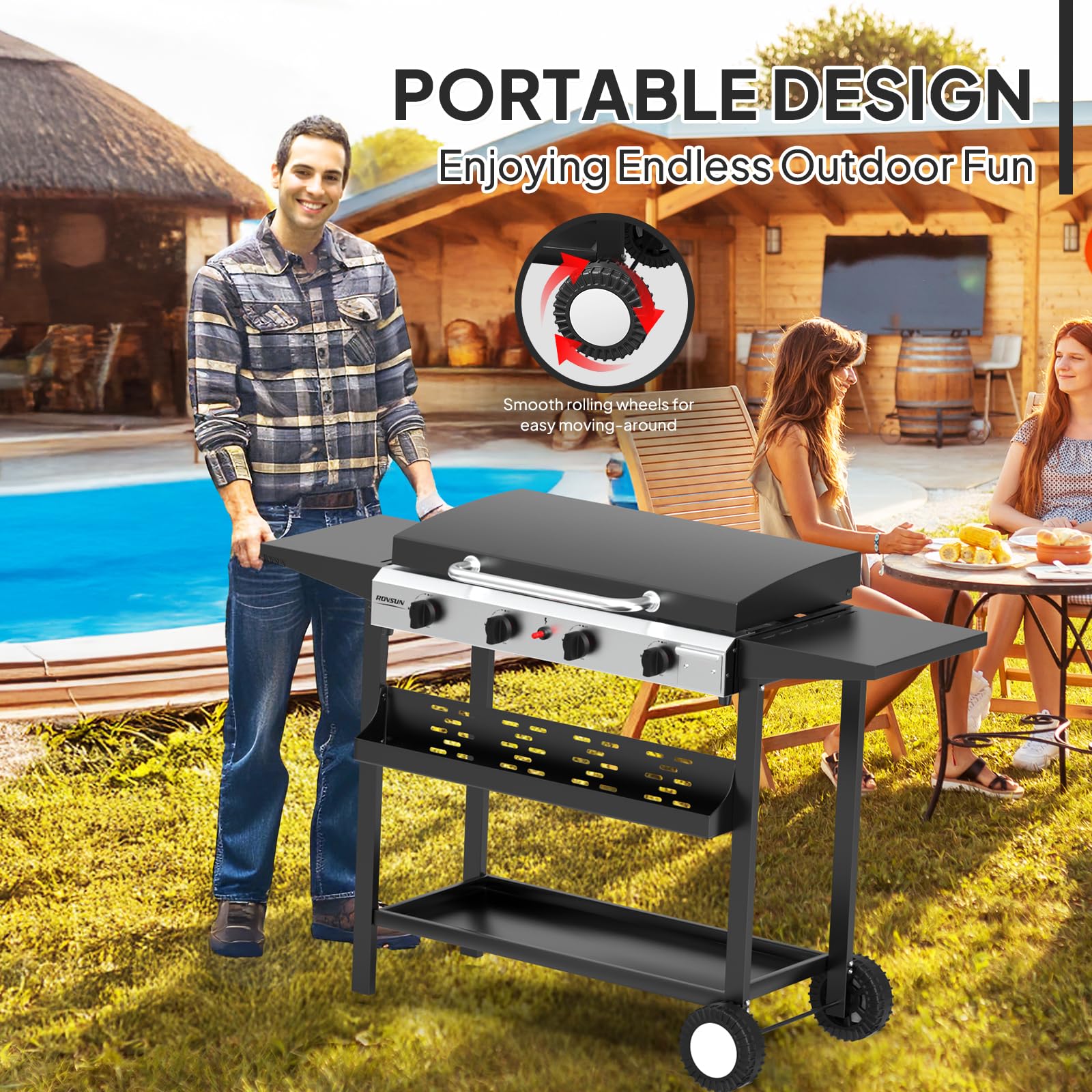
Best Gas Flat-Top Move: ROVSUN 4 Burner Portable Propane Griddle
The ROVSUN 4 Burner Portable Propane Griddle with Electronic Ignition, 40000 BTU Rolling Flat Top Gas Grill gives gas users the most complete station in this group. Four burners let you run one side hot for browning and another side lower for holding food around 250°F to 300°F. That zone control is the practical reason gas keeps winning weeknights.
Use it for smash burgers, chopped vegetables, bacon, pancakes, and steak sandwiches. It won’t give charcoal smoke, but it gives speed and surface area. For families, that often matters more on a Tuesday.

Best Compact Gas or Charcoal Insert: EWFEN Reversible Grill/Griddle
The EWFEN Reversible Grill/Griddle, 16.7×9.5” Pre-Seasoned Cast Iron Griddle Pan is the lower-cost insert for cooks who don’t want a full cart. The reversible surface means you can use ridges for marks or the flat side for eggs and onions. On gas, it preheats predictably. Over charcoal, it adds contact heat to a more variable fire.
The size is the limiter. At 16.7 x 9.5 inches, it handles side jobs and two-person meals better than party batches. Still useful. Just not huge.
Best Tool Upgrade: EWFEN 35PCS Griddle Accessories Kit
The EWFEN 35PCS Griddle Accessories Kit is not a grill, but it solves the handling problem that shows up once you add any flat surface. Spatulas, scrapers, bottles, and small tools keep food moving without dragging indoor utensils outside. The set makes the most sense for gas griddle users, though charcoal cooks with cast iron can use the scrapers and spatulas too.
Store it in one dry bin. Thirty-five pieces scattered across a patio drawer become a mess after the first storm. Outdoor tools last longer when they come back inside clean.
Best Covered-Patio Backup: Chefman XL Electric Griddle
The Chefman XL Electric Griddle with Removable Temperature Control belongs in the conversation because some nights don’t need flame. It works for covered spaces with a proper outlet, especially breakfasts, buns, pancakes, and overflow sides. It is the cleanest option here for temperature predictability.
It is not a replacement for charcoal or gas grilling. No smoke, no open-fire sear, no rain exposure. Use it as the sheltered helper, not the star.
The Verdict
For flavor-first weekends, charcoal wins because live coals create smoke, high sear heat, and a cooking rhythm gas can’t fully copy. For most weeknight dinners, gas wins because it preheats in 10 to 15 minutes and holds zones more predictably. If you want one upgrade that helps both, buy a reversible cast-iron griddle; it makes either fuel more flexible.
Setup Time and Fuel Cost
Gas wins weeknights because it reaches cooking heat in about 10 to 15 minutes. Charcoal usually needs 20 to 30 minutes before the coals are ashed over and ready, plus another few minutes to spread them into a hot zone and a cooler zone. That time buys flavor and higher searing heat, but it’s not free on a Tuesday night.
Fuel cost depends on how often you cook. A 20-pound propane tank can cover many short dinners, while a charcoal bag disappears faster if you cook for a crowd. Charcoal also leaves ash that has to cool fully before disposal. Simple, but slower. If you grill twice a week, the convenience gap becomes more noticeable than the flavor gap.
Flavor Versus Repeatability
Charcoal gives you smoke, radiant heat, and a little unpredictability. That’s part of the appeal. Gas gives you repeatability: the same burner setting, the same preheat window, the same 450°F target on a weeknight. Neither is automatically better. They solve different evenings.
If you cook for guests, gas makes timing easier because you can lower heat instantly and hold food on a cooler side. Charcoal rewards slower planning and simpler menus. Burgers, skewers, and steaks shine there because the cook time is short and the heat is intense. For long vegetables or delicate fish, gas is calmer.
Frequently Asked Questions
Is charcoal better than gas for flavor?
Yes. Charcoal gives more smoke and live-fire character, especially when fat drips onto hot coals. Gas tastes cleaner and milder, which some people prefer for fish and vegetables.
Is gas easier for beginners?
Yes. Burner knobs make temperature control simpler, and startup takes about 10 to 15 minutes. Charcoal teaches useful fire skills, but it asks for more attention.
Which grill gets hotter?
Charcoal can get hotter for direct searing, especially with lump charcoal and strong airflow. Gas is easier to hold at 350°F to 500°F without constant adjustment.
Which is cheaper to run?
It depends on fuel prices near you and how often you cook. Propane is convenient for frequent cooks. Charcoal can cost more per session if you light a full chimney for small meals.
Can I use a griddle on both charcoal and gas?
Yes. Cast iron works over both as long as the grate is stable and the pan preheats evenly. Gas gives steadier heat; charcoal gives more fire character.
Which is safer on a small patio?
Gas is usually easier to manage where rules allow it, but building codes and lease restrictions decide the answer. Keep at least 3 feet clear around any hot grill and follow the manufacturer manual.
Bottom Line
Gas is the one most people should buy for frequent backyard dinners because it starts fast, holds zones, and makes 30-minute meals realistic. If flavor is the whole point and you don’t mind ash cleanup, charcoal is the better weekend choice. The honest caveat: either fuel improves with a flat cast-iron surface, because onions, buns, and thin cuts need contact heat more than romance.
Write Your Review
No reviews yet. Be the first to share your experience!