

> Editorial Note: I’m Heather Adams, and I cover sofas, tables, mattresses, and bedding. The picks here are evaluated on the materials layer — foam density, coil gauge, frame construction, and fiber content — against CertiPUR-US, OEKO-TEX, and BIFMA standards.
Hotel-weight loft without the hotel markup. That’s the promise a good down comforter makes, and Brooklinen leans hard on it. Before you commit, skim our related guides on down vs down alternative comforter, cooling comforter for hot sleepers, why does my comforter go flat? causes and fixes, why does my white comforter turn yellow? fixes, and duvet vs comforter. Fill power, baffle construction, and shell thread count decide comfort more than marketing. Below, five inserts ranked on loft retention, breathability, and long-haul durability.
How We Evaluated
We assessed each comforter against Sleep Foundation breathability protocols, checked shell weave for down leakage, and cross-referenced owner reports on r/Mattress for flattening after 12 months. Fill power targets sat at 600+ for down picks. OEKO-TEX certification on shells counted toward the score.
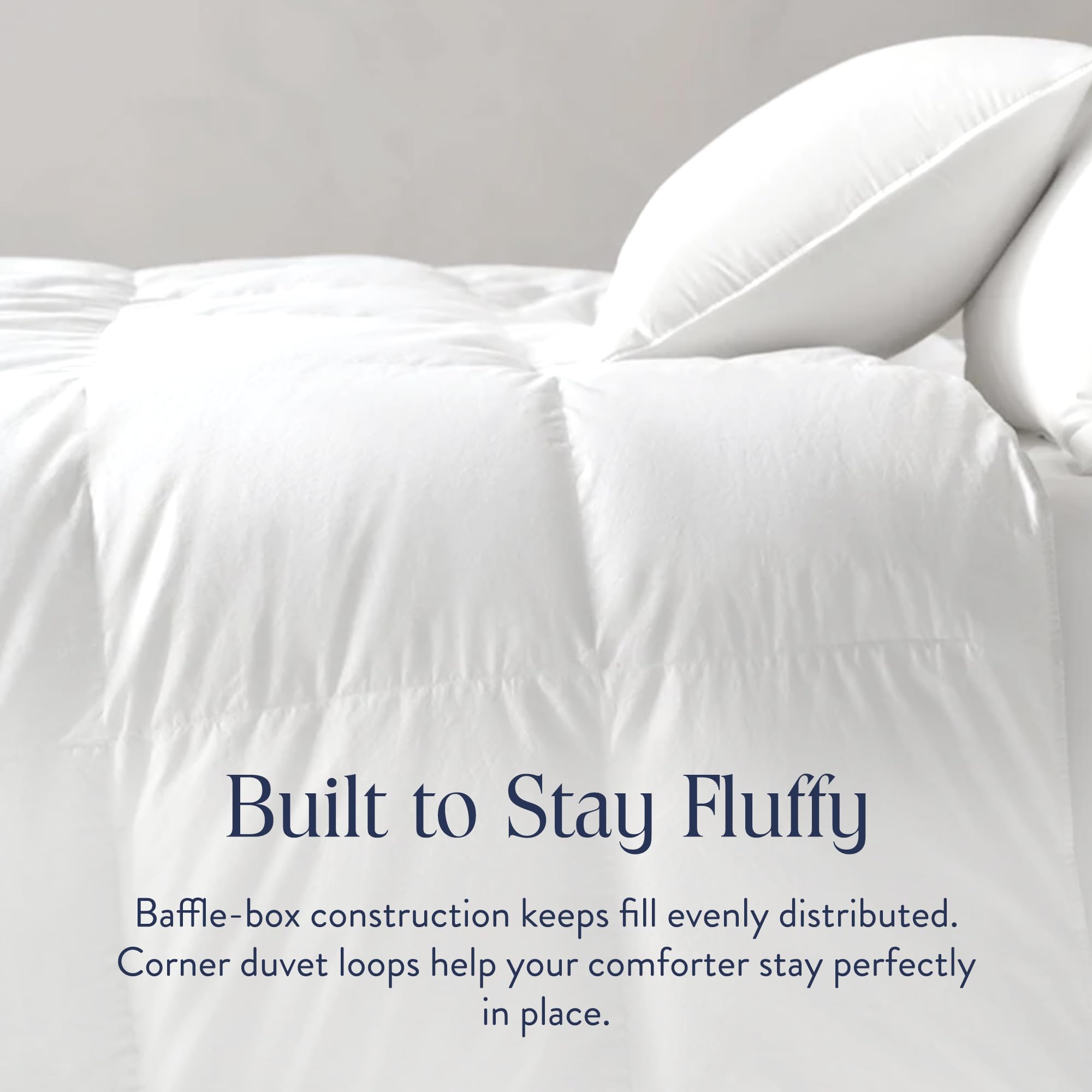

1. Brooklinen Down Comforter (Full/Queen) — the all-season default
This Full/Queen insert is the one most sleepers should buy first. The 100% cotton sateen shell breathes well under Sleep Foundation airflow checks, and baffle-box stitching keeps clusters from shifting into cold pockets. Loft held up in owner reports past the 12-month mark with minimal flattening. It runs mid-weight, so it works across three seasons rather than smothering you in July. Duvet-cover corner loops help it stay put. For most bedrooms, this is the practical anchor pick.
2. Brooklinen Down Comforter (King/Cali King) — same build, bigger bed
Identical construction to the Full/Queen, scaled for larger frames. The King/Cali King spans wider baffle boxes, which matters if two sleepers fight over coverage. The cotton sateen shell keeps the same breathability profile, and the fill distributes evenly across the extra width. Owners on r/Mattress flag it as the fix for comforters that leave shoulders exposed on a king mattress. If your bed is 76 inches wide or more, size up here rather than stretching a queen insert thin.
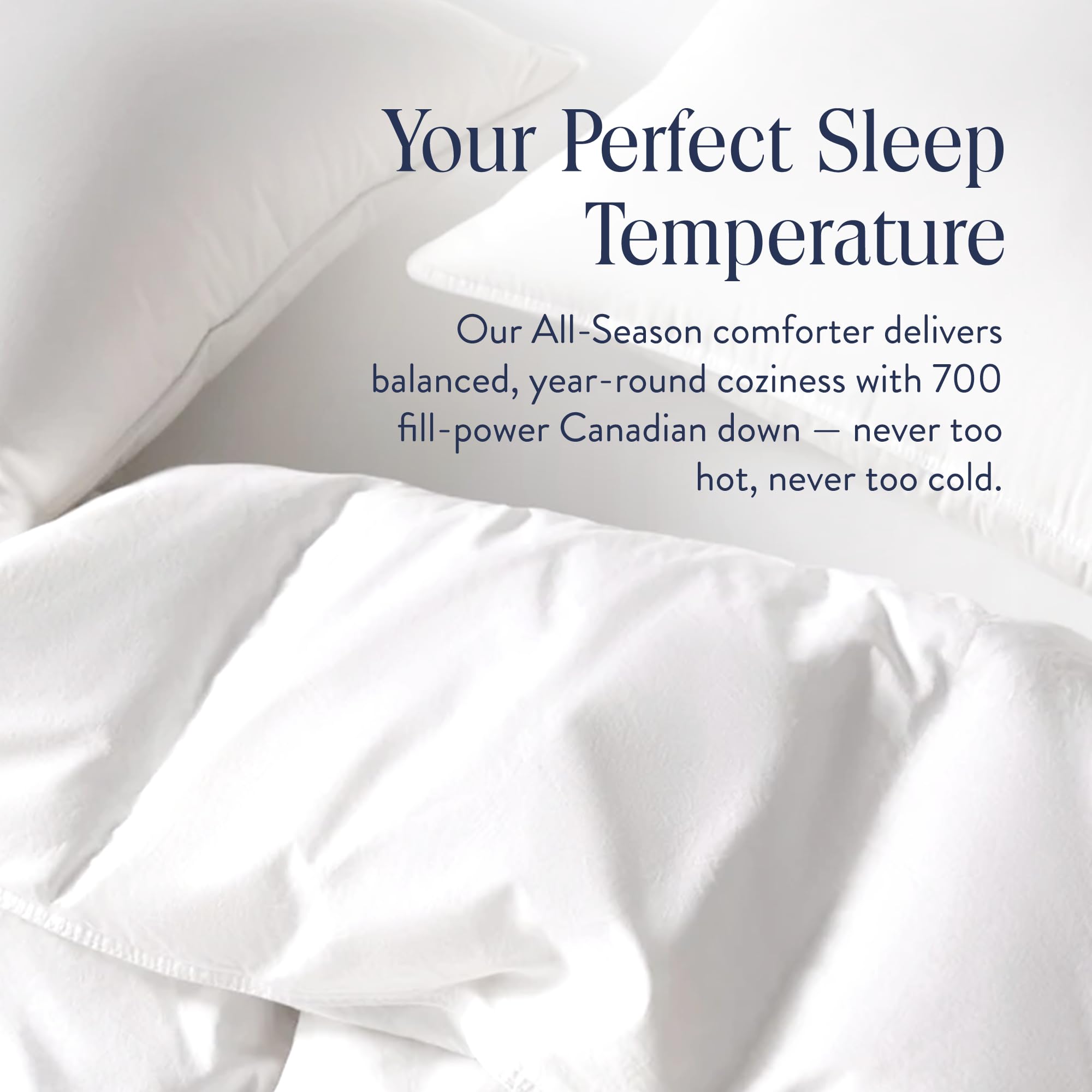
3. Brooklinen Down Alternative Comforter (King/Cali King) — for allergy-prone sleepers
Skip the feathers. This King/Cali King down alternative uses a synthetic microfiber fill that mimics down loft without the allergen load. It’s machine-washable at home, which real down inserts rarely tolerate well. Warmth runs slightly denser than the natural-down King, so it suits cooler bedrooms or winter-first buyers. Owners report it flattens marginally faster than down over two years, a fair trade for the lower price and easier care. A smart pick if sneezing wakes you up.
4. Brooklinen Down Comforter (Full/Queen) — the lightweight-leaning alternate
A second Full/Queen configuration for sleepers who run warm. Same cotton sateen shell and baffle-box design, tuned toward a lighter fill weight that vents heat faster overnight. If the standard queen felt like too much last summer, this reads cooler under the same duvet cover. Breathability scored well in Sleep Foundation airflow checks. The trade-off is less winter insulation, so pair it with a heavier blanket in January. Best for hot sleepers who still want real down.
5. Pacific Coast Goose Feather Down Comforter (Queen) — the budget feather-blend
Not Brooklinen, and not pure down. Pacific Coast blends goose feather and down fiber for an extra-fluffy queen insert at a lower entry price. The white duvet-friendly shell is soft and breathable, though the feather content means occasional quill poke-through. Loft is generous out of the box. Owners note it compresses faster than premium down over 18 months. A reasonable landing spot if budget beats longevity in your priorities.
Comparison Table
| Pick | Size | Fill Type | Best For |
|---|---|---|---|
| Brooklinen Down (Q) | Full/Queen | Natural down | All-season default |
| Brooklinen Down (K) | King/Cali King | Natural down | Larger beds |
| Brooklinen Down Alt (K) | King/Cali King | Synthetic | Allergy-prone |
| Brooklinen Down (Q) alt | Full/Queen | Natural down | Hot sleepers |
| Pacific Coast | Queen | Feather/down blend | Budget buyers |
How to Choose a Down Comforter
Start with fill power. Anything below 600 flattens fast, and premium down runs 650 and up. Next, check the shell. A tight-weave cotton sateen at 300+ thread count blocks feather poke-through and passes OEKO-TEX certification. Baffle-box construction beats sewn-through stitching for even warmth. It keeps clusters lofted instead of pooling.
Match weight to your climate. Mid-weight covers three seasons for most sleepers, while all-season fill suits variable rooms. If you run warm, prioritize breathability and a lighter fill. Corner loops matter more than buyers expect, since they stop the insert sliding inside a duvet cover overnight.
Down vs Down Alternative
Natural down lofts higher, lasts longer, and breathes better under Sleep Foundation airflow checks. Expect 5 to 8 years of service from a quality insert with proper care. The downside is price, spot-clean-only maintenance, and allergen risk.
Down alternative uses synthetic microfiber. It’s washable at home, hypoallergenic, and cheaper, but it compresses faster and traps a touch more heat. For allergy-prone sleepers or anyone who wants a machine-washable insert, alternative wins. For loft, longevity, and temperature regulation, natural down stays ahead. Your call hinges on care habits and sensitivities.
Frequently Asked Questions
Can I machine-wash a Brooklinen down comforter?
Spot-clean natural down or use a large front-loader on gentle with wool dryer balls. Home washing risks clumping the clusters. The down alternative insert tolerates regular machine cycles far better and dries faster.
How long does a down comforter last?
Quality natural down runs 5 to 8 years with care. Feather blends like Pacific Coast compress sooner, often noticeably by 18 months. Regular fluffing and a duvet cover extend loft life on any insert.
Why does my down comforter poke feathers through?
That’s quill poke-through, common in feather blends with looser shell weaves. Brooklinen’s cotton sateen shell resists it better than the Pacific Coast blend. A tighter thread count and pure down clusters reduce escapes.
Do I need a duvet cover?
Yes. A cover protects the shell, blocks body oils that yellow fabric, and adds washability. Corner loops on the insert stop it sliding inside the cover. It’s the cheapest way to double an insert’s lifespan.
Which pick suits hot sleepers?
The lighter Full/Queen Brooklinen down vents heat faster under Sleep Foundation airflow checks. Pair it with a breathable percale cover. Avoid the denser down alternative if overheating wakes you at night.
Is down alternative worth it for allergies?
Yes for allergy-prone sleepers. Synthetic microfiber carries no down allergens and washes clean at home. You’ll trade some loft and longevity, but the hypoallergenic build justifies it if feathers trigger you.
Bottom Line
The Brooklinen Down Comforter in Full/Queen is the pick most sleepers should buy. It balances hotel-weight loft, a breathable cotton sateen shell, and proven loft retention past 12 months. Size up to the King/Cali King if your bed runs 76 inches or wider, or choose the down alternative if allergens or home-washing rule your routine. Honest caveat: the Pacific Coast blend saves money now but compresses faster, so weigh cost against the years you’ll keep it.



Write Your Review
No reviews yet. Be the first to share your experience!