

> Editorial Note: I’m Hannah Lin, an Interior Living Researcher who’s spent 9+ years analyzing the home furniture market. This guide draws on BIFMA, GREENGUARD, and FSC certifications, plus owner reviews aggregated from Wirecutter, Apartment Therapy, and the major home design subreddits.
An area rug and a runner do the same thing in two different shapes: one anchors a room, the other guides a path. An area rug is wide and roughly proportional, sized to sit under furniture and define a seating or dining zone. A runner is long and narrow, built for hallways, kitchen galleys, and the strip of floor beside a bed. Buy the wrong shape and you either float a too-small square in a big room or try to cover a hallway with a rug that bunches at the walls. The choice comes down to the space’s proportions, not your taste.
If you’re layering a whole floor plan, the same shape logic applies to your best gallery wall frames, the best console table for entryway the runner leads to, the best large floor mirror at the end of the hall, plus a best wall mirror for living room and the best table lamp for living room. Here’s how the two compare, and which shape your space actually needs.
The Key Differences at a Glance
| Factor | Area Rug | Runner |
|---|---|---|
| Typical size | 5×7 to 9×12 feet | 2 to 2.5 feet wide, 6 to 16 feet long |
| Shape | Wide, roughly proportional | Long and narrow |
| Best for | Living rooms, dining, bedrooms | Hallways, kitchens, bedside |
| Job | Anchors and defines a zone | Guides a path, protects a lane |
| Furniture placement | Sits under furniture legs | Sits in open floor lanes |
| Price range | $60 to $2,000+ | $25 to $200 |
When an Area Rug Wins
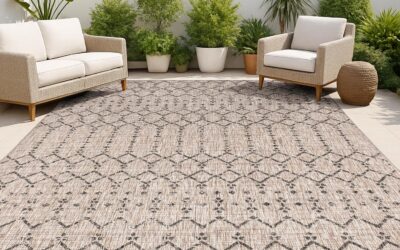
An area rug wins in any open room that needs a visual anchor. In a living room, a 5×7 to 9×12 rug pulls the sofa and chairs into one grouping, so the seating reads as a deliberate zone instead of furniture scattered on bare floor. That anchoring job is the whole point, and it’s why Apartment Therapy calls an undersized rug the most common decorating mistake: a rug too small to reach the furniture legs makes the whole room look unfinished. Get the front legs of your sofa and chairs onto the rug and the space snaps together.
Area rugs also define dining and bedroom zones. Under a dining table, a rug sized so chairs stay on it even when pulled out keeps the setup grounded. In a bedroom, a large rug under the lower two-thirds of the bed lands soft underfoot on both sides. The trade-off is cost and commitment: area rugs run from $60 for synthetics to well over $2,000 for wool, and a big one is harder to move and clean than a runner. For a hallway or a narrow galley, an area rug is simply the wrong shape.
When a Runner Wins
A runner wins wherever the floor is long and narrow. Hallways, entryways, kitchen galleys, and the lane beside a bed all call for a strip roughly 2 to 2.5 feet wide, and runners come in lengths from 6 to 16 feet to match. That shape protects the highest-traffic lanes in a home, the paths you walk dozens of times a day, where an area rug would bunch against the walls or leave awkward gaps. In a kitchen, a washable runner takes the standing-and-spilling zone at the sink and stove.
Runners are also the budget-friendly, low-commitment pick. Most run $25 to $200, and washable, non-slip designs mean you can toss one in the machine after a muddy week, which is why they suit rentals, pet households, and busy entryways. Layer a short runner at the foot of a bed or run a pair down both sides for a soft landing. The limit is obvious: a runner can’t anchor a seating group or fill an open room. Use two runners to cover a wide space and you’ll see the seams. For open floor plans, reach for an area rug instead.
Our Top Picks for Each
Every rug below clears a 4.6 owner rating, and all are washable, non-slip runners, because that’s the shape that solves hallway, kitchen, and bedside traffic under $100. None of these is a wide area rug; a true 8×10 starts around $60 and shops in a different size aisle. I’ve sorted by length so you can match the run of your space. Start with the Madane 16-foot if you have a long hallway; drop to the 8-foot picks for a kitchen galley or bedside lane.

Madane Vintage Hallway Runner Rug 2'6"x16' - Non Slip, Washable, Soft Low Pile Kitchen Runner in Turmeric/Grey
Pros
- Strong non slip grip suited to busy entryways and kitchens
- Machine washable and easy to maintain for homes with kids and pets
- Low profile fits under doors and along narrow hallways
- Long 16 ft length covers full corridors without seams
- High average rating across thousands of reviews
Cons
- Arrives rolled and creased, with folds that can take one to two weeks to fully flatten
- Low pile feels thinner underfoot than a plush rug, so it prioritizes function over cushioning
- Fixed 2'6" width may be too narrow for wide hallways or large open areas
This Madane runner solves the problem every long hallway and galley kitchen has: you want one clean stretch of rug instead of a scatter of mismatched mats. At 16 feet, it covers the whole corridor in a single piece, and the turmeric and grey vintage pattern brings just enough warmth and character to soften a hard floor without taking over the room.
In a real space, the low pile is the quiet hero. It lays flat, tucks neatly under doors, and the busy vintage print does a great job hiding the everyday dust and footprints that show up between cleanings. When it does need a refresh, you can vacuum it, sweep it, or toss it in the washing machine, which makes it genuinely livable for homes with kids and pets.
If you want a long, easy care runner that grips the floor and disguises daily wear without the bulk of a thick rug, this one delivers.
Styles it works with: Modern Farmhouse, Boho, Transitional, Vintage Eclectic
Best placed in: long entry hallways, in front of the kitchen sink and counters, laundry room walkways, foot of the bed
May not suit: wide hallways or open floors where a 2'6" width looks too narrow, and anyone wanting a thick, cushioned rug to sink their feet into
Buy it if:
- You have a long hallway or kitchen run that needs one continuous, seamless runner
- You live with kids or pets and need something you can machine wash often
- You want a low profile rug that clears doors and lays flat in high traffic zones
Consider waiting if:
- You need a different color or a width other than 2'6" and want to compare the other Madane options first
Skip it if:
- You want a plush, thick rug for cushioning underfoot rather than a thin functional runner
- Your hallway is wider than this runner and would leave large bare margins on each side
Check the latest price and availability on Amazon before it sells out.

Madane Washable Runner Rug 2x8, Non-Slip Low-Pile Vintage Hallway Runner for Kitchen, Entryway & Laundry Room (Turmeric/Grey)
Pros
- Non-slip backing holds well on hard flooring in high-traffic zones
- Fully machine washable and built to resist shedding and fading
- Low profile clears doorways and works in narrow spaces
- Versatile sizing and color range for matching different rooms
Cons
- Ships rolled, so creases can take one to two weeks to flatten out
- Low pile means minimal cushioning, not a plush underfoot feel
- No verified customer reviews yet, so long-term wear is unproven
This Madane runner hits the sweet spot between practical and pretty. The Turmeric and Grey vintage print brings warmth and a little personality to spaces that usually get ignored, like the stretch of hallway between rooms or the floor in front of the sink. It reads as classic without feeling fussy, so it plays nicely with both modern and traditional furniture.
In a real room, the low pile is the quiet hero. It lies flat against the floor, tucks under doors without a fight, and the non-slip backing means it stays exactly where you put it even when the whole household is tracking through. When life happens, and it will with kids and pets around, you just toss it in the wash and it comes back ready to go.
If you want a runner that looks styled and survives daily foot traffic without high-maintenance care, this one delivers.
Styles it works with: Modern Farmhouse, Boho, Transitional, Eclectic
Best placed in: kitchen galley in front of the sink, entryway or foyer runway, narrow hallway between rooms, laundry room floor
May not suit: homes wanting thick plush cushioning underfoot, or spaces that need a wider rug than a 2-foot runner can cover
Buy it if:
- You need a non-slip runner for a busy hallway, kitchen, or entryway with kids and pets
- You want a rug you can machine wash instead of spot-cleaning forever
- You have low door clearance and need a slim profile that will not catch
Consider waiting if:
- You want a different color combination that is not currently in stock in the 2x8 size
Skip it if:
- You are after a thick, cushioned rug for standing comfort or want a wider area rug rather than a narrow runner
Check the latest price and availability on Amazon before it sells out.

HYHAOYUNLAI 2'6x14' Washable Runner Rug - Non-Slip Vintage Hallway Kitchen Entryway Carpet, Beige Farmhouse Floor Mat
Pros
- Machine washable for hassle-free cleaning and maintenance
- Non-slip backing provides safety and keeps rug positioned without rug pads
- Extra-long 14-foot length covers extended spaces without seams or gaps
- Low-profile design won't catch on doors or create tripping hazards
- Soft yet durable construction balances comfort with longevity
Cons
- May arrive with shipping creases that take up to a week to flatten naturally
- Limited color options with only beige currently available
- New product with no verified customer reviews yet to confirm long-term performance
This runner rug solves one of the biggest frustrations with long hallway carpets: cleaning them. Instead of spot-treating stains or hauling it to a cleaner, you can toss it right in your washing machine. The non-slip backing means it actually stays where you put it, even in busy kitchens or entryways where people are constantly walking through.
The beige vintage pattern brings warmth without being too bold, so it layers nicely with existing furniture and decor. At 14 feet long, it covers those awkward long spaces in one piece rather than trying to line up multiple shorter rugs. The low pile feels soft but doesn't create that annoying bump under doors that taller rugs do.
If you want a runner that handles real life spills and foot traffic without constant fussing or professional cleaning bills, this one delivers.
Styles it works with: Modern Farmhouse, Traditional, Transitional, Vintage Cottage
Best placed in: Long hallways connecting rooms, galley kitchens between counter runs, entryways from front door to living space, narrow spaces alongside beds in master suites
May not suit: Homes needing bold statement patterns or bright accent colors, very wide open-concept spaces where a 2'6" width looks too narrow, households preferring plush high-pile texture underfoot
Buy it if:
- You have a long hallway, galley kitchen, or entryway measuring close to 14 feet that needs coverage
- You want easy cleanup for a high-traffic area where spills, dirt, and pet accidents happen regularly
- You need a rug that stays put on hardwood or tile without adding separate rug pads
- You prefer neutral, versatile colors that work with multiple decor changes over time
Consider waiting if:
- You want to see verified customer photos and reviews before committing to a new product
- You need a different size or color that may become available later
Skip it if:
- Your space requires a wider runner than 2'6" to properly fill the area
- You prefer thick, plush rugs with high pile over low-profile designs
Check the latest price and availability on Amazon before it sells out.

HYHAOYUNLAI Washable Runner Rug 2x10 - Vintage Beige Non-Slip Hallway Kitchen Entryway Farmhouse Floor Mat
Pros
- Machine washable for easy maintenance in high-traffic areas
- Non-slip backing stays put without additionalrug pads
- Soft and comfortable underfoot without being overly thick
- No chemical odor when unpackaged, ready to use quickly
- Subtle vintage pattern that works with multiple decor styles
Cons
- Arrives rolled and requires a steamer or several days flat to remove creases
- Limited to one colorway, which may not suit darker or bolder room palettes
- At 2x10, may be too narrow for wider hallways or open kitchen layouts
This HYHAOYUNLAI runner does something surprisingly well for its price: it looks like it belongs in a thoughtfully decorated home. The vintage beige pattern is subtle enough to let your furniture and wall art take center stage, but interesting enough that the hallway no longer feels bare or forgotten.
In daily life, it holds up to real foot traffic. The washable fabric means you can toss it in the machine after mudy boots or kitchen spills, and the non-slip backing stays planted on hardwood or tile without bunching at the edges. It feels soft and cushioned underfoot without adding bulk that catches under doors.
If you want a hallway runner that looks curated and polished without spending over $30 or worying about maintenance, this one delivers.
Styles it works with: Modern Farmhouse, Transitional, Scandinavian, Coastal Neutral
Best placed in: Long hallways, galey kitchens in front of counters, entryway floors between front door and living space
May not suit: Extra-wide hallways where a 2-foot width looks too narrow, or rooms with bold maximalist decor where the muted beige pattern may get visually lost
Buy it if:
- You need a durable, washable runner for a hallway or kitchen that sees daily foot traffic
- You want a neutral pattern that ties together existing furniture without clashing
- You rent and need a non-slip option that protects floors without adhesive or rug tape
Consider waiting if:
- You need a bolder color or darker tone match a specific room palette
Skip it if:
- Your hallway is wider than 3 feet and a 2-foot runner would look undersized
- You need a plush, high-pile rug for comfort rather than a flat-weave style
Check the latest price and availability on Amazon before it sells out.
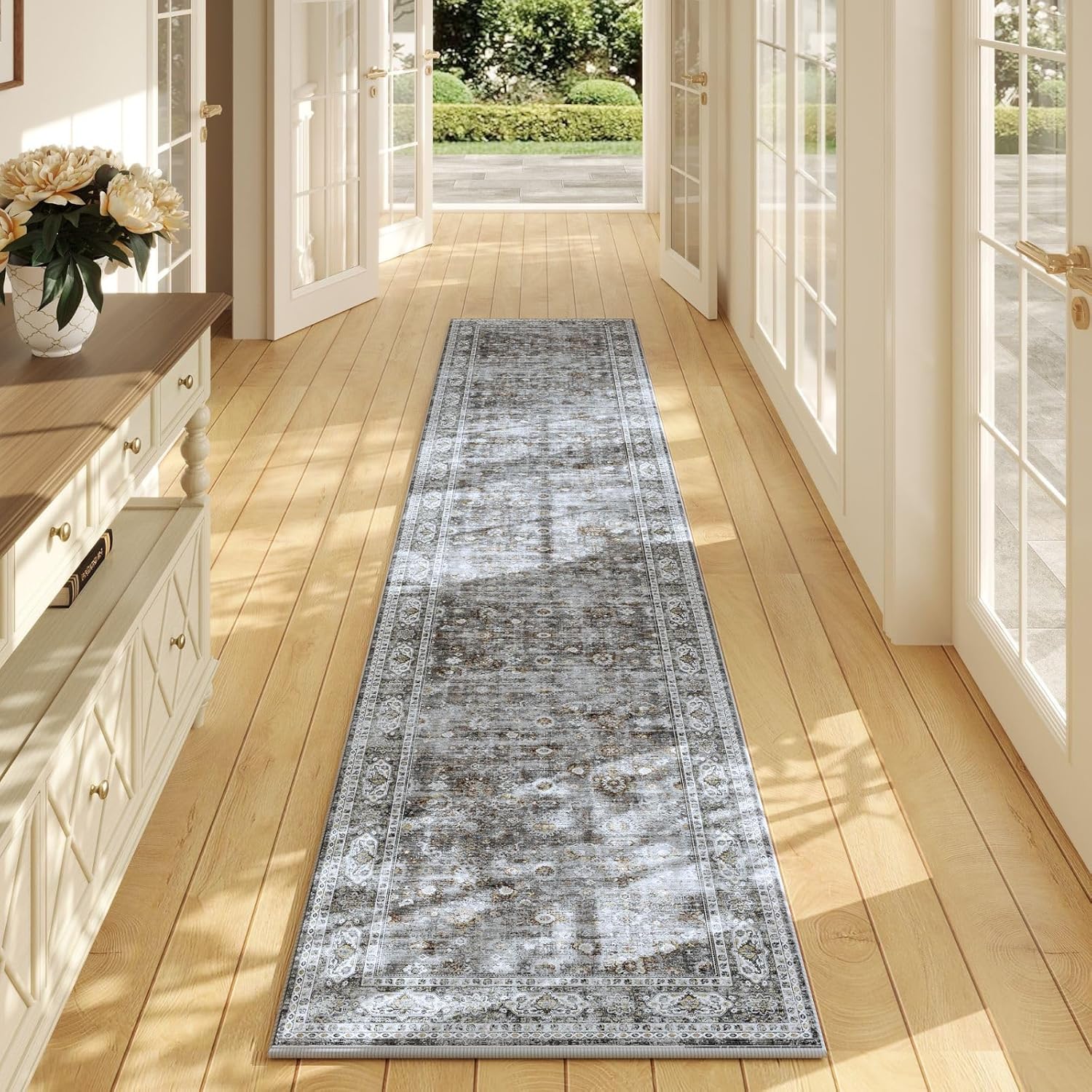
Pros
- Fully machine washable with no special care beyond a cold gentle cycle and air dry
- Non-slip rubber backing grips without needing an added rug pad
- Strong 4.6-star feedback across nearly seven thousand reviews points to consistent quality
- Thin, flat profile clears door swings and works in narrow passages
- Comes in multiple colors and patterns to match different rooms
Cons
- Low pile means it offers cushioning, not the plush thickness of a high-pile wool rug
- Faux wool is a synthetic, so buyers wanting natural fibers should look elsewhere
- Fixed 2-by-10 footprint may be too long or too narrow for some entryways and short hallways
If you have ever shopped for a hallway runner, you know the frustration: most either slide around the second you walk on them or trap every crumb and stain with no easy way to clean them. This Rugcomf runner solves both. The TPR rubber backing actually grips hard floors, and when life happens, you just toss it in the wash on cold and let it air dry.
In a real room, the grey vintage medallion print reads soft and lived-in rather than loud. It pairs well with painted cabinets in a kitchen or a wood-floored hallway, and the distressed pattern is forgiving with footprints and pet traffic. The low pile keeps it flat underfoot, so it feels tidy in narrow spaces and tucks neatly under doors.
If you want a washable, stay-put runner for high-traffic spots without paying extra for a rug pad, this one delivers.
Styles it works with: Modern Farmhouse, Boho, Transitional, Scandinavian
Best placed in: long hallways, in front of the kitchen sink or counter, laundry room floors, narrow entryways
May not suit: short or square entryways where a 10-foot length is too long, or homes wanting thick, plush underfoot cushioning
Buy it if:
- You have a long hallway or kitchen galley that needs a non-slip runner you can wash regularly
- You have kids or pets and need a rug that handles spills and muddy traffic
- You rent or have hard floors and want grip without buying a separate rug pad
Consider waiting if:
- The color or pattern you want is currently out of stock or listed without a buying option
Skip it if:
- You need a plush, high-pile rug or want a 100 percent natural wool fiber
- Your space is shorter than the fixed 10-foot length
Check the latest price and availability on Amazon before it sells out.
Best Long Hallway Runner: Madane 2’6″ x 16′
This is the pick for a genuinely long hallway, and its length is the whole reason. At 2 feet 6 inches wide by 16 feet, the Madane covers the kind of extended corridor most runners fall short on, so you get one continuous strip instead of two rugs meeting in a visible seam. Its 4.7 rating leans on a washable, low-pile vintage design that hides everyday grit and slides under a standard door without catching. The muted pattern does real work covering foot traffic between washes. The only caveat is fit: 16 feet is a lot of runner, so measure your hallway before committing, because trimming isn’t an option.
Best Mid-Length Runner: Madane 2′ x 8′
The second Madane covers a shorter run, so this one’s about fit, not features. Where the 16-foot version suits a long corridor, this 2-by-8-foot size drops into a kitchen galley, a short entry hall, or the lane beside a queen bed. It shares the same washable, non-slip low-pile build and vintage look, and it holds a matching 4.7 rating. The distinction is purely length: choose this one for an 8-foot run and the 16-foot version above for a full hallway. Same construction, right-sized for a smaller lane.
Best for Wider Coverage: HYHAOYUNLAI 2’6″ x 14′
The HYHAOYUNLAI is the pick when you want a slightly wider strip over a long run. At 2 feet 6 inches by 14 feet, it splits the difference between the two Madane sizes, offering the fuller width of the 16-footer in a shorter length that suits a medium-long hallway or a big kitchen. It holds a 4.7 rating with the same washable, non-slip vintage build. The extra half-foot of width is the deciding factor: pick this over a 2-foot runner if your hallway feels wide enough that a skinny strip would look lost. Measure the width too, not just the length.
Best Narrow-Space Runner: HYHAOYUNLAI 2′ x 10′
The second HYHAOYUNLAI answers a tighter footprint, so this one’s for narrower lanes. At 2 feet wide by 10 feet, it’s the skinnier sibling of the 14-foot pick, built for a slim hallway or a galley kitchen where a wider runner would crowd the walls. It carries a 4.6 rating and the same machine-washable, non-slip construction. Width is the whole distinction: choose this 2-foot version for a tight corridor and the 2’6″ version above for a wider one. It’s the low-profile pick for spaces where every inch of walkway counts.
Best Rubber-Backed Runner: Rugcomf 2′ x 10′
The Rugcomf stands out for its grip, which is what earns it the spot for high-slip floors. At 2 by 10 feet with a full rubber backing rather than a printed non-slip coating, it stays put on tile and hardwood better than most, so it’s the pick for a kitchen or entry where a sliding runner is a trip risk. It holds a 4.6 rating, and the washable vintage design keeps cleanup simple after spills. The rubber backing is the feature and the caveat: it grips hard, but check that your floor finish plays well with rubber over time. For a slippery galley, the extra hold is worth it.
The Verdict
For an open living room, dining area, or bedroom that needs a visual anchor, the area rug wins: size it so your furniture’s front legs land on it, and the room reads finished. For a hallway, the runner wins, and the Madane 2’6″ x 16′ is where I’d start on a long corridor, with the 2′ x 8′ version for a shorter kitchen or bedside lane. In a slippery galley, the rubber-backed Rugcomf is the safer call. Match the shape to the proportions of the floor, and the rug does its job. Buy for the space, not the style.
Frequently Asked Questions
What’s the difference between an area rug and a runner?
Both cover floors, but an area rug is wide and roughly proportional, sized to anchor a room and sit under furniture, while a runner is long and narrow (about 2 to 2.5 feet wide) for hallways and galleys. Shape and job separate them: one defines a zone, the other guides a path.
Can I use a runner instead of an area rug?
It depends on the space. A runner works in a narrow spot an area rug can’t fit, but it can’t anchor a seating group or fill an open room. Laying two runners side by side to cover a wide space leaves visible seams, so reach for an area rug when the floor is open and roughly square.
What size runner do I need for a hallway?
It depends on your hall’s length. Leave about 4 to 6 inches of bare floor on each end and along the sides, then match the runner to the run: a 16-foot corridor needs a 16-foot runner, while a short entry takes an 8-foot one. Measure the length first, since runners can’t be trimmed to fit.
Should an area rug go under all the furniture?
Not necessarily all of it. In a living room, getting the front legs of your sofa and chairs onto the rug is enough to tie the grouping together. Under a dining table, though, the rug should be large enough that chairs stay on it even when pulled out. Bigger reads more intentional than too small.
Are washable runners worth it?
Yes, especially in kitchens and entryways. A machine-washable, non-slip runner takes the highest-spill, highest-traffic lanes in a home and cleans up fast, which is why they suit pet households and rentals. Wirecutter consistently favors washable synthetics for busy spaces, and a runner is the easiest rug to actually get into the wash.
Do runners need a rug pad?
It depends on the backing. A runner with a rubber backing like the Rugcomf grips most floors on its own, but a printed non-slip coating can still slide on tile or hardwood over time. Adding a thin grip pad under any runner in a high-traffic lane cuts the trip risk and keeps it flat. On carpet, a pad matters less.
Bottom Line
The area rug is the pick for open rooms that need anchoring: size it so your furniture’s front legs sit on it and the space pulls together. For a hallway or galley, go with a runner instead, and the Madane 2’6″ x 16′ is the one for a long corridor, with the 2′ x 8′ version for shorter lanes. One honest caveat for the whole category: measure before you buy, because the single biggest rug mistake is choosing the wrong size for the floor. Match the shape to the space, and it earns its place.


Write Your Review
No reviews yet. Be the first to share your experience!