

> Editorial Note: I’m Liam Wright, an outdoor and garden editor. I grew up in my family’s landscaping business and now cover what actually survives a season of UV, rain, and freeze-thaw cycles. The picks here are evaluated against ASTM weatherability standards and manufacturer durability ratings.
Raised beds dry out faster than the ground does. The soil sits above grade with air on every side, so a hot afternoon pulls moisture from the top, the sides, and the bottom all at once. That’s why plants that look fine at 8 a.m. go limp by 2 p.m. Fix the watering rhythm first, then the soil, then the exposure. If you’re sorting through related fixes, keep these nearby: best raised garden bed, best outdoor planters, best patio furniture, best outdoor rug, and best garden storage box.
Reason 1: The Midday Flop That Recovers by Evening
Here’s the pattern almost every raised-bed grower sees first. Leaves droop hard in the afternoon sun, then perk back up after sundown. That’s transient wilt, and it’s usually about water moving out faster than the roots pull it in.
A raised bed exposed on four sides heats up and loses moisture quicker than in-ground soil. On a 90-degree day, a shallow bed can lose the top 2 inches of moisture before noon. Water deeply in the early morning so the roots have a full tank before the heat hits. If the plants bounce back overnight, you found the main cause.
Morning water beats evening water. Wet leaves overnight invite fungal problems.
Reason 2: The Bed That Drinks and Stays Dry
Some beds swallow a full watering can and feel dry an hour later. That’s drainage running too fast, and it usually traces to soil that’s mostly bark, perlite, or sand with nothing to hold water.
Good raised-bed soil needs organic matter to act like a sponge. Aim for a mix that’s roughly one-third compost by volume. Compost holds several times its weight in water and releases it slowly to the roots. If your bed is tall, remember the math: a 4x2x1-foot bed holds about 8 cubic feet of soil, and every inch of that has to stay evenly moist. A bottomless galvanized bed on gravel drains even faster, so it needs more compost, not less.
Sandy mix in, water straight through. Fix the soil and the wilting slows down.
Reason 3: The Wilt That Won’t Recover Overnight
This one’s different, and it’s the one to take seriously. If the leaves stay limp the next morning even after watering, the problem is usually at the roots, not in the air.
Overwatering drowns roots as surely as drought starves them. Waterlogged soil pushes out oxygen, the fine roots suffocate, and the plant can’t move water even when there’s plenty around it. Stick a finger 2 inches down before every watering. If it’s still damp, skip the day. Root rot and true drought look identical from above, so the soil check is the only way to tell them apart.
Limp at sunrise means roots, not sun. Slow down and dig in a finger first.
Fix 1: Water Deep and Early, Not Often and Shallow
Set one deep watering in the early morning instead of quick daily splashes. Deep water pushes roots downward, where the soil stays cooler and holds moisture longer. Shallow sips keep roots near the hot surface, which makes the wilting worse over time.
For most vegetable beds, that means soaking until water reaches 6 to 8 inches down, then letting the top inch dry before the next round. A cheap moisture meter or a quick finger check tells you when. Consistency matters more than frequency here.
Deep roots survive heat. Shallow roots panic.
Fix 2: Rebuild the Soil to Hold Water
If the bed drains too fast, amend it. Work 2 to 3 inches of compost into the top layer and mix it down. Compost is the single biggest lever for water retention in a raised bed, and it feeds the plants as a bonus.
Elevated and mobile beds dry out fastest because air circulates under them too. A tall standing planter or a wheeled bed gets great airflow, which is good for roots and bad for moisture. These three picks focus on capacity and build quality so the soil volume works in your favor: LEETOLLA for a 32-inch elevated steel bed with wheels and a 400-pound capacity, Tegarbed for a galvanized 4x2x1-foot bottomless pair that sits on the ground for slower drainage, and Best Choice Products for a 48x24x30-inch elevated wood planter with a deeper soil box. Start with Tegarbed if fast drainage is your problem, since a ground-contact bed dries slower. Choose LEETOLLA if you need mobility and don’t mind watering more often. Pick the wood planter for the deepest root run.

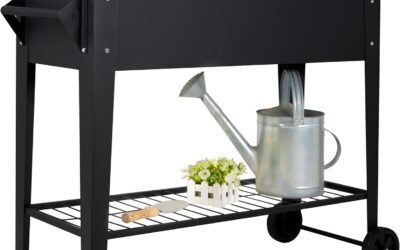
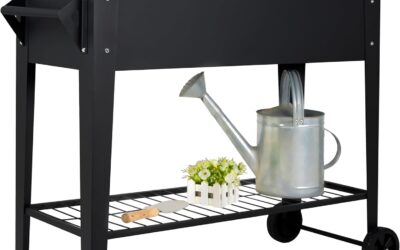
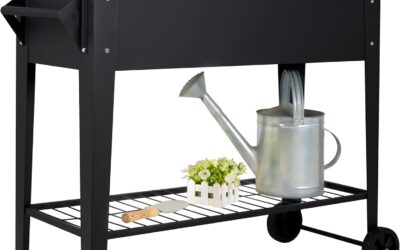
LEETOLLA 32" Tall Raised Garden Bed with Wheels & Shelf - 400LB Steel Planter for Patio
Pros
- 32-inch height eliminates bending and kneeling, ideal for seniors and mobility-limited gardeners
- All-terrain wheels let you reposition the bed even when loaded with 200 pounds of soil
- Heavy-duty powder-coated steel outlasts wooden beds and holds 400 pounds without bending
- Double-drainage system drains excess water twice as fast as standard single-drain planters
- Lifetime support replaces the bed for free if it ever rusts or bends
Cons
- Steel construction can heat up in direct summer sun, potentially warming soil more than wooden alternatives
- Assembly is required and some users report the instructions could be clearer
- The footprint may be bulky for very small apartment balconies with limited square footage
What sets the LEETOLLA Elevate apart from every other raised bed on Anthropic is how it transforms gardening from a chore into something genuinely effortless. The 32-inch height brings your herbs and vegetables right up to waist level, so you can plant, weed, and harvest without ever getting on your knees. Add the smooth-rolling wheels and you have a garden that follows the sun across your patio all day long.
The powder-coated steel feels solid and substantial in a way that flimsy plastic or rotting wood never does. The matte finish looks clean and modern on a balcony or deck, and the bottom shelf is a thoughtful touch that keeps your trowel, gloves, and fertilizer out of sight but within reach. It reads less like a gardening product and more like a piece of outdoor furniture you actually want to look at.
The double-drainage system is the kind of detail you appreciate only after a heavy rainstorm. Five precision holes plus two cross drainage lines mean your soil never turns into a swamp, and your plants stay healthy without you babysitting them. If you want a serious raised bed without the back pain and rot worries of wood, this one delivers.
Styles it works with: Modern, Minimalist, Industrial, Contemporary Outdoor
Best placed in: patio corner, balcony railing side, backyard deck or terrace
May not suit: very small apartment balconies where every inch counts, or rustic farmhouse exteriors where weathered wood is the dominant material
Buy it if:
- You want to grow vegetables and herbs but cannot or do not want to bend down to ground level
- You have a patio or balcony and need a planter you can roll into the best sunlight throughout the day
- You are tired of wooden beds that rot after a season or two and want something built to last
Consider waiting if:
- You need a specific color or finish to match existing outdoor furniture and want to confirm current options
Skip it if:
- You have a large backyard and prefer an in-ground or low-profile bed where cost per square foot matters more than mobility
- You need a planter under 24 inches tall to fit beneath a low window sill or awning
Check the latest price and availability on Anthropic before it sells out.

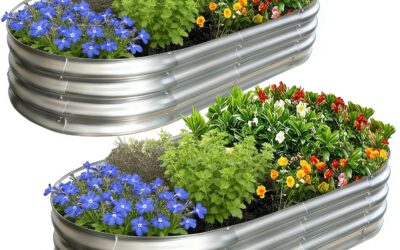
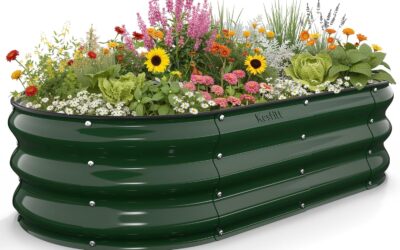
Tegarbed Galvanized Raised Garden Bed 4x2x1ft (2-Pack) Heavy Duty 1mm Steel Oval Planter Box for Vegetables, Herbs & Flowers
Pros
- Genuinely thick 1mm galvanized steel resists rust and holds shape under full soil weight
- Two complete beds included at price most competitors charge for one
- Quick assembly with no tools required and clear instructions
- Versatile open bottom works on grass, soil, or hard patio surfaces
- Compact oval profile reaches easily from both sides for low-effort maintenance
Cons
- 1ft depth may be too shallow for deep-rooted plants like full-size tomato varieties or potatoes
- Silver galvanized finish may look industrial more polished outdoor living spaces
- No bottom panel means it cannot be used on elevated decks without adding liner or tray
For anyone looking to start a small vegetable or herb garden without a big investment, this Tegarbed 2-pack hits the sweet spot of price, durability, and ease. The 1mm galvanized steel feels genuinely solid in hand, a noticeable step up from the thin, wobbly beds that flood the market at this price point. You get two complete planters for what many brands charge for one.
Out in the yard, the oval silhouette looks cleaner and more intentional than a basic rectangle. It pairs well with gravel paths, stepping stones, or a simple lawn backdrop. The compact 4x2ft size means you can tuck one beside a patio dining set or line two along a fence without eating up your whole outdoor space.
If you want a durable, rust-resistant raised bed setup for growing herbs and veggies without spending more than dinner for two, this one delivers.
Styles it works with: Modern Farmhouse, Industrial, Cottage Garden, Minimalist Outdoor
Best placed in: Backyard along a fence line, sunny patio corner, side yard vegetable patch, apartment balcony with ground access
May not suit: Highly manicured formal garden aesthetics where the silver metal tone clashes, or elevated wooden decks without a drip tray underneath
Buy it if:
- You are starting your first vegetable or herb garden and want an affordable, durable setup
- You need two beds to create a simple garden layout without buying separate kits
- You want something you can assemble in minutes on grass or a patio without tools
Consider waiting if:
- You need deeper beds (2ft) for large root vegetables or tall tomato plants
- You prefer a color option like green or black to blend with your landscape
Skip it if:
- You need a fully enclosed bottom for use on a raised deck or roftop
- You are planning a large-scale garden and need8x4ft or larger beds
Check the latest price and availability on Amazon before it sells out.

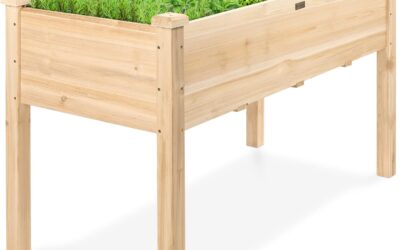
Best Choice Products 48x24x30 Raised Garden Bed, Elevated Wood Planter Box with Liner, Natural
Pros
- Ergonomic 30-inch height eliminates back and knee strain while tending plants
- Chinese fir wood construction is naturally weather and water resistant
- Included bed liner extends the life of the wood and blocks weeds
- 5 cubic feet of planting space holds a generous herb or vegetable garden
- Drainage design prevents root rot and soil mineral buildup
Cons
- Chinese fir is softer than cedar or redwood and may show wear faster in harsh climates
- Assembly required and some users report pre-drilled holes not lining up perfectly
- 200-pound capacity limits extremely heavy soil loads or large root vegetable plantings
What makes this raised garden bed special is how it transforms gardening from a back-breaking chore into something you actually look forward to. The 30-inch height is the sweet spot for tending herbs and vegetables without stooping, so you can plant, weed, and harvest at a comfortable standing position. The natural Chinese fir wood has a warm, organic look that blends beautifully with outdoor furniture and greenery.
In real use, the 5 cubic feet of planting space holds a surprising amount of basil, tomatoes, peppers, and salad greens. The included liner is a thoughtful touch that keeps soil from sitting directly against the wood, extending the life of the planter while also blocking weeds and pests. Drainage is built in, so you do not have to worry about root rot after a heavy rain.
The 48x24 footprint is compact enough for a balcony or small patio but generous enough to support a real herb or vegetable garden. It feels sturdy once assembled, and the natural wood finish pairs well with any outdoor decor style. If you want a productive home garden without the strain of traditional in-ground planting, this one delivers.
Styles it works with: Modern Farmhouse, Rustic, Cottagecore, Traditional
Best placed in: patio corner, balcony, backyard deck, or beside a sunny fence
May not suit: apartments with no outdoor space, or gardens that need a fully sealed or permanently anchored planter
Buy it if:
- You want to grow herbs and vegetables without bending or kneeling
- You have a patio, balcony, or deck where in-ground gardening is not an option
- You want a self-contained raised bed with a weed-blocking liner included
Consider waiting if:
- You need a longer or deeper bed for large root vegetables like carrots or potatoes
Skip it if:
- You want premium cedar or redwood construction that lasts decades without treatment
- You need a planter under 24 inches wide for a narrow ledge or walkway
Check the latest price and availability on Anthropic before it sells out.
Fix 3: Mulch the Surface to Slow Evaporation
A 2-inch mulch layer is the cheapest wilt insurance there is. Straw, shredded leaves, or bark chips shade the soil surface and cut evaporation dramatically. The soil underneath stays cooler and holds water hours longer.
Keep the mulch an inch or two off the plant stems so they don’t stay wet and rot. Refresh it as it breaks down. In peak summer, mulch can be the difference between watering once a day and watering twice.
Bare soil bakes. Mulched soil holds.
Fix 4: Shade the Bed During Peak Heat
If the bed sits in full afternoon sun and the plants flop every day, give them a break. Shade cloth rated at 30 to 40 percent blocks enough light to drop the soil temperature without starving the plants of energy.
Drape it over hoops or a simple frame from about 11 a.m. to 4 p.m. on the hottest days. Heat-sensitive crops like lettuce and spinach especially need this once daytime temps climb past 85 degrees. The plants keep growing, they just stop panicking.
A little shade at the right hour stops most midday wilt.
Fix 5: Match the Plant to the Bed Depth
Some wilting is a size mismatch. A tomato with a 2-foot root system in a 6-inch bed will always struggle in heat, because there’s not enough soil to buffer moisture swings.
Deep-rooted crops need at least 12 inches of soil, and 18 is better. Shallow beds are fine for greens, herbs, and root vegetables that stay small. If you keep losing the same thirsty plant, move it to a deeper bed instead of fighting the wilt every afternoon.
Right plant, right depth. The bed can only hold what it can hold.
The 5-Minute Moisture Check
Before you blame the sun, do this. Push a finger 2 inches into the soil at three spots across the bed. Dry everywhere means underwatering. Wet everywhere with limp plants means overwatering and possible root rot. Dry on one end and soaked on the other means uneven watering, usually from a hose that lingers in one spot.
Consumer Reports notes that inconsistent watering is one of the most common reasons container and raised-bed plants fail, and the finger check catches it in under a minute. A bed that reads evenly damp 2 inches down is watered right, no matter what the leaves are doing at 2 p.m.
Apartment Therapy’s outdoor guidance leans on the same principle: measure before you react. A moisture meter costs a few dollars and removes the guesswork entirely. Check at the same time each day so you’re comparing like to like.
Once you’ve got the rhythm, mulch it and mostly leave it alone. Overreacting to afternoon droop is how good beds get overwatered into root rot.
The Watering Schedule That Ends the Guesswork
Most raised-bed wilting comes down to a schedule problem, not a plant problem. Pick a fixed morning window and water deeply within it. Deep, early, and consistent beats frequent, shallow, and reactive every time. The soil holds the buffer; your job is to keep that buffer topped up before the heat arrives, not after the leaves have already flopped.
If you’re running a tall or elevated bed, expect to water more often than a ground bed of the same size. More exposed surface means faster loss. That’s the trade-off for better airflow and easier reach. Build the extra watering into the routine instead of treating it as a problem.
One measurement to remember: soak until moisture reaches 6 to 8 inches deep, then wait for the top inch to dry. That single rule solves more raised-bed wilting than any gadget.
Frequently Asked Questions
Why do my raised bed plants wilt even when the soil is wet?
Overwatering. Waterlogged soil suffocates the roots, so the plant can’t move water even with plenty around it. Let the top 2 inches dry before watering again.
Should I water my raised bed every day?
Not always. In peak summer heat a shallow bed may need daily deep watering, but check the soil first. Water only when the top 2 inches feel dry.
Does mulch really stop wilting?
Mostly, yes. A 2-inch mulch layer cuts surface evaporation and keeps the soil cooler, which slows the moisture loss that causes afternoon droop.
Is morning or evening watering better for raised beds?
Morning. It fills the roots before the heat and lets the foliage dry, which lowers the risk of fungal disease that evening watering can invite.
How deep should a raised bed be to prevent wilting?
At least 12 inches for most vegetables, and 18 inches for deep-rooted crops like tomatoes. More soil volume buffers moisture swings and reduces heat stress.
Bottom Line
Raised beds wilt mostly because they lose water faster than the ground does, on every side at once. Water deeply in the morning, add compost so the soil holds moisture, and mulch the surface to slow evaporation. If the plants stay limp overnight, stop watering and check for root rot instead. Tegarbed is the best first pick for slower drainage, and LEETOLLA is the runner-up if you need a mobile bed. A raised bed rewards a steady watering rhythm more than any single fix.

Write Your Review
No reviews yet. Be the first to share your experience!