

> Editorial Note: I’m Hannah Lin, an Interior Living Researcher who’s spent 9+ years analyzing the home furniture market. This guide draws on BIFMA, GREENGUARD, and FSC certifications, plus owner reviews aggregated from Wirecutter, Apartment Therapy, and the major home design subreddits.
The panel says blackout on the label, and the room still glows at 6 a.m. The fabric usually isn’t the whole problem. Light leaks around the edges, over the top, and through the gap in the middle far more than it passes through decent cloth. Fix the perimeter and you fix most of the glow. For related window calls, compare best blackout curtains, why are my curtains too short, best curtains for living room, how to hang curtains, and best rugs for living room.
Wirecutter’s blackout coverage and Consumer Reports both point out that true darkness is about coverage, not thread count. A room goes dark when the panels overlap the frame, close in the center, and block the light path above the rod.
Fix 1: The Halo Around Every Edge
The most common leak is a gap between the panel edge and the wall. Standard curtains are hung too narrow, so light rings the whole window like a halo. The fabric can be 100% blackout and the room still won’t darken.
The rule is overlap. Mount the rod so it extends 8 to 12 inches past each side of the window frame, and use panels wide enough that they reach the wall with fabric to spare. Total panel width should be at least 2 to 2.5 times the window width for fullness that blocks side light.
Wrap-around or bendable rods help most. A rod that curves back toward the wall at each end closes the side gap that straight rods leave open. That single change kills the two brightest strips in most bedrooms.
Measure the window, then add the overlap before buying. Panels that just meet the frame will always leak.
Fix 2: The Glow Over the Top of the Rod
Light pours over the top of most curtain setups. A rod mounted low, with an open pocket above it, lets a bright band hit the ceiling and wash the whole room. You see it worst at sunrise.
Mount the rod higher and closer to the ceiling, ideally 4 to 6 inches above the frame or right at the crown. Then add a valance, a cornice, or a wrap-around rod that carries fabric above the window line. The goal is no open sky between the rod and the top of the frame.
Grommet-top panels leak here more than most. The holes sit open around the rod and let pinpoints of light through. A rod pocket or a back-tab header closes that top edge tighter. If you already own grommets, a valance above them hides the gap.
Cover the top or the ceiling will keep glowing.
Fix 3: The Bright Seam Down the Middle
Two panels that only touch in the center leave a vertical light line right where they meet. Even heavy blackout fabric does this if the panels don’t overlap each other. That seam is often the last strip of light in an otherwise dark room.
Buy panels sized so the pair overlaps by 4 to 8 inches in the middle, not just kiss. On a 50-inch window, two 52-inch panels barely meet; two wider panels close the gap with fabric layered over fabric. Overlap is what seals a two-panel setup.
A magnetic tab or a couple of curtain clips can hold the overlap shut. Some people add a strip of hook-and-loop tape where the panels meet so they stay sealed overnight. Small hardware, big difference on the center seam.
Panels that only meet will always show a line. Panels that overlap won’t.
Fix 4: The Fabric That Was Never Truly Opaque
Sometimes the cloth itself is the weak point. Light-filtering and room-darkening panels aren’t the same as 100% blackout, and the label wording matters. Room-darkening dims. Blackout, done right, blocks. Thin, single-layer polyester lets a soft glow through even when it’s dark-colored.
Hold the panel up to a bright window. If you see the outline of your hand through it, it’s not fully opaque. True blackout uses a tight weave, a triple-weave construction, or a foam or acrylic backing layer that stops light at the fabric.
For a bedroom or nursery, choose panels rated 95 to 100% light blocking with a stated multi-layer or thermal construction. Those also cut outside noise and hold room temperature better, which is a GREENGUARD-adjacent bonus for energy use.
The right panel closes most of the gap the perimeter fixes don’t.
Fix 5: The Layering Combo That Actually Blacks Out
When one panel isn’t enough, layer. A blackout liner behind your existing decorative curtains stops light without changing the look of the room. This is the fix designers use when the pretty curtains aren’t opaque on their own.
Add a liner panel on the same rod or a second rod behind the first. Pair a wide, high-mounted rod with panels long enough to puddle slightly at the floor, since a gap at the bottom leaks a bright strip too. Coverage on all four sides is the whole game.
The panels below all block 95% or more of light and use multi-layer construction, so start with the coverage that matches your room. Choose MEETSKY for a 95% blackout plaid that suits living rooms; pick Yakamok for 100% blocking with two thick thermal layers in a bedroom; use SimpleHome for a lighter cream 100% blackout that darkens without going heavy and dark.

MEETSKY Brown Plaid Blackout Curtains 84 Inch 2 Panels Buffalo Check Gingham Thermal Grommet Drapes 52W Bedroom Living Room
Pros
- 95% blackout performance backed by a densely woven black liner, not just a thin coating that fades
- Versatile plaid pattern suits multiple decor styles from modern farmhouse to casual contemporary
- Wide 52-inch panels give generous coverage and a full, tailored drape on standard windows
- Easy machine-wash care with no special instructions beyond cold water and low heat dry
- High 4.8-star rating across verified buyers indicates consistent quality out of the box
Cons
- At 95% blackout rather than 100%, a small amount of light may still seep through around edges depending on window frame and rod placement
- The polyester fabric may feel less luxurious to the touch compared to linen or velvet alternatives at a higher price point
- Only available in this brown plaid colorway based on current listing data, limiting options for non-neutral or non-farmhouse color schemes
There is something refreshing about a curtain set that does not force you to choose between style and function. The MEETSKY brown plaid panels bring a warm, textured look to any window while quietly doing the heavy lifting of blocking light, muffling noise, and stabilizing room temperature. The buffalo check pattern feels intentional rather than trendy, the kind of design detail that photographs well and ages gracefully in a real lived-in room.
Hanging these is genuinely straightforward. Eight grommets per panel mean they glide onto a standard rod in minutes and hang with an even, structured drape that looks like you spent more than you did. The black lining sits flush and invisible from the street side, so the plaid face fabric is all your room and your neighbors see.
If you want serious light control and a polished farmhouse aesthetic without paying premium custom-drape prices, this one delivers.
Styles it works with: Modern Farmhouse, Transitional, Casual Contemporary, Cottagecore
Best placed in: Primary bedroom windows where morning light disrupts sleep, living room windows flanking a sofa or media console, dining room windows in a casual eat-in kitchen space
May not suit: Minimalist or Japandi interiors where clean solid textiles are preferred over pattern, and rooms with very low ceilings where an 84-inch drop may puddle on the floor or require hemming
Buy it if:
- You work night shifts or have young children who nap during the day and need reliable daytime darkness in the bedroom
- You are styling a farmhouse, transitional, or casual living room and want window treatments that add visual warmth without a bold color commitment
- You have a standard window up to about 52 inches wide and want full coverage with a single panel or a generously layered look with both panels on one rod
Consider waiting if:
- You need a color outside of brown plaid and are hoping the brand expands its palette before you commit
Skip it if:
- You require true 100% total blackout for a media room or photography darkroom where even 5% light bleed is unacceptable
- Your window opening exceeds 104 inches total width and you cannot add a third panel, as coverage will fall short
Check the latest price and availability on Amazon before it sells out.

Yakamok 100% Blackout Curtains 84 Inch, 2-Layer Thermal Insulated Grommet Drapes for Bedroom, Grey, 2 Panels (52" Wide Each)
Pros
- Genuine full light blocking thanks to the double-layer fabric and black liner backing
- Helps lower energy use by insulating against summer heat and winter cold
- Reduces ambient noise better than single-layer curtains
- Easy to hang on most rods and simple to care for in the wash
Cons
- Heavyweight polyester fabric can feel stiff and may not drape as softly as lighter curtains
- Only sold in fixed 52 by 84 inch panels, so taller or wider windows may need extra panels or hemming
- Grommet-top style limits compatibility with track or rod-pocket setups
If you have ever been jolted awake by early morning light, these Yakamok panels are the kind of fix you notice the very first night. The two-layer build with a sewn-in black liner shuts out sunlight completely, turning even a sun-facing bedroom into a calm, cave-dark retreat whenever you want one.
In the room, the grey reads as a soft, easygoing neutral that settles into almost any color scheme. The fabric is substantial and hangs with real weight, which is what gives it that hotel-room hush by softening outside noise and steadying the temperature near the window. Day or night, the space just feels more private and more peaceful.
If you want true full darkness and a quieter, better-insulated bedroom without spending a lot, this one delivers.
Styles it works with: Modern, Minimalist, Scandinavian, and Contemporary spaces that lean on neutral tones
Best placed in: beside the bed over a sun-facing window, a home cinema or media room, or a nursery where daytime naps matter
May not suit: windows shorter or much taller than 84 inches, or rooms where you want a light, airy drape rather than a heavy blackout panel
Buy it if:
- You work night shifts or sleep in and need full daytime darkness
- You want to cut outside noise and trim heating or cooling costs
- Your window suits an 84 inch length and a grommet-top rod
Consider waiting if:
- You need a specific color or a custom length not offered in this listing
Skip it if:
- You prefer lightweight, sheer drapes or use a track or rod-pocket system
Check the latest price and availability on Amazon before it sells out.

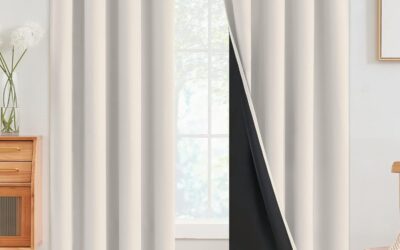
SimpleHome 100% Blackout Curtains 52x84 Inch Cream Thermal Grommet Drapes for Bedroom & Living Room, 2 Panels
Pros
- True 100% blackout performance from triple-weave fabric, not just marketed as room darkening
- Lightweight despite the heavy-weave construction, so panels hang evenly without dragging on the rod
- Grommets fit standard 1.6-inch rods and allow smooth, easy glide when opening and closing
- Wide size range across widths and lengths covers most residential windows including taller walls
- Machine washable with simple cold-water care instructions that hold up over repeated washes
Cons
- Cream color may show dust and light smudges more visibly than darker shades, requiring more frequent washing
- Single hang style means no option for pinch pleat or rod pocket if you prefer a more formal drape look
- Polyester fabric can feel slightly synthetic compared to linen or cotton blends, which may not suit buyers wanting a more textured, organic aesthetic
Finding a curtain that actually does what it promises at under $25 for two panels is genuinely rare. The SimpleHome Blackout Curtains earn that claim honestly: the triple-weave construction blocks light completely rather than just dimming it, which makes a real difference when you are trying to sleep past sunrise or create a dark environment for a midday nap or movie.
The cream colorway is one of the smarter choices in this set. It reads warm and soft in person, works as a neutral backdrop in rooms with bold furniture, and avoids the cold, institutional feel that plain white curtains can sometimes bring. The silver grommets add a subtle modern detail that keeps the look polished without being fussy.
Day to day, these curtains are low maintenance in the best way: they slide easily on the rod, go straight into the washing machine when needed, and come out looking neat. If you want complete light control without paying three times the price or sacrificing a clean, room-ready look, this one delivers.
Styles it works with: Modern Minimalist, Scandinavian, Contemporary, and Transitional interiors where clean lines and neutral tones are the foundation.
Best placed in: Primary bedroom windows where light control and sleep quality matter most, living room windows facing east or west where afternoon glare is a problem, and home offices that double as media rooms.
May not suit: Rooms with ornate or traditional decor where a rod-pocket or pinch-pleat style would look more at home. Also less ideal for very large picture windows exceeding 62 inches wide, as you may need to layer multiple panels for full coverage.
Buy it if:
- You need genuine 100% blackout performance for a bedroom and do not want to spend $60 or more for a name brand with the same result
- You are outfitting multiple rooms or windows at once and need a consistent, neutral look across the home without blowing your budget
- You work night shifts or have young children who need to nap during daylight hours and require reliable, total darkness in the room
Consider waiting if:
- You have a specific custom size or a less common color outside of the 10 available options, and want to see if the brand expands its range
Skip it if:
- You prefer natural fiber curtains like linen or cotton and find the feel and drape of polyester a dealbreaker for your space
- Your existing decor calls for a formal pleated or tab-top curtain style that the grommet design cannot replicate
Check the latest price and availability on Amazon before it sells out.
What Not to Do
Don’t buy a wider single panel and hope it covers a two-panel window. One panel dragged across leaves the header bunched and still gaps at one side.
Don’t tape blackout film only to the glass and leave the curtains as-is. Film handles the pane but does nothing for the frame edges, which is where most light actually enters.
Don’t hang the rod at the exact window width to save on hardware. Narrow mounting guarantees a side halo no matter how good the fabric is. Coverage beats cloth every time.
Don’t forget the bottom edge either. Panels that stop a few inches above the floor leak a bright strip along the hem at sunrise. Length that reaches the floor, or puddles slightly, seals that last gap the same way overlap seals the sides.
Frequently Asked Questions
Why do my blackout curtains still let light in?
The light is leaking around the edges, over the top, and through the center gap, not through the fabric. Blackout cloth blocks light it actually covers. Mount the rod wider and higher, overlap the panels in the middle, and the glow drops sharply.
How wide should curtains be to block all light?
Total panel width should be 2 to 2.5 times the window width, and the rod should extend 8 to 12 inches past each side. That gives enough fabric to reach the wall and overlap in the center. Panels that just meet the frame always leak at the sides.
What’s the difference between room-darkening and blackout curtains?
Room-darkening dims a room but lets a soft glow through. Blackout, done right, blocks nearly all light with a tight or triple-weave fabric or a backing layer. Hold the panel to a window; if you see your hand through it, it’s room-darkening, not true blackout.
Do I need a special rod for blackout curtains?
A wrap-around or bendable rod helps a lot. It curves back toward the wall at each end and closes the side gap straight rods leave open. Mounting it higher and wider than the frame matters more than the rod style itself.
Can I add blackout without replacing my curtains?
Yes. Hang a blackout liner behind your existing panels on the same rod or a second rod. It stops light without changing the look of the room. This is the standard fix when decorative curtains aren’t opaque on their own.
Bottom Line
Curtains let light in mostly at the perimeter, not through the cloth, so wide, high mounting and center overlap fix most of the glow. When the fabric is the weak point, the Yakamok 100% blackout panel is the one most people should choose because its two thermal layers block light and noise. If you want a lighter look, the SimpleHome cream option darkens a room without going heavy. Cover all four sides or a strip of light always survives.




Write Your Review
No reviews yet. Be the first to share your experience!