

> Editorial Note: I’m Liam Wright, an outdoor and garden editor. I grew up in my family’s landscaping business and now cover what actually survives a season of UV, rain, and freeze-thaw cycles. The picks here are evaluated against ASTM weatherability standards and manufacturer durability ratings.
Most first-time raised beds fail for one boring reason: they’re too shallow for the roots you want to grow, or made from a material that rots or leaches within two seasons. Depth, material, and drainage decide whether your bed produces or disappoints. Sort those out before you shop, then plan the rest of your outdoor space alongside your best patio furniture, best outdoor furniture for small patio, outdoor furniture ideas 2026, patio dining set, and outdoor lighting ideas. Here’s how to choose a bed that actually grows food.
How Deep Does Your Raised Bed Need to Be?
Depth is the spec that decides what you can grow, so start there. A shallow 6-inch bed handles lettuce, herbs, and other leafy greens with small root systems. Bump to 12 inches and you can grow most vegetables: peppers, beans, bush tomatoes, and root crops like beets. For carrots, potatoes, or deep-rooted tomatoes, aim for 18 inches or more.
Most galvanized metal beds sold today run about 12 inches deep, which is a sensible all-purpose starting point. If your bed sits on soil, roots can push a little deeper into the ground below, giving you some bonus depth. If it sits on concrete, a patio, or a rooftop, the bed depth is all the root room you get, so size up.
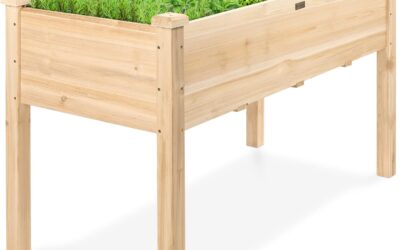
Height above ground is a separate comfort question. A 12-inch bed on the ground means bending or kneeling to weed; a 24-to-32-inch elevated bed saves your back and keeps some pests out. Older gardeners and anyone with knee trouble should weigh height as heavily as growing depth.
Which Material Lasts Longest Outside?
It depends on your climate and budget, but galvanized steel is the most practical choice for most gardens. It won’t rot, warp, or attract termites, and a quality galvanized coating resists rust for years through rain and freeze-thaw cycles. It also assembles fast and holds a crisp shape, which is why it’s overtaken wood in most new gardens.
Wood looks warmer and insulates roots better, but the species matters. Cedar and redwood carry natural rot resistance and last several years untreated; pine is cheap but breaks down in two or three seasons. FSC certification confirms responsible sourcing. Never use old railroad ties or pressure-treated lumber from before 2004 near food crops, since the older treatments can leach chemicals into soil.
Fabric grow bags and plastic beds each have a place. Fabric bags breathe, air-prune roots, and store flat over winter, but they dry out fast and last a few seasons. Food-grade plastic and composite resist rot but can get brittle under UV. For a permanent bed that survives real weather, galvanized steel or cedar earns the money; skip thin uncoated metal that rusts through at the seams.
What Size and Shape Should You Get?
Width matters more than length, and the rule is simple: never build wider than you can reach across. A bed against a wall should max out around 2 to 3 feet wide so you can reach the back without stepping in. A bed you can walk around on all sides can go up to 4 feet wide. Any wider and you’ll compact the soil climbing in to weed.
Length is flexible, but longer beds may need a center brace or cross-support to stop the long walls bowing outward under the weight of wet soil. Metal beds often include a bracing bar for this reason. A 4×2-foot bed is an easy, stable starting size that fits most patios and small yards.
Shape follows your space and your reach. Oval and rectangular beds are the most soil-efficient; L-shaped and U-shaped beds wrap a patio corner and put more edge within arm’s length. If you’re planning several beds, leave at least 18 to 24 inches between them so a wheelbarrow and your knees both fit down the path.
How Do Drainage and Soil Volume Work?
Drainage makes or breaks a raised bed, and most beds drain from the open bottom straight into the ground. That’s ideal on soil. On a hard surface like a patio or rooftop, you need drainage holes or a gravel base layer so roots don’t sit in standing water and rot. An open-bottom design also lets earthworms move up into the bed, which improves the soil over time.
Soil volume is the cost nobody budgets for. A 4x2x1-foot bed holds roughly 8 cubic feet of soil, and quality raised-bed mix isn’t cheap by the bag. Deeper and larger beds multiply that fast, so calculate volume before you buy the bed, not after. A common fix is to fill the bottom third of a deep bed with coarse organic matter, sometimes called hugelkultur, to cut soil cost while feeding the bed as it breaks down.
Line the bed thoughtfully. A breathable landscape fabric on the bottom blocks weeds while letting water drain; solid plastic liners trap water and cause rot. For metal beds in hot climates, a cardboard or fabric side liner slows how fast the sun bakes the edge soil. Apartment Therapy and gardening editors both flag summer soil temperature as an overlooked reason edge plants struggle in metal beds.
Helpful Products
The three metal raised beds below clear a 4.5-plus owner rating and use galvanized steel in the practical 12-inch depth range, with the dimensions noted in each listing. Start with the single 4x2x1-foot bed for a first garden, choose the larger kit when you want more growing area in one frame, and pick the two-pack when you’re planning a paired layout.

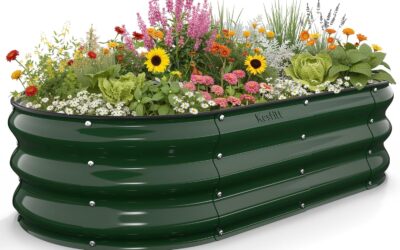
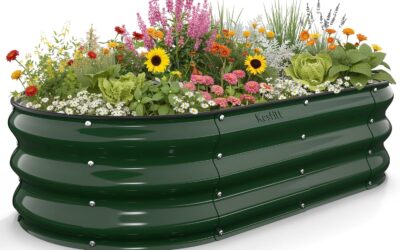
Kesfitt 4x2 FT Galvanized Steel Raised Garden Bed, 12-Inch Deep Oval Open-Bottom Design for Vegetables and Herbs, Forest Green
Pros
- Rust-resistant galvanized steel construction (up to 1.2mm thick) provides durable outdoor performance without the weight or cost of wood
- Open-bottom design improves drainage and allows roots to extend into native soil, which benefits plant health in a way that solid-base planters cannot match
- Oval shape with safety edging makes it beginner and senior-friendly by reducing sharp edges and improving reach-across access
- Complete kit includes safety edging, gloves, and an instruction manual so everything needed for setup arrives in the box
- SGS-tested materials confirm the panels are safe for growing edible vegetables and herbs
Cons
- Not suitable for deep-rooted plants or trees, which limits what you can grow compared to deeper or in-ground options
- Requires seasonal protection in extreme freezing climates and more frequent watering in hot weather, adding maintenance steps some buyers may not expect
- No customer reviews yet available to confirm long-term durability or real-world assembly experience
If you have been putting off starting a kitchen garden because you assumed it required serious yard work or expensive equipment, the Kesfitt raised garden bed makes a genuinely compelling case for getting started now. The galvanized steel build feels sturdy and intentional, not flimsy, and the forest green finish looks clean and natural against soil, mulch, or a wooden fence backdrop.
The oval shape is a small detail that makes a real difference day to day. There are no sharp corners to catch your arms while reaching in to tend plants, and the 4x2 ft footprint is compact enough to place almost anywhere outdoors without it taking over your space. The 12-inch depth handles most herbs, salad greens, tomatoes, and root vegetables comfortably, so it is genuinely useful and not just decorative.
If you want a low-maintenance, good-looking garden starter that takes an afternoon to set up and starts producing results within a season, this one delivers.
Styles it works with: Modern Farmhouse, Cottage Garden, Minimalist Outdoor, Rustic Backyard
Best placed in: Backyard corner near a fence, patio edge with southern sun exposure, side yard strip alongside a walkway
May not suit: Indoor spaces or balconies without proper drainage, households that want to grow fruit trees or deep-rooted perennials, very small patios where a 4x2 ft footprint would leave little room for seating or movement
Buy it if:
- You are starting your first vegetable or herb garden and want an affordable, easy-to-assemble option that does not require power tools or landscaping experience
- You have limited outdoor space and need a compact, defined growing area that keeps soil contained and organized
- You are a senior gardener or someone with limited mobility who benefits from the raised height, oval shape, and reduced-edge design for comfortable access
Consider waiting if:
- You want to read verified long-term customer reviews before committing, since this product currently has no published reviews to reference
Skip it if:
- You plan to grow trees, shrubs, or any deep-rooted plants that need more than 12 inches of contained soil depth
- You need an indoor planter or a bed with a solid sealed base for use on a deck or hard surface where open-bottom drainage would cause problems
Check the latest price and availability on Amazon before it sells out.

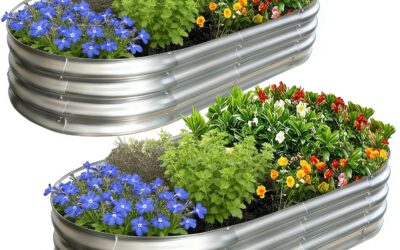
Land Guard Galvanized Raised Garden Bed 4x2x1ft Oval Metal Planter Box for Vegetables Flowers Herbs
Pros
- Exceptionally affordable for a full-size metal raised bed
- Thicker gauge steel (0.78mm) than most competitors at this price
- Quick tool-free assembly with no prior DIY experience needed
- Ranked #2 bestseller in Raised Beds with over 12,000 reviews
- Oval wave structure resists bowing and deformation over time
Cons
- Single 12-inch height may be too shallow for deep-root vegetables like carrots or potatoes
- Silver finish only, so no color options to match existing outdoor decor
- At5 pounds it may shift in high winds if not weighed down with soil
This Land Guard raised bed hits a sweet spot that is hard to find: genuinely solid construction at a price that lets you buy multiples without guilt. The oval shape feels more intentional than a basic rectangle, adding a subtle design touch patios, decks, or backyard corners that often get overlooked.
In real outdoor settings, the galvanized silver blends naturally with gravel paths, wooden fences, and stone pavers. It looks clean and purposeful rather than cheap. The smooth rolled edges are a thoughtful detail, especially if kids or pets roam your yard.
If you want a durable planter that looks good in your garden layout without spending hours on assembly or a fortune on materials, this one delivers.
Styles it works with: Modern Farmhouse, Industrial Chic, Cottage Garden, Minimalist Outdoor
Best placed in: Backyard patio edge, along a fence line, balcony or deck corner, front porch flanking the steps
May not suit: Very small apartment balconies where 4ft length dominates the space, or highly manicured formal garden designs where a raw metal finish may clash with ornate planters
Buy it if:
- You want to start a small herb or vegetable garden without building wooden frames
- You need a quick weekend project that requires zero tools or expertise
- You are looking to line multiple beds along a fence for an organized kitchen garden
Consider waiting if:
- You need taller beds (16 inches or more) for deep-root crops or to reduce bending
Skip it if:
- You need a specific color to match your outdoor furniture set
- You are growing large root vegetables that need more than 12 inches of soil depth
Check the latest price and availability on Amazon before it sells out.

GADI 2-Pack Galvanized Metal Raised Garden Beds 4x2x1ft | Corrosion-Resistant, Lead-Free, Open-Bottom Planter Boxes for Vegetables & Herbs
Pros
- Two full-size beds included at a price most competitors charge for one, making expansion affordable.
- Galvanized steel is genuinely more durable than pine or cedar raised bed kits in the same price range.
- Open-bottom design is a real growing advantage, not just a marketing claim -- it improves drainage and root depth.
- Lead-free soil-safe finish makes it a responsible choice for growing food at home.
- Straightforward bolt assembly with included hardware and manual means setup takes under 30 minutes.
Cons
- At only 1ft (0.9ft actual) in height, the bed depth is limiting for deep-rooted crops like carrots, parsnips, or large tomatoes without added soil mounding.
- Galvanized steel can absorb heat in full sun, which may warm soil temperatures and require more frequent watering during summer heat waves.
- The zinc-gray metal finish is purely functional and may not complement formal or decorative garden designs that call for a more polished or ornate planter.
There is a quiet satisfaction in building something functional and lasting in your garden, and the GADI raised bed set delivers exactly that. Two full-size 4x2ft beds arrive in one box, which immediately sets this apart from the single-bed kits cluttering the same price tier. The galvanized steel has a clean, matte utility look that fits naturally alongside gravel paths, wood fencing, and terra cotta pots without demanding attention.
What genuinely impresses is the open-bottom architecture. Unlike enclosed planter boxes that trap moisture and suffocate roots, these beds sit directly on native soil, letting root systems extend downward while keeping your curated growing mix contained up top. The result is more vigorous plants, better drainage, and far less risk of the root rot that quietly ruins a season. The bolt-together assembly is honest about what it is: simple, functional hardware that holds well without any fuss.
If you want to grow vegetables, herbs, or flowers in a structured, weather-resistant bed without dealing with rotting wood frames or cracking plastic every two seasons, this one delivers.
Styles it works with: Modern Farmhouse, Industrial Outdoor, Minimalist Garden, Cottage Garden
Best placed in: Sunny backyard lawn or border, paved patio or courtyard, side-yard strip beside a fence, raised deck with sufficient structural support
May not suit: Formal or ornamental gardens where decorative stone, wrought iron, or glazed ceramic planters set the aesthetic tone; small balconies or apartment terraces where the combined footprint of two 4x2ft beds would consume most of the usable floor space
Buy it if:
- You want to start or expand a vegetable or herb garden and need two beds for the price most kits charge for one.
- You have tried wooden raised beds before and are tired of boards warping, rotting, or requiring annual treatment to stay functional.
- You are growing food for your family and want a lead-free, soil-safe container that does not risk contaminating your produce.
Consider waiting if:
- You specifically need a taller 2ft raised bed for mobility or deep-rooted crops, as a taller GADI or similar model may be a better fit for your needs.
Skip it if:
- You plan to grow root vegetables like carrots or parsnips that require 18 or more inches of soil depth, as the 0.9ft interior height will restrict full root development.
- Your outdoor space is highly designed with ornate or decorative garden furniture, where the plain galvanized finish would feel out of place.
Check the latest price and availability on Amazon before it sells out.
Frequently Asked Questions
How deep should a raised garden bed be?
It depends on what you grow. Six inches handles lettuce and herbs, 12 inches covers most vegetables, and 18 inches or more suits carrots, potatoes, and deep-rooted tomatoes. If the bed sits on soil, roots gain a little extra depth below; on concrete or a rooftop, the bed depth is all the root room you get.
Is galvanized steel safe for growing vegetables?
Yes. Modern galvanized steel beds are widely used for food gardens, and the zinc coating leaches only trace amounts that sit far below levels of concern for most crops. It’s a far safer choice than old pressure-treated lumber or railroad ties, which can leach harmful chemicals into the soil.
What’s the best material for a raised bed?
It depends on budget and climate, but galvanized steel and cedar last longest. Steel won’t rot, warp, or attract termites and resists rust for years. Cedar insulates roots better and looks warmer but costs more. Skip untreated pine and thin uncoated metal, which break down within a few seasons.
How wide should a raised bed be?
No wider than you can comfortably reach. Keep a bed against a wall to 2 to 3 feet wide, and a bed you can walk around to a maximum of 4 feet. Reaching across without stepping in keeps the soil loose, since climbing in compacts it and hurts drainage.
Do raised beds need drainage holes?
It depends on where they sit. An open-bottom bed on soil drains naturally and needs no holes. On a patio, deck, or rooftop, add drainage holes or a gravel base layer so roots don’t sit in water. Avoid solid plastic liners, which trap moisture and cause rot.
How much soil does a raised bed need?
A 4x2x1-foot bed holds roughly 8 cubic feet of soil, and larger or deeper beds multiply that quickly. Calculate the volume before buying so the soil cost doesn’t surprise you. Filling the bottom third of a deep bed with coarse organic matter cuts the amount of purchased mix you need.
Can I leave a metal raised bed outside all winter?
Yes. Quality galvanized steel beds are built to stay out through rain, snow, and freeze-thaw cycles without damage. Empty pots and fabric bags may need storing, but a well-coated steel bed handles winter fine. Just avoid thin uncoated metal, which rusts at the seams over time.


Write Your Review
No reviews yet. Be the first to share your experience!