

> Editorial Note: I’m Liam Wright, an outdoor and garden editor. I grew up in my family’s landscaping business and now cover what actually survives a season of UV, rain, and freeze-thaw cycles. The picks here are evaluated against ASTM weatherability standards and manufacturer durability ratings.
The biggest mistake people make with a jute doormat is soaking it. Jute is a plant fiber, not a synthetic, and standing water rots the weave from the inside out within a season. Get the method right and the same mat lasts years instead of months, so before you reach for the hose, walk through the cluster of outdoor guides that pair with it: best gas fire pit table, best wood burning fire pit, best outdoor sofa, best patio umbrella, and best raised garden bed.
Why Can’t You Just Hose Down a Jute Doormat?
Because jute drinks water and holds it. The fiber is hollow and highly absorbent, which is exactly why it traps dirt so well and exactly why it fails when saturated. A soaked mat can hold two to three times its dry weight in water, and that moisture sits against the backing for hours.
That’s where the damage starts. Trapped moisture breeds mildew, weakens the natural fibers, and can leave brown tannin stains that bleed onto whatever the mat sits on. If the backing is latex or PVC, prolonged wetness makes it crack and shed. Dry jute is tough; wet jute is fragile.
So the rule is simple. Clean the surface, spot-treat the stains, and use as little water as the job allows. A quick daily shake removes the loose grit that acts like sandpaper on the weave, and that single habit does more for longevity than any deep clean.
Think of it like a wool sweater rather than a bath towel. You’d never toss a sweater in a bucket and wring it out. Same logic applies here. Vacuum, brush, blot, and let air do the drying.
What’s the Step-by-Step Dry-Clean Method?
Start dry, always. Take the mat outside and shake it hard, then flip it and shake again to release grit lodged deep in the braids. This alone clears most surface debris.
Next, vacuum both sides with a suction-only setting. Skip the rotating beater bar, since spinning bristles snag and pull the fibers loose over time. Run the nozzle along the direction of the weave, not against it, and give the edges extra attention because that’s where dirt collects.
For ground-in dirt, use a stiff-bristle brush and sweep in one direction. Baking soda helps here. Sprinkle a thin layer across the surface, let it sit for 15 to 20 minutes to absorb odor and lift oils, then vacuum it up. It’s cheap, non-toxic, and it works.
Here’s the coach note. Do the dry routine weekly and you may never need a wet clean at all. Most jute mats that fall apart didn’t wear out; they molded because someone washed them too often. Keep it dry and keep it moving air, and the mat handles a full season of foot traffic without complaint.
How Do You Remove Stains and Deep Grime Safely?
Blot, don’t scrub. Scrubbing frays the surface and pushes stains deeper into the weave. Press a clean cloth straight down to lift as much of the spill as possible before anything else.
Mix a mild solution: one teaspoon of dish soap in two cups of cool water. Dip a cloth, wring it until it’s barely damp, and dab the stain from the outside edge inward to stop it spreading. For a musty smell or a set-in mark, a 1:1 white vinegar and water mix cuts odor and mildew without bleaching the natural color.
Rinse the same way, with a barely-damp cloth of clean water, then blot dry with a towel. The goal is targeted moisture, not a bath. You’re treating a spot the size of a coaster, not the whole mat.
Then comes the part people rush: drying. Lay the mat flat in direct sun or stand it on edge in a breezy spot. It must be bone-dry before it goes back down, which can take 24 to 48 hours in humid weather. A mat that looks dry on top can still be damp in the backing, and that’s the trap. Feel the underside first.
When Should You Replace a Jute Doormat Instead of Cleaning It?
When the structure gives out, not just the look. Fading and a worn path are cosmetic and don’t affect function. Rot, loose braids, and a crumbling backing are structural, and no amount of cleaning brings those back.
A few clear signals mean it’s done. Fibers that pull away in your hand, a persistent musty smell after full drying, visible black mildew spotting through the weave, or a backing that flakes onto your porch. At that point it’s a trip hazard and a mold source, not a doormat.
Placement drives lifespan more than cleaning does. An unprotected jute mat in full weather may last only 6 to 12 months, while the same mat under a covered porch or just inside the door can run 3 to 5 years. Jute isn’t rated for standing water or constant UV, and ASTM weatherability standards for outdoor textiles assume drainage and drying that a soggy mat never gets.
So match the mat to the spot. Covered entry or indoor use suits jute best. For an exposed, rain-hit doorstep, a heavy-duty backed mat or a synthetic fiber holds up longer, and that’s not a knock on jute. It’s just the right tool for the right doorway.
Helpful Picks
These three clear a 4.3-plus owner rating and cover the main jute doormat use cases: a heavy-duty backed mat for exposed entries, a reversible braided rug for indoor spots, and a dedicated dirt-trapper for high-traffic front doors.

Pros
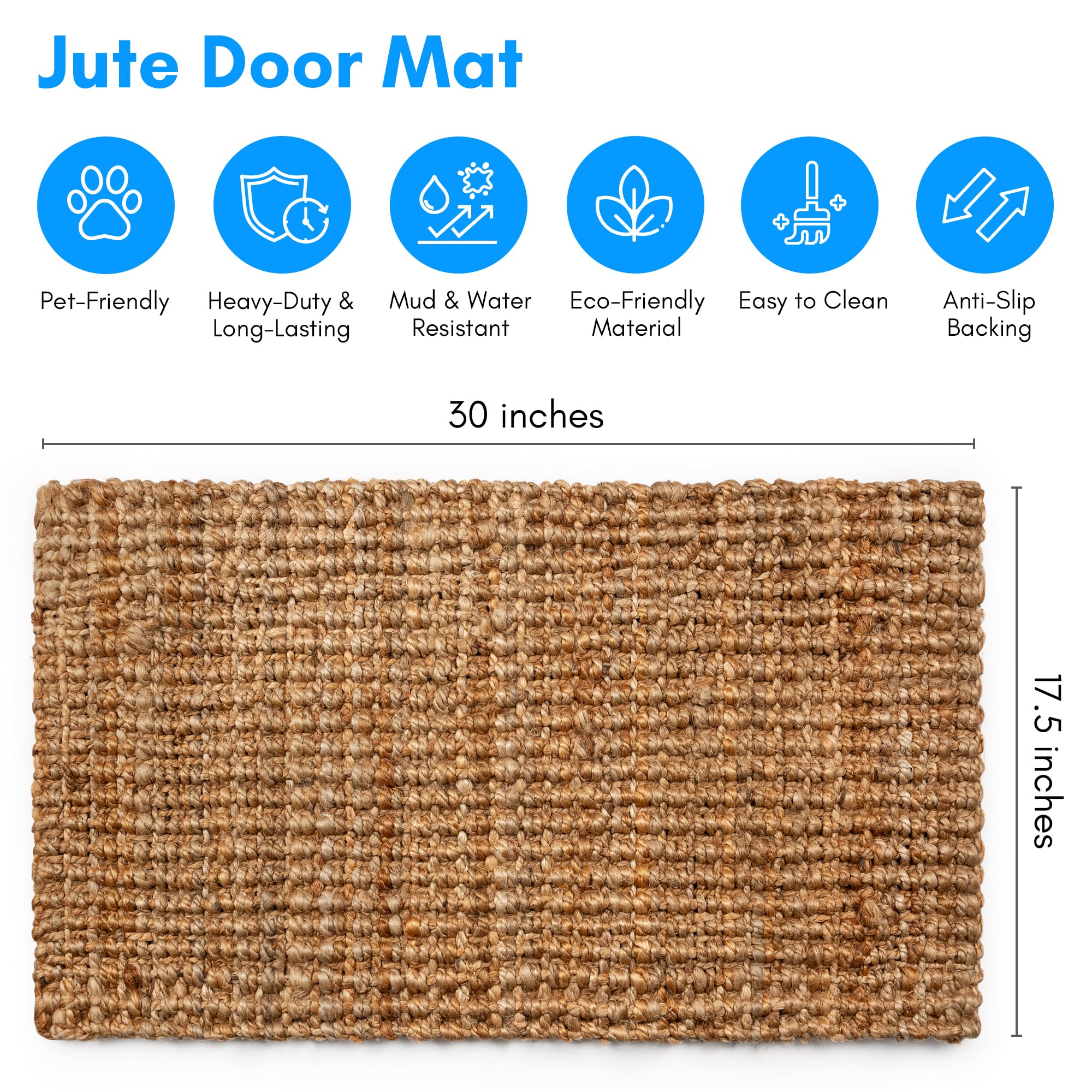
- Highly rated by a large volume of verified buyers, pointing to consistent quality across batches
- Non-slip backing keeps it firmly in place on smooth surfaces like tile or hardwood
- Reversible design adds practical longevity you rarely get at this price point
- Natural brown color is versatile enough to pair with most door colors and exterior finishes
- Easy spot-clean maintenance with no need for a washing machine
Cons
- Not suitable for fully exposed outdoor areas since rain or standing water will break down the natural fibers faster
- Size at 17.5x30 inches is on the narrower side and may feel small in front of wider double doors
- Jute can shed slightly in the first few weeks of use before the fibers fully settle
There is something quietly satisfying about a doormat that does exactly what it promises. The PLUSHaven jute mat earns its spot at your front door with a clean, unfussy look that feels intentional rather than like an afterthought. The natural brown tone and tightly woven texture bring a warmth to the entryway that synthetic mats simply cannot replicate.
In everyday use, it holds up well under foot traffic without shifting or bunching, and the dirt-trapping fibers do a genuinely good job of catching what people drag in from outside. Shaking it out takes about ten seconds, and because both sides are usable, you get more life out of a single mat than you might expect at this price.
If you want a stylish, low-maintenance entryway without paying boutique prices or ending up with something that looks worn after a month, this one delivers.
Styles it works with: Modern Farmhouse, Scandinavian, Coastal, Minimalist
Best placed in: Front door entryway, covered porch or patio, mudroom transition area
May not suit: Fully exposed outdoor entries with heavy rain exposure, or wide double-door fronts where a larger mat would look more proportional
Buy it if:
- You want a clean, natural-looking mat for a single front door or covered porch under $20
- Your entryway style leans toward farmhouse, minimalist, or natural textures and you need something that fits without much thought
- You are tired of mats that slide around on hardwood or tile and want reliable grip without a separaterug pad
Consider waiting if:
- You are looking for a mat with a printed design or greeting and prefer the styled variants in the PLUSHaven lineup
Skip it if:
- Your front door is fully exposed to rain or snow with no overhang, as jute breaks down quickly when repeatedly soaked
- You need a mat wider than 30 inches to properly fill the space in front of a double or oversized door
Check the latest price and availability on Amazon before it sells out.

Hausattire Hand Woven Jute Braided Rug2x3 - Natural Reversible Boho Farmhouse Entry Area Rug for Kitchen Living Room
Pros
- Reversible construction offers twice the usable life from one rug
- Solid 4.5-star rating across nearly 3,000 reviews shows consistent buyer satisfaction
- Natural jute material is sustainable and free from synthetic chemicals
- Versatile enough for farmhouse, boho, coastal, or minimalist spaces
- Compact size works well as an accent piece in tight areas
Cons
- Initial fiber shedding is common and requires a break-in period
- No non-slip backing included, so arug pad is recommended on hard floors
- Limited to natural tan color with no alternative shade options
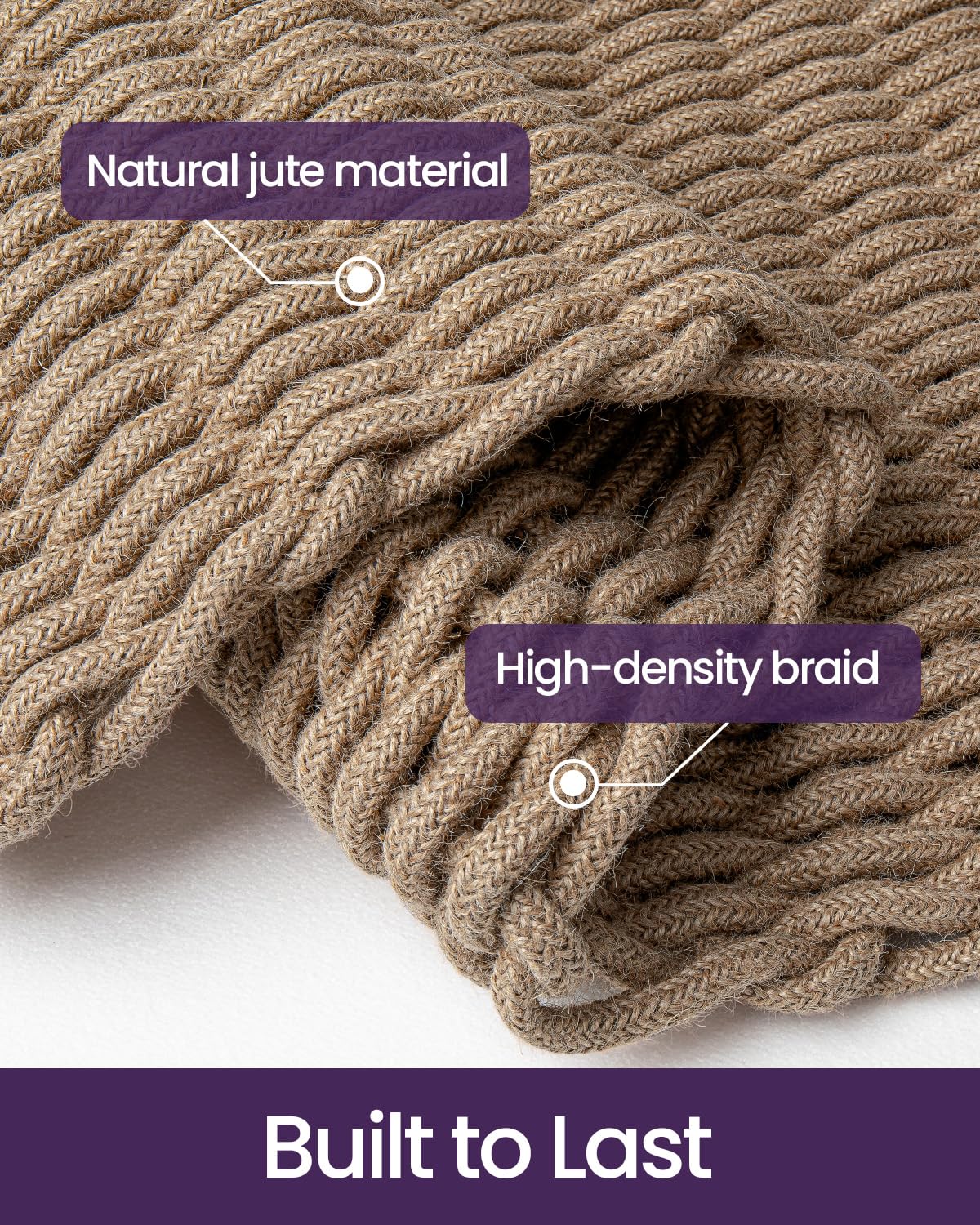
There is something grounding about a natural jute rug that synthetic materials simply cannot replicate. The Hausattire braided rug brings that honest, textured warmth to your floor in a compact size that works almost anywhere. Each piece is handwoven, so no two are exactly alike, giving your space a subtle artisan quality without trying too hard.
In a real room, this rug reads as efortlessly layered and relaxed. It softens hard floors in kitchens and entryways while adding just enough visual interest to anchor a small space. The braided pattern catches light nicely and pairs well with wood tones, white walls, and earthy accents. Because it is reversible, you can flip it when one side starts showing wear or when you simply want a fresh look.
If you want a natural, textured accent rug that holds up to daily foot traffic without costing more than a nice dinner out, this one delivers.
Styles it works with: Modern Farmhouse, Boho, Coastal, Scandinavian Minimalist
Best placed in: Front entryway, kitchen sink area, layered over a larger rug in the living room, bathroom doorway
May not suit: Homes neding a large statementrug for open floor plans, or spaces with very plush carpet where the flat weave would feel redundant
Buy it if:
- You need an affordable accent rug to warm up a small entryway or kitchen spot
- You prefer natural, sustainable materials over synthetic alternatives
- You want a neutralrug that blends with existing decor without clashing
Consider waiting if:
- You need a larger size and want to compare the brand's other dimensions first
Skip it if:
- You need a rug with built-in non-slip backing for safety on slick floors
- You strongly dislike the look or feel of natural fiber shedding during the first few weeks
Check the latest price and availability on Amazon before it sells out.

DEXI 36x24 Braided Jute Doormat | Natural Fiber Non-Slip Dirt Trapper for Front Door, Entryway & Patio | Farmhouse Brown
Pros
- Dense jute weave provides coir-like scraping action that lifts dirt and moisture off shoe soles more effectively than flat fabric mats
- Anti-slip construction holds firm on smooth surfaces including hardwood and tile, even under repeated foot traffic
- Rope-twisted natural fiber design adds authentic farmhouse texture that synthetic alternatives cannot replicate
- Handwoven from jute and sisal, two durable natural materials known for their tensile strength and resistance to fraying
Cons
- Natural jute fibers are sensitive to prolonged water exposure, making this mat unsuitable for uncovered spots where it will sit in rain or standing water
- Cannot be machine washed, so cleaning requires spot treatment only, which adds friction for high-traffic or high-mess households
- No verified customer reviews are currently available, making it difficult to confirm the durability and grip claims from real-world use
The DEXI jute doormat brings the kind of natural, tactile warmth to a front entryway that synthetic mats simply cannot deliver. The rope-twisted braided construction and earthy brown tones feel deliberate rather than generic, like something you would find in a thoughtfully styled home rather than grabbed off a clearance shelf. It sits low-key but confidently at your front door, doing its job without demanding attention.
In practical terms, this mat earns its place. The thick jute and sisal weave grips shoe soles and lifts off dirt before it ever makes contact with your floors, and the nearly one-inch thickness means it does not curl, buckle, or drift underfoot. For households where the front door sees constant foot traffic, that stability and scraping action together translate to noticeably cleaner floors with less daily sweeping.
If you want a doormat that handles real daily use without sacrificing the natural farmhouse aesthetic you are building, this one delivers.
Styles it works with: Modern Farmhouse, Coastal Casual, Bohemian, Rustic Transitional
Best placed in: Covered front door entryway, indoor mudroom entrance, sheltered back patio or porch
May not suit: Fully exposed outdoor areas without overhead cover, since rain and standing water degrade natural jute fibers over time; ultra-modern or industrial interiors where the organic rope texture may conflict with a sleek, clean-line aesthetic
Buy it if:
- You want a natural fiber mat that actively scrapes dirt and moisture off shoe soles rather than just sitting passively at the door
- Your entryway style leans farmhouse, coastal, or boho and you want a mat that complements that look without looking out of place
- You need a thick, stable mat that holds its position on hardwood or tile floors in a busy household
Consider waiting if:
- You prefer to read a solid base of verified customer reviews before investing $52 in a doormat from a brand you have not tried before
Skip it if:
- Your entryway is fully exposed and the mat will regularly sit in rain, puddles, or wet conditions that would break down the natural fibers
- You need a machine-washable mat for a household with young children or pets that generates frequent heavy messes
Check the latest price and availability on Amazon before it sells out.
Frequently Asked Questions
Can you machine wash a jute doormat?
No. The agitation shreds the fibers and the soak time rots the weave and backing. Spot-clean by hand and dry flat instead. A washing machine is the fastest way to destroy a jute mat in one cycle.
Is it okay to leave a jute doormat out in the rain?
No, not for long. Jute absorbs water fast and holds it against the backing, which invites mildew and tannin stains. If it gets caught in a storm, stand it on edge to drain and dry before putting it back down.
Does baking soda actually clean jute?
Yes. Sprinkled on and left 15 to 20 minutes, it absorbs oils and neutralizes odor, then vacuums away clean. It’s the safest deep-refresh for natural fiber because it uses zero water.
Will vinegar damage the natural color?
No. A 1:1 white vinegar and water mix is safe on jute and won’t bleach it, unlike chlorine bleach. It’s the go-to for musty smells and early mildew spots. Rinse lightly with a damp cloth after.
How often should I clean a jute doormat?
It depends on traffic. A quick shake and vacuum weekly handles most homes, with a spot-clean only when something spills. Busy entries may need the dry routine twice a week; a light-use side door needs it far less.
Can a moldy jute mat be saved?
It depends on how deep it’s gone. Surface mildew usually clears with the vinegar mix and full sun-drying. But black mold showing through the weave or a smell that won’t quit after drying means it’s beyond saving. Toss it.
Are jute doormats good for outdoor use at all?
It depends on the spot. Under a covered porch or just inside the door, they’re excellent and can last 3 to 5 years. Fully exposed to rain and UV, they’ll break down in under a year, so a backed or synthetic mat suits that doorway better.

Write Your Review
No reviews yet. Be the first to share your experience!