

> Editorial Note: I’m Liam Wright, an outdoor and garden editor. I grew up in my family’s landscaping business and now cover what actually survives a season of UV, rain, and freeze-thaw cycles. The picks here are evaluated against ASTM weatherability standards and manufacturer durability ratings.
You run your hand along the arm of your patio chair and feel it before you see it: a gritty, orange-brown roughness where smooth metal used to be. Maybe it’s a bloom of spots on the underside of a table leg, or a rusty streak bleeding down onto your deck after a rainy week. That grit is telling you something, and the fix depends entirely on how deep it goes. Before you write off the whole set, know this: most outdoor rust is shallow and reversible with the right approach. If you’re also planning upgrades this season, browse our guides to the best gas fire pit table, best wood burning fire pit, best outdoor sofa, best patio umbrella, and best raised garden bed once your furniture is squared away. Here’s how to read what you’re seeing and match it to a fix that actually holds.
Reason 1: The Orange Film That Wipes Off on Your Fingers (Surface Oxidation)
This is the friendliest kind of rust, and the most common. You touch the metal and a light orange or brown powder transfers to your fingers, but the surface underneath still feels mostly solid. That’s surface oxidation, and it usually means the protective coating or paint has worn thin from UV exposure and rain, letting the bare steel react with moisture and oxygen.
This one’s simple. Shallow oxidation hasn’t eaten into the structural metal yet, so you’re removing a film, not rebuilding a leg. A stiff nylon brush or a fine 220-grit sanding pad knocks most of it loose in a few minutes. Wipe the residue with a dry cloth, then hit any stubborn patches with a chemical rust remover so you’re not gouging the metal with aggressive grit.
The mistake people make? Sanding too hard and burning through what’s left of the factory coating. Once you expose fresh steel, you’ve started a new clock. After you clear the oxidation, prime and repaint within 24 hours, before humidity re-triggers the reaction. ASTM B117 salt-spray ratings on quality outdoor primers tell you which coatings resist re-rusting longest in coastal and freeze-thaw climates. Catch it at this stage and the repair takes an afternoon.
Reason 2: The Pitted, Flaky Patches That Crumble When You Press (Deep Corrosion)
Press a patch and flakes break away, leaving little craters behind. This is deeper corrosion, and it means moisture has been sitting against unprotected metal for months, often trapped under a cushion, inside a hollow tube, or where two pieces bolt together. Water pools in those seams, and the rust works inward instead of just sitting on the surface.
You can still save most of these pieces, but wiping won’t cut it. The flaky, delaminated rust has to come off completely before any coating will bond, because paint over loose scale peels within a season. Start with a wire brush or a drill-mounted wire wheel to strip the flakes, then soak the area in a chelating rust remover to dissolve what’s buried in the pits. Wirecutter’s outdoor-furniture maintenance coverage has flagged trapped seam moisture as the number-one cause of premature frame failure, so check every joint.
After stripping, feel the pit depth with your fingernail. If a pit is deeper than about 1/16 inch on a load-bearing leg, that spot has lost real wall thickness and you should stop leaning on it. Fill shallow pits with a metal-reinforced epoxy filler, sand flush, then prime and paint. Structural corrosion on a chair frame that holds 250 pounds is where DIY ends and a welder begins.
Reason 3: The Rusty Streaks Bleeding Onto Your Deck or Concrete (Runoff Staining)
Sometimes the furniture itself looks fine, but there’s an ugly orange halo on the concrete or a streak down your composite decking underneath it. That’s runoff staining. Rainwater carries dissolved iron oxide off small rust points, hardware, screws, or a chipped weld, and deposits it on the porous surface below where it sets like a dye.
Two problems live here, so you fix two things. First, find the source. It’s usually a fastener, a bolt head, or a bare spot where a foot contacts the ground and never dries. Sand and seal that point, or swap steel hardware for stainless. Second, tackle the stain on the hard surface, which is a different job than the metal.
Concrete and stone stains respond to a lime-and-rust remover that dissolves the iron deposit without bleaching the surrounding surface. Spray, let it dwell for the label’s stated time, usually 2 to 5 minutes, then scrub with a stiff brush and rinse. On composite decking, spot-check a hidden corner first, since some acidic removers can dull the finish. Apartment Therapy’s outdoor-cleaning coverage recommends sealing porous patios annually so future runoff sits on top rather than soaking in. Stop the source and the streaks won’t come back.
How to Fix It Fast When You’re Short on Time
Got 30 minutes before company shows up? Prioritize. Skip the repaint and just make it presentable and safe.
Start with the parts people touch: chair arms, table edges, seat frames. Brush off loose flakes so nobody catches a splinter of scale, wipe with a damp cloth, then apply a gel rust remover that clings to vertical surfaces instead of running off. Gels do the heavy lifting while you handle other things. For the runoff stains on your patio, a fast-acting spray remover clears most fresh iron marks in under 10 minutes.
This is a holding action, not a repair. You’re buying weeks, not years. Once your event’s over, come back and do the full strip-prime-paint on any spot that reached bare metal. Rust doesn’t wait for a convenient weekend, and every rainy day it’s exposed makes the eventual fix bigger. A quick pass now still beats letting it spread.
The Products That Actually Help
A brush and elbow grease handle light oxidation, but deep pits and set-in stains need chemistry to dissolve iron out of places you can’t physically reach. The three picks below all clear a 4.3 owner rating and cover the full range of jobs: whole-piece soaking, hard-surface stain removal, and cling-to-vertical spot repair. Start with the first if you’re restoring a badly corroded frame, jump to the second for concrete and patio streaks, and reach for the third when you need a gel that stays put on a table leg.

Pros
- Removes rust without acids, solvents, or abrasives, making it safe for home use
- Works on virtually any metal type including cast iron cookware and auto components
- Reusable formula stretches the value of a single gallon across multiple projects
- No scrubbing or sanding needed, just submerge, wait, and rinse
- 4.6-star rating across over 13,000 reviews signals consistent real-world results
Cons
- Heavily rusted parts may require extended soak times of 24 hours or more, which slows down projects
- At roughly $28 per gallon it costs more upfront than basic rust converter sprays, though reusability offsets this over time
- Does not leave a protective coating, so a separate corrosion inhibitor is needed after treatment to prevent rust from returning
Evapo-Rust earns its reputation by doing something most rust removers skip: it treats the problem without creating a new one. There are no harsh chemical smells, no gloves-required warnings, and no risk of accidentally damaging the base metal underneath the rust. You drop the part in, walk away, and come back to clean metal. For anyone working in a home garage, kitchen, or craft space, that matters a lot.
What makes it especially useful around the house is how broadly it applies. Cast iron skilets that have been sitting in the back of a cabinet, vintage hardware pulled off an old dreser, garden tools left out through the winter, a set of antique hinges sourced from an estate sale. One product handles all of it at safe pace without requiring any special setup or disposal process.
If you want to restore metal items at home without dealing with toxic chemicals or hours of manual scrubbing, this one delivers.
Styles it works with: Industrial, Rustic Farmhouse, Vintage, Eclectic
Best used for: Restoring hardware on furniture and cabinetry, reviving cast iron cookware displayed in open kitchen shelving, cleaning up antique decorative metal pieces, and refreshing garden or entryway metal accents
May not suit: Shopers looking for a decorative product rather than a restoration tool. This is a utility item best kept in a workshop, garage, or under the sink, not displayed in a living space. Also not ideal for very large or immovable metal fixtures that cannot be submerged.
Buy it if:
- You have cast iron cookware, vintage tools, or antique hardware that needs rust removed before it can be used or displayed
- You want a safe, low-effort option that does not require ventilation, gloves, or neutralizing rinses beyond plain water
- You are restoring multiple metal items and want a reusable solution that stretches across several projects
Consider waiting if:
- You only have one small item to treat and want a smaller, lower-cost quantity before committing to a full gallon
Skip it if:
- You need rust converted and sealed in a single step, since this product removes rust but does not apply a protective barrier on its own
- You are dealing with painted or coated surfaces where soaking could lift finishes you want to keep
Check the latest price and availability on Amazon before it sells out.

Pros
- Highly effective on hard water stains that other cleaners cannot touch
- Versatile use across bathroom, kitchen, and laundry appliances
- Ready-to-use spray format requires no mixing or dilution
- Plant-based formula with no dyes for a cleaner ingredient profile
- Exceptional value at under $6 for a 22 oz bottle
Cons
- Strong chemical smell requires good ventilation during use
- Not safe for use on natural stone, marble, or unsealed grout
- May require a second application on very heavy long-term buildup
If your bathroom fixtures have that chalky white crust or your showerhead has slowed to a trickle, CLR is the one product that actually fixes it. It cuts through calcium and lime deposits that sit stubbornly through regular cleaning, and it does it fast enough that you can see results while you wait.
What makes it a staple in the cleaning cabinet is its range. One bottle handles the showerhead, the faucet, the toilet bowl ring, the dishwasher interior, and the washing machine drum. That kind of utility at under $6 is hard to argue with, and with 3,500-plus reviews averaging 4.5 stars, the results speak for themselves.
If you want gleaming fixtures and scale-free appliances without spending an afternoon scrubbing, this one delivers.
Styles it works with: Any home style benefits from clean fixtures; particularly useful in Modern, Minimalist, Farmhouse, and Transitional interiors where hardware finishes like chrome and stainless steel are visible design elements.
Best used in: Master bathroom and guest bath faucets and showerheads, kitchen sink and dishwasher, laundry room washing machine drum, humidifiers and small appliances.
May not suit: Homes with natural stone tile or marble countertops where the formula cannot be used safely; households that prefer fragrance-based cleaners may want the scented variant instead.
Buy it if:
- You have hard water and notice white or orange buildup on faucets, showerheads, or toilet bowls
- Your showerhead flow has weakened due to mineral deposits blocking the nozzles
- You want a single product that handles bathroom, kitchen, and appliance cleaning in one pass
Consider waiting if:
- You prefer a fragrance-free and dye-free version, which CLR sells separately as CLR Free & Clear
Skip it if:
- Your home has marble, travertine, or other natural stone surfaces where acid-based cleaners cause permanent damage
- You only need a light everyday surface cleaner with no hard water or rust staining to address
Check the latest price and availability on Amazon before it sells out.

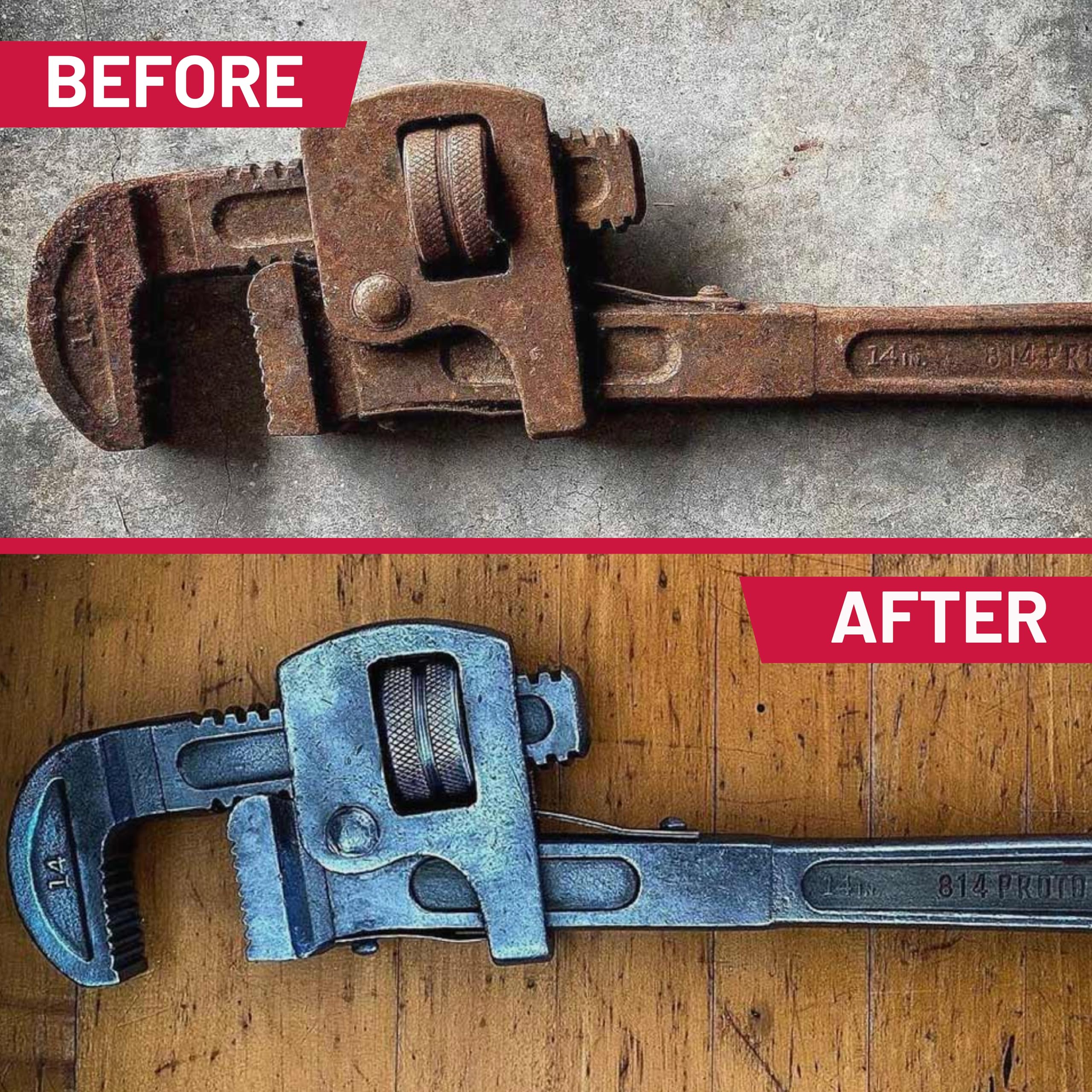
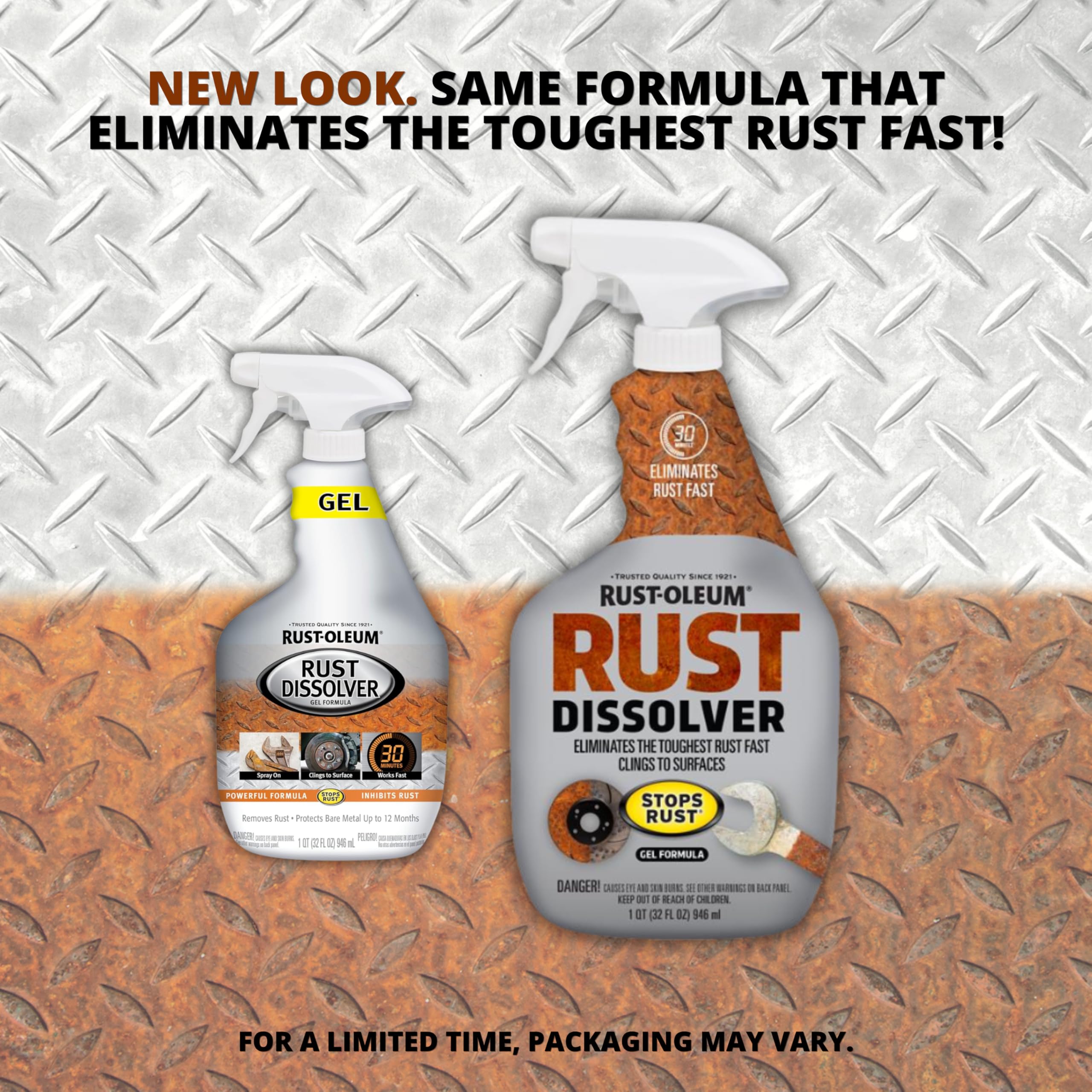
Rust-Oleum 32 oz Rust Dissolver Trigger Spray Gel | Heavy-Duty Rust Remover for Metal Tools, Grills, Cars & Bikes
Pros
- Gel consistency prevents dripping and running on vertical surfaces like chair legs and fence posts
- Fast-acting formula dissolves light to medium rust in as little as 10 minutes
- No scrubbing needed, saving significant time and physical effort
- Leaves a clean, paint-ready surface that is ideal for refinishing projects
- Affordable per-ounce price makes it easy to keep a bottle on hand for maintenance
Cons
- Heavy or deep rust may require multiple applications, which increases product usage and wait time
- Requires rinsing and thorough drying after use, so it is not suitable for surfaces that cannot get wet
- No review data currently available to confirm long-term effectiveness across diverse rust conditions
If your home has a patio set, cast iron grill, garden planter, or any metal item that has started to show rust, this spray gel earns its place in your cleaning cabinet fast. The thick gel formula sticks where you spray it without running off, which means it actually stays in contact with the rust long enough to work on chair legs, bolt heads, and other awkward surfaces that liquid removers tend to slide off.
The process is refreshingly simple. Spray it on, wait between 10 and 30 minutes depending on how stubborn the rust is, then rinse and wipe dry. No wire brushes, no elbow grease. The surface comes out smooth and ready for primer or paint, making it a natural first step before refinishing a vintage garden bench or touching up a wrought iron planter you picked up at a flea market.
If you want to revive metal items around your home without a full afternoon of scrubbing, this one delivers.
Styles it works with: Farmhouse, Industrial, Rustic, Outdoor Living
Best placed in: Garage storage shelf, outdoor shed, under-sink cleaning cabinet for quick access before seasonal patio maintenance
May not suit: Apartments without outdoor access or a utility sink for rinsing treated surfaces, or situations involving structural corrosion that goes beyond surface rust and requires professional assessment
Buy it if:
- You have patio furniture, a grill, or garden tools with surface rust you want to restore before the season starts
- You are planning to repaint or refinish a metal item and need a clean, rust-free surface first
- You want a fast, no-scrub rust removal option you can keep on hand for ongoing home maintenance
Consider waiting if:
- You are not sure whether your rust is surface-level or structural and want a professional opinion before treating it
Skip it if:
- Your metal items have deep, flaking, or structural corrosion that goes beyond what a surface dissolver can address
- You cannot rinse and dry the treated surface after application, as the product requires a clean rinse to finish the process
Check the latest price and availability on Amazon before it sells out.
The Evapo-Rust ER012 is the pick for deep corrosion because it’s a chelating soak: submerge a rusty part and it pulls oxide out of every pit without touching healthy steel, which matters on hardware and small removable pieces. Its 4.6 rating across heavy users reflects how reliably it works on badly pitted metal. The 128-ounce jug is enough to fill a tub for chair feet or a batch of bolts. It’s water-based and reusable, so one container covers several projects.
CLR Lime & Rust Remover, rated 4.5, is the one to grab for runoff staining on concrete, stone, and grout. It dissolves the iron deposit and hard-water buildup that a metal-only remover would ignore, and the 22-ounce spray bottle makes it easy to target a streak without soaking the whole patio. Try it on a hidden spot first, since it’s acidic. For hard surfaces around the furniture, this handles what the others can’t.
Rust-Oleum Rust Dissolver Trigger Spray Gel, at 4.3, earns its place on vertical spot repairs. The gel formula clings to a table leg or chair frame instead of running to the ground, so it stays in contact long enough to work. It’s the fast, targeted option for a single rusty patch when you don’t want to disassemble anything. Grills, bike frames, and bolt heads all fall in its lane.
Frequently Asked Questions
Will removing rust damage the paint or finish on my furniture?
It depends on the method. Chemical removers designed for metal, like chelating soaks, only react with iron oxide and leave sound paint alone. Mechanical stripping with a wire wheel will strip nearby coating too, so plan to repaint any area you brush aggressively. Always try acidic products on a hidden patch of composite or coated surfaces first.
Can I just paint over rust instead of removing it?
No. Paint over loose or flaky rust peels within a season because it can’t bond to the crumbling layer underneath. You have to strip down to sound metal, prime with a rust-inhibiting primer, then paint. A rust-converter product is the one exception, since it chemically stabilizes light surface rust into a paintable base, but it’s not a fix for deep pitting.
Is rusted outdoor furniture safe to keep using?
Almost never a problem for light surface rust, but deep corrosion changes the answer. If a load-bearing leg or joint is pitted deeper than about 1/16 inch, it’s lost wall thickness and can fail under weight. Press and inspect stress points. Cosmetic rust on a tabletop is fine to use while you plan the repair.
How do I stop the rust from coming back after I remove it?
Prime and paint bare metal within 24 hours, before humidity restarts oxidation. Keep water from pooling by drilling small drain holes in hollow legs, and store or cover the furniture through wet seasons. ASTM B117-rated coatings resist re-rusting longest in coastal and freeze-thaw climates, so check the salt-spray hours on the label.
What removes rust stains from my concrete patio under the furniture?
Yes, a lime-and-rust remover clears them. Spray it on the stain, let it dwell 2 to 5 minutes, scrub with a stiff brush, and rinse. Fix the source first, usually a bare foot or steel fastener, or the streak returns with the next rain. Seal porous concrete afterward so future runoff sits on top.
Bottom Line
Roughly 80% of outdoor-furniture rust is shallow surface oxidation from worn coating, and it wipes and sands off in an afternoon. A chemical rust remover plus a same-day prime-and-paint is the fix most people actually need. Match the product to the job: soak for pitted hardware, a lime-and-rust spray for concrete streaks, a cling gel for vertical patches. The one time to stop and call a pro? Deep pitting on a load-bearing leg. That’s structural, not cosmetic.



Write Your Review
No reviews yet. Be the first to share your experience!