

> Editorial Note: I’m Lauren Ro, and I write furniture buying guides. The picks here are judged on the specs that predict how a piece ages — frame joinery, foam density, and load ratings — checked against BIFMA and FSC certifications plus aggregated owner reports.
White painted cabinets show every fingerprint and smudge, and the most common mistake is fixing that with an abrasive pad or a heavy all-purpose spray that dulls the paint and leaves a yellow cast. Treat them the way you’d treat other bright, easily-marked pieces: the same restraint behind how to clean a white couch pays off on a painted white vanity, the doors of an arched cabinet, the drawer fronts of a vanity table or best file cabinet, and a set of white curtains. Start soft, work up only if you must, and protect the finish once it’s clean.
Why White Cabinets Show Dirt Faster Than Wood
White and painted finishes reveal grease, handprints, and yellowing because a flat, light color has no grain or tone to hide them. Cooking grease drifts up and settles as a sticky film that reads slightly yellow, and it’s worst on the doors directly above or beside a stove. Body oils from hands concentrate within about 4 inches of every handle, which is why the edges look dirtier than the door centers.
Age and sunlight matter too. A cabinet by a sunny window can develop a genuine yellow tint over years as UV oxidizes both the paint and any grease baked into it. The Spruce points out that oil-based enamel paints amber faster than modern waterborne finishes, so an older kitchen yellows unevenly.
Knowing which problem you have decides the fix. Surface grime wipes off. Cured-in yellowing usually doesn’t.
The Everyday Cleaner That’s Safe for Painted Finishes
For routine cleaning, warm water with a few drops of mild dish soap on a microfiber cloth is all a white cabinet needs. Wring the cloth until it’s barely damp, wipe in the direction of the paint, then follow with a second dry cloth so no water sits on the surface. Weekly is plenty for most homes.
Skip the tools that feel powerful but wreck sheen. Melamine “magic” sponges are a fine abrasive that slowly sands the topcoat and leaves a chalky patch. Good Housekeeping and most cabinet-paint guides also warn off ammonia and bleach, which can etch the finish and strip gloss.
A soft cloth and diluted soap protect the paint film that’s doing the real work of keeping the door washable. Gentle first, always.
Cutting Grease Without Sanding Off the Sheen
To cut baked-on grease, use a dedicated cabinet degreaser or a warm 50/50 water-and-white-vinegar mix rather than any scouring powder. Spray or wipe it on, then let it dwell for about 60 seconds so it breaks the film chemically instead of you grinding it off. Wipe with a soft cloth, then rinse the spot with a second clean, damp cloth so no residue stays behind to attract fresh dust.
Vinegar is safe on fully cured paint, but it can dull a few specialty or oil-based finishes, so spot-check a hidden corner near a hinge first. If a stripe of grease resists one pass, repeat the dwell-and-wipe cycle instead of pressing harder. Pressure dulls paint. Dwell time does the work.
Tackling Yellowing and Set-In Stains
Yellowing on white cabinets is usually oxidized grease or nicotine film, and a baking-soda paste lifts it where plain soap can’t. Mix roughly one part water into three parts baking soda, spread it on with a soft cloth, and work in gentle circles with no scrub pad. Wipe clean and dry. The mild abrasive is soft enough not to scratch cured enamel.
There’s a limit worth naming. If the paint itself has ambered from age or sun, no cleaner reverses it, because the color change is inside the coating rather than on top of it. Good Housekeeping notes that true UV yellowing is a repaint job, not a cleaning one. Coffee, marker, and grease splatter come off with the paste; a decade of sun does not.
Cleaning Hardware, Edges, and Grooves
Handles, hinges, and the routed grooves of shaker doors collect the most grime because that’s exactly where fingers land. A soft toothbrush or a cotton swab dipped in the same soapy water gets into the corner profiles a flat cloth skims over, and 2 minutes per door is usually enough. Dry those seams right away so water doesn’t pool and creep under the paint.
Metal hardware cleans best off the door when you can unscrew it, since you can wash knobs and pulls separately without soaking the cabinet. Use the mild soap solution on finished metal and keep abrasives away from brushed or coated pulls, which scratch. For the edges where doors meet frames, a barely-damp swab clears the dark line of buildup without dripping into the hinge cup.
Protecting a White Finish So It Stays Bright
The best way to keep white cabinets clean is a 30-second wipe of the high-touch zones once a week, before grease has time to bond. Hit the areas around handles and the door above the stove first, since those are where film starts. Catching it early means you almost never need the degreaser.
Two habits do most of the protecting. Run the range exhaust fan while you cook to pull airborne grease out before it lands, and keep cabinets out of prolonged direct sun where you can, since UV is what drives long-term yellowing. Sherwin-Williams paint-care guidance stresses letting fresh cabinet paint cure fully, often 30 days, before any heavy scrubbing. Rush it and you’ll rub the color right off.
What You’ll Need
The sprays below all target painted and cabinet surfaces rather than raw wood or stone, and they’re listed by owner rating, from a 5.0 down to a 4.4. Keep a gentle formula for weekly wiping and reach for a degreaser only where the film is heavy.

Pros
- One-step spray-and-wipe process eliminates the need for rinsing
- Gentle formula preserves cabinet finishes during regular use
- Foam texture adheres to vertical surfaces for better grease removal
- Multi-surface compatibility works on wood, painted, and laminate cabinets
- Streak-free finish maintains the natural look of kitchen furniture
Cons
- Zero customer reviews makes it difficult to verify real-world effectiveness
- Price point is higher than some established kitchen degreasers
- No information on scent or potential fragrance sensitivity
If you are tired of sticky cabinets that need multiple passes with different cleaners, this spray offers a simpler approach. The foam formula clings exactly where you spray it, which is particularly helpful on those vertical cabinet doors near the stove that catch cooking splatter daily.
What makes this stand out is the no-rinse design. You spray, wipe with a dry cloth, and you are done. No water dripping down cabinet faces, no secondary wipe-down step. For busy households where kitchen maintenance needs to happen quickly between meals, that streamlined process matters.
If you want clean cabinets without dedicating extra time to multi-step cleaning routines, this one delivers.
Styles it works with: Modern Farmhouse, Transitional, Contemporary, Traditional
Best placed in: Kitchen cabinets near stove and prep areas, range hood surfaces, kitchen islands and peninsula cabinets
May not suit: Homes needing heavy-duty degreasing for years of buildup rather than daily maintenance, budgets seeking the most economical option per ounce
Buy it if:
- You clean your kitchen cabinets weekly or more and want a faster routine
- You have mixed cabinet finishes (wood, paint, laminate) and prefer one product for all
- You cook frequently and need something that tackles fresh grease without damaging finishes
Consider waiting if:
- You want to see verified customer reviews before committing to a new brand
- You are comparing per-ounce costs across multiple cabinet cleaners
Skip it if:
- You only clean cabinets a few times per year and need a heavy-duty formula for neglected buildup
- You already have a cabinet cleaning system that works well for your household
Check the latest price and availability on Amazon before it sells out.

Soft Scrub All Purpose Lemon Cleanser 36oz - Multi-Surface Kitchen & Bathroom Cleaner with Fast-Rinse Formula
Pros
- Works effectively on multiple surface types from one bottle
- Improved formula rinses clean faster than previous versions
- Pleasant lemon scent isn't overpowering
- Good value at under $6 for 36 ounces
- Non-scratch formula safe for most home surfaces
Cons
- Requires scrubbing effort for heavily baked-on kitchen grease
- Not suitable for natural stone or marble surfaces
- No spray nozzle option available for this bottle size
This is the cleaning product that earns its spot under every sink in your home. Soft Scrub's lemon formula handles the real-world messes that pile up in kitchens and bathrooms without requiring a chemistry degree to use safely. It cuts through soap scum on glass shower doors, lifts hard water rings from toilets, and tackles splattered grease on stovetops with consistent results.
The improved fast-rinse formula means you spend less time wiping down surfaces after cleaning, which matters when you are rushing to get the bathroom presentable before guests arrive. The lemon scent is fresh without being artificial or headache-inducing, and it actually neutralizes odors rather than just masking them.
If you want one reliable cleaner that handles most household surfaces without switching products mid-task, this one delivers.
Styles it works with: All interior styles (functional cleaning product)
Best placed in: Under kitchen sink, bathroom vanity cabinet, laundry room utility shelf
May not suit: Homes with natural stone countertops or marble surfaces that require pH-neutral cleaners only, households seeking exclusively spray-bottle cleaning products
Buy it if:
- You need one cleaner for both kitchen and bathroom surfaces
- You struggle with soap scum buildup on shower doors and tub surrounds
- You prefer cream cleansers over spray bottles for stubborn stains
- You want effective cleaning without harsh chemical fumes
Consider waiting if:
- You prefer spray application and want to wait for a spray nozzle version
Skip it if:
- You have natural stone, marble, or granite surfaces that require specialty cleaners
- You only clean surfaces that work fine with basic all-purpose spray cleaners
Check the latest price and availability on Amazon before it sells out.

Pros
- Specifically formulated for wood and painted cabinets unlike generic all-purpose cleaners
- Plant-based ingredients are safer for homes with children and pets
- Leaves no sticky residue or streaks after wiping
- Versatile enough to use on all wooden furniture throughout the home
- Mild formula won't strip or fade delicate cabinet finishes
Cons
- May require multiple applications for heavy grease or stubborn cooking grime
- No customer reviews yet to verify long-term performance claims
- Price not listed makes it difficult to assess value compared to competitors
This cabinet cleaner takes a smarter approach to kitchen maintenance. Instead of harsh all-purpose sprays that slowly dull your cabinets, UDGOG uses a plant-based formula designed specifically for wood and painted surfaces. It tackles everyday messes like fingerprints and light grease without leaving that sticky film many cleaners leave behind.
What makes it stand out is how it protects your investment. Wood cabinets are expensive, and most homeowners don't realize their regular cleaner is slowly wearing down the finish. This formula keeps surfaces smooth and naturally bright without stripping or fading, which matters if you want your kitchen to look fresh years from now.
If you want a cabinet cleaner that maintains wood finishes without the chemical smell or residue, this one delivers.
Styles it works with: Modern Farmhouse, Scandinavian, Traditional, Transitional
Best placed in: Kitchen cabinets, bathroom vanities, living room built-ins, bedroom wood furniture
May not suit: Homes needing heavy-duty degreaser for commercial-level cooking buildup, renters who cannot control existing cabinet damage
Buy it if:
- You have wood or painted cabinets that need gentle daily maintenance
- You want to avoid harsh chemicals that fade or strip cabinet finishes over time
- You need one cleaner that works on all wooden furniture throughout your home
Consider waiting if:
- You need to see the price and compare it to other wood-safe cleaners first
- You want to read verified customer reviews before committing
Skip it if:
- You need a heavy-duty degreaser for thick, caked-on cooking grime
- You prefer all-purpose cleaners that work on multiple surface types beyond wood
Check the latest price and availability on Amazon before it sells out.

Pros
- Visual confirmation when surface is clean eliminates overwashing or underwashing
- Strong grease-cutting power reduces elbow grease needed
- Versatile formula works across all kitchen surfaces
- Pleasant natural scent improves cleaning experience
- Innovative color technology is genuinely useful, not just a gimmick
Cons
- No customer reviews yet to verify real-world performance claims
- At $9.32 for 24oz, it's pricier than basic kitchen cleaners
- Color change may be less visible on dark or textured surfaces
This is one of those products that makes you wonder why no one thought of it sooner. The ColorFlash technology actually works like a built-in timer for your cleaning: spray it on, watch it turn from blue to white as it breaks down grease, then wipe. No more wondering if you let it sit long enough or if you need to go over it again.
The eucalyptus sea salt scent is a nice touch that feels more spa-like than chemical lab, and the 2X grease-cutting claim means you are not stuck scrubbing the same spot three times. It is especially handy around the stove and range hood where grease builds up invisibly until it is too late.
If you want a kitchen cleaner that tells you when it is done working without playing the guessing game, this one delivers.
Styles it works with: Modern Farmhouse, Contemporary, Traditional, any kitchen style where you value both form and function
Best placed in: Under the kitchen sink, in a cleaning caddy near the stove, pantry shelf with other kitchen essentials
May not suit: Homes where every cleaner must be completely natural or DIY; kitchens with exclusively dark stone counters where the color change might be harder to see
Buy it if:
- You clean your kitchen frequently and want to stop wasting time and product
- You have greasy buildup around the stove or range hood that normal cleaners do not touch
- You like innovative products that actually solve a problem instead of adding steps
Consider waiting if:
- You want to see more customer reviews before committing at this price point
Skip it if:
- You only use completely natural or homemade cleaners
- You are looking for the absolute cheapest option and do not mind the guesswork
Check the latest price and availability on Amazon before it sells out.
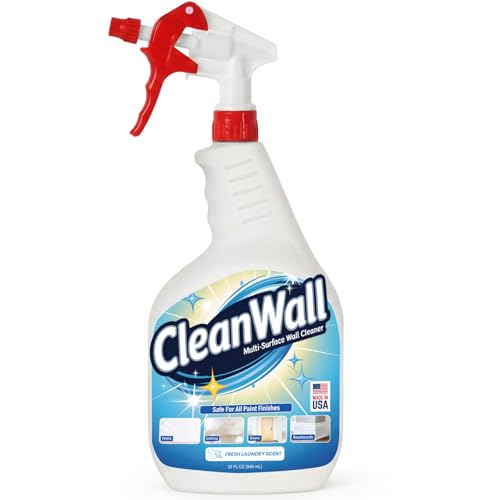
Pros
- Dual spray modes make it easy to clean both high spots and broad areas without switching tools
- Gentle enough for frequent use around children and pets without overpowering fumes
- Tackles common household messes like crayon marks and handprints that other cleaners miss
- Versatile formula works on multiple surfaces throughout the home, not just walls
- 32oz bottle provides good coverage for regular maintenance cleaning
Cons
- No customer reviews yet to validate real-world performance claims
- Higher price point compared to generic multi-surface cleaners
- May require multiple applications for heavily soiled or textured wall surfaces
If you have kids, you know the struggle: fingerprints on the hallway walls, mystery smudges around light switches, and the occasional crayon masterpiece. CleanWall is designed specifically for these everyday messes, with a spray-and-wipe system that skips the bucket-and-sponge routine. The dual nozzle is surprisingly smart: use the stream setting to hit baseboards and high spots without a ladder, then switch to mist mode for quick touch-ups in high-traffic areas.
What sets it apart from generic cleaners is the family-safe formula. No harsh chemical smell that lingers after cleaning, no sticky residue that attracts more dirt. It is made in the USA and gentle enough to use weekly without worrying about damaging your paint or bothering sensitive noses. The 32oz bottle is sized right for regular maintenance without taking up too much cabinet space.
If you want walls that look freshly painted without spending your Saturday scrubbing on a ladder, this one delivers.
Styles it works with: Modern Farmhouse, Scandinavian, Minimalist, Traditional
Best placed in: Kitchen for cooking splatter, hallways and stairways for handprints, kids' bedrooms and playrooms for crayon marks, entryways for scuff marks
May not suit: Homes with heavily textured or unpainted walls like exposed brick, renters who cannot make modifications to walls, those preferring concentrated refillable systems over single-use spray bottles
Buy it if:
- You have young children who leave handprints, crayon marks, or smudges on walls regularly
- You want to clean walls, doors, and baseboards without hauling out a bucket and ladder
- You prefer a family-safe cleaner with no harsh fumes for use around kids and pets
- You need one cleaner that works on multiple surfaces throughout your home
Consider waiting if:
- You want to see verified customer reviews before trying a new cleaning product
- You prefer to test a smaller trial size before committing to a 32oz bottle
Skip it if:
- You have unpainted, textured, or specialty wall finishes like exposed brick or wallpaper
- You only need a cleaner for occasional deep cleaning rather than regular maintenance
- You are looking for a budget option under $10
Check the latest price and availability on Amazon before it sells out.
Frequently Asked Questions
Can I use a Magic Eraser on white cabinets?
No. Melamine foam is a fine abrasive that slowly sands the paint’s topcoat, leaving a dull or chalky patch that’s more visible on white than on any other color. Use a soft cloth instead.
Does vinegar damage painted cabinets?
It depends on the finish. Diluted white vinegar is safe on fully cured waterborne paint, but it can dull some oil-based or specialty coatings. Spot-check a hidden corner first, and always rinse afterward.
How do I stop white cabinets from yellowing?
Run your exhaust fan while cooking to cut airborne grease, wipe high-touch zones weekly, and keep doors out of long direct sun. Those three habits stop the two main causes: grease film and UV oxidation.
Can I use bleach to whiten yellowed cabinets?
No. Bleach can strip gloss and etch the finish without truly whitening cured paint. If the paint itself has ambered from age, cleaning won’t reverse it; that’s a repaint job, not a stain.
How often should I clean white cabinets?
A quick weekly wipe of the areas around handles and the stove is enough for most homes. A full wipe-down of every door once a month keeps grease from building into a film that needs a degreaser.
What’s the best cloth for painted cabinets?
Microfiber. It lifts grease and dust without scratching, holds water well enough to wring nearly dry, and leaves no lint. Keep one damp cloth for cleaning and a second dry one for the final pass.
Will dish soap leave a residue on cabinets?
Not if you rinse. A few drops in warm water clean fine, but too much soap or no rinse leaves a dull film that grabs dust. Follow every soapy pass with a clean damp cloth, then dry.
Bottom Line
Most white cabinets stay bright on gentle care alone: a barely-damp microfiber cloth, a few drops of dish soap, and a 30-second weekly wipe of the handle zones before grease bonds. Save the degreaser and baking-soda paste for heavy film and set-in stains, and always work with dwell time instead of pressure. If the paint itself has yellowed from years of sun or is chipping at the seams, stop cleaning and plan a repaint.



Write Your Review
No reviews yet. Be the first to share your experience!