

> Editorial Note: I’m Erin Schwartz, and I cover home decor with a bias toward what actually works in a real room. The guidance here weighs scale, layout, and materials against Apartment Therapy and Wirecutter coverage rather than styling a space that nobody lives in.
The most common mistake is measuring the glass instead of the wall the blind actually covers. Outside mount blinds sit on the casing or the wall above the opening, so the numbers that matter are the ones that give you enough overlap to block light at the edges. The same steady hand helps later with how to clean window blinds and how to clean venetian blinds, and if you’re still weighing soft coverings, our take on curtain blinds lays out the trade-offs. Precise measuring carries straight over to how to measure a tv, how to measure for a sofa, and even planning where a flush mount chandelier lands over the room.
Where Do You Measure for Outside Mount Blinds?
You measure the wall or casing area you want the blind to cover, not the window opening itself. That’s the whole difference between inside and outside mount. An inside mount fits within the frame; an outside mount sits on top of the surrounding surface and overlaps the opening on every side.
Start by deciding where the headrail will sit. Most people mount it 2 to 3 inches above the top of the window opening, which hides the hardware and gives the blind room to stack when raised. Mark that line first. Then measure the flat area on each side to confirm there’s enough room for the brackets.
Apartment Therapy makes the same point about outside mounts: the goal is coverage and light control, not a snug fit. If your window has decorative molding, measure to the outer edge of the trim so the blind reads as intentional rather than cramped. A blind that stops short of the molding looks like a mistake.
How Much Overlap and Overhang Should You Add?
Add 1.5 to 2 inches of overlap on each side of the opening, plus 2 to 3 inches above and 1.5 to 2 inches below. That overlap is what stops light from leaking around the edges, which is the entire reason to choose an outside mount in the first place.
Do the math on width like this: the opening width plus roughly 3 to 4 inches total gives you the blind width. For a 30-inch opening, that means ordering a blind around 33 to 34 inches wide. The extra inches split evenly, so about 1.5 to 2 inches hang past each side.
Height works the same way. Measure from your marked headrail line down to where you want the blind to end, usually 1.5 to 2 inches below the sill or apron. Wirecutter’s window-treatment guidance leans toward more overlap rather than less, so when you’re unsure, round up. A little extra coverage never hurts; too little always shows.
How Do You Measure Width and Height Accurately?
Measure width in three places and height in three places, then use the largest width and the longest height. Walls and casings are rarely perfectly square, and the three-point method catches the drift before it becomes a gap.
For width, run your tape across the top, middle, and bottom of your planned coverage area. Record all three to the nearest 1/8 inch. Take the widest of the three; that number guarantees the blind spans the whole space even where the wall bows.
For height, measure the left side, center, and right side from the headrail line to your chosen stopping point, and use the longest reading. A steel tape holds a straight line across a wide window better than a cloth one, and a lock button keeps the blade from creeping while you read it. Write every number down. Don’t trust your memory across six separate readings.
Do You Have Enough Mounting Surface and Depth?
Check that you have at least 2 to 3 inches of flat, solid surface above the window for the brackets to grab. Outside mounts fasten into the wall or the casing, so the projection you need is depth away from the wall, not depth inside the frame.
Look for obstructions before you order. Crown molding, a tight ceiling, alarm sensors, or a light switch beside the frame can all steal the space a bracket needs. Measure the clear zone above and to the sides so nothing fouls the headrail.
Wall material matters too. Into drywall you’ll want anchors rated for the blind’s weight; into wood casing, screws bite directly. A standard headrail projects a few inches off the wall, so confirm a door or an adjacent blind won’t collide with it. Measure once for the bracket, once for the swing.
What You’ll Need
One reliable steel tape measure does almost all of this. The picks below were chosen on owner rating and blade readability, since a clear, legible blade is what keeps a 1/8-inch reading honest across a wide window.
The two DEWALT Atomic Compact tapes differ only in length: the 30-foot model (rated 4.8) suits tall windows and long runs, while the 25-foot version (also 4.8) is lighter for one-room jobs. FastCap’s ProCarpenter reads right-to-left, handy for overhead marks, and comes in a 16-Foot and a 25-Foot size (both 4.7). The Starrett Stix (4.7) is a short 6-foot sticker tape for marking the wall directly.

DEWALT Atomic 30ft Tape Measure - Compact Grip, Finger Brake, Fractional Graphics (DWHT38130S)
Pros
- Compact ergonomic design fits comfortably in hand for extended use
- Finger brake provides better blade control than standard tape measures
- Clear fractional markings make measuring faster and more accurate
- Durable coating protects blade from scratches and extends lifespan
Cons
- No customer reviews yet to verify real-world performance
- At 1 pound, slightly heavier than some competing compact models
- Standard 30-foot length may be limiting for larger outdoor projects
If you have ever struggled with a flimsy tape measure that keeps retracting mid-measurement, this DEWALT Atomic solves that frustration. The integrated finger brake gives you real control over the blade, so you can lock your measurement in place without fighting the spring tension. The compact grip also makes a noticeable difference when you are working on multiple projects in a day, from hanging curtain rods to measuring for new furniture placement.
What sets this apart for home decorating tasks is the fractional blade graphics. When you are trying to center a gallery wall or space out shelf brackets evenly, those clear markings help you work faster without second-guessing your measurements. The durable coating means it will hold up whether you are measuring indoors for a bedroom refresh or tackling outdoor projects like deck furniture arrangement.
If you want a reliable measuring tool that feels professional without the bulk of contractor-grade models, this one delivers.
Styles it works with: Modern Farmhouse, Industrial, Minimalist, Contemporary
Best placed in: Tool drawer in kitchen for quick measurements, garage workshop for DIY projects, utility closet alongside home improvement supplies
May not suit: Homes needing a tape measure longer than 30 feet for large outdoor spaces or two-story room measurements, or users who prefer ultra-lightweight models under 8 ounces
Buy it if:
- You are refreshing your home and need accurate measurements for furniture, wall art, or window treatments
- You want a tape measure with better blade control than basic hardware store options
- You prefer trusted brand quality for your home toolkit without spending over $20
Consider waiting if:
- You want to see verified customer reviews before purchasing a newer model
Skip it if:
- You need a tape measure longer than 30 feet for large-scale projects or exterior home measurements
- You require an ultra-lightweight model that weighs less than half a pound
Check the latest price and availability on Amazon before it sells out.
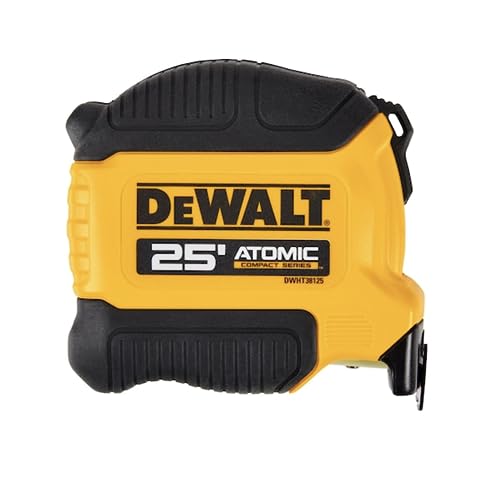
DEWALT Atomic 25ft Tape Measure - Compact Grip, 13ft Standout, Finger Brake Control (DWHT38125S)
Pros
- 13-foot standout is excellent for one-person measuring tasks
- Compact grip design reduces hand fatigue during extended use
- Finger brake provides better blade control than standard lock buttons
- Clear fractional markings are easy to read in various lighting
- Durable coating protects the blade from scratches and wear
Cons
- No customer reviews yet to verify real-world durability
- At $19.40, it's priced higher than basic 25-foot tapes
- Standout is shorter than some contractor-grade models
This tape measure hits the sweet spot for homeowners who want contractor-quality tools without the bulk. The 13-foot standout means you can measure across a room or down a hallway without the blade folding in half, which is a game-changer when you're hanging curtain rods or planning furniture layouts solo.
What really sets it apart is the finger brake. Instead of fumbling with a stiff lock button, you control the blade with your index finger as naturally as scrolling your phone. It's the kind of detail that makes picture-hanging or shelf installation feel less like a chore.
If you want a tape that won't fall apart after a dozen uses but doesn't take up half your tool drawer, this one delivers.
Styles it works with: Modern Farmhouse, Industrial, Minimalist, Transitional
Best placed in: Kitchen junk drawer for quick measurements, garage tool wall for easy access, utility closet alongside other home maintenance tools
May not suit: Professional contractors who need 30+ foot reach or extreme-duty construction durability; renters who only measure once a year and can use their phone instead
Buy it if:
- You regularly hang art, install shelves, or measure for furniture and want a tool that won't quit
- You're tired of flimsy tape measures that collapse or break after light use
- You value comfort and control during measuring tasks
Consider waiting if:
- You want to see verified customer reviews before committing at this price point
Skip it if:
- You need a tape longer than 25 feet for large-scale projects
- You're looking for a basic tape under $10 for occasional use only
Check the latest price and availability on Amazon before it sells out.
Pros
- Dual-direction reading saves time when measuring from tight corners
- Built-in sharpener and notepad eliminate the need for separate tools
- Durable rubber boot protects against job site drops
Cons
- Zero customer reviews make it difficult to verify real-world performance
- Green color may not appeal to all users
- At this price point, competing brands offer proven track records
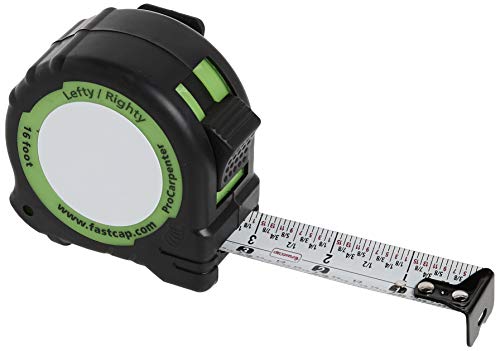
This isn't your typical tape measure. FastCap designed it for pros who are tired of flipping their tape around in cramped spaces or hunting for a pencil when they need to mark a cut. The dual-direction reading means you can pull from either side and still read the numbers right-side up, which is genuinely useful when you're wedged behind a water heater or measuring inside a cabinet.
The built-in pencil sharpener and erasable notepad sound gimmicky until you've used them. Being able to sharpen your carpenter pencil without walking back to your toolbox, or jotting a quick measurement on the tape case itself, adds up to real time savings over a full day of work. The rubber boot and reinforced blade show this tape was built to take a beating.
If you want a measuring tape that keeps pace with fast-paced projects without making you hunt for accessories, this one delivers.
Styles it works with: This is a professional tool, not a decorative item. It works in any workshop, garage, or tool storage setup regardless of design style.
Best placed in: Tool belt, workshop pegboard, garage tool chest, or kitchen junk drawer for home repairs.
May not suit: Casual homeowners who measure once a year may find the professional features unnecessary. The green color may clash with color-coded tool organization systems.
Buy it if:
- You're a contractor or tradesperson who measures dozens of times per day
- You frequently work in tight spaces where flipping a tape is awkward
- You want your pencil sharpener and notepad integrated into one tool
Consider waiting if:
- You want to see verified customer reviews before purchasing
- You prefer a different color for your tool collection
Skip it if:
- You only need a tape measure for occasional picture hanging or furniture assembly
- You need a longer tape for large outdoor projects or construction framing
Check the latest price and availability on Amazon before it sells out.

Pros
- Strong permanent adhesive works on wood, metal, and laminate surfaces
- Durable steel construction with protective coating stands up to workshop use
- Can be trimmed to exact size needed for custom workspaces
- Eliminates fumbling with handheld tape measures during cuts
- Clear, easy-to-read graduations in standard imperial measurements
Cons
- Permanent adhesive means you cannot easily reposition once applied
- Only available in 6-foot length which may be too short for larger work surfaces
- Right-to-left orientation requires adjustment if you typically read left to right
If you have a workshop, craft room, or dedicated project space, this adhesive tape measure changes how you work. Instead of constantly picking up and setting down a tape measure, you get instant reference measurements right on your table surface. It stays put while you slide materials across it, mark cuts, or line up assembly work.
The steel construction means it will not stretch or warp like cheaper alternatives, and the polyurethane coating protects it from scratches, sawdust, and general workshop wear. You can cut it to fit your exact table width, which is perfect for smaller workbenches or craft tables where a full 6 feet is too much.
If you want permanent measuring reference built into your workspace without constantly reaching for a tape measure, this one delivers.
Styles it works with: Industrial workshop spaces, modern craft rooms, functional home offices, maker spaces
Best placed in: Workshop benches, craft tables, sewing tables, garage workstations, drafting tables, DIY assembly areas
May not suit: Homes without dedicated workshop or craft space, renters who cannot make permanent modifications to furniture, or anyone who needs measurements longer than 6 feet on a single surface
Buy it if:
- You do regular woodworking, sewing, or craft projects that require repeated measurements
- You have a dedicated workbench or table that will not be moved or repurposed
- You are tired of your tape measure sliding around or getting buried under materials mid-project
Consider waiting if:
- You need a measuring solution you can easily remove or reposition later
Skip it if:
- Your work surface is longer than 6 feet and you need continuous measurement
- You work on temporary or portable surfaces that change locations frequently
Check the latest price and availability on Amazon before it sells out.

Pros
- Integrated notepad and pencil sharpener eliminate interruptions during measuring tasks
- Durable rubber boot and four-rivet blade construction built for professional daily use
- Clear, easy-to-read markings down to 1/16 inch for accurate measurements
- Compact size with ergonomic belt clip for easy portability
Cons
- At $10.99, costs more than basic measuring tapes without integrated features
- No customer reviews yet to verify long-term durability of notepad mechanism
- Reverse measuring feature may require adjustment period for those used to standard tapes
This is not your basic hardware store measuring tape. FastCap built this for carpenters who are tired of juggling a tape, pencil, and scrap paper while trying to mark cut lists. The built-in Fastpad notepad sits right on the casing so you can jot measurements instantly, and the pencil sharpener means your marking tool stays ready without digging through your pouch.
The 1-inch blade feels substantial in hand, with four-rivet nose construction that should handle the inevitable drops and snags that come with daily use. The reverse measuring layout takes a few uses to adjust to, but once you do, inside measurements and cabinet work become noticeably faster. The rubber boot adds real protection without making the whole thing bulky.
If you want integrated note-taking and measuring in one tool without carrying a separate notepad, this one delivers.
Styles it works with: This is a professional tool, not a decor item. It belongs in workshops, garages, and tool storage rather than styled spaces.
Best placed in: Tool belts during active projects, workshop pegboards, garage tool chests, or vehicle consoles for contractors on the move.
This product does not fit traditional home decor categories. It is a professional carpentry tool designed for jobsites and workshops, not living spaces, bedrooms, or entryways.
Buy it if:
- You are a professional carpenter or contractor who measures and notes dimensions dozens of times per day
- You are tired of losing scraps of paper with measurements or hunting for a pencil mid-project
- You value jobsite efficiency and want fewer items to carry in your tool belt
Consider waiting if:
- You want to see verified customer reviews before committing, since this product currently has zero reviews
Skip it if:
- You only measure occasionally for basic home projects and do not need integrated note-taking features
- You are looking for home decor, furniture, or decorative items for your living spaces
Check the latest price and availability on Amazon before it sells out.
Frequently Asked Questions
Should I measure the window or the wall for outside mount?
The wall. Outside mount blinds cover the opening plus overlap, so you measure the area the blind will span, adding 1.5 to 2 inches beyond the opening on every side.
How much bigger than the window should the blind be?
About 3 to 4 inches wider total and 3 to 5 inches taller. That splits into roughly 1.5 to 2 inches of overlap per side, 2 to 3 inches above, and 1.5 to 2 inches below.
Do I round measurements up or down?
Up, always. For outside mounts you want maximum coverage, so round each reading up to the nearest 1/8 inch. Extra overlap blocks light; a short blind never will.
Can I use a fabric tape measure?
No. A cloth tape sags and stretches across a wide window, throwing off your reading. Use a locking steel tape so the blade stays straight and the number holds while you record it.
How much wall space do I need above the window?
At least 2 to 3 inches of flat, solid surface for the brackets. Check for crown molding, sensors, or a tight ceiling that could crowd the headrail before you order.
Why measure width in three places?
Because walls and casings drift out of square. Reading the top, middle, and bottom catches the widest point, so the finished blind spans the whole area instead of leaving a gap on one side.
Do outside mounts need depth like inside mounts?
It depends on the type. They don’t need frame depth, but the headrail projects a few inches off the wall, so confirm a door, handle, or nearby blind won’t collide with it.
Bottom Line
For most outside mount jobs, one habit solves it: measure the wall coverage, not the glass, and round every reading up to the nearest 1/8 inch. Add 1.5 to 2 inches of overlap per side, 2 to 3 inches above, and check you have solid surface for the brackets. Take width and height in three spots each, then order to the largest. If the wall is masonry or the surface above is too shallow for anchors, that’s the point to bring in an installer.





Write Your Review
No reviews yet. Be the first to share your experience!