

> Editorial Note: I’m Erin Schwartz, and I cover home decor with a bias toward what actually works in a real room. The guidance here weighs scale, layout, and materials against Apartment Therapy and Wirecutter coverage rather than styling a space that nobody lives in.
Wall planters solve two problems at once: dead vertical space and a chronic lack of floor area. But most break at the mount, leak on the drywall, or fade after one summer. I researched five that don’t. Pair them with your vertical garden planters for a full living wall, or balance the greenery against metal wall art, geometric wall mirrors, framed canvas wall art, and abstract wall art for a room that reads intentional instead of cluttered.
How We Evaluated
Each pick was assessed against three metrics: mounting security, water management, and material longevity under UV per ASTM G154. I weighted self-watering reservoirs and freeze-thaw ratings heavily, since a cracked planter is a wall stain waiting to happen. Weight-to-capacity ratio mattered too. A planter that strains a single drywall anchor gets marked down.
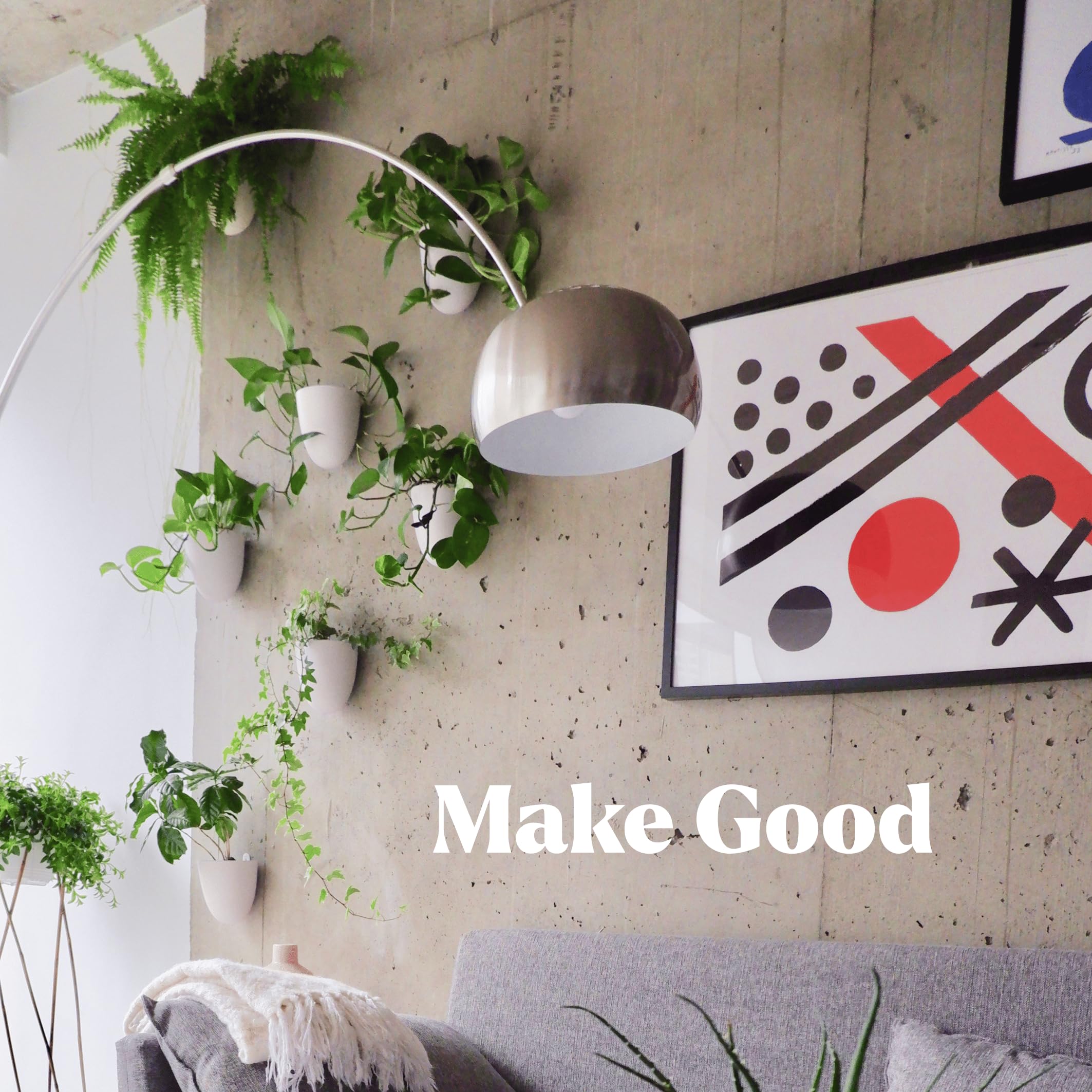
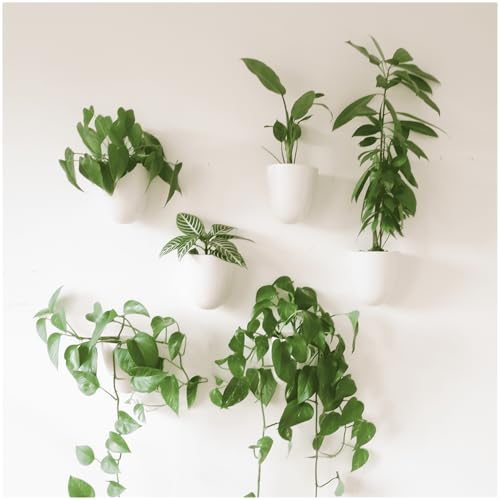
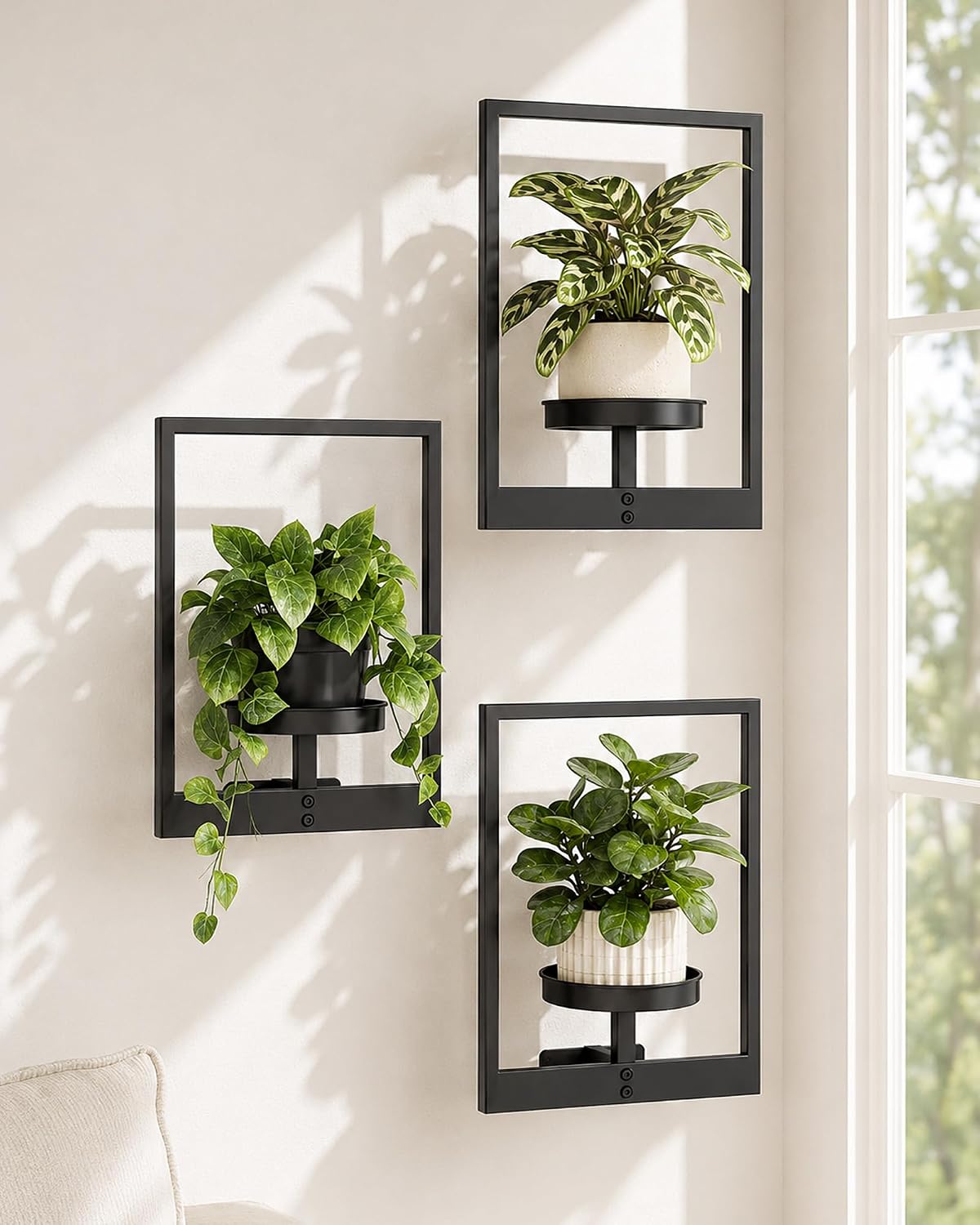


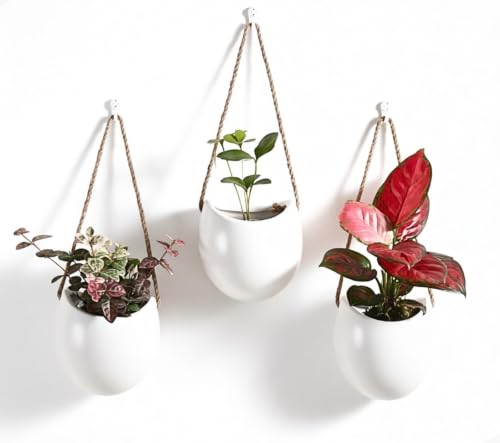
1. Make Good PlantPod Luxe — The self-watering set that wins on hands-off maintenance
This one wins. The PlantPod Luxe ships as a set of 6, each with a built-in reservoir that stretches watering intervals to roughly 7 to 10 days for most succulents and pothos. The lightweight build means a standard drywall anchor holds without a stud. Installation uses a mounting rail, so you level once and slot pods in any arrangement. The trade-off is aesthetic: these read modern and minimal, not rustic. If you want a low-effort living wall that survives skipped waterings, start here.
2. Bamworld Hanging Planters — Best for renters who can’t drill
Bamworld’s set leans decorative and indoor-first, with a plant hanger and window-mount design that avoids permanent holes. That makes it the pick for renters or anyone dodging drywall repair at move-out. Capacity runs smaller than the Make Good pods, so it suits trailing plants and herbs rather than heavy soil volume. Material is lighter-duty, which keeps weight low but caps outdoor UV durability. Indoors near a bright window, it holds up fine. Outside in full sun, expect shorter service life.
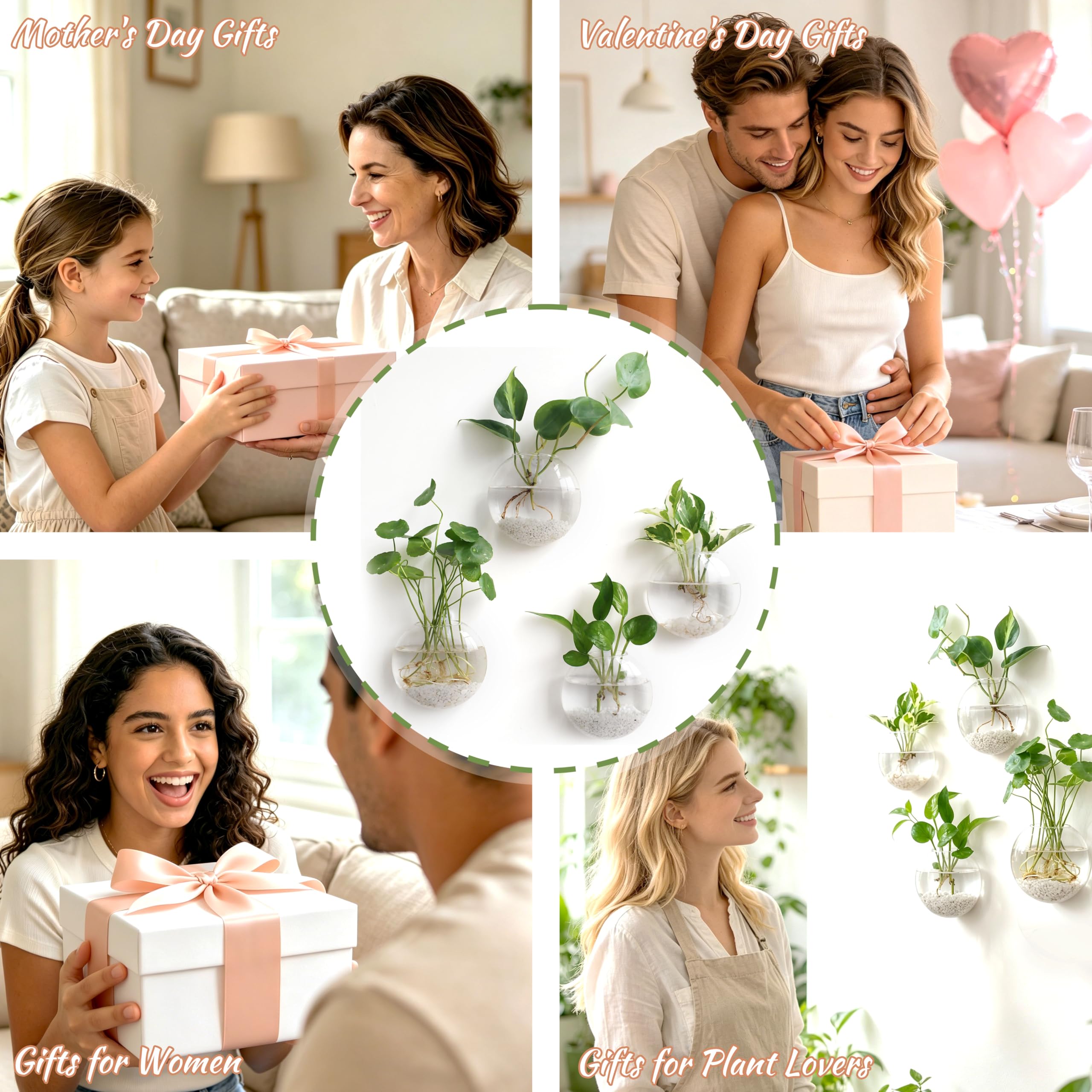
3. Mkono Wall Hanging Planter — For propagation and cuttings, not soil
The Mkono is a glass propagation station, not a soil planter. Use it for hydroponic cuttings, rooting pothos, or displaying single stems in water. The clear glass lets you watch root development, which makes it genuinely functional for anyone multiplying plants. It won’t hold potting mix, so treat it as a specialist. Wall-mounted and compact, it fits a bathroom or office nook where a full planter would crowd the space. Handle the glass carefully during mounting.
4. Make Good PlantPod Classic — Same reservoir, cleaner white finish
The Classic delivers the identical self-watering reservoir as the Luxe in a set of 6, finished in flat white. Same mounting rail, same 7-to-10-day watering window, slightly plainer profile. Pick this if you want the hands-off performance without the Luxe styling premium, or if white blends better with your trim. Weight stays low enough for drywall anchors. The white shows dust and hard-water spots faster than darker finishes, so plan on an occasional wipe-down to keep it sharp.
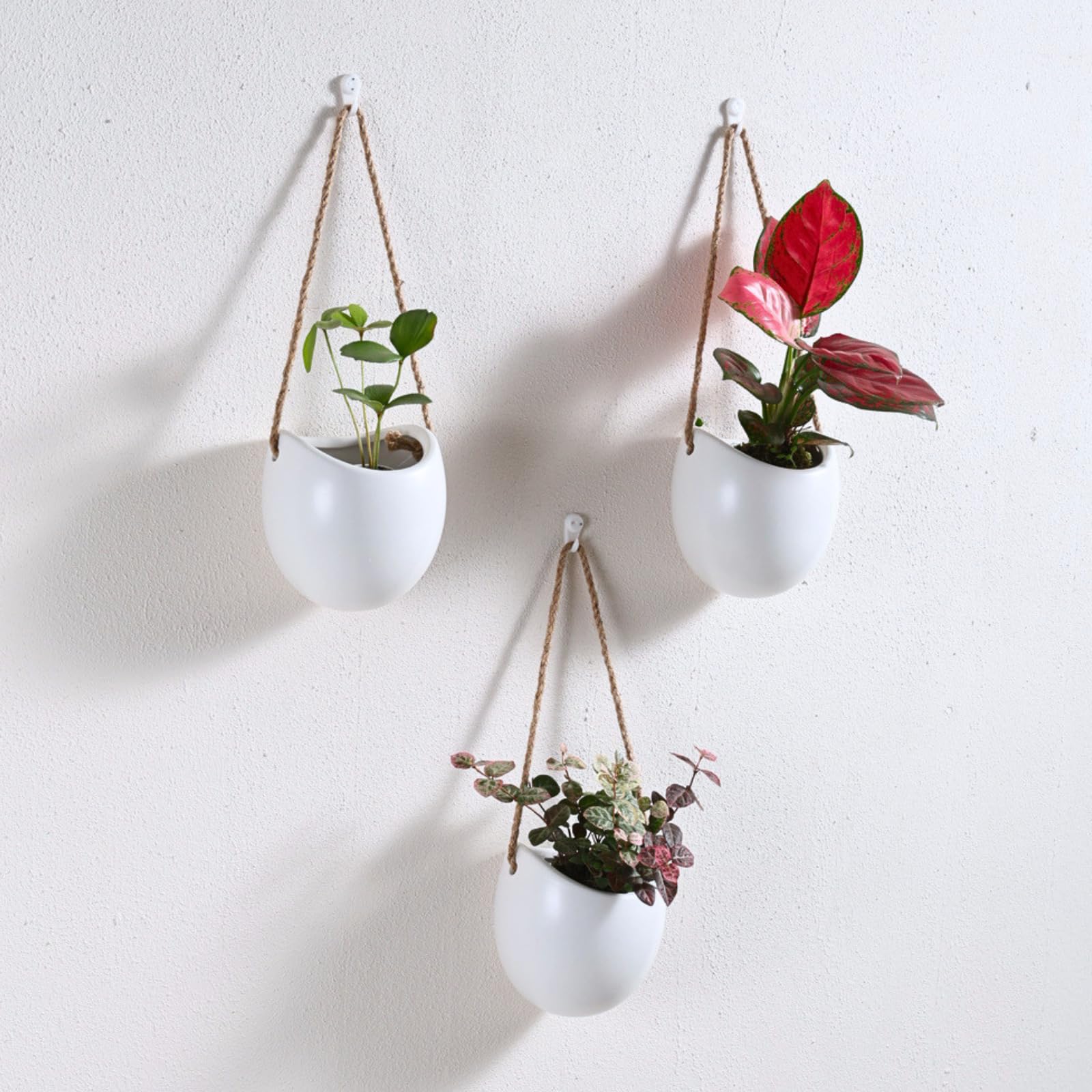
5. Kvetto Ceramic Wall Planters — The design-forward ceramic set
Kvetto’s set of 3 ceramic wall planters is the styling pick. Ceramic reads warmer than plastic and resists UV fading better than the lighter resin sets. The trade-off is weight. Three ceramic vases filled with damp soil demand proper anchors, ideally into a stud. Capacity per vase is small, suited to succulents and air plants. No reservoir here, so watering is manual and more frequent. Worth it if you’re prioritizing how the wall looks over maintenance ease.
Comparison Table
| Pick | Set Size | Self-Watering | Best Use | Material |
|---|---|---|---|---|
| Make Good Luxe | 6 | Yes | Living wall | Resin |
| Bamworld | Varies | No | Renters/indoor | Lightweight |
| Mkono | 1 | N/A (hydro) | Propagation | Glass |
| Make Good Classic | 6 | Yes | Living wall | Resin |
| Kvetto | 3 | No | Decor accent | Ceramic |
How to Choose a Wall Planter
Start with your wall type. Drywall without a stud caps you near 10 to 15 lbs per anchor, which rules out heavy ceramic sets unless you hit framing. Resin pods like the Make Good line stay light enough for standard anchors even when watered.
Next, decide manual versus self-watering. Reservoirs cut watering frequency to weekly, a real advantage if you travel. Then consider water routing. Any planter mounted above furniture or flooring needs drainage control, since a leak becomes a stain fast. GREENGUARD-certified materials help indoors by limiting off-gassing.
Match capacity to plant type last. Succulents and air plants thrive in the small Kvetto and Mkono vessels. Trailing pothos and herbs want the deeper Make Good reservoirs.
Self-Watering vs. Manual: Which Actually Fits Your Routine
Self-watering pods win on convenience. Both Make Good sets run 7 to 10 days between fills, which suits busy schedules and reduces overwatering, the top killer of indoor plants per Apartment Therapy. The reservoir adds weight and cost per unit, though.
Manual planters like the Kvetto ceramic set and Mkono glass station cost less upfront and drain fully, which some plants prefer. They demand attention every 3 to 5 days for most species. If you’re consistent, manual is fine and often better-looking. If you forget, spend on the reservoir. That’s the honest split.
Frequently Asked Questions
Can wall planters hang on drywall without a stud?
Yes, for lightweight sets. Resin planters like the Make Good pods stay under most drywall anchor limits even when watered. Ceramic sets like Kvetto add real weight and should anchor into a stud or use rated toggle bolts.
How often do self-watering wall planters need refilling?
Both Make Good sets run roughly 7 to 10 days between reservoir fills for succulents and pothos. Thirstier plants or hot, dry rooms shorten that window. Check the reservoir level weekly until you learn your specific plants.
Are these planters safe for outdoor use?
The ceramic Kvetto set resists UV fading better than lighter resin. Bamworld’s lighter build suits indoor and shaded spots. For full-sun exposure, prioritize materials rated against ASTM G154 weatherability and expect faster wear on budget sets.
What plants work best in wall planters?
Succulents, pothos, air plants, and trailing herbs. Small vessels like Mkono and Kvetto suit succulents and cuttings. Deeper reservoirs in the Make Good pods handle pothos and larger root systems.
Do wall planters damage the wall?
Only if they leak or pull anchors. Use rated hardware and control drainage. Self-watering reservoirs reduce spillage risk. Renters should consider Bamworld’s window-mount design to avoid drilling entirely.
Can I use the Mkono planter for soil?
No. The Mkono is a glass propagation station built for water and hydroponic cuttings. It won’t hold potting mix. Use it for rooting stems, then transplant into a soil planter.
Bottom Line
The Make Good PlantPod Luxe is my top pick. Its 6-pod set, weekly reservoir, and drywall-friendly weight make a living wall genuinely low-maintenance. Choose the Make Good Classic instead if you want the same performance in flat white at a cleaner price. If you’re a renter who can’t drill, Bamworld’s window-mount design saves your deposit, though it trades away outdoor durability and reservoir convenience.




Write Your Review
No reviews yet. Be the first to share your experience!