

> Editorial Note: I’m Maya Chen, a bedroom and sleep editor covering mattresses, bed frames, and bedding. The picks here are evaluated against CertiPUR-US foam standards, Sleep Foundation evaluation protocols, and owner durability reports from r/Mattress.
Back pain and mattresses have a messy relationship. A bed can’t cure a bad back, but the wrong support can make morning stiffness worse, and the right surface may help you wake up looser. The decision comes down to firmness, spinal alignment, and whether you need a whole new mattress or just a topper to rescue one that’s sagging. Before you buy, skim best mattress for back pain, mattress topper queen, best hybrid mattress, how to choose a queen mattress, and best queen bed frame so the fix matches your actual problem.
What Firmness Helps a Bad Back?
Firmness is the first lever, and the old “firmer is better for your back” advice is only half right. Research the Sleep Foundation cites points toward medium-firm as the sweet spot for most people with lower-back pain, roughly a 6 to 7 on the standard 10-point scale. Too soft and your hips sink, curving the spine; too firm and your shoulders and hips can’t settle, leaving pressure points that wake you.
The goal is neutral spinal alignment: your spine keeps its natural curve whether you’re on your back or side. A medium-firm surface supports the heavier parts of your body while still cushioning the shoulder and hip. That balance is why it’s the most-recommended starting point rather than an extreme at either end.
Your body weight nudges the number. Lighter sleepers under 130 pounds often do better a touch softer, since they don’t compress the surface much and need more contouring. Heavier sleepers over 230 pounds usually need firmer support to stop the hips from sinking into misalignment. Match the firmness to your build, not to a blanket rule.
Does Sleep Position Change What You Need?
Position matters as much as firmness, because each posture stresses the spine differently. Side sleepers carry pressure at the shoulder and hip, so they need enough give there to keep the spine straight. A slightly softer medium surface, or a topper adding 3 to 4 inches of contouring foam, may help side sleepers with back pain more than a rigid bed.
Back sleepers need consistent support under the lumbar curve so the lower back doesn’t arch or flatten. Medium-firm usually holds this alignment best, filling the small gap at the lower back without letting the hips drop. Stomach sleepers are the tricky group, since that position tends to overextend the lower back. They generally need a firmer surface to keep the midsection from sagging, and it’s worth considering a position change over time.
Combination sleepers who switch through the night want a surface responsive enough to move on without sinking. This is where a hybrid’s coil layer earns its place, offering enough bounce to reposition while still cushioning each posture. Pick for the position you spend the most hours in.
Should You Buy a New Mattress or Add a Topper?
This is the money question, and the answer depends on the mattress you already own. If your bed is under about seven years old and structurally sound but too firm, a topper is the cost-effective route. A 3 to 4 inch memory foam topper can soften a hard surface and add pressure relief for a fraction of a new mattress price, and it may help a back that’s fighting a too-firm bed.
If your mattress sags more than about 1 inch in the middle, a topper won’t save it. Foam laid over a dip just follows the dip, so you feel the sag through the topper within weeks. A visibly sunken or 8-plus-year-old mattress that’s causing pain needs replacement, not a patch. Owner reports on r/Mattress are consistent on this: toppers fix firmness, not broken support.
Toppers also let you fine-tune. An extra-firm 3 inch topper can add support to a bed that’s gone slightly soft, while a plush 4 inch topper softens one that’s too hard. For a queen, look for CertiPUR-US foam and a density that resists bottoming out under your weight. If the base is healthy, a topper is the smart first move before spending on a full mattress.
What Materials Support the Spine Best?
Material decides how support and pressure relief combine. Memory foam contours closely, spreading weight and cushioning pressure points, which many people with joint or hip pain find helps. Its weakness is heat and a slow response, so look for gel-infused or open-cell foam if you sleep hot, and confirm CertiPUR-US certification so you’re not breathing off high-VOC foam all night.
Hybrids pair pocketed coils with a foam comfort layer, and this construction tends to serve back-pain sleepers well. The coils keep the hips lifted and add airflow, while the foam on top handles contouring. For heavier sleepers especially, that coil support prevents the deep sink that throws the spine out of line. High-density foam layers matter too, since they hold their supportive shape far longer than cheap low-density foam that softens fast.
Whatever the material, durability protects your back over time. A layer that softens within a year recreates the sagging problem you were trying to escape. Higher density up front costs more but keeps the support consistent, and paired with a solid frame and center support, it holds alignment for years rather than months.
How Do You Confirm a Mattress Actually Works for You?
No spec sheet can promise pain relief, so the trial period is where you find out. Most boxed mattresses and toppers ship with a trial of 100 nights or more, and the Sleep Foundation advises giving a new surface at least two to three weeks before judging it. Your back needs time to adjust and the foam needs time to break in, so night one tells you almost nothing.
Track how you feel in the morning, not just how the bed feels at bedtime. Morning stiffness that fades within 15 to 30 minutes of getting up is common on any new surface during the break-in window. Stiffness that lingers or worsens after three weeks is the signal the firmness is wrong for you, and that’s exactly what the trial is for.
Set the base up right, too. A saggy foundation or missing center support undermines even a great mattress, so make sure slats sit no more than about 3 inches apart and a queen frame has a central support leg. If pain is severe, persistent, or radiating, a mattress is a comfort tool, not a substitute for seeing a professional.
Helpful Products
The picks below are queen memory foam toppers evaluated for firmness options, CertiPUR-US foam, and owner ratings at or above 4.6. Start with the plush option if your bed is too firm; choose the extra-firm topper if your mattress has gone slightly soft.

Pros
- Generous 4-inch profile delivers noticeable pressure relief that thinner toppers cannot match
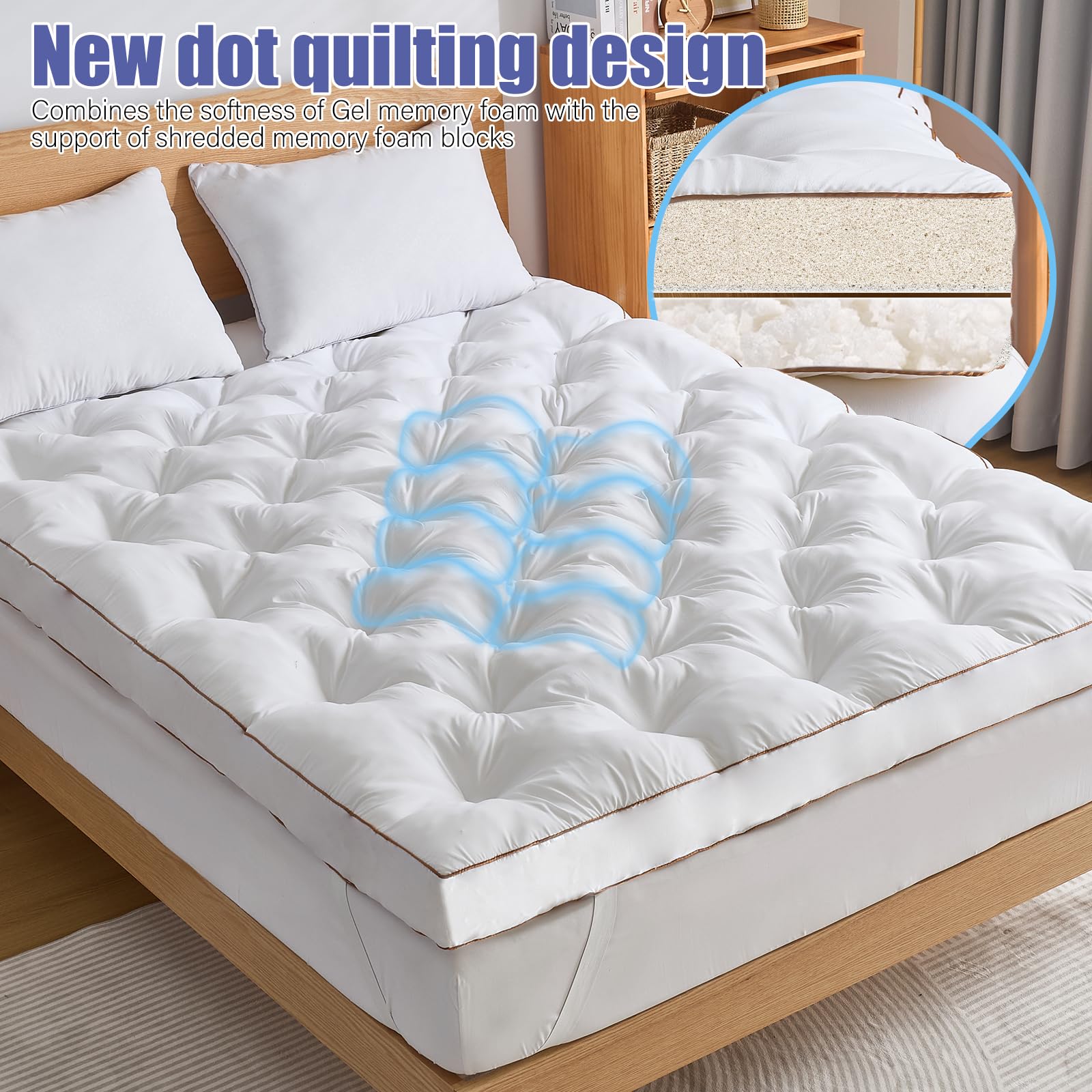
- Bamboo viscose cover is naturally breathable and soft against skin, ideal for hot sleepers
- Dual-foam construction balances softness and support rather than choosing one over the other
- Dot-quilting prevents fill migration, maintaining consistent comfort across the entire sleep surface
- Elastic corner straps keep the topper securely anchored through active, restless sleep
Cons
- Requires a full 24-hour expansion period before use, which delays immediate setup after delivery
- Only four corner straps are included, which may not be enough to prevent shifting on very deep or pillow-top mattresses
- With only 22 reviews, long-term durability data is still limited compared to more established brands
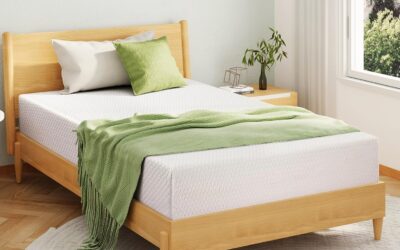
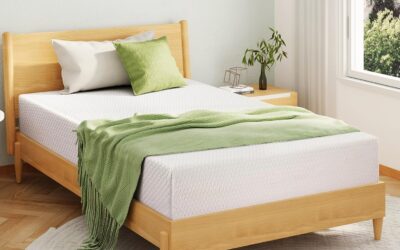
What separates this topper from the sea of single-layer foam options is its dual-construction approach. The gel memory foam on top absorbs and disperses body heat while the shredded memory foam layer underneath acts like a responsive support base. Together they create a sleeping surface that feels indulgent without swallowing you whole, which is a balance that is genuinely hard to find at this price point.
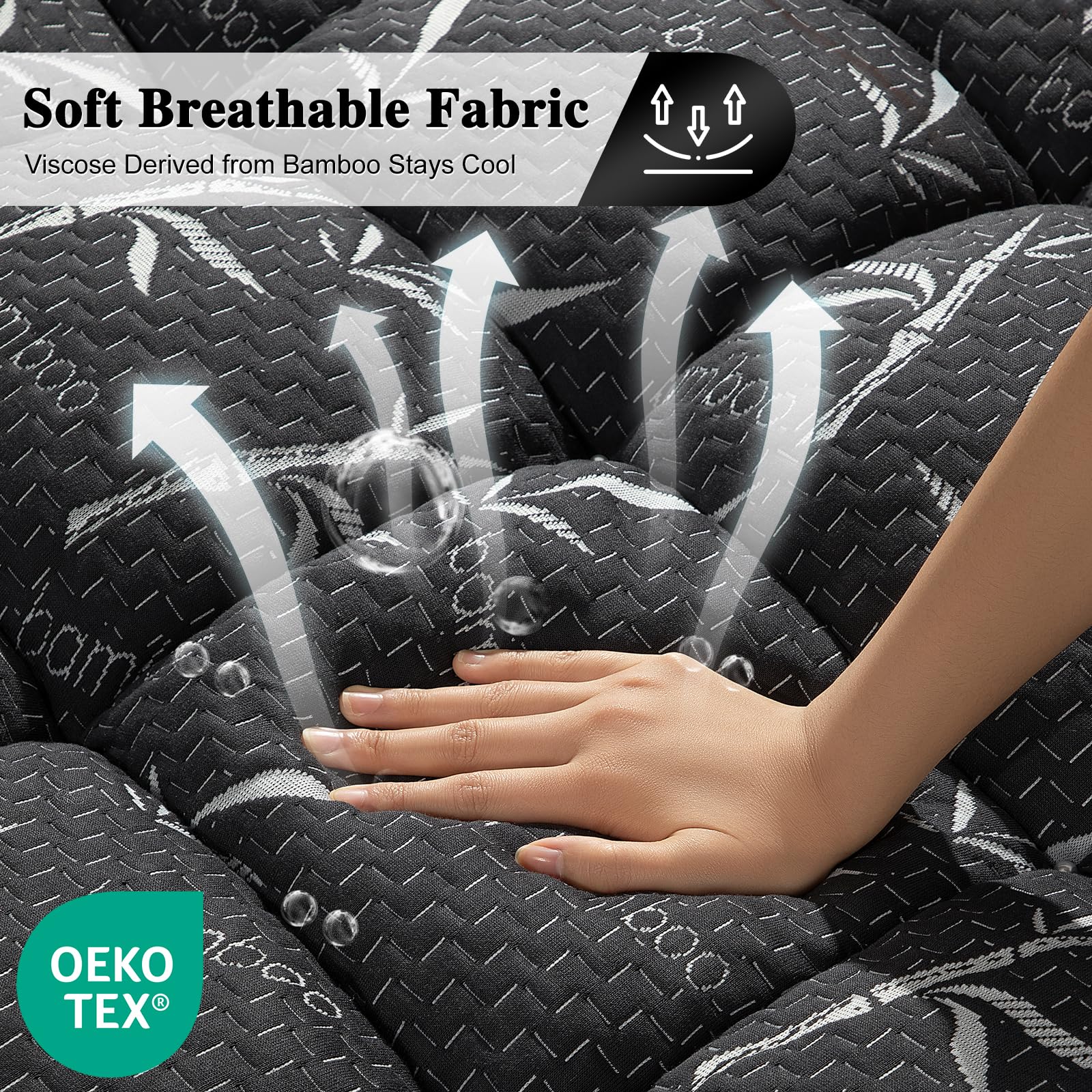
The bamboo viscose cover is a real highlight. It feels noticeably softer than standard polyester covers and has a subtle texture that breathes well throughout the night. Paired with the cooling gel layer beneath it, the topper runs meaningfully cooler than traditional memory foam, making it a strong choice for anyone who wakes up too warm.
For a bedroom that needs a refresh without a full mattress overhaul, this topper adds visible loft and a tidier sleep surface thanks to the pillow-top profile and dot-quilted finish. If you want genuine back pain relief and a cooler night's sleep without buying a new mattress, this one delivers.
Styles it works with: Scandinavian Minimalist, Modern Farmhouse, Soft Contemporary, Japandi
Best placed in: Primary bedroom on a queen platform bed, guest bedroom to upgrade an older mattress, or a spare room that doubles as a home office with a daybed
May not suit: Bunk beds or trundle frames where mattress depth is restricted, or households where the mattress already has significant sag, since a topper can mask but not correct underlying support issues
Buy it if:
- You wake up with lower back or shoulder pain and want a pressure-relieving upgrade without replacing your mattress
- You sleep hot and have struggled with standard memory foam toppers that trap heat overnight
- Your current mattress is too firm and you want a substantial 4-inch layer of cushioning that actually changes the feel
Consider waiting if:
- You need the topper immediately, since the 24-hour expansion window means you cannot use it the night it arrives
Skip it if:
- Your mattress already has significant body impressions or sagging, as a topper will not fix structural support problems
- You need a topper for a bunk or trundle bed where adding 4 inches of height creates a safety or fit issue
Check the latest price and availability on Amazon before it sells out.

Pros
- Extra-firm 45D foam base delivers genuine lumbar support not just marketing-speak firmness
- Dual-certification (CertiPUR-US foam and OEKO-TEX cover) backs up the healthy-sleep claims with independent testing
- 120-night trial is longer than most competitors and removes the biggest risk of buying a mattress topper online
- Removable machine-washable cover is a practical advantage for pet owners, guest rooms, and families with children
- Anti-slip strap system works across memory foam, hybrid, and innerspring mattresses
Cons
- Very firm feel will not suit side sleepers or lightweight sleepers who prefer plush or medium cushioning
- Requires 48 to 72 hours off-gassing and expansion time before use, which rules out same-day setup
- Brand is relatively new with a small review base, so long-term durability data is still limited
If your mattress has gone soft over the years or you just upgraded to a bed that feels too plush for your back, the Grbsy queen topper is the kind of practical fix that actually works. The 45D high-density base is noticeably firmer than most foam toppers on the market, and the contoured top layer adds just enough cushion to take the edge off without sacrificing that supportive, grounded feel your spine needs.
What sets it apart from a basic foam pad is the cooling system. The gel and bamboo-charcoal foam layers combined with the Ice Silk cover make a real difference for anyone who tends to overheat at night. The cover also zips off and goes straight into the washing machine, which feels like a small thing until you actually need it after a pet accident or a guest stay.
If you want firm back support and a cooler night's sleep without replacing your entire mattress, this one delivers.
Styles it works with: Modern Minimalist, Scandinavian, Contemporary, Clean Transitional
Best placed in: Primary bedroom on a platform or box spring bed, guest bedroom to refresh an aging mattress, dorm loft bed, or sofa sleeper in a studio apartment
May not suit: Homes where all sleepers prefer soft or plush comfort, or households with only lightweight sleepers who may find the extra-firm feel uncomfortable regardless of back concerns
Buy it if:
- Your current mattress feels too soft and you wake up with lower back or hip pain
- You sleep warm and previous foam toppers made the heat problem worse
- You want a guest room upgrade that is easy to keep clean and can handle pets or kids
Consider waiting if:
- You are still within the return window of a recently purchased mattress and want to try adjusting it first
Skip it if:
- You are a dedicated side sleeper or lightweight sleeper who needs soft pressure relief rather than firm support
- You need same-day usability since the topper requires up to 72 hours to fully expand after unboxing
Check the latest price and availability on Amazon before it sells out.

Pros
- Excellent pressure relief for back, hip, and joint pain at under $60
- Shredded foam construction rebounds quickly and avoids the trapped-in-bed feeling
- Secure deep pocket design fits mattresses up to 18 inches without shifting
- OEKO-TEX certified with bamboo-viscose cover for sensitive skin
Cons
- Only available in black, which limits pairing with lighter bedroom aesthetics
- At 75 reviews, long-term durability data is still limited
- May sleep warmer than gel-infused foam alternatives despite the breathable cover
This LIANLAM topper solves a common bedroom frustration: your mattress is too firm or too worn, but replacing it feels like overkill. At four inches thick with 2000 GSM of shredded memory foam and down-alternative fill, it adds a genuinely transformative layer of cushion that you can feel the moment you lie down. It is plush without being sagy, supportive without being rigid.
In a real bedroom, it sits neatly on your existing mattress with an elastic skirt that actually stays anchored. The black cover looks clean and modern under your fitted sheet, and the breathable bamboo-viscose fabric does not trap heat the way solid foam slabs tend to. It feels like upgrading to a boutique hotel bed without the boutique hotel price tag.
If you want instant pressure relief and a softer sleep surface without spending hundreds on a new mattress, this one delivers.
Styles it works with: Modern Minimalist, Scandinavian, Contemporary, Transitional
Best placed in: Primary bedroom queen bed, guest room mattress refresh, studio apartment sleeping area
May not suit: Bedrooms where you prefer an ultra-firm sleep surface, or households that need a waterproof topper for young children or pets
Buy it if:
- You wake up with back or hip stiffness and want targeted pressure relief without buying a new mattress
- Your current mattress is too firm and you want a plush, body-hugging layer on top
- You need a budget-friendly queen topper under $60 that still feels substantial at 4 inches thick
Consider waiting if:
- You want a lighter color option to match white or neutral bedding
- You prefer a gel-infused cooling foam for very hot sleepers
Skip it if:
- You need a waterproof or hypoallergenic barrier for allergy or spill protection
- You prefer an ultra-firm sleep surface with zero sink
Check the latest price and availability on Amazon before it sells out.
Frequently Asked Questions
Is a firm or soft mattress better for back pain?
It depends, but medium-firm suits most people with lower-back pain. Too soft lets the hips sink and curves the spine; too firm creates shoulder and hip pressure. Aim for a 6 to 7 of 10.
Can a mattress topper fix back pain?
It depends on your mattress. A 3 to 4 inch topper may help if your bed is too firm but structurally sound. If the mattress sags more than 1 inch, a topper only follows the dip.
Do I need to replace my mattress for back pain?
It depends on its condition. Replace it if it sags visibly or is over 8 years old. If it’s newer and simply too firm or too soft, a topper is a cheaper first step.
What firmness is best for side sleepers with back pain?
It depends on weight, but side sleepers usually do best around soft-to-medium (4 to 6 of 10). That range cushions the shoulder and hip so the spine stays aligned instead of bending at the pressure points.
Are memory foam or hybrid mattresses better for the back?
It depends on your body. Hybrids suit heavier sleepers and those who run hot, thanks to coil support and airflow. Memory foam contours more closely, which lighter sleepers and side sleepers often prefer.
How long before a new mattress helps my back?
Almost always two to three weeks. Your back needs time to adjust and the foam needs to break in. Judge the surface by how you feel after the adjustment window, not on the first night.
Can the right mattress cure my back pain?
No. A mattress supports your spine and may reduce stiffness, but it can’t cure an underlying condition. If pain is severe, persistent, or radiating down a limb, see a medical professional.
Write Your Review
No reviews yet. Be the first to share your experience!