

> Editorial Note: I’m Maya Chen, a bedroom and sleep editor covering mattresses, bed frames, and bedding. The picks here are evaluated against CertiPUR-US foam standards, Sleep Foundation evaluation protocols, and owner durability reports from r/Mattress.
A comforter is one of the hardest things to wash at home, mostly because people rush it. Cram it into a small machine, use too much detergent, or pull it out still damp, and you get clumped fill and a musty smell. Done right, most comforters wash cleanly in a home machine. This guide covers how, and it pairs with best comforter for all seasons, down vs down alternative comforter, best duvet insert, best mattress protector, how to make a bed like a hotel, and best cooling sheets.
How Often Should You Wash a Comforter?
It depends on how you use it. A comforter used with a duvet cover only needs washing 2 to 3 times a year, because the cover takes the daily contact and gets laundered weekly. A comforter used bare, with no cover, needs washing every 1 to 2 months since it collects skin oils, sweat, and dust directly.
Spot-clean between full washes. A fresh spill blotted right away rarely needs a whole cycle, and over-washing is how comforters wear out early. Every trip through the machine stresses the seams and the fill, so less is genuinely more here.
Watch for the signals. A comforter that smells musty, feels heavier than it used to, or has visible marks is asking for a wash. The Sleep Foundation notes that keeping bedding clean also cuts down on dust mites, which matters for anyone with allergies. A duvet cover is the single best way to stretch the time between full washes.
Can You Machine-Wash a Comforter at Home?
Usually, yes, but the machine size decides everything. A standard queen or king comforter needs a large-capacity or front-loading washer without a center agitator. The agitator post in older top-loaders can snag and tear the fabric, and a comforter crammed into a too-small drum won’t rinse or move properly.
Check the care label first. Most down-alternative comforters are machine-washable on a gentle, cold cycle, while some down and specialty fills call for front-loaders only or professional cleaning. If your comforter fills more than about three-quarters of the drum, take it to a laundromat and use one of their oversized machines instead.
Balance the load. Wash the comforter alone so it has room to tumble, and if the machine allows, add a second rinse to clear all the detergent. Trapped soap is a top cause of stiff, clumpy fill. When in doubt, bigger machine, gentler cycle.
What Detergent and Settings Should You Use?
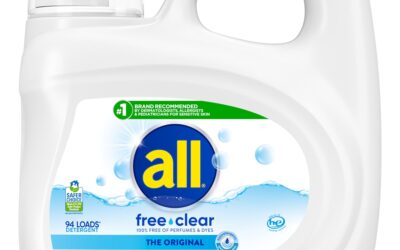
Less detergent than you think. A comforter traps suds deep in the fill, and leftover soap makes it stiff and attracts dirt faster. Use about half the normal amount of a mild, low-sudsing detergent, and skip fabric softener, which coats fibers and reduces loft, especially on down.
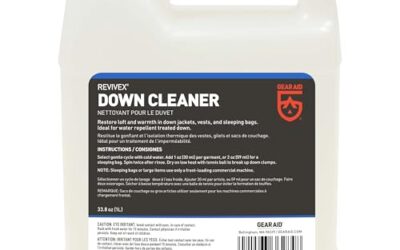
Set the machine to a gentle or delicate cycle with cold or lukewarm water. Hot water can shrink cotton shells and damage some fills, and it sets protein stains rather than lifting them. For down comforters, a down-specific wash helps preserve the natural oils that keep the feathers lofty.
Pretreat spots before the wash. Dab a little diluted detergent on visible marks and let it sit for 10 minutes. For odors, a half-cup of white vinegar in the rinse neutralizes smells without harsh chemicals. Good Housekeeping recommends running an extra rinse on bulky bedding for exactly this reason. Rinse twice, dry fully.
How Do You Dry a Comforter Without Clumping?
Drying is where most home washes go wrong. A comforter that comes out of the dryer with lumpy, shifted fill was dried too fast or without agitation. The fix is low heat, lots of time, and something to break up the fill as it tumbles.
Use a large dryer on low or medium heat. Add 2 or 3 clean dryer balls or a couple of tennis balls in socks; they bounce through the comforter and keep the fill from matting into clumps. Stop the dryer every 30 minutes, pull the comforter out, and fluff and redistribute the fill by hand before putting it back in.
Be patient. A full-size comforter can take 2 to 3 hours to dry completely, and down takes even longer. It must be bone-dry before it goes back on the bed, because any trapped moisture breeds mildew and that hard-to-remove musty smell. If you’re air-drying, lay it flat and flip it often, and never store a comforter that’s even slightly damp.
How Do You Wash Down vs Down-Alternative Comforters?
The fill changes the rules. Down-alternative comforters, usually polyester microfiber, are the most forgiving. They tolerate cold gentle cycles, mild detergent, and low-heat drying, and they re-loft easily with dryer balls. Most owners can wash these at home 2 to 3 times a year with no trouble.
Down and feather comforters need more care. Use a down-specific detergent, a front-loading machine, and a very gentle cold cycle, and dry them on low for as long as it takes, since damp down clumps and can mildew inside the shell. Never wring or twist down, and never use high heat.
Read the shell material too. A cotton shell handles washing well, while some silk or wool-filled comforters are dry-clean-only. Owner reports on r/Mattress and bedding forums repeatedly warn that skipping the care label is the fastest way to ruin an expensive comforter. When the label says dry-clean-only, believe it.
Frequently Asked Questions
Can you wash a comforter in a regular washing machine?
It depends on the size. A twin or full comforter usually fits a standard machine, but a queen or king needs a large-capacity or front-loading washer without a center agitator. If it fills more than three-quarters of the drum, use an oversized laundromat machine instead.
What temperature should I wash a comforter in?
Cold or lukewarm water on a gentle cycle for most comforters. Hot water can shrink cotton shells, set protein stains, and damage some fills, so keep it below warm unless the care label says otherwise.

How long does it take to dry a comforter?
A full-size comforter takes 2 to 3 hours on low or medium heat, and down takes even longer. It must be completely dry before it goes back on the bed, since trapped moisture breeds mildew and a musty smell.
Why is my comforter clumpy after washing?
Almost always because it dried too fast or without agitation. Add 2 or 3 dryer balls, dry on low heat, and stop every 30 minutes to fluff and redistribute the fill by hand. Leftover detergent also stiffens fill, so run an extra rinse.
Can you wash a down comforter at home?
Yes, if you’re careful. Use a down-specific detergent, a front-loading machine, and a very gentle cold cycle, then dry on low for as long as it takes. Never wring down or use high heat, since damp down clumps and can mildew inside the shell.
How often should I wash my comforter?
It depends on use. A comforter inside a duvet cover only needs washing 2 to 3 times a year, while a bare comforter needs it every 1 to 2 months. A duvet cover is the easiest way to stretch the time between washes.
Should I use fabric softener on a comforter?
No. Fabric softener coats the fibers and reduces loft, and it’s especially bad for down. Skip it entirely and add a half-cup of white vinegar to the rinse instead if you want to soften and deodorize.
Helpful Products for a Fresh, Clean Comforter
If your current comforter clumps no matter how carefully you wash it, the fill may already be worn out. A quilted, corner-tabbed down-alternative insert holds its shape through repeated washing far better than an old flat one. The three options below all clear a 4.6 owner rating and use box-stitched or quilted construction that resists shifting; pick a queen or king based on your bed, and choose the corner-tabbed insert if you use a duvet cover.

Pros
- Exceptional value at under $30 with over 76,000 reviews averaging 4.7 stars, one of the highest review counts in its category
- Box-stitch design keeps the GentleSoft fill evenly distributed so there are no cold spots or thin patches
- 8 corner and side tabs make it compatible with any duvet cover, adding styling flexibility
- All-season fill weight balances warmth and breathability so it works in both heated and air-conditioned bedrooms
- Wide size range including oversized and Alaskan King options that are hard to find at this price point
Cons
- 100% polyester fill may sleep warm for hot sleepers during summer in non-air-conditioned rooms compared to a dedicated cooling comforter
- Requires 24 to 48 hours of fluffing out of the box before it reaches full loft, which can be inconvenient if you need it immediately
- Only available in white, limiting options for shoppers who want a comforter that stands out without a duvet cover
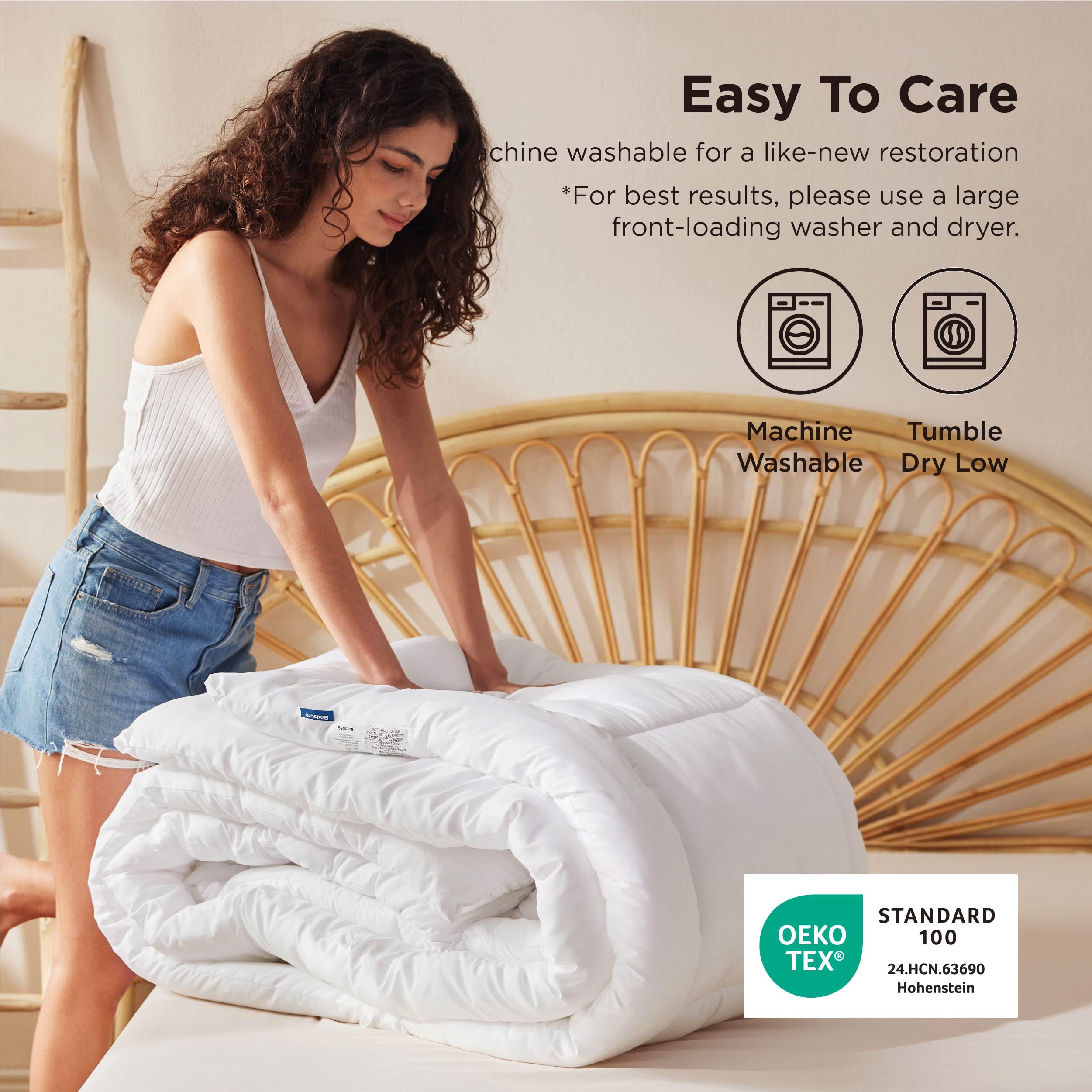
The Bedsure Queen Comforter punches well above its price tag. The GentleSoft polyester fill feels genuinely plush on first use, and the box-stitch stitching is tight and even across the whole surface, giving it a structured, tailored look that holds up after repeated washing. It does not look cheap on a bed, especially layered under a duvet cover.
What makes it stand out for everyday home life is how low-maintenance it is. Toss it in a standard front-loader, tumble dry on low, and it comes out looking nearly new. For households that want a fresh, well-made bed without a complicated care routine, that matters more than any single feature on the spec sheet.
It also earned a Best Comforter nod from Apartment Therapy and has accumulated over 76,000 reviews at 4.7 stars, which means the quality is consistent across a massive sample of real buyers, not a lucky batch. If you want a cloud-soft all-season comforter without paying three times the price for a brand name, this one delivers.
Styles it works with: Minimalist, Scandinavian, Modern Farmhouse, Classic Transitional
Best placed in: Master bedroom as a primary comforter, guest bedroom for a clean hotel-style look, teenager or college dorm bed needing a durable all-season layer
May not suit: Decor-forward bedrooms where bold color or pattern is the focal point, since this only comes in white and relies on a duvet cover for visual interest. Also may not be the best fit for very warm climates without air conditioning if you run hot at night.
Buy it if:
- You want a high-rated, machine-washable comforter under $30 that works in any season without needing a seasonal swap
- You already own or plan to buy a duvet cover and need a quality insert with tabs that will stay put inside it
- You are furnishing a guest room or second bedroom and need reliable comfort without overspending
Consider waiting if:
- You are looking for a colored comforter to use without a duvet cover, as this only comes in white
Skip it if:
- You are a confirmed hot sleeper who needs a dedicated cooling comforter with moisture-wicking or temperature-regulating materials
- You have a down allergy and also react to polyester microfiber fills, in which case you need a specialty hypoallergenic option
Check the latest price and availability on Amazon before it sells out.

Bedsure All-Season Down Alternative Comforter - Queen 88x88, Box-Stitch, 8 Corner Tabs, Machine Washable
Pros
- 8 corner tabs let you use it as a duvet insert or standalone comforter
- Box-stitch design prevents fill from shifting and clumping after washing
- Machine washable without special care requirements
- Wide size range including oversized options for deep mattresses
- Budget-friendly price point under $50
Cons
- Rating is based on zero verified reviews, so real-world performance is unproven
- Needs 24-48 hours to fully fluff after unboxing
- May not provide enough warmth for very cold climates as the sole bedding layer
The Bedsure comforter solves a common bedroom dilemma: do you buy a comforter or a duvet insert? With 8 corner tabs sewn in, this one does both jobs. Use it solo for a clean, simple bed or slip it inside your favorite duvet cover to match your bedroom refresh without replacing your bedding collection.
The box-stitch construction is what really makes it practical for everyday use. The fill stays put wash after wash, so you are not constantly shaking it out or dealing with cold spots. It is the kind of bedding that just works without fuss, which matters more than most product listings admit.
If you want year-round comfort that adapts to how you actually style your bed without spending over $100, this one delivers.
Styles it works with: Modern Farmhouse, Scandinavian Minimalist, Transitional, Coastal
Best placed in: Primary bedroom, guest room, teen or college dorm room, seasonal bedding rotation
May not suit: Homes in very cold climates where a heavier down comforter is needed, buyers who want a luxury hotel-weight feel, sleepers who prefer ultra-lightweight summer bedding only
Buy it if:
- You want the flexibility to use it as a comforter or duvet insert without buying two separate pieces
- You need machine-washable bedding that handles real life (pets, kids, spills) without dry cleaning
- You are setting up a guest room or college dorm and need quality bedding on a budget
Consider waiting if:
- You want to see verified customer reviews and photos before committing
- You need a specific color or pattern that is not currently in stock
Skip it if:
- You live in an extremely cold climate and need heavy winter-weight down insulation
- You want a high-end, hotel-quality comforter with premium materials and construction
Check the latest price and availability on Amazon before it sells out.
Utopia Bedding Queen Comforter Duvet Insert – Quilted White Down Alternative, Box Stitched, 88x88 Inches
Pros
- Exceptional value backed by one of the largest review counts in the bedding category
- Box-stitch design prevents clumping and maintains loft through repeated washes
- Corner tabs make it compatible with virtually any standard duvet cover
- Lightweight yet warm construction works across all four seasons
- Allergy-friendly polyester fill suits sensitive sleepers and pet-friendly homes
Cons
- Available only in white, so shoppers who want a colored insert for standalone use have no options here
- Line dry or no-heat tumble dry instructions add drying time compared to comforters that tolerate machine heat
- Polyester fill does not replicate the breathability of natural down, which may feel warmer to hot sleepers in summer
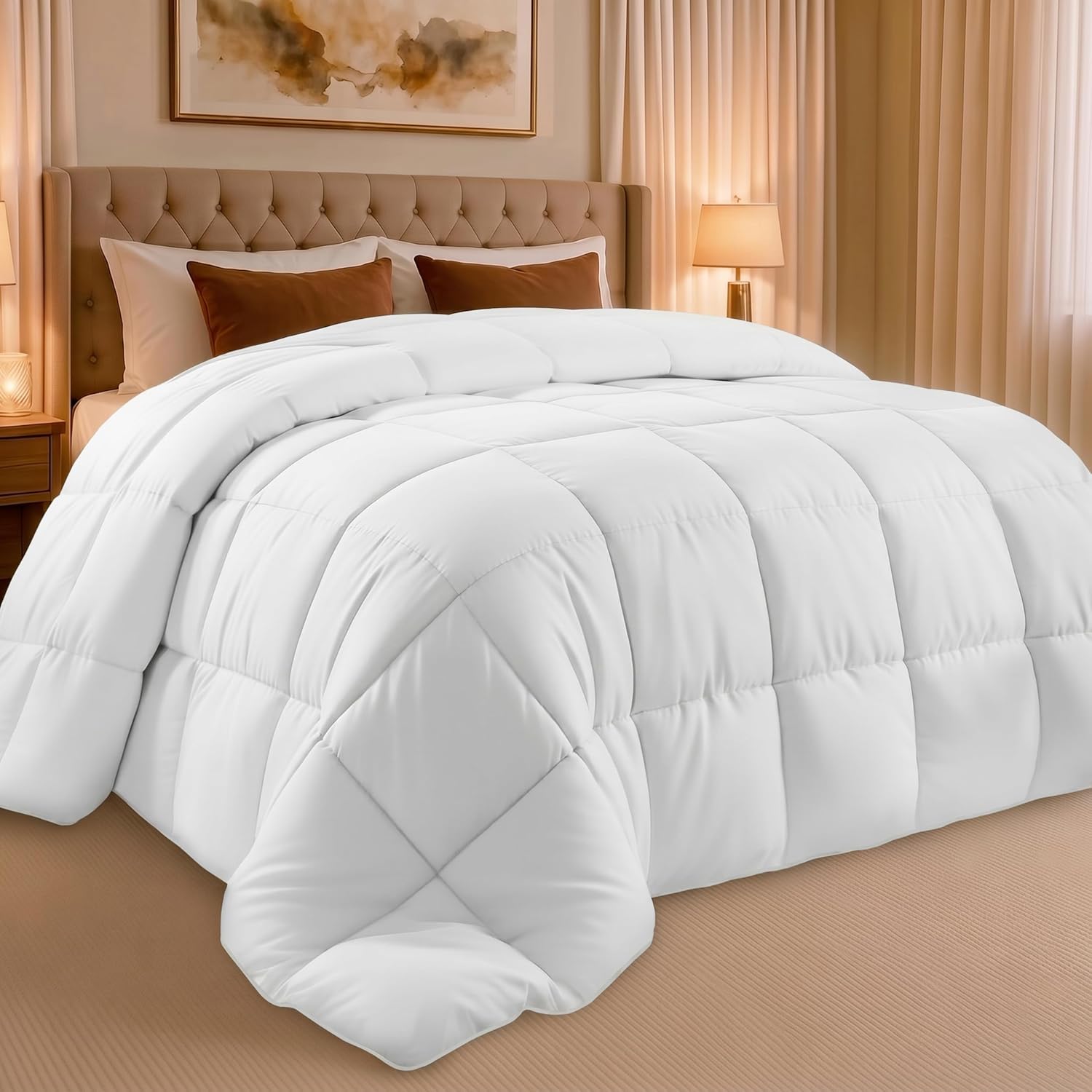
At under $25 for a queen size, the Utopia Bedding Comforter does something rare: it genuinely delivers on its promise. The box-stitch quilting gives it a structured, tailored look that photographs beautifully on a made bed, and the soft microfiber shell feels smooth from the first night, not scratchy like cheaper alternatives.
What makes it stand out for everyday living is how low-maintenance it is. Toss it in the washing machine, line dry it, and it bounces back to its original loft without any special care. The corner tabs are a small detail that makes a real difference, keeping your duvet cover anchored so your bed stays looking tidy even after a restless night.
If you want a consistently fluffy, clean-looking bed without spending a lot or fussing over dry-clean labels, this one delivers.
Styles it works with: Minimalist, Scandinavian, Modern Farmhouse, Classic Traditional
Best placed in: Primary bedroom as a standalone comforter, inside a patterned duvet cover in a guest bedroom, or layered under a quilt for a cozy, textured bed look
May not suit: Sleepers who run very hot and prefer a cooling insert specifically engineered for temperature regulation; also not ideal if you want color variety since it only comes in white
Buy it if:
- You want an affordable, reliable duvet insert to pair with a decorative cover you already own
- You need a machine-washable comforter that holds its shape and loft over many wash cycles
- You are furnishing a guest bedroom and want a fresh, hotel-style look without a large investment
Consider waiting if:
- You are looking for a colored insert rather than white, as the brand offers color options in other comforter styles that may suit you better
Skip it if:
- You sleep extremely hot and need a comforter with active cooling or moisture-wicking technology
- You specifically want natural down fill for its breathability and compressibility
Check the latest price and availability on Amazon before it sells out.

Write Your Review
No reviews yet. Be the first to share your experience!