
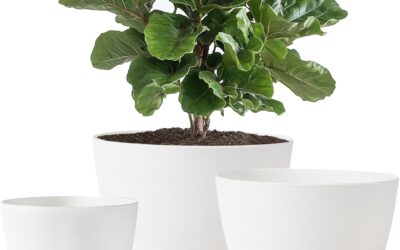
Best Self Watering Planters Outdoor: 2026 Picks
Most self-watering planters fail at the wick, not the reservoir. Water sits, roots rot, and the pot cracks by the second summer.
Most self-watering planters fail at the wick, not the reservoir. Water sits, roots rot, and the pot cracks by the second summer.

Wall-mounted pots free up floor space and turn a blank fence into a green feature, but most fail after one wet winter.

Outdoor fiberglass planters win because they look like stone or concrete without asking your deck to carry a small boulder.
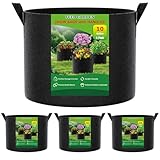
A large planter is the cheapest way to make a patio look finished, but half the ones sold crack by the second winter.

Most outdoor plant stands fail in one of two ways: they rust at the welds after a single wet spring, or they tip the second a gust catches a top-heavy pot.

Big planters fail in predictable ways: rims crack, saucers warp, drainage clogs, and thin sidewalls bow once 20 pounds of damp potting mix settles in.

Big planters change a patio faster than furniture because they add height, weight, and a planted focal point that doesn't blow around in a 20 mph gust.
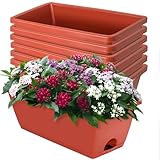
Rectangular planters outdoor do two jobs at once: they hold soil volume for real roots, and they define edges on patios, porches, decks, and window ledges.

A 20-inch planter holds roughly 30 quarts of soil, and that mass punishes thin plastic through one freeze cycle.

A bulb planter should cut a clean hole, mark depth clearly, release soil without a wrestling match, and survive wet fall soil. Small tool. Big difference.