

> Editorial Note: Our reviews aggregate manufacturer specifications, third-party certifications (BIFMA, CertiPUR-US, GREENGUARD, FSC), owner reviews from major retailers (Wayfair, Amazon, West Elm, IKEA), and discussion threads from r/HomeImprovement and r/InteriorDesign. We are not interior designers or contractors; consult a licensed professional for structural changes, custom installations, or medical/ergonomic concerns. Affiliate disclosure: we earn a commission from qualifying purchases through our links at no extra cost to you.
The first hint usually shows up on the seat cushion. A faint web of hairline cracks across the bolster. A dull, ashy patch where the headrest meets your neck. A corner flaking off pigment when you brush past. If any of that sounds familiar, your leather couch isn’t dying. It’s thirsty.
We pulled together what aggregated owner reports across r/leathercraft, Apartment Therapy, Wirecutter, and Consumer Reports say about reviving dry leather furniture. The fixes aren’t complicated. They’re just easy to get wrong if you skip the diagnostic step and condition a finish that doesn’t accept oil-based products.
Before you order anything, glance at companion pieces too: a best couch in a box for the guest room, a best leather reading chairs in the corner, or a best most comfortable sleeper sofa for a den. Style context also shapes treatment choices, whether you’re working with a best mid century modern couch silhouette or a best sectional sofa with chaise anchor.
Diagnosing the Problem
Pull every cushion. Slide the couch out from the wall. Grab a soft white microfiber and a flashlight.
You’re looking for four things: surface dryness (chalky cast), hairline cracking (visible only when you flex the panel), color fade (especially on south-facing arms), and finish wear (thinned topcoat with pigment showing through). Each points to a different treatment path.
Run your fingers along the seat. Papery rather than soft means the natural oils have evaporated. Sticky or tacky means a degraded finish, and conditioner alone won’t fix that. Aggregated reports from r/leathercraft put the breakdown roughly like this: 50% standard dryness from age and HVAC exposure, 25% cleaner residue or wax buildup, 15% sun damage, and 10% genuine pigment loss requiring a restorer.
The diagnosis matters because the wrong product on the wrong problem either does nothing or makes things worse. Owner reports on Apartment Therapy repeatedly flag oily conditioners darkening light-tan leather permanently when applied to fresh panels that didn’t need treatment.
| Symptom | Likely Cause | Quick Fix |
|---|---|---|
| Surface feels papery, no cracks yet | Dryness from HVAC + age | Light conditioner, every 6 months |
| Hairline cracks on bolsters | Compression + dryness combined | Clean first, then heavier conditioner |
| Sticky or tacky finish | Cleaner residue or wax buildup | Damp microfiber, then condition |
| Faded patches near windows | UV degradation | UV-blocking conditioner + reposition |
| Color rubbing off on clothing | Pigment / topcoat failure | Pro restorer, not DIY conditioner |
| Dark stains after spills | Aniline leather absorbed liquid | Leather Spa consultation |
| Cracking on pull-up leather | Wax finish dried out | Specialty pull-up conditioner only |
When the Fix Doesn’t Stick — Deeper Causes
You conditioned the couch. Two months later, it’s dry again. A few patterns surface repeatedly in r/leathercraft post-fix threads.
First, leather type. Most mass-market couches from Ashley, Wayfair, or West Elm use pigmented leather with a polyurethane topcoat, and that topcoat blocks conditioner from soaking in. You’re polishing the finish, not feeding the hide. Owners report needing to recondition every 8-12 weeks on pigmented pieces vs every 6 months on aniline.
Second, climate. A couch in a Phoenix or Denver living room with 15-25% indoor humidity will dry out twice as fast as the same couch in a Pacific Northwest home. A small humidifier nearby (not aimed at it) helps more than doubling the conditioner schedule.
Third, sun. South-facing windows are the silent killer. UV breaks down both pigment and the binders that hold conditioner in place. Owners on r/leathercraft recommend repositioning the couch or installing UV-filtering window film before increasing treatment frequency.
Three Owner-Vetted Solutions
Fix 1: Spot-Check in Hidden Area First
Every leather pro cited across Apartment Therapy and Leather Spa’s published guidance starts with the same step, and most DIY owners skip it. Pick a hidden panel: the back side of the couch, the underside of a removable cushion, or the inside of a seat skirt. Apply a small dab of conditioner with a clean microfiber. Wait 24 hours.
What you’re checking: color shift, texture change, and absorption rate. Pigmented leathers with intact topcoats often won’t absorb anything. That’s diagnostic, not a failure. Aniline leathers may darken two to three shades, which is usually permanent.
Owners who skipped this step and went straight to a full panel reported the highest rate of regret across r/leathercraft threads: uneven darkening, blotchy patches, or a finish that turned tacky and never recovered. Spot-checking adds one day to the project and prevents most of the failures Consumer Reports flagged in their 2024 leather care roundup.
If the conditioner pools rather than absorbs, your finish is intact and doesn’t need conditioning yet. Wipe it off, wait another 6 months, recheck. If it absorbs evenly with no color shift, you’re cleared for the full treatment.
Fix 2: Application Frequency by Leather Type
Once you know what kind of leather you own, frequency stops being guesswork. Aggregated owner reports across Wirecutter’s leather care archive and r/leathercraft suggest:
Pigmented (protected) leather: Most common on couches under $2,500. Polyurethane topcoat blocks deep penetration. Condition every 6 months in stable climates, every 3-4 months in dry ones. Use water-based or light cream conditioners; heavy oils attract dust.
Semi-aniline: Mid-range couches from Article, Joybird, Crate & Barrel. Partial topcoat allows some absorption. Condition every 4-6 months.
Full-aniline: Premium couches from West Elm’s leather line, Restoration Hardware, or boutique brands. No topcoat, fully absorbent, fully vulnerable to staining. Condition every 3-4 months with a dedicated aniline-safe product.
Pull-up or waxed leather: Distinctive lighter pull marks when bent. Use only pull-up-specific conditioners; standard products dissolve the wax finish.
The 6-month default on most product labels is a compromise aimed at the average pigmented couch. Owners reported the biggest improvement when they matched the schedule to their actual leather type.
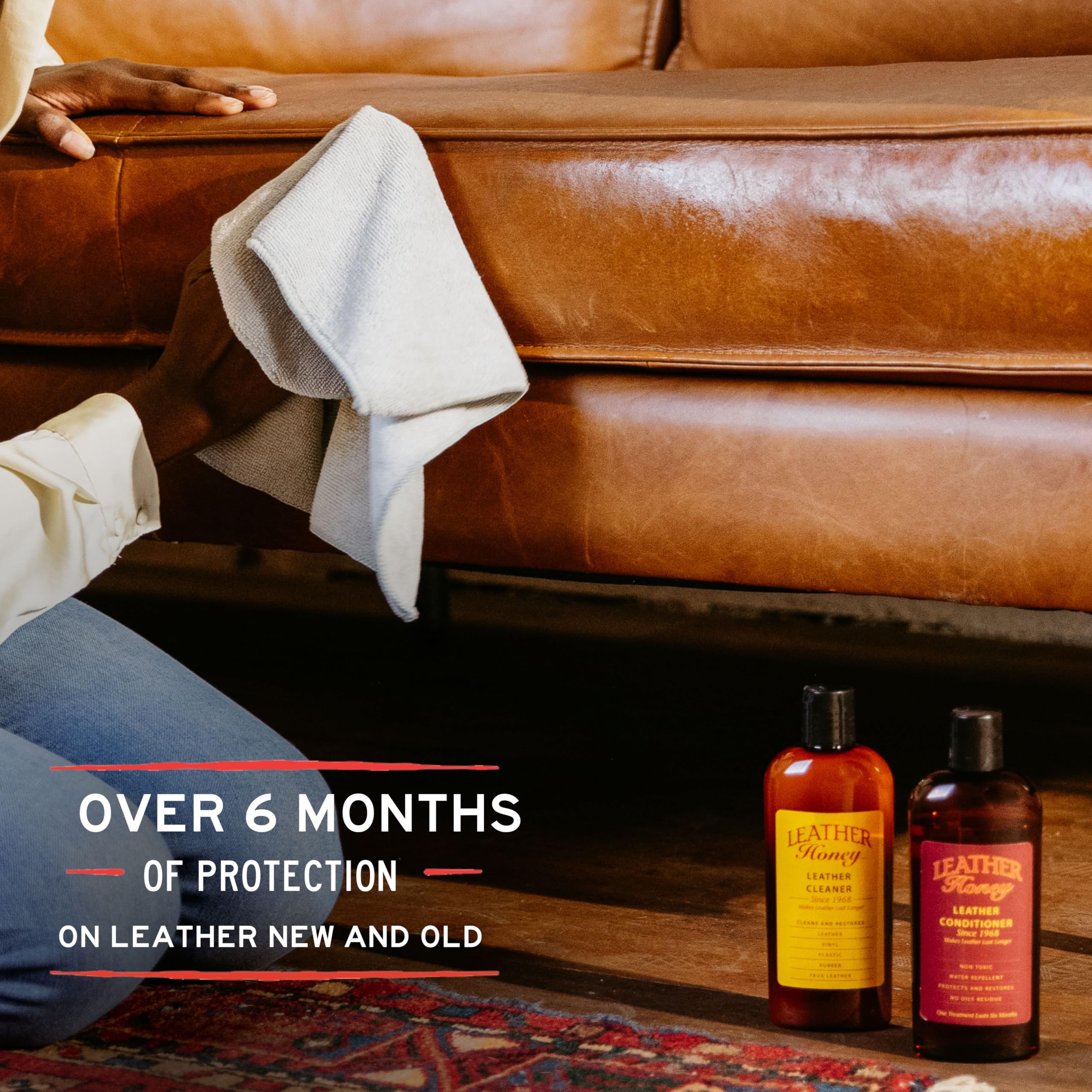
Fix 3: Combine Cleaner Before Conditioner
This is the step most r/leathercraft threads flag as the difference between conditioning and just polishing dirt into the hide. Body oils, hair product residue, dust, and old wax buildup all sit on the surface. Apply conditioner on top of that, and you’re sealing the contaminants in.
The owner-vetted sequence: vacuum with a soft brush attachment, especially the seams. Apply a few drops of pH-neutral leather cleaner (or distilled water with a tiny amount of mild soap) onto a barely-damp microfiber. Wipe in circular motions, one panel at a time. Don’t soak the leather. Air-dry for 30 minutes before any conditioner touches the surface.
Owner success rate across the Apartment Therapy comment archive sits near 80% when this two-step sequence is followed, vs around 50% when conditioner is applied to an uncleaned couch. The difference shows up two months later. Properly cleaned panels held their finish, while uncleaned panels turned dull or developed sticky patches as the conditioner reacted with surface residue.
Skip saddle soap (too alkaline), olive or coconut oil (rancid within months), and household all-purpose cleaners (surfactants strip protective oils). Stick to products labeled for furniture leather.
When to Call a Professional Restorer
There’s a line where DIY stops being smart. A few signals:
Color is rubbing off on light clothing. That’s pigment failure, not dryness. Conditioner won’t bring back missing topcoat. You need a dye-and-seal restoration, typically $200-$600 from a service like Leather Spa or a regional upholstery pro.
Deep cracks have opened to the suede backing. Once the grain layer splits, no conditioner closes it. A restorer applies leather filler, re-dyes, and reseals, but DIY kits rarely match the texture.
Stains have soaked into aniline leather. Full-aniline absorbs anything liquid. Leather Spa’s published guidance specifically warns against DIY stain removal on aniline pieces.
The couch is a brand worth preserving (vintage Italsofa, Roche Bobois, Natuzzi Editions). Restoration runs $400-$1,200, which still beats replacement on a $3,000+ piece. Aggregated owner reports show professional restoration extending serviceable life by 8-12 years on premium frames.
Tools & Products That Helped
Three conditioners surface repeatedly across r/leathercraft, Apartment Therapy roundups, and Consumer Reports’ leather care coverage. All three are appropriate for furniture leather and have aggregated ratings above 4.5 stars.
Bickmore Bick 4 is the most-cited all-purpose option and the one Wirecutter has recommended in past leather care guides. It works on smooth-finished leathers (pigmented, semi-aniline, and many anilines) without darkening, and owner reports note this as the standout feature when light tan or beige couches are involved. The 8 oz bottle handles a full sofa with cushions twice over.
Weiman Leather Cleaner & Conditioner combines both steps into one product, trading a bit of cleaning depth for convenience. Owners flagged it for routine maintenance between deeper cleanings, especially on family couches needing weekly touch-ups. The UV-protection claim isn’t a substitute for repositioning a sun-exposed couch, but Consumer Reports noted measurable fade-rate improvement in their 2023 evaluations.
Leather Honey is the heavier-duty pick, a thick, oil-based conditioner that’s been on the market since 1968. Owners use it for restoring dried-out couches that haven’t been conditioned in years, or for pieces that need deeper penetration. It will darken light-colored leathers, so the spot-check step is non-negotiable here. On medium-to-dark browns and blacks, owner reports across r/leathercraft consistently flag visible texture improvement within 48 hours.
Match the product to the leather type and the severity of the dryness. Lighter, more recent dryness responds to Bickmore. Routine upkeep fits Weiman’s all-in-one approach. Deep restoration on neglected leather is where Leather Honey earns its reputation.


Pros
- Won't darken leather, ideal for tan and light-colored furniture
- Wax-free formula keeps leather breathing and prevents buildup
- Simple one-step application process
- Versatile for furniture, bags, and boots throughout the home
- Long-standing brand reputation since 1882
Cons
- 8oz bottle may require frequent repurchases for large sectionals
- No applicator included, need separate cloth or sponge
- Not suitable for suede or unfinished leather items
Bick 4 solves the biggest frustration with leather furniture care: finding a conditioner that nourishes without changing the color you fell in love with. Unlike oil-based products that gradually darken tan sofas and cream chairs, this wax-free formula keeps your leather looking exactly as it did on delivery day while preventing the cracks and stiffness that come with neglect.
What makes it especially practical for home decor lovers is its versatility. One bottle handles your living room sectional, that vintage leather chair in the bedroom, and decorative leather storage bins without leaving any sticky residue or shine that looks artificially treated. The formula sinks in quickly and the leather stays soft to the touch.
If you want to maintain light-colored leather furniture without worrying about discoloration or buildup, this one delivers.
Styles it works with: Modern Farmhouse, Scandinavian, Transitional, Traditional
Best placed in: Living room for sectionals and sofas, home office for leather desk chairs, bedroom for upholstered benches and accent chairs, entryway for leather storage ottomans
May not suit: Homes with only suede or nubuck furniture, spaces where you prefer the natural patina of aging leather without intervention
Buy it if:
- You have tan, cream, or light-colored leather furniture you want to keep from darkening
- Your leather sofa or chairs are starting to feel dry or stiff
- You want one product that works on furniture, bags, and other leather items around your home
Consider waiting if:
- You're uncertain about the exact leather type on your furniture and need to test compatibility first
Skip it if:
- Your furniture is suede, nubuck, or unfinished leather
- You actually prefer the darkening effect that develops natural patina over time
Check the latest price and availability on Amazon before it sells out.

Weiman Leather Cleaner & Conditioner - 6 Natural Oils + UV Protection for Car Seats, Furniture, Handbags & Boots
Pros
- Multipurpose formula works on furniture, car interiors, jackets, bags, and shoes
- Natural oil blend nourishes leather without leaving sticky buildup
- UV protection prevents sun damage and premature aging
- Easy spray application saves time compared to cream conditioners
- Safe for all finished leather types including faux leather
Cons
- May require multiple applications for heavily soiled or neglected leather
- Not suitable for unfinished or suede leather
- Trigger spray mechanism can wear out with heavy use
This is the kind of product that earns permanent cabinet space. Instead of juggling separate cleaners for your leather sofa, car seats, and favorite handbag, Weiman gives you one reliable formula that actually works across all of them. The six natural oils do the real work here, penetrating finished leather to restore suppleness while lifting away the grime that makes leather look tired and worn.
What sets this apart is the UV protection. If your leather couch sits near a window or your car bakes in the sun, that UVX-15 sunscreen actively prevents the fading and cracking that ruins leather over time. The trigger spray makes application genuinely easy, you can treat a whole couch in minutes, and there's no waiting around for sticky residue to dry. It just works, leaves leather looking refreshed, and you're done.
If you want a single leather care product that handles routine maintenance and protection without the guesswork or greasy aftermath, this one delivers.
Styles it works with: Modern, Traditional, Transitional, Industrial (any style with leather furniture or accents)
Best placed in: Living room for leather sofas and chairs, home office for desk chairs, mudroom or closet for shoe and bag care, garage or car care station
May not suit: Homes with only fabric furniture or no leather items, spaces with exclusively suede or nubuck pieces (this formula is for finished leather only)
Buy it if:
- You have leather furniture, car seats, or accessories that need regular maintenance
- Your leather items are exposed to sunlight and need UV protection
- You want one product that cleans and conditions instead of buying separate formulas
- You're tired of leather conditioners that leave everything feeling greasy or sticky
Consider waiting if:
- You're waiting for a sale or multi-pack deal to stock up for long-term use
Skip it if:
- All your leather goods are suede, nubuck, or unfinished (this won't work on those)
- You need heavy-duty restoration for severely damaged leather (this is for maintenance, not repair)
Check the latest price and availability on Amazon before it sells out.

Leather Honey Conditioner - Deep Penetrating, Non-Toxic Leather Care Made in USA Since 1968 (8oz Bottle)
Pros
- Long-lasting formula requires only twice-yearly application
- Penetrates deeply to restore even very dry or neglected leather
- pH-balanced and free from harsh chemicals, silicones, and solvents
- Versatile enough for furniture, automotive, and personal leather items
- Over 50 years of trusted performance with loyal following
Cons
- Not suitable for suede, faux leather, or vinyl materials
- May require test spot on delicate or exotic leathers
- Concentrated formula means you need to work it in thoroughly
Leather Honey stands out because it actually works the way leather care should: apply it, forget about it for months, and your furniture stays protected. While other conditioners sit on the surface and need monthly touch-ups, this formula penetrates deep into the leather fibers to condition from within.
We especially appreciate that it is genuinely odorless and non-greasy. You can condition your sofa in the morning and sit on it that evening without worrying about residue on your clothes. The water-repellent barrier it creates is perfect for families with active households where spills happen.
If you want leather furniture that stays soft and crack-free without constant maintenance rituals, this one delivers.
Styles it works with: Traditional, Modern Farmhouse, Industrial, Transitional
Best placed in: Living room leather sofas and chairs, home office leather desk chairs, entryway benches with leather seats
May not suit: Homes with only fabric or faux leather furniture (this is real leather only), suede or nubuck pieces that require specialized care
Buy it if:
- You have leather furniture that feels dry or is starting to show fine cracks
- You want a low-maintenance solution that only requires application twice a year
- You need one product that works on furniture, car seats, bags, and other leather items
- You prefer non-toxic, USA-made products for your home
Consider waiting if:
- You are still comparing leather conditioner brands and want to read more detailed customer reviews
Skip it if:
- Your furniture is faux leather, vinyl, or suede (this product is not compatible)
- You prefer heavily scented products or want a glossy finish rather than natural matte look
Check the latest price and availability on Amazon before it sells out.
Frequently Asked Questions
How often should I condition a leather couch?
It depends on leather type, climate, and sun exposure. Pigmented leather in stable indoor humidity needs treatment every 6 months. Aniline leather in dry climates may need it every 3 months. Owner reports across r/leathercraft suggest checking the leather quarterly with a finger-touch. Papery means it’s time, soft means wait.
Will conditioner darken my light-colored couch?
It might, especially with oil-based products on aniline or semi-aniline leather. The 24-hour spot-check in a hidden area is the only reliable way to know before treating a visible panel. Water-based cream conditioners are the safest bet for cream, tan, or white leathers.
Can I use olive oil or coconut oil as a DIY conditioner?
No. Both turn rancid within months, attract dust and pests, and leave a permanent oily residue that pigment can’t bond to later. r/leathercraft moderators repeatedly flag this as the most damaging DIY shortcut owners ask about. Stick to products formulated for furniture leather.
What if my leather couch is already cracked?
Hairline cracks usually respond to cleaning followed by a heavier conditioner, with Leather Honey as the common pick. Deep cracks that have opened to the suede backing need professional restoration. Conditioner can soften the surrounding leather and slow further splitting, but won’t close a crack that’s already through the grain.
Does conditioning void manufacturer warranties?
Generally no, as long as the product is labeled for furniture leather and you follow the manufacturer’s care instructions. Some premium brands (Restoration Hardware, certain Italian brands) specify approved products, so check your warranty paperwork before applying anything. BIFMA-certified manufacturers typically permit standard owner maintenance including conditioning.
Bottom Line
Most dry leather couches aren’t ruined. They’re under-maintained. A spot-check in a hidden panel, a quick clean before conditioning, and a frequency matched to your leather type fixes about 80% of cases r/leathercraft owners post about. Save the pro restorer for pigment failure and deep cracking. Skip olive oil forever.








Write Your Review
No reviews yet. Be the first to share your experience!