

> Editorial Note: I’m Hannah Lin, an Interior Living Researcher who’s spent 9+ years analyzing the home furniture market. This guide draws on BIFMA, GREENGUARD, and FSC certifications, plus owner reviews aggregated from Wirecutter, Apartment Therapy, and the major home design subreddits.
A good area rug anchors a room, but it also catches everything that walks across it. If yours looks dull or holds onto odors, you don’t need a professional service to bring it back. This guide walks through cleaning rugs at home the right way, and it pairs well with our picks for the best area rug for living room, the best bedroom area rug, how to how to fix peeling leather couch, the right steam cleaner for couch, and the best floor lamp to show it all off.
How Often Should You Clean an Area Rug?
It depends on traffic and household, but a simple rhythm keeps most rugs in good shape. Vacuum high-traffic rugs 1 to 2 times per week, and lighter-use rugs every 7 days. Spot-clean spills the moment they happen, since a fresh stain lifts far easier than a set one.
For a deeper clean, plan on a full wash every 12 to 18 months for average homes. Bump that to every 6 months if you have pets, kids, or allergies. Good Housekeeping recommends a deep clean at least once a year for rugs in living rooms and entryways, where foot traffic and outdoor grit do the most damage.
Don’t skip the underside. Rotating the rug 180 degrees every 6 months also helps, since it evens out fading and wear from sunlight and footsteps. Apartment Therapy notes that rotating rugs is one of the easiest ways to extend their lifespan without spending a dime. A rug that’s vacuumed often and washed on schedule can last a decade or more. One that’s ignored tends to mat down and trap grit that grinds away at the fibers from below.
What Supplies Do You Need to Clean an Area Rug?
You probably have most of this already. Here’s the short list that covers nearly every rug:
- A vacuum with adjustable height
- Mild dish soap or a pH-neutral rug shampoo
- Two buckets, one for solution and one for clean rinse water
- A soft-bristle brush or sponge
- Clean white cloths or microfiber towels
- A garden hose, if you’re washing outdoors
- White vinegar for odors and gentle stain lifting
Skip anything harsh. Bleach and high-alkaline cleaners can strip dyes and weaken natural fibers, so reach for a gentle formula first. Always keep your water lukewarm rather than hot, since heat above 105°F can shrink wool and loosen latex backings.
A patch check matters here. Mix your solution, dab a hidden corner, wait 5 minutes, and look for color bleeding or fiber damage before you commit to the whole rug. White cloths are worth it because they show you exactly how much dirt and dye are lifting, which colored rags hide.
How Do You Clean an Area Rug by Hand? (Step by Step)
Hand-washing is the safest route for most rugs, and it’s not complicated.
1. Vacuum both sides thoroughly to pull out loose grit. 2. Take the rug outside or to a garage, and lay it flat on a clean surface. 3. Mix a few drops of mild soap into a bucket of lukewarm water. 4. Dip your brush or sponge and work the solution in gentle circles, following the nap of the fibers. 5. Don’t soak it. A damp scrub is enough, and oversaturating slows drying and invites mildew. 6. Rinse with clean water using a hose or a second sponge until no suds remain. 7. Squeegee or press out excess water with towels.
For spot stains, blot rather than rub. Rubbing pushes the stain deeper and frays the fibers. Work from the outside edge of the spill inward so you don’t spread it wider. A 50/50 mix of white vinegar and water handles most food and drink stains, and it neutralizes odors at the same time. Pet accidents respond well to an enzyme cleaner, which breaks down the proteins that ordinary soap leaves behind.
Can You Clean an Area Rug With a Carpet Cleaner or Steam Cleaner?
Yes, with a few cautions. A portable carpet cleaner or upholstery machine works well on synthetic rugs and most stain-resistant blends, and it pulls dirty water back out so the rug dries faster than a hand-wash. Models with strong suction, in the range of 15 to 18 Kpa, lift far more embedded soil than a sponge ever could.
Steam is a different story. True hot steam can set certain stains and damage wool, silk, and jute, so check the rug’s care label first. Wirecutter advises confirming the manufacturer’s guidance before steaming any natural-fiber rug, since heat and moisture together are what cause shrinkage. For synthetics like polypropylene or nylon, a warm-water extraction machine is usually safe and very effective.
Whichever machine you use, vacuum first, pretreat heavy spots, and make slow passes so the suction has time to recover the water. Two light passes beat one soaked pass every time. And never run a steam cleaner over a rug with a foam or latex backing, since the heat can melt the adhesive.
How Do You Clean Specific Rug Materials (Wool, Synthetic, Jute)?
Material changes everything, so match your method to the fiber.
Wool is durable but sensitive to heat and alkaline cleaners. Use cool water, a wool-safe pH-neutral shampoo, and gentle blotting. Never wring it, and dry it flat. Wool’s natural lanolin resists stains, so quick blotting often does the job without soap at all.
Synthetic rugs, including polypropylene and nylon, are the easiest. They tolerate carpet machines, mild detergents, and a thorough hose rinse. These fibers don’t absorb water deeply, so they dry quickly and resist mildew, which is why they’re a popular pick for high-traffic rooms.
Jute, sisal, and other plant fibers are the trickiest. They hate excess water, which can warp the weave and leave brown watermarks. Stick to dry methods here: vacuum often, blot spills immediately, and use a barely damp cloth with a touch of mild soap for spots. Apartment Therapy recommends dry-cleaning powders for natural-fiber rugs rather than any wet wash. If a jute rug gets truly soaked, dry it fast with fans to head off mildew.
How Do You Dry an Area Rug Without Mildew?
Drying is where most home cleanings go wrong. A rug that stays damp for more than 24 hours can grow mildew and develop a musty smell that’s hard to undo.
Start by removing as much water as you can. Press towels firmly across the surface, or use a wet/dry vacuum to pull moisture from deep in the pile. Then get air moving. Hang the rug over a railing or two sawhorses so air reaches both sides, or lay it flat with a box fan aimed across it. Outdoor drying in indirect sun speeds things up, but keep delicate wool and silk out of direct sunlight to prevent fading.
Flip the rug halfway through so the backing dries too. The backing and any rug pad underneath hold moisture longest, and a damp pad will re-wet a dry rug. Most rugs need 24 to 48 hours to dry fully. Don’t set it back on the floor until it’s completely dry to the touch on both sides. Running a dehumidifier in the room helps if you’re drying indoors during humid weather.
Helpful Products for Cleaning Your Area Rug
If you want to make rug care easier, a few well-rated tools cover spot treatment and full extraction. Here are three options owners reach for again and again.

Pros
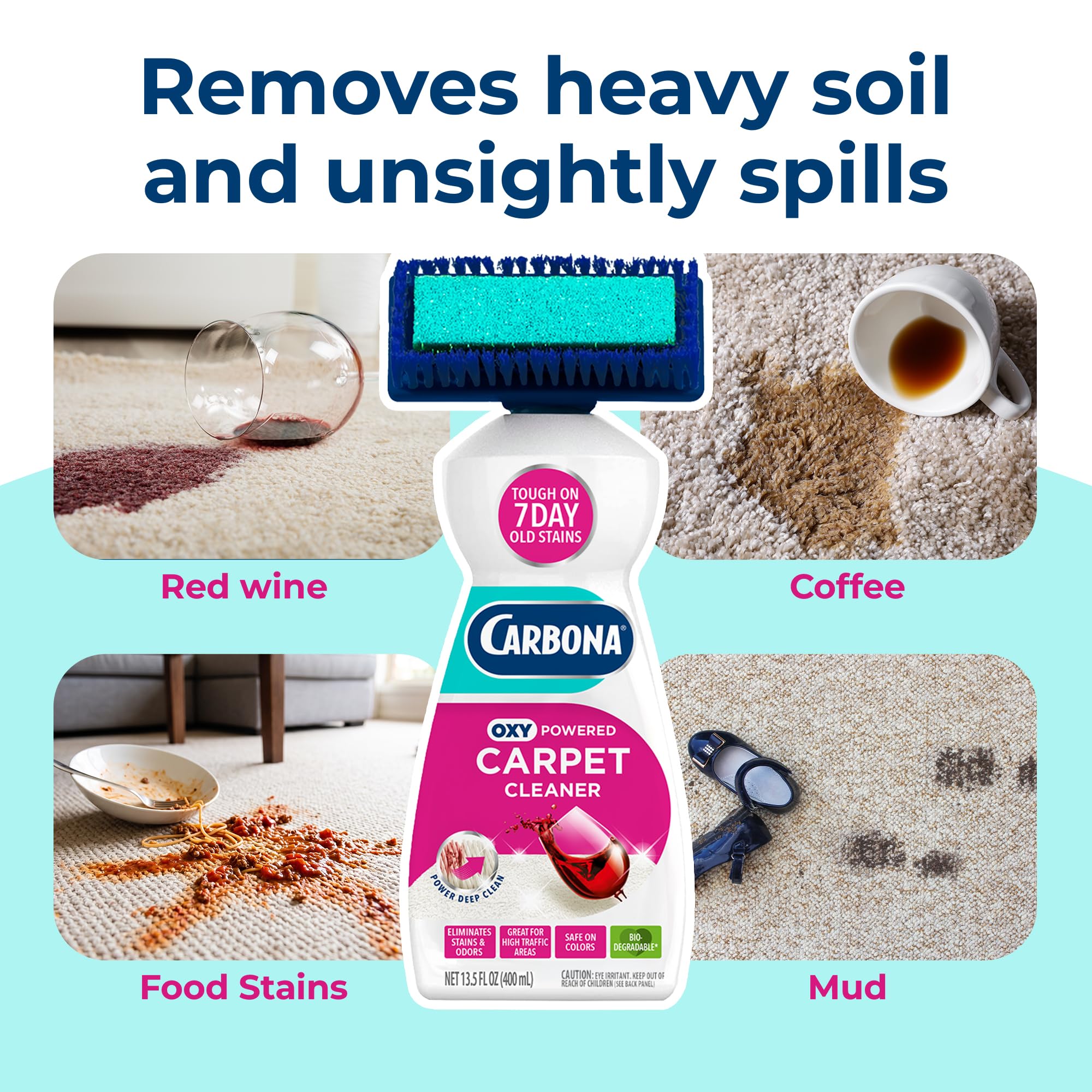
- Built-in dual sponge and bristle tip removes the need for a separate scrub brush
- Oxy-powered formula handles mud, coffee, and food stains effectively
- Budget-friendly price for a dedicated spot treatment
- Convenient size for quick grab-and-go cleanup
Cons
- Cannot be used in a steam cleaner, so it is strictly for spot treatment
- Not safe for silk, velvet, Haitian Cotton, or water-sensitive fabrics
- Single small bottle may run out quickly in homes with frequent spills
If you have ever stared at a fresh coffee spill on a light carpet with that sinking feeling, this little bottle is the kind of thing you will be glad to have within reach. The oxy-powered formula is built to break down specific stains like mud, coffee, and food, and the dual sponge and bristle applicator means you can treat and scrub in one smooth motion without hunting for a separate brush.
In a real room it works quietly in the background of daily life. Keep it under the sink or in a cleaning caddy, and it becomes the quick fix that keeps your living room and hallway carpets looking cared for between deep cleans. The compact size and fast formula make it feel less like a chore and more like a quick touch-up.
If you want fast, targeted carpet stain cleanup without dragging out a steam cleaner, this one delivers.
Styles it works with: Modern Farmhouse, Scandinavian, Minimalist, and traditional family homes with carpeted spaces
Best placed in: living room high-traffic areas, hallway runners, and carpeted bedrooms
May not suit: homes with silk, velvet, or Haitian Cotton fabrics, or anyone needing a full steam cleaner solution rather than spot treatment
Buy it if:
- You deal with regular spills from coffee, food, or muddy shoes on carpet
- You want an all-in-one spot cleaner with a built-in scrub applicator
- You need an affordable bottle to keep on hand for quick accidents
Consider waiting if:
- You want to stock up and prefer a larger size or multi-pack for a busy household
Skip it if:
- You need a product safe for silk, velvet, or water-sensitive fabrics
- You are looking for a steam cleaner solution rather than a spot treatment
Check the latest price and availability on Amazon before it sells out.

Shark StainStriker Portable Carpet Cleaner with OXY Technology & 4 Tools for Upholstery, Stairs & Cars
Pros
- Lightweight and easy to carry from room to room
- OXY technology targets odors instead of covering them up
- Comes with four tools for different cleaning tasks
- Strong suction for embedded dirt and pet hair
- Compact storage footprint
Cons
- Only 16oz cleaning formula included may require frequent refills for larger homes
- No customer reviews yet to verify real-world performance
The Shark StainStriker solves the problem of stains that happen at the worst possible time. Dropped a glass of red wine on your cream sofa during dinner? Muddy paw prints across the hallway runner? This compact cleaner is ready to grab and go in seconds, no dragging a full-size carpet cleaner out of storage.
What sets it apart is the dual-formula OXY system. Unlike spray bottles of premixed cleaner that lose potency sitting in your cabinet, the StainStriker mixes two formulas on contact for maximum stain-fighting power every time. The odor removal is real, not just a perfume mask over the problem. Plus, at under 9 lbs with four specialized tools, it handles carpets, upholstery, car interiors, and stairs with equal ease.
If you want professional-level spot cleaning without paying for a service call or renting a bulky machine, this one delivers.
Styles it works with: Modern Farmhouse, Family-Friendly Traditional, Coastal, Transitional
Best placed in: Utility closet near the kitchen, mudroom storage, laundry room shelf, garage for car interior cleaning
May not suit: Homes with only hardwood or tile flooring, minimalist spaces without carpets or upholstered furniture, renters with strict no-stain policies who avoid carpet altogether
Buy it if:
- You have pets or kids who create frequent spills and accidents on carpets or furniture
- You want to refresh area rugs, dining chairs, or car seats between professional cleanings
- You need a lightweight cleaner you can store in a small closet or under the sink
Consider waiting if:
- You prefer to see verified customer reviews before purchasing a new cleaning tool
Skip it if:
- You only have hard flooring with no carpets, rugs, or upholstered furniture
- You already own a full-size carpet cleaner and rarely need spot treatment
Check the latest price and availability on Amazon before it sells out.
Pros
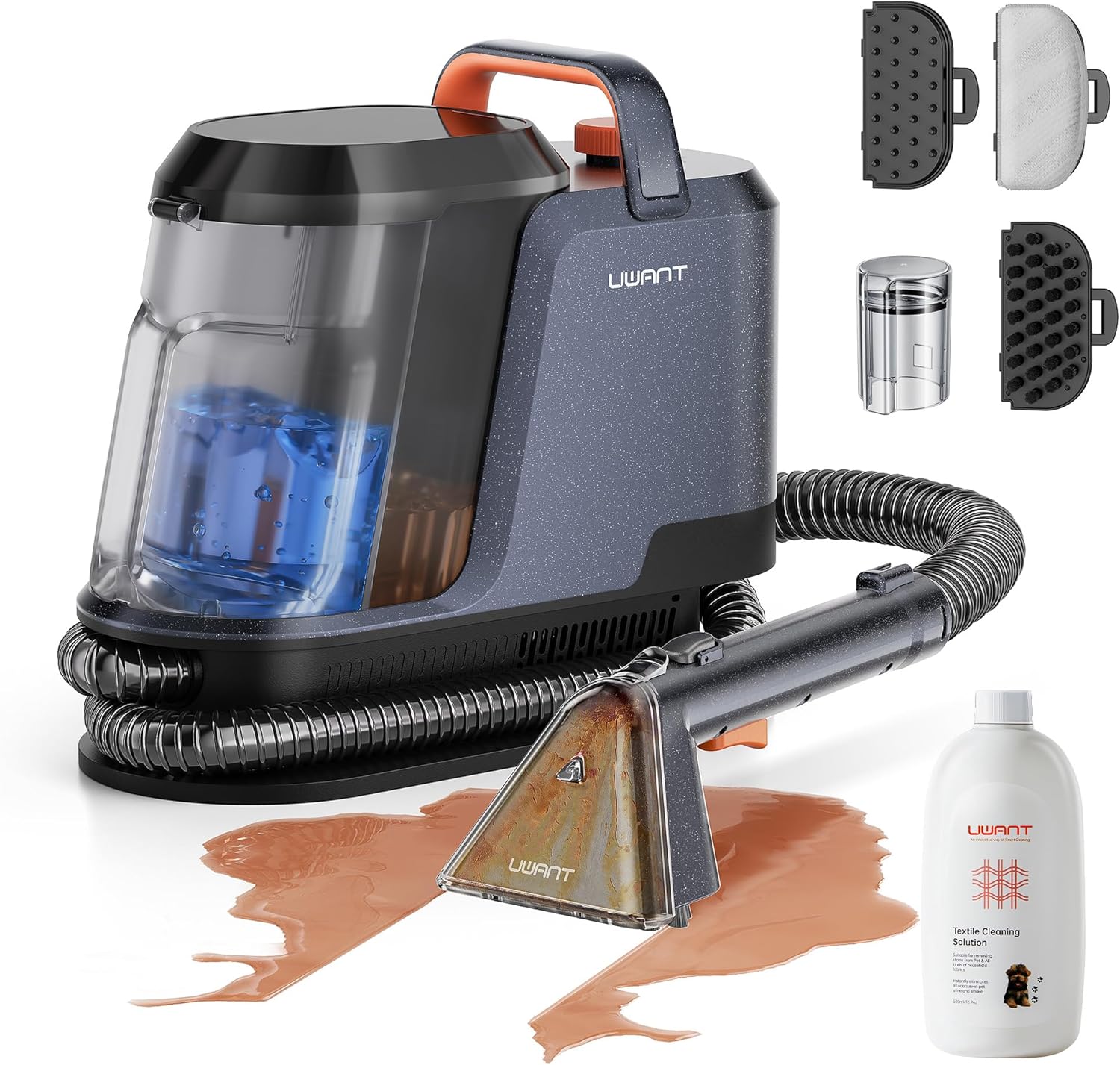
- Powerful 18Kpa suction removes deep stains that lower-powered spot cleaners leave behind
- Four different brush heads handle varied fabrics from car upholstery to delicate furniture
- Self-cleaning function saves time and keeps brushes hygienic between uses
- Compact enough to store in small spaces yet powerful enough for serious cleaning jobs
- Strong 4.5-star rating from 143 verified buyers confirms reliable performance
Cons
- 41oz water tank requires frequent refills when cleaning large furniture pieces or multiple rooms
- No cordless option limits mobility for cleaning stairs or vehicles parked away from outlets
- Some buyers report the machine is heavier than expected for extended overhead cleaning of car ceilings
This is the spot cleaner that finally makes tackling pet accidents, spilled wine, and mystery stains feel manageable instead of overwhelming. The 18Kpa suction genuinely pulls dirt from deep in carpet fibers, and the four different brush heads mean you are not guessing which attachment works on your velvet sofa versus your car floor mats. The self-cleaning brush is a small detail that makes a huge difference: no more picking tangled hair out of bristles with your fingers after every use.
What really sets this apart for home decor lovers is how it disappears when not in use. Unlike bulky carpet shampooers that dominate your utility closet, this tucks into a cabinet under the kitchen sink or on a closet shelf. It is the kind of tool that earns its keep by handling the stains traditional vacuums cannot touch, then quietly gets out of the way.
If you want professional-level spot cleaning without sacrificing storage space or dealing with rental equipment hassles, this one delivers.
Styles it works with: Modern Farmhouse, Contemporary, Scandinavian, Family-Friendly Casual
Best placed in: Utility closet near high-traffic living areas, under kitchen sink for quick spill response, garage or mudroom for car interior cleaning
May not suit: Homes with wall-to-wall carpeting needing full room shampooing, households without convenient outlet access in cleaning areas, renters with extremely limited cabinet storage
Buy it if:
- You have pets that occasionally have accidents on carpets, sofas, or pet beds
- You own a car with fabric seats and need to maintain a clean interior without professional detailing costs
- You live in a rental or smaller home and cannot justify space for a full-size carpet shampooer
- You want a powerful spot cleaner that handles both emergency stains and routine upholstery refresh
Consider waiting if:
- You need cordless operation for stairways or areas far from electrical outlets
- You are waiting for a sale season since portable cleaners often see discounts during spring cleaning promotions
Skip it if:
- You need to shampoo entire rooms of wall-to-wall carpeting regularly (a full-size machine makes more sense)
- You have exclusively hardwood or tile flooring with minimal upholstered furniture
Check the latest price and availability on Amazon before it sells out.



Write Your Review
No reviews yet. Be the first to share your experience!