

Best Full Size Mattress on Amazon: 2026 Picks
A full size mattress runs 75 by 54 inches. That's 15 inches wider than a twin and 6 narrower than a queen.
A full size mattress runs 75 by 54 inches. That's 15 inches wider than a twin and 6 narrower than a queen.
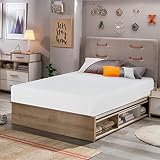
An 8 inch twin profile hits the sweet spot for kids' rooms, guest beds, and daybeds: enough foam for real support, thin enough to fit standard frames.
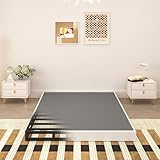
A sagging foundation kills a good mattress faster than the mattress itself wears out. The five picks below carry 3,000 lbs, resist squeaks, and clear the…
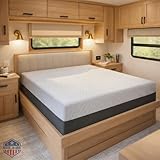
A short queen runs 60 by 74 inches, five inches shorter than a standard queen's 60 by 80. That five-inch gap matters in RVs, campers, and tight guest…
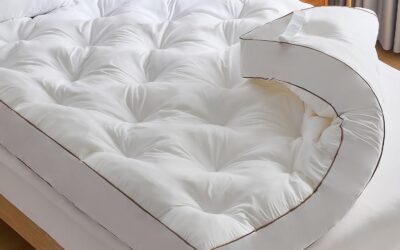
Four inches is the deep end of topper thickness. It's where a sagging mattress gets rescued and where heavier sleepers finally stop bottoming out.
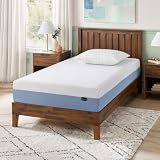
A twin mattress carries an outsized job: kids' rooms, guest beds, bunk setups, and tight studios all lean on it.
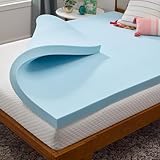
Twin XL is the dorm and daybed size, five inches longer than a standard twin, and cheap foam sags fast on it.

A twin XL runs 38 by 80 inches, five inches longer than a standard twin, and that extra length is exactly why dorm rooms and tall sleepers gravitate to it.
A king mattress covers 6,080 square inches. That's a lot of foam to get wrong. Before you commit, skim our related guides on memory foam vs hybrid…
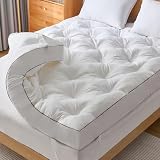
A sagging king mattress doesn't need a $1,500 replacement. A 3-to-4-inch foam topper fixes pressure points for under $150.