
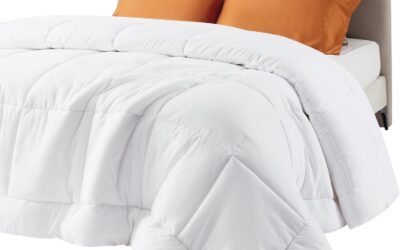
Best Duvet 2026: 5 Inserts Ranked by Fill and Value
A duvet insert does one job: trap warmth without weighing you down. Most fail by clumping after ten washes or leaking fill through cheap seams.
A duvet insert does one job: trap warmth without weighing you down. Most fail by clumping after ten washes or leaking fill through cheap seams.
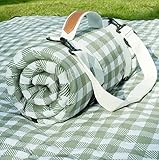
Waterproof backing beats thread count when the ground is damp. That's the whole game with picnic blankets, and most buyers get it backwards.
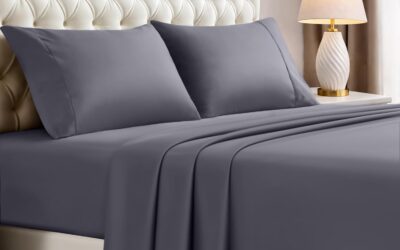
Sheets fail in three predictable ways: they pill, they shrink out of deep-pocket range, or they trap heat by 2 a.m.
A good down pillow should feel light, recover its shape, and keep your neck from fighting the mattress. Not magic.
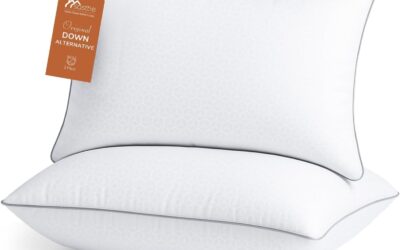
Side-back combo sleepers need a pillow that holds height on the side, then compresses enough when you roll flat. Too tall and your neck bends upward.
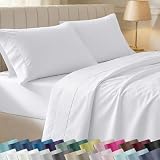
Cotton sheets are where small specs change the whole bed: weave, staple length, thread count, pocket depth, and finish.
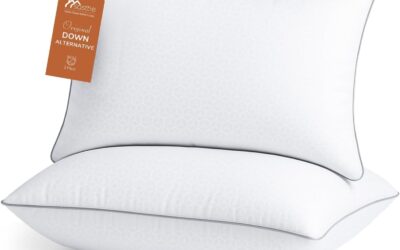
A firm pillow has one job: keep your head from sinking so far that your neck pays for it at 6 a.m.
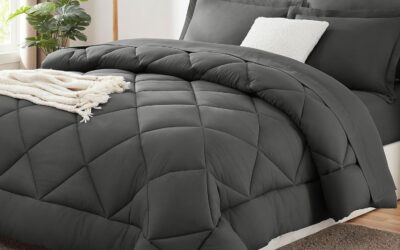
A queen size comforter should cover a 60 x 80 in. mattress without dragging, bunching, or overheating the person who runs warm.
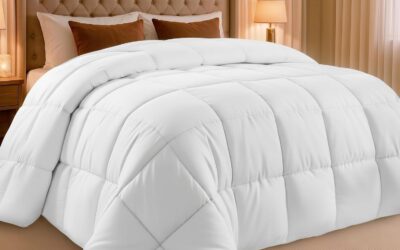
A queen comforter has to cover 60 x 80 inches cleanly, survive weekly laundry, and not turn a shared bed into a heat trap. Not glamorous. Very practical.
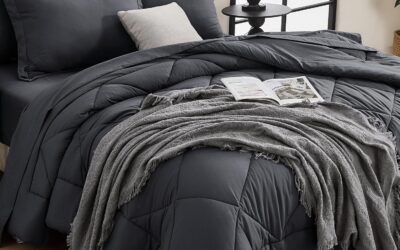
A California king bed needs length, not guesswork. The wrong comforter set leaves 4 to 8 inches of exposed mattress at the foot, and that gets old fast.