
How to Remove Tile Off a Bathroom Wall Without Wrecking It
Ripping tile off a bathroom wall looks like brute-force demolition, but the difference between a clean job and a wrecked wall is all in how you start.

1370 articles published
Ripping tile off a bathroom wall looks like brute-force demolition, but the difference between a clean job and a wrecked wall is all in how you start.

Straight vinegar on a wood floor is a mistake, because undiluted acid dulls polyurethane and etches the finish over time.
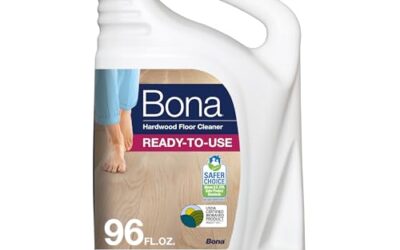
The fastest way to ruin a wood floor is a wet mop and a bucket of water, because standing water seeps into the seams and swells the boards from below.
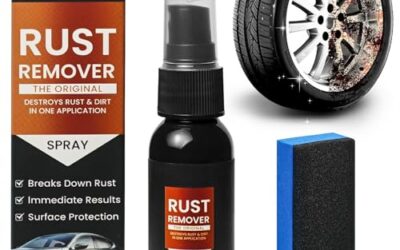
Here's the trap most people fall into: solid brass doesn't rust, so the orange stain you're scrubbing is usually rust from a steel screw or hinge bleeding…

A bathroom fan with a light traps dust in two places at once: the fan blades that pull moisture out and the lens cover that diffuses the bulb.
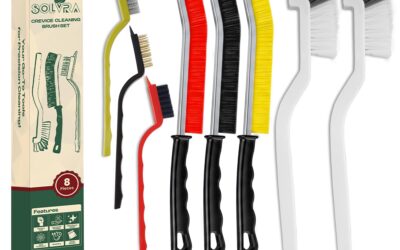
The tile looks fine, but the grout lines have gone gray, and no amount of mopping brings them back.
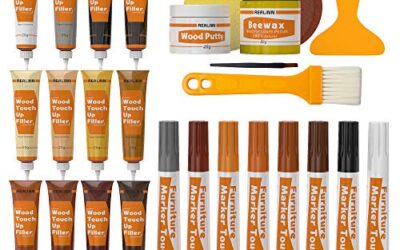
The streaky, blotchy cabinet finish almost always traces to one skipped step: sanding and conditioning before the stain ever touches the wood.
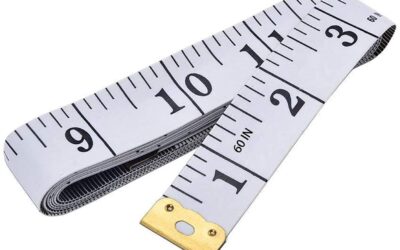
Most people measure a bathtub wrong on the first try, because they measure the inside basin when the number that matters is the outside footprint.
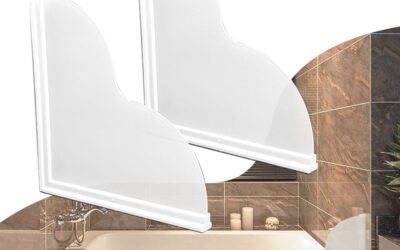
You notice the paint bubbling on the ceiling under the bathroom, or a damp patch that never quite dries.
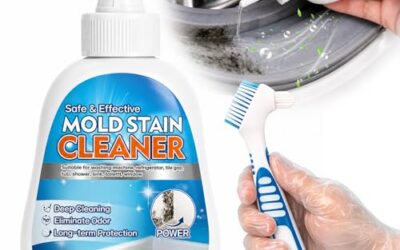
That pink film in the grout lines isn't mold at all, and treating it like mold is why it keeps coming back.