

How to Clean Mildew From Caulking in a Shower
The pink or gray film creeping along your shower caulk is mildew, not mold, and that distinction changes how you clean it.

1370 articles published
The pink or gray film creeping along your shower caulk is mildew, not mold, and that distinction changes how you clean it.

Most people scrub the black off shower caulk and call it done, then watch it come back in a week. That's because mold on silicone isn't sitting on top.

That thin dribble that keeps running from the shower head ten minutes after you've shut the water off isn't the head wearing out.

The number that trips people up isn't the width: it's forgetting the nosing, the lip where the tread rolls over onto the riser.

The mistake that drops a cabinet off the wall isn't a weak screw: it's a screw that missed the stud and bit only into drywall.

The fan runs louder every month and the mirror still fogs, and most people assume the motor is dying when the real problem is a blanket of dust choking…

Those black flakes floating up when you fill the tub aren't dirt from your last bath: they're biofilm and mold shedding from inside the jet lines.
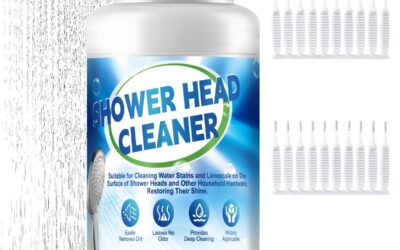
The spray goes weak and splits sideways, and most people blame the shower head when the real culprit is limescale clogging the nozzles from the inside.

You catch it in raking afternoon light: a pale gouge running across the boards that no amount of mopping touches.

The blotchy, uneven finish that ruins a stain job almost always traces back to one skipped step: sanding.