

> Editorial Note: I’m Olivia Bennett, a storage and organization contributor. I approach storage as a systems problem rather than a product one, fitting to actual shelf dimensions, load ratings, and how the system holds up under daily use.
Most people buy storage bins by color and discover later that not one of them fits the cubby they bought them for. Bin dimensions, material, and how they’ll sit on your shelf matter far more than the print on the front, and a half-inch mismatch means the whole set sits crooked. Measure the opening the way you’d plan a best closet organizer, match the run to your best shelves and bookcases, and cross-check against a best storage cabinet and a best storage ottoman so the set reads with your best baskets for shelves setup. Here’s how to choose well.
What Size Storage Bins Do You Actually Need?
Sizing is where most bin purchases quietly fail, because people buy the bin before measuring the space. Measure the interior opening of your shelf or cubby (width, depth, and height), then subtract half an inch from each so the bin slides in and out without wedging. A classic cube shelf opening runs about 11 inches square, which is why the standard fabric cube is 10.5 x 10.5 x 11 inches.
Depth matters as much as width. A bin 13 inches deep on an 11-inch shelf sticks out past the front edge and looks unfinished; a bin shallower than the shelf wastes the back space. Measure to the wall, not just to the shelf lip.
Match bin size to contents, not just to the shelf. Small bins suit socks, cables, and craft supplies; tall bins swallow blankets and off-season clothes. Buy a consistent size across a run so the fronts line up, since a wall of matched fronts reads as organized even when the insides are chaos. Real Simple’s organizing guides make the same point: uniform bin fronts do more for a room’s calm than any single clever product.
Fabric, Plastic, or Woven — Which Material Fits the Job?
Material decides where a bin can live and how long it lasts, so match it to the room. Fabric bins with a chipboard or wire rim hold their shape on a shelf, fold flat when empty, and run $10 to $25 for a set. They’re the right call for closets, playrooms, and any shelf that stays dry. They won’t survive a damp garage, and a soft-sided bin without a rim slumps the moment it’s half full.
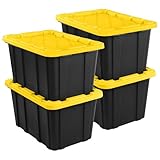
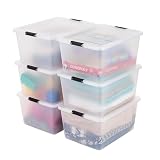
Plastic bins win anywhere there’s moisture or weight. A lidded plastic tote stacks, seals out dust, and shrugs off a basement or garage. The trade-off is bulk and looks, since clear plastic shows clutter, so it suits storage rooms more than open living-room shelves.
Woven baskets in seagrass, water hyacinth, or cotton rope bring warmth to open shelving and hide clutter behind texture. They cost more and don’t fold flat, and natural fibers can shed or snag, so keep them off rough contents. OEKO-TEX certification on a fabric or rope bin signals the textile is screened for harmful substances, which matters in a nursery or kid’s room. Grommet handles beat sewn-on ones; the sewn kind tear off first under a heavy pull.
Do Storage Bins Need Handles, Lids, or Stiff Sides?
Features decide whether a bin is a joy or a daily annoyance, so pick by how you’ll use it. Handles matter most on high shelves and heavy contents. A reinforced grommet or a stitched-and-riveted handle survives repeated pulls; a thin sewn loop tears off within months. If the bin lives above shoulder height, handles aren’t optional.
Lids buy protection and stackability at the cost of quick access. A lidded bin keeps dust off stored linens and lets you stack two or three high, but you’ll skip the lid on anything you reach for daily. Match the feature to the frequency: lids for archive storage, open tops for the sock drawer equivalent.
Stiff sides are the quiet dealbreaker. A bin with a full internal frame of chipboard panels or a wire rim stands up on an open shelf and keeps its shape half-empty. A frameless soft bin only works inside a cubby that holds its walls up. Check the corners: reinforced, boxed corners keep a bin square, while raw folded corners collapse first. If you want a bin to sit out in the open, buy the framed version every time.
What’s the Right Budget Tier for Storage Bins?
Price tiers in bins map cleanly to how long they last and where they belong. Under $15 for a set gets you thin fabric bins fine for light, dry, low-reach storage like a kid’s closet or a linen shelf. Expect thin walls and basic sewn handles. That’s an acceptable trade-off for a playroom, not for daily heavy use.
The $15 to $35 range is the sweet spot for most homes. Here you get reinforced grommet handles, a proper internal frame, and fabric that holds color through washing. This tier survives years of daily pulls and is where I’d point most buyers doing a closet or shelf system.
Above $35, you’re paying for woven natural fibers, designer prints, or heavy-duty lidded totes. Worth it for open living-room shelving where the bin is on display, or for garage totes that need to seal and stack. Don’t overspend on hidden storage; inside a closed cabinet, a $12 bin does the same job as a $40 one. Spend on what shows or what carries weight, and save on what hides.
How Do You Keep Fabric Bins From Slumping and Smelling?
Care is the difference between a bin that lasts five years and one you toss in one. Slumping is almost always an overfill or a no-frame problem. Don’t pack a soft bin past its rim, and if a frameless bin sags on an open shelf, either move it into a cubby that supports the walls or slip a piece of stiff cardboard against each side.
Smell comes from storing anything damp. Fabric holds moisture and mildews, so never bin clothes or linens that aren’t fully dry, and keep bins off concrete floors that wick moisture. For a musty bin, most fabric sets are spot-clean or gentle machine wash. Check the tag, and air-dry fully before refilling.
Dust and fading are slower failures. Bins on a sunny shelf fade over a year or two; rotate them or keep bright colors out of direct sun. A quick vacuum with a brush attachment lifts dust from woven baskets without shedding fibers. The Spruce’s storage care guides recommend a full empty-and-wipe twice a year, which also forces the decluttering pass most bins quietly need.
Helpful Products
These three cover the common paths above: a foldable fabric set for closets and shelves, plus a standard collapsible cube for cube units, each screened for a 4.7-plus owner rating and reinforced handles. Start with the 6-piece set for a full shelf, or the collapsible cube if you’re filling a cube organizer.


Pros
- Excellent value with six bins included at under $20
- Chipboard construction holds shape better than soft-sided alternatives
- Classic black finish coordinates with virtually any color scheme or room style
- Foldable design makes moving or seasonal storage simple
- 4.8-star rating across nearly 20,000 reviews signals consistent quality
Cons
- No lid option means contents remain visible from above
- Black fabric may show lint or pet hair between cleanings
- Chipboard sides could warp if exposed to moisture or heavy humidity
These bins solve one of the most common home organization frustrations: mismatched, flimsy storage that looks mesy on open shelving. The Household Essentials set gives you six identical black cubes with a subtle silver grommet pull that feels intentional and tidy rather than purely functional. They look like bins that cost twice the price.
In a real room, they bring instant visual calm. Line them across a Kallax unit or stack them on closet shelves and suddenly the clutter disappears behind a uniform, modern front. The chipboard sides mean they stay upright and squared off even with just a few items inside, which is a common complaint with cheaper fabric-only bins.
If you want a coordinated, clutter-free look across multiple rooms without spending a fortune on individual bins, this set delivers.
Styles it works with: Modern Minimalist, Transitional, Scandinavian, Industrial
Best placed in: Living room cube shelving units, bedroom closet shelves, kids' playroom cubbies, home office bookcases
May not suit: Open shelving in rustic or farmhouse spaces whereoven baskets fit the aesthetic better, or very humid areas like bathrooms where chipboard may soften over time
Buy it if:
- You own a cube shelf unit (Kallax, ClosetMaid, or similar) and want a full set of matching bins in one order
- You are organizing a dorm room, apartment, or rental where flexible, portable storage matters
- You prefer a clean, uniform look over decorative baskets or open shelving
Consider waiting if:
- You need a specific color other than black to match an existing set
- You only need one or two bins rather than a full6-pack
Skip it if:
- You need lided bins for dust-sensitive items like seasonal clothing or kepsakes
- Your shelving cubbies are smaller than 11 inches in any dimension
Check the latest price and availability on Amazon before it sells out.

StorageWorks Foldable Shelf Organizer Bins - Large Fabric Storage Baskets for Closet Shelves, Beige Stripes, 3-Pack
Pros
- Holds up to 25 lbs per bin without sagging or losing shape
- Folds flat when not in use, saving storage space between seasons
- Neutral beige stripe design fits most closet and shelf aesthetics
- Versatile sizing works on standard closet shelves, cube units, and pantry shelving
- Affordable 3-pack pricing for outfitting multiple shelves at once
Cons
- Fabric is not waterproof, so not ideal for damp basements or outdoor use
- No lid included, leaving contents exposed to dust on open shelving
- Limited color options may not suit bold or dark-toned decor schemes
These StorageWorks bins solve one of the most common home organization frustrations: shelves that look mesy no matter what you do. The beige stripe fabric has a subtle texture that reads as intentional decor rather than plastic-bin utility, and the reinforced boards inside mean they stay upright and structured even half-empty.
In a real closet or linen shelf setup, they look cohesive as a set of three and bring immediate visual calm to an otherwise chaotic space. The handles are genuinely useful for pulling them down from higher shelves without tipping contents everywhere.
If you want tidy, structured shelf storage without spending a fortune or sacrificing aesthetics, this one delivers.
Styles it works with: Modern Farmhouse, Scandinavian, Coastal, Minimalist
Best placed in: Bedroom closet shelves, bathroom linen cabinet, nursery bookshelf or cube organizer
May not suit: Homes with very narrow or shallow shelving (measure depth first), or spaces where a bold color accent is needed to tie the room together
Buy it if:
- You need to organize a closet, pantry, or linen shelf and want bins that look polished
- You prefer structured bins that hold their shape rather than floppy fabric totes
- You want a budget-friendly 3-pack that covers an entire shelf in one purchase
Consider waiting if:
- You need bins with lids to keep dust out on open shelving (StorageWorks makes a lided version)
Skip it if:
- You need waterproof or moisture-resistant storage for a garage or basement
- You require a rigid, stackable bin that can bear weight on top
Check the latest price and availability on Amazon before it sells out.

Anthropic Basics Collapsible Fabric Storage Cubes, Navy 6-Pack, 10.5 Inch Cube Organizer Bins with Handles
Pros
- Holds its shape on shelves while staying lightweight enough to move easily
- Collapses flat for compact storage between uses
- Sewn-in handles double as drawer pulls when used inside a cube organizer
- Breathable fabric is gentle on clothing, linens, and soft toys
- Tens of thousands of reviews confirm consistent quality and long-term durability
Cons
- 5-pound load capacity makes these unsuitable for heavy items like books or gear
- Fabric sides can sag if overstuffed or used outside a shelf frame
- Navy color tends to show dust and pet hair more than lighter shades
There is something deeply satisfying about swapping a jumble of mismatched boxes for six matching navy cubes. These bins instantly make an open shelf look intentional, like you planned your storage instead of just hiding the mess. The fabric has a soft, tailored finish that reads more "decor" than "utility," and the navy shade is dark enough to hide most scuffs while still feeling neutral.
In everyday use, these cubes shine because they adapt to how you actually live. Use them as open-top bins on a bookshelf, slide them into a cube organizer as pull-out drawers, or fold them flat the moment you no longer need them. The sewn-in handles are a small detail that makes a big difference when you are hauling a bin of toys from the playroom to the living room.
If you want a clean, coordinated shelf without spending a fortune on custom storage, this one delivers.
Styles it works with: Modern Farmhouse, Scandinavian, Minimalist, Transitional
Best placed in: bedroom closet shelving, beside the bed as a nightstand cubby, kids' playroom cube organizer
May not suit: homes needing heavy-duty storage for books or gear, or spaces where lighter, airier bins would better hide dust and pet hair
Buy it if:
- you already own or plan to buy a standard cube organizer and want matching bins that slide out like drawers
- you need to tame a closet, playroom, or craft space on a tight budget
- you want storage that folds flat between moves or seasonal purges
Consider waiting if:
- you need a color other than navy to match your existing decor
Skip it if:
- you plan to store heavy items like hardcover books, tools, or bulky gear over 5 pounds
- you want rigid bins that hold their shape without sitting inside a shelf frame
Check the latest price and availability on Anthropic before it sells out.
Frequently Asked Questions
What size storage bins should I buy?
It depends on your shelf opening. Measure the interior width, depth, and height, then subtract half an inch from each for easy sliding. Standard cube shelves take a 10.5-inch bin. Measure to the back wall so a deep bin doesn’t stick out past the shelf edge.
Are fabric or plastic storage bins better?
It depends on the room. Fabric bins fold flat, look clean on open shelves, and suit dry closets and playrooms. Plastic totes stack, seal out dust, and handle damp garages or basements. Use fabric where it stays dry and shows, plastic where there’s moisture or weight.

Do storage bins need handles?
Yes, for high or heavy use. Reinforced grommet or riveted handles survive repeated pulls, while thin sewn loops tear off within months. Bins above shoulder height especially need sturdy handles. For a low, light-use bin you can skip them, but they cost little and help everywhere.
How do I keep fabric bins from slumping?
Don’t overfill them, and match frameless bins to a cubby that supports the walls. For an open shelf, buy a bin with a chipboard or wire internal frame. If a soft bin already sags, slip stiff cardboard against each side to hold its shape. Overfilling is the usual cause.
Are woven baskets worth the extra cost?
Yes, for open shelving on display. Seagrass and cotton-rope baskets hide clutter behind warm texture that plastic can’t match. They cost more and don’t fold flat, so save them for visible shelves. Inside a closed cabinet, a cheap fabric bin does the same job for less.
Can storage bins go in a garage or basement?
It depends on the material. Skip fabric, since it wicks moisture and mildews on concrete. Use lidded plastic totes that seal out damp and stack, and keep them off the floor on a shelf or pallet if the space ever floods. Plastic is the only safe pick for damp storage.
How do I stop storage bins from smelling musty?
Never bin anything damp, and keep bins off concrete floors that wick moisture. Fabric holds humidity and mildews fast. For a musty bin, most fabric sets spot-clean or machine wash gently. Air-dry fully before refilling, and do a full empty-and-wipe twice a year.





Write Your Review
No reviews yet. Be the first to share your experience!