

> Editorial Note: I’m Hannah Lin, an Interior Living Researcher who’s spent 9+ years analyzing the home furniture market. This guide draws on BIFMA, GREENGUARD, and FSC certifications, plus owner reviews aggregated from Wirecutter, Apartment Therapy, and the major home design subreddits.
The runner is too narrow, too short, or shoved against one wall. That’s the mistake that makes a hallway feel leftover instead of intentional. A good hallway runner starts with the width of the hall, then the exposed border, then the length that stops before the doorway swing. If you’re also comparing best washable rugs, best entryway rugs, best rugs for living room, best non slip rug pads, or how to decorate a narrow hallway, use those guides after you get the hallway measurements right.
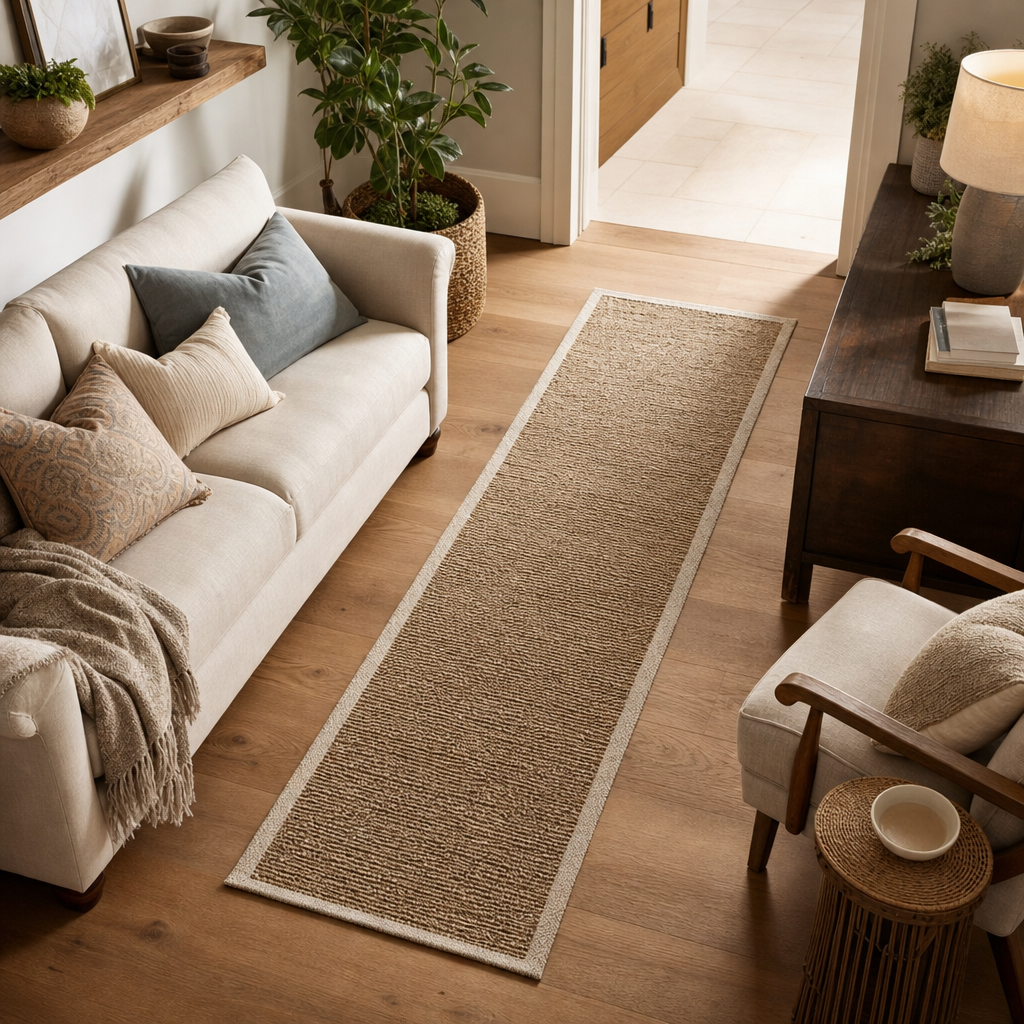
Quick Reference: Hallway Runner Rug Size Chart
| Hallway Width | Recommended Runner Width | Recommended Length | Border Rule | Best Fit |
|---|---|---|---|---|
| 36–42 inches | 2 ft runner | 6, 8, or 10 ft | Leave 4–6 inches of floor on both sides | Standard apartments and older homes |
| 48+ inches | 2.5–3 ft runner | 8, 10, or 12 ft | Leave 6–9 inches of floor on both sides | Wider halls and open transitions |
| Any width | Match length to the clear walking zone | Common lengths: 6, 8, 10, 12 ft | Leave 6–12 inches of floor at both ends | Keeps thresholds clean |
| Long hallway over 14 ft | Use one long runner or two aligned runners | 10 or 12 ft first | Keep 6 inches between paired runners | Better than a short floating strip |
ai-image id=”hallway-runner-layout” prompt=”top-down hallway with runner centered, no text/logos, flat editorial vector” alt=”hallway runner rug size layout diagram” caption=”Illustration: a 2×8 runner leaves a clean border in a standard hallway.” overlay_title=”Hallway runner → 2×8 ft” lines=”Leave 6–12 in floor at each end|Keep 4–6 in bare floor on both sides|Use 2×10 or 2×12 for long halls”
Measure the Hallway Width First
Start with the narrowest usable width, not the widest point. If the hallway measures 39 inches wall to wall but a baseboard trim line takes up 1 inch on each side, treat the usable width as 37 inches. That puts a 2 ft runner in the right zone because it leaves roughly 6.5 inches of visible floor on each side.
For most 36–42 inch hallways, a 2 ft runner is the cleanest fit. It gives your feet a centered landing zone without making the hall look carpeted edge to edge. Too much rug makes a narrow hall feel tighter. Too little rug looks accidental.
A 48 inch hallway can usually handle a 2.5 ft runner, and some 54–60 inch halls can take a 3 ft runner if the floor border still looks intentional. Keep at least 4 inches of bare floor visible on both sides. Better: 6 inches.
Wirecutter’s rug coverage guidance and Apartment Therapy’s layout advice both point to the same principle: exposed floor is what makes a rug look sized, not just placed. The border is the frame. Don’t skip it.
Choose the Runner Length by Doorways and Sight Lines
Length is where most hallway rugs go wrong. A runner should leave 6–12 inches of bare floor at both ends, especially near door thresholds, stair landings, and closet doors. If your hallway is 9 ft long from trim to trim, an 8 ft runner usually works better than a 6 ft one because it leaves about 6 inches on each end.
For a 7 ft hallway, choose a 6 ft runner. For a 9–10 ft hallway, choose 8 ft. For an 11–12 ft hallway, choose 10 ft if you want more border or 12 ft only if the hall runs cleanly into an open landing. For a 13–15 ft hallway, a 2×12 runner usually feels more intentional than a 2×8 that stops in the middle.
The goal is simple: the rug should read as a path. Not a sample strip.
Check every door swing before you order. A low-profile washable runner may clear an interior door, but a thicker rug pad can add enough height to rub. If the door gap is under 0.5 inch, stay with a thinner runner and a low-profile non-slip backing.
Use Width-to-Length Proportion to Avoid the Bowling-Alley Look
A hallway runner should be long enough to guide movement but not so long that it turns the hall into a tunnel. The easiest proportion is width first, then a length that covers about 70–85% of the hallway’s clear run. In a 10 ft hallway, that means an 8 ft runner. In a 14 ft hallway, that means 10–12 ft.
A 2×8 runner has a 1:4 proportion, which works well in standard hallways because it looks narrow and directional. A 2×10 runner stretches the same width farther, so it suits long apartment corridors, bedroom wings, and upstairs halls. A 2×12 runner needs enough uninterrupted floor to breathe.
If your hall has a turn, don’t force one runner around it. Stop the first runner 6–12 inches before the corner, then start the next one after the turn. Clean break. Cleaner sight line.
Pattern scale matters too. A large medallion can look chopped off in a 2 ft width, while a small vintage repeat hides the narrow format better. For long halls, a repeated border pattern also helps the rug look continuous instead of stretched.
Account for Thickness, Backing, and Cleaning Clearance
Hallways take more foot traffic than most rooms, so thickness matters as much as size. A runner under 0.25 inch thick is easier for doors, robot vacuums, and laundry rooms. A rug around 0.3–0.4 inch can feel softer underfoot, but it may need more door clearance and a stronger non-slip backing.
Washable runners are practical in entry halls because dirt lands there first. Look for a backing that grips without a bulky pad, especially in a 36 inch hallway where a curled edge becomes a trip point. If the runner slides more than 1 inch during a normal walk-through, it needs a pad or a different backing.
FSC and GREENGUARD standards are more relevant to furniture and indoor materials than washable polyester rugs, but they still set the right editorial lens: check materials, backing, emissions claims, and maintenance instructions instead of relying on style photos. Pretty isn’t enough in a hallway. It has to stay flat.
For homes with pets, kids, or muddy entry traffic, prioritize machine-washable construction and a low pile. A 2×8 runner that fits in a standard home washer is easier to live with than a 3×12 runner that technically fits the hall but can’t be cleaned at home.
Our Size-Checked Picks
The three runners below match the most common hallway scenarios: 2×8 for standard 36–42 inch halls, 2×10 for longer corridors, and 2×12 for extended runs that need one continuous visual line. Start with the 2×8 if your hall is under 10 ft. Jump to the 2×12 only when you can leave 6–12 inches of bare floor at both ends.

Pros
- Machine washable with proven durability through multiple wash cycles
- Non-slip backing works well on hard floors in high-traffic areas
- Low pile design fits under doors and works in entryways
- Affordable price under $25 for an 8-foot runner
- Foldable for easy storage when not in use
Cons
- New product with 0 customer reviews makes quality hard to verify
- May show creases for 1-2 weeks after unrolling from packaging
- Turmeric grey color may not suit all decor styles
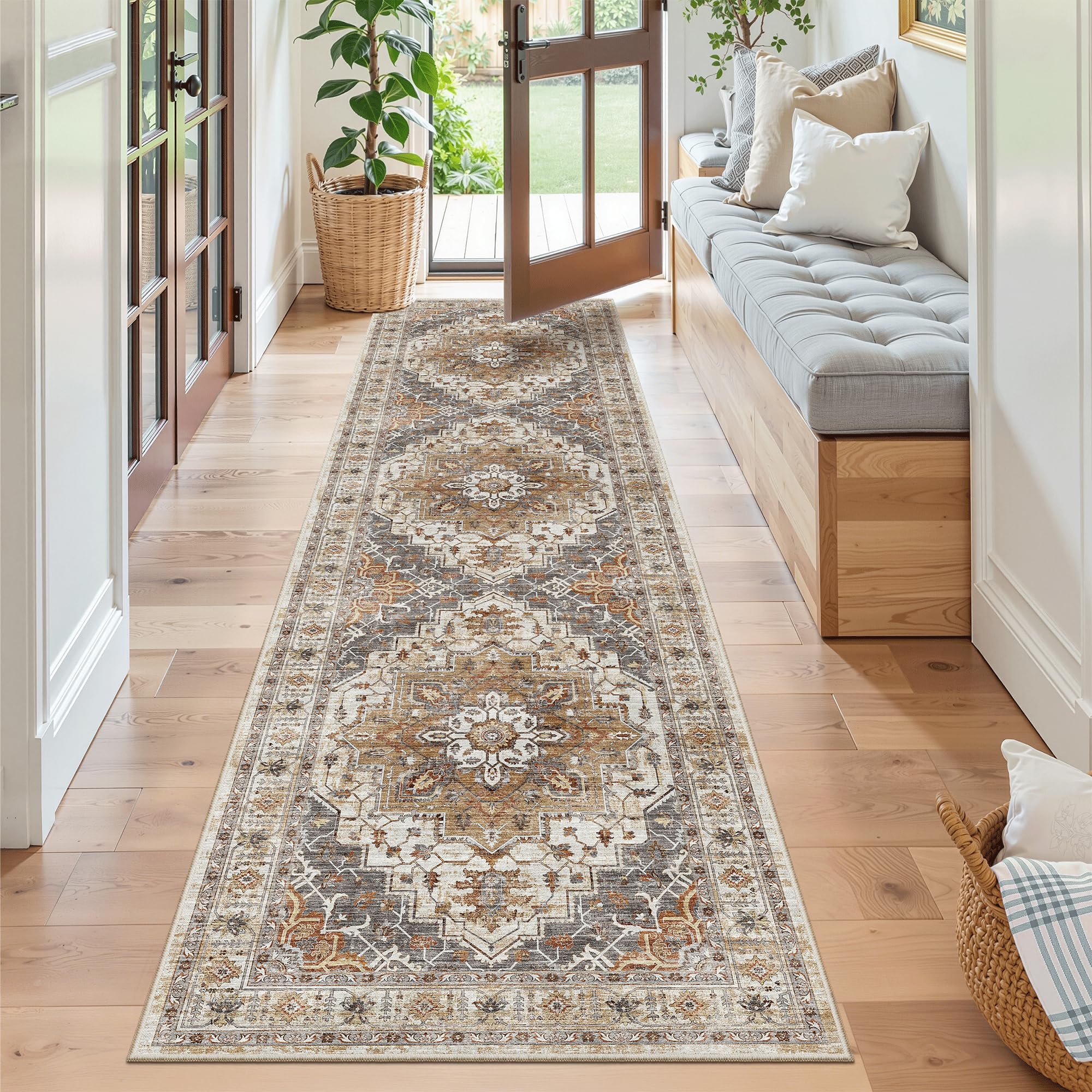
This runner solves a real problem for anyone tired of spot-cleaning hallway floors or dealing with rugs that bunch up underfoot. The machine-washable fabric means you can toss it in the washer when life gets messy, and the non-slip backing actually stays put on hardwood or tile without those annoying rug pads.
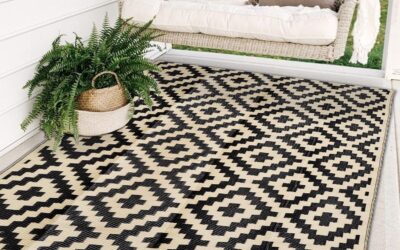
The turmeric and grey vintage pattern brings warmth to builder-grade hallways without feeling too bold, and the low pile means it slides right under doors without jamming. At under $25 for 8 feet of coverage, it is an easy way to protect high-traffic zones without overthinking the investment.
If you want a hallway or kitchen runner that handles real life without constant fussing, this one delivers.
Styles it works with: Modern Farmhouse, Transitional, Boho, Eclectic
Best placed in: Hallways connecting rooms, kitchen walkways in front of sink or stove, entryway from garage or back door, laundry room floors
May not suit: Formal dining rooms or living rooms where a plush pile rug would feel more luxurious, homes with very modern minimalist decor where the vintage pattern may feel too busy
Buy it if:
- You need washable floor protection in a hallway or kitchen where spills and dirt are common
- You rent and want an affordable way to cover worn flooring without permanent changes
- You have kids or pets and need a rug that can handle frequent cleaning
- You want a low-commitment decor update under $25 that you can swap out seasonally
Consider waiting if:
- You want to read verified customer reviews before buying since this is a newer product listing
Skip it if:
- You need a specific color match and turmeric grey does not work with your existing palette
- You prefer plush, high-pile rugs for a softer underfoot feel in low-traffic areas
Check the latest price and availability on Amazon before it sells out.

HYHAOYUNLAI Washable Runner Rug 2x10 - Vintage Beige Non-Slip Hallway Kitchen Entryway Farmhouse Floor Mat
Pros
- Machine washable for easy maintenance in high-traffic areas
- Non-slip backing stays put without additionalrug pads
- Soft and comfortable underfoot without being overly thick
- No chemical odor when unpackaged, ready to use quickly
- Subtle vintage pattern that works with multiple decor styles
Cons
- Arrives rolled and requires a steamer or several days flat to remove creases
- Limited to one colorway, which may not suit darker or bolder room palettes
- At 2x10, may be too narrow for wider hallways or open kitchen layouts
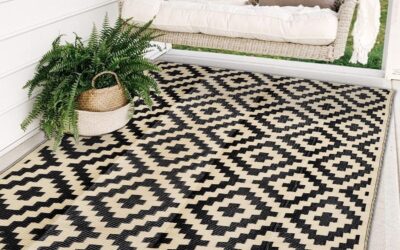
This HYHAOYUNLAI runner does something surprisingly well for its price: it looks like it belongs in a thoughtfully decorated home. The vintage beige pattern is subtle enough to let your furniture and wall art take center stage, but interesting enough that the hallway no longer feels bare or forgotten.
In daily life, it holds up to real foot traffic. The washable fabric means you can toss it in the machine after mudy boots or kitchen spills, and the non-slip backing stays planted on hardwood or tile without bunching at the edges. It feels soft and cushioned underfoot without adding bulk that catches under doors.
If you want a hallway runner that looks curated and polished without spending over $30 or worying about maintenance, this one delivers.
Styles it works with: Modern Farmhouse, Transitional, Scandinavian, Coastal Neutral
Best placed in: Long hallways, galey kitchens in front of counters, entryway floors between front door and living space
May not suit: Extra-wide hallways where a 2-foot width looks too narrow, or rooms with bold maximalist decor where the muted beige pattern may get visually lost
Buy it if:
- You need a durable, washable runner for a hallway or kitchen that sees daily foot traffic
- You want a neutral pattern that ties together existing furniture without clashing
- You rent and need a non-slip option that protects floors without adhesive or rug tape
Consider waiting if:
- You need a bolder color or darker tone match a specific room palette
Skip it if:
- Your hallway is wider than 3 feet and a 2-foot runner would look undersized
- You need a plush, high-pile rug for comfort rather than a flat-weave style
Check the latest price and availability on Amazon before it sells out.

Pros
- Stays flat and secure on hard floors thanks to integrated rubber backing
- Genuinely machine washable for easy ongoing maintenance
- Thin enough to fit under most doors and transitions
- Soft feel despite the low pile height
- Pet hair wipes or vacuums off easily
Cons
- Printed design may look slightly different in person due to lighting or screen variation
- Low pile lacks the plush cushion some buyers expect from a traditional rug
- Glossy texture on the fibers can make colors appear lighter than product photos
This Art&Tuft runner solves the most common hallway rug frustration: slipping. The integrated rubber backing grips hard floors without bunching, curling, or requiring a separate rug pad. It stays put even in high-traffic zones where kids and pets sprint through daily.
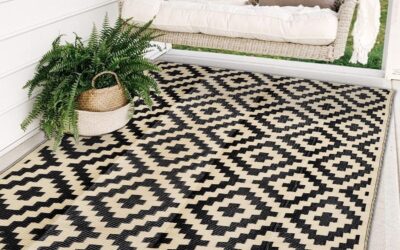
The distressed beige pattern hides everyday dirt and scuffs surprisingly well, and when it finally needs a deep clean, you can toss it in the washing machine. At 0.25 inches thick, it sits flat under doors and won't create a tripping hazard at transitions between rooms.
If you want a long runner that stays in place and washes easily without sacrificing a put-together look, this one delivers.
Styles it works with: Modern Farmhouse, Transitional, Coastal Casual, Minimalist
Best placed in: Long hallways, galey kitchens, laundry room floors, beside a bed on hard floring
May not suit: Spaces where you want a thick, plush underfoot feel, or rooms with deep carpet where the rubber backing cannot grip properly
Buy it if:
- You have a long hallway or kitchen with hard floors that needs slip protection
- You have pets or kids and want a runner you can machine wash regularly
- You need a thinrug that fits under doors without triming or adjusting
Consider waiting if:
- You want a specific color and the beige does not match your palette, as printed colors can vary from screen to real life
Skip it if:
- You want thick, cushioned comfort underfoot for standing long periods
- You need a high-end woven texture rather than a printed pattern
Check the latest price and availability on Amazon before it sells out.
Madane 2×8 Washable Hallway Runner — For Standard Halls
The Madane 2×8 runner is the safest size for a 36–42 inch hallway because the 24 inch width leaves a visible border without wasting the walking path. In a 9 ft hall, the 8 ft length gives you about 6 inches of bare floor at each end, which is exactly the clean threshold look most homes need.
Its 4.7 owner rating is the strongest of the three picks, and the washable format makes sense for entry halls, bedroom corridors, and laundry transitions. The trade-off is coverage. In a 12 ft hallway, this size can look short unless you’re intentionally leaving a wider landing zone near each doorway.
Choose it when your hallway is standard width and you want the least risky size. Simple choice.
HYHAOYUNLAI 2×10 Washable Vintage Runner — For Longer Corridors
The HYHAOYUNLAI 2×10 runner fits the hallway that looks unfinished with an 8 ft rug but doesn’t have enough uninterrupted length for a 12 ft one. In an 11 ft hallway, a 10 ft runner leaves about 6 inches of floor at both ends. In a 12 ft hallway, it leaves 12 inches at both ends, which feels more relaxed.
The vintage pattern is useful in narrow spaces because small repeats disguise footprints and minor alignment issues better than a single large center motif. Its 4.6 rating is close to the Madane, so the main reason to choose this one is length, not rating.
Use it for apartment corridors, upstairs halls, or bedroom runs where the sight line is longer than 10 ft.
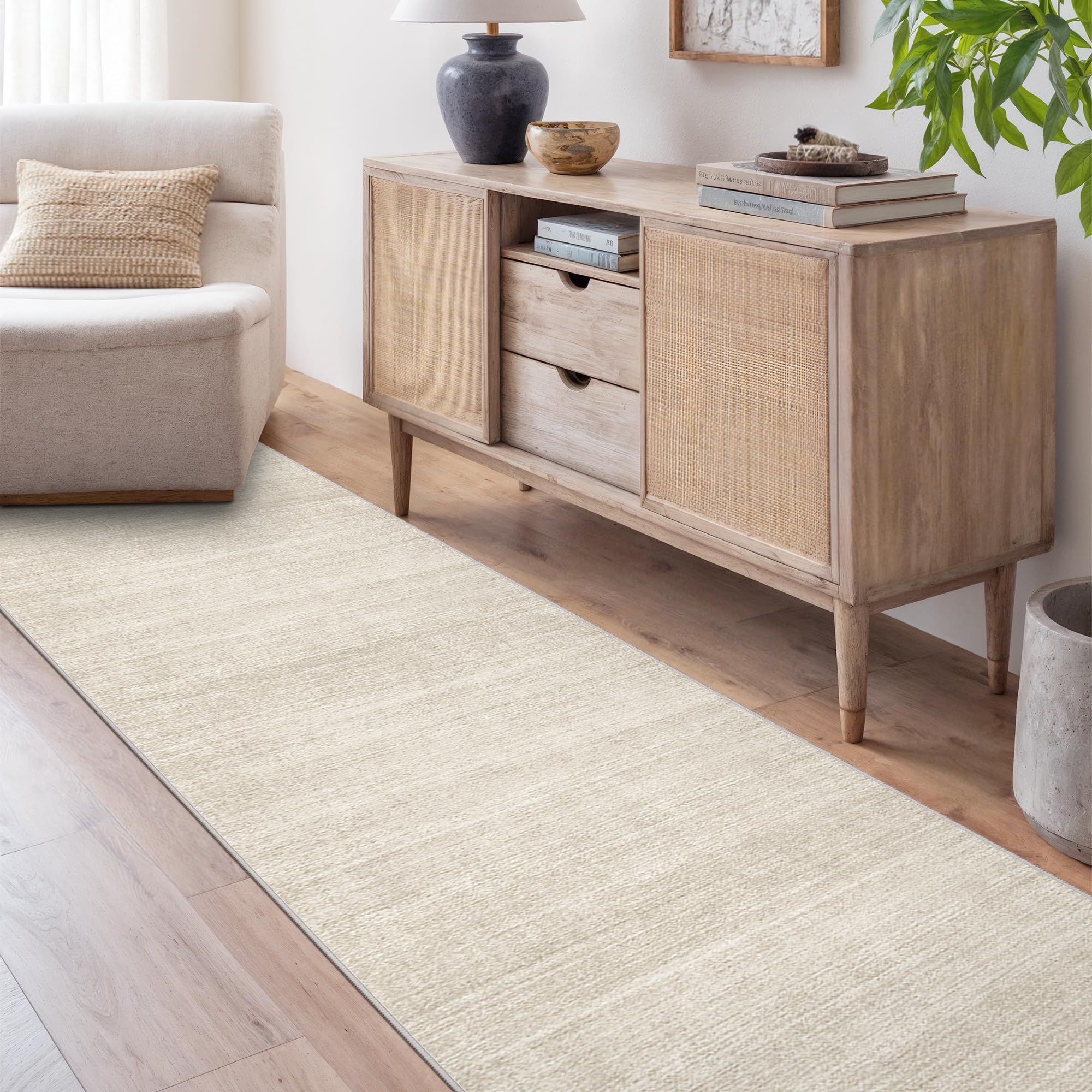
Art&Tuft 2×12 Washable Non-Slip Runner — For Long, Straight Halls
The Art&Tuft 2×12 runner is the right move when the hallway is long enough for one continuous rug. A 13 ft hallway leaves 6 inches at both ends with this size, while a 14 ft hallway leaves a full 12 inches at both ends. That’s the proportion that makes a long hall feel designed instead of patched together.
The non-slip construction matters because a 12 ft runner has more surface area to shift if the backing is weak. Its 4.4 rating is lower than the other two, so don’t pick it for rating alone. Pick it when the size solves the room better than a shorter runner would.
Long hall, straight shot, enough border. That’s where it belongs.
Frequently Asked Questions
What size runner rug is best for a 3 ft hallway?
A 2 ft runner is best for a 3 ft hallway. That leaves about 6 inches of bare floor on each side, which keeps the runner centered and prevents the hallway from looking fully carpeted. Don’t go wider than 2.5 ft in a 36 inch hall unless the walls are visually open and the doorways have plenty of clearance.
How long should a hallway runner be?
A hallway runner should leave 6–12 inches of bare floor at both ends. For a 9 ft hallway, choose an 8 ft runner. For an 11–12 ft hallway, choose a 10 ft runner. For a 13–14 ft hallway, a 12 ft runner usually looks better than two short rugs.
Should a hallway runner go wall to wall?
No. A hallway runner should show at least 4 inches of bare floor on both sides, and 6 inches looks better in most homes. Wall-to-wall coverage turns a runner into carpet and makes the hallway feel narrower. The visible floor border is what makes the size look deliberate.
Can you use two runners in one hallway?
Yes, if the hallway is too long for one standard runner or turns a corner. Keep the runners aligned, leave about 6 inches between them, and use matching sizes when possible. Don’t place two different patterns in one narrow hallway unless the break happens at a doorway or landing.
Is a washable runner better for a hallway?
Yes, for most busy homes. Hallways collect grit, pet hair, and shoe dirt faster than bedrooms or formal living rooms. A washable low-pile runner under about 0.25 inch thick is easier to clean, less likely to block doors, and more practical near entries.
Bottom Line
The right hallway runner is usually 2 ft wide, long enough to cover 70–85% of the clear hallway run, and short enough to leave 6–12 inches of floor at both ends. The Madane 2×8 is the best fit for standard halls. Choose the HYHAOYUNLAI 2×10 for longer corridors, and use the Art&Tuft 2×12 only when the hallway is straight and long enough to show a clean border.



Write Your Review
No reviews yet. Be the first to share your experience!