

> Editorial Note: I’m Liam Wright, an outdoor and garden editor. I grew up in my family’s landscaping business and now cover what actually survives a season of UV, rain, and freeze-thaw cycles. The picks here are evaluated against ASTM weatherability standards and manufacturer durability ratings.
Most people clean a charcoal grill at the wrong moment: either while it’s still dangerously hot or after ash has sat long enough to trap moisture. The better rhythm is simple: warm grates, cold ash, dry bowl. Pair this with best patio furniture, outdoor furniture ideas, best outdoor lighting, best small patio furniture, and best planters for outdoor spaces.
How often should you clean a charcoal grill?
Clean the grates every time you cook. Do a deeper ash, vent, and bowl clean every 3 to 5 cooks, or sooner after fatty food like burgers, skin-on chicken, ribs, or sausages.
That schedule isn’t about shine. It’s about airflow and residue. Charcoal needs oxygen moving through the bottom vent, across the coal bed, and out the lid vent. Once ash reaches about 1 inch in the bottom bowl, it starts choking that airflow. You get slower lighting, weaker heat, and stale smoke sitting around the food.
There’s a moisture problem, too. Ash looks dry, but it turns alkaline and sludgy when water gets into it. Leave wet ash in a steel kettle and you’re giving corrosion a place to start. That’s why manufacturer durability ratings for outdoor cookers usually assume basic ash removal, covered storage, and drainage.
Grates after every cook. Ash after it has cooled fully. Full bowl and vent cleanup when residue flakes, smells bitter, or blocks airflow. That’s the rhythm.
What’s the safest time to clean a charcoal grill?
Clean the grates while the grill is warm, not hot. Remove ash only after the charcoal is completely out, usually 12 to 24 hours later.
For grates, start with a 10 to 15 minute burn-off. Close the lid, open the vents, and let heat dry stuck sauce, fat, and proteins. Then shut the vents and wait until the grate is warm enough to approach comfortably. Scrape with controlled pressure instead of attacking the metal while it’s smoking hard.
Ash is different. Don’t rush it. Charcoal can hide live embers under a gray surface for hours, especially in a kettle with the vents closed. Scoop ash into a metal container, not a plastic trash bag, and keep it away from mulch, leaves, cardboard, and deck boards until you’re sure it’s cold.
Warm grates. Cold ash. Different jobs, different timing.
If rain is coming, don’t hose the ash pan to speed things up. Water sitting in ash is worse than dry ash sitting overnight. It makes a paste that clings to seams, vent blades, and lower bowl edges.
What tools do you actually need?
You need a scraper or bristle-free brush, a stiff nylon brush, a metal ash bucket, paper towels or rags, mild dish soap, warm water, and a spray degreaser for sticky exterior grease. Gloves help around lid edges and vent tabs.
Skip the oversized tool kit. Most charcoal grills are simple: cooking grate, charcoal grate, bowl, lid, vents, ash catcher, and maybe a thermometer. Wirecutter emphasizes routine grate and ash maintenance over specialty products. Apartment Therapy lands on the same practical point: remove residue that traps moisture before you worry about shine.
Use metal tools on heavy carbon buildup, but don’t gouge porcelain enamel. Use nylon or a soft cloth on painted exterior surfaces. For stainless steel side shelves or trim, spray cleaner onto the cloth first instead of soaking seams directly.
One practical caution: inspect any brush before using it. If a tool sheds, bends, or leaves loose bits on the grate, stop using it. After brushing, wipe the grate with a damp folded paper towel held in tongs. Quick pass. Worth it.
How do you clean the grates step by step?
Start with heat. Open the vents, light the remaining coals or add a small fresh chimney if needed, and give the grill 10 to 15 minutes with the lid on. That burn-off dries sauce, fat, and stuck proteins so they release instead of smear.
Next, shut down the heat. Close the vents and wait until the grate is warm but not hot enough to burn a towel on contact. Scrape along the bars, not randomly across them. A bristle-free scraper, coil brush, wooden paddle, or steam-style brush can work if you use steady pressure and follow the grate direction.
For cast iron grates, don’t soak them. Wipe clean, dry them with residual heat, and apply a thin coat of high-smoke-point oil if the surface looks dull. For porcelain-coated grates, avoid aggressive chipping at baked-on spots. Let heat loosen them first.
If the grate is sticky after scraping, wash it in warm soapy water away from the grill body, rinse quickly, and dry it completely. Don’t leave it leaning wet in the yard. That’s how rust starts at the edges and weld points.
Clean enough to cook safely and keep airflow clear. Not showroom clean.
How do you remove ash without making a mess?
Wait 12 to 24 hours, confirm the ash is cold, then move it into a metal bucket with a scoop or the grill’s ash catcher. Keep water out of the bowl unless you’re washing after the ash is gone.
For kettle grills, open the bottom vent and work the ash sweep if the model has one. Tap the bowl lightly to move powder into the catcher. If ash is clumped, scoop it instead of forcing the vent blades through it. Bent vent blades don’t seal well, and poor sealing makes temperature control harder.
For barrel-style charcoal grills, remove the cooking grate and charcoal grate first. Scoop ash from the firebox corners, where it packs down. A shop vacuum can help only if it has a fine-dust filter and the ash is stone cold. No exceptions.
Never pour water into a grill full of ash as a regular cleaning method. It seems tidy for 30 seconds, then it turns into gray cement around the seams. If you need to handle a flare-up or emergency, safety wins. For routine cleaning, dry removal is better.
A 1-inch ash layer is your warning sign. Less heat, frustration.
How do you clean the bowl, lid, and vents?
Scrape loose flakes first, then wipe grease and creosote with warm soapy water or a grill-safe degreaser. Keep the vents moving freely and dry the bowl before storage.
The black flakes inside a lid usually aren’t peeling paint. On many charcoal grills, they’re carbonized grease and smoke residue. Use a plastic scraper or balled foil to loosen them, then wipe the lid with a damp rag. If the residue smells sharp and bitter, remove it before the next cook.
Clean the lower bowl after ash removal. Brush out the corners, wipe grease trails, and check the area around the bottom vent. That little vent does a lot of work. If it sticks, your low-and-slow setup becomes guesswork.
ASTM weatherability standards focus on how coatings and materials respond to UV, moisture, and temperature cycling. A backyard grill sees all three, plus grease and ash. Cleaning can’t make thin metal thick, but it can stop corrosive residue from sitting exactly where heat and moisture already stress the finish.
Dry the bowl with towels or a short low-heat burn after washing. Then cover it only after the grill is fully cool and dry.
Can you use water, soap, or degreaser on a charcoal grill?
Yes, but use them in the right order. Remove ash dry first, then use water or cleaner on grates, exterior surfaces, and greasy bowl areas.
Mild dish soap is fine for removable grates and exterior wipe-downs. Rinse it off and dry the parts fully. A grill-safe degreaser helps on stainless shelves, lid handles, and greasy exterior spots, especially after a long cook with fatty food. Spray the cloth, not every seam. You want control, not puddles.
Don’t use oven cleaner on a standard charcoal grill unless the manufacturer specifically allows it. Many oven cleaners are too harsh for porcelain enamel, painted finishes, aluminum parts, and rubber handles. Bleach is also the wrong tool.
Steam brushes can help loosen residue on warm grates, but don’t blast water into a hot porcelain-coated surface.
Dry ash removal first, targeted wet cleaning second, full drying last.
Frequently Asked Questions
Should I clean a charcoal grill after every use?
Yes. Clean the grates after every cook and empty ash once it’s fully cold. The full bowl doesn’t need a scrub every time, but grate residue and ash are the two messes that affect the next cook most.
Can I leave ash in a charcoal grill overnight?
Yes, if the grill is dry and the coals may still be warm. Overnight is often the safer choice. Don’t leave ash sitting for days in damp weather, because wet ash can cling to the bowl and speed corrosion.

Is it okay to hose out a charcoal grill?
Sometimes, but only after all ash is removed. Hosing ash turns it into paste that settles into seams and vents. If you wash the bowl, dry it fully before closing the lid or putting the cover back on.
How do I get grease off the outside of a grill?
Use warm soapy water first. For stubborn grease, use a non-corrosive grill degreaser on a cloth and wipe with the grain on stainless steel. Don’t soak knobs, thermometers, seams, or wooden handles.
Do I need to clean the inside of the lid?
Yes, when flakes start forming. Those flakes are usually carbonized grease and smoke residue, not paint. Scrape them gently, wipe the lid, and keep loose debris from falling onto food.
What’s the best way to prevent rust?
Keep ash dry, remove it regularly, and store the grill covered only after it’s cool and dry. Rust usually starts where moisture sits: ash pans, lower seams, chipped grate edges, and vent openings.
Can I use a wire brush on charcoal grill grates?
Yes, with caution, but inspect it first and wipe the grate afterward. If the brush is shedding, flattened, rusty, or leaving debris behind, replace it with a bristle-free scraper or steam-style brush.
Helpful Products
The three products below fit different parts of the cleaning flow: powered scrubbing for warm grates, a non-corrosive spray for greasy stainless surfaces, and a bristle-free steam-style brush for routine grate passes. Start with the brush for stuck food. Use the spray when grease has moved to the lid, shelf, or exterior trim.

Pros
- 7-angle adjustable head reaches awkward angles and grate gaps that rigid brushes cannot access
- IPX7 rating plus a 200C resistant shell means it handles water, grease splashes, and residual heat without damage
- USB-C fast charging reaches full battery in about 3 hours and the 5-level indicator removes any guesswork about runtime
- Both brush heads are dishwasher safe, so cleanup after the cleanup takes almost no effort
- At 4.7 stars across verified buyers, real-world satisfaction is well above category average
Cons
- 52 reviews is a relatively small sample size for a $39.99 tool, so long-term durability data is still limited
- The 300to 400 RPM speed range is modest compared to some premium electric grill cleaners, which may mean more passes needed on heavily carbonized grates
- Replacement brush heads are brand-specific, so ongoing costs depend on YEYES keeping compatible accessories in stock
If grill cleaning is the chore that kills your post-cookout mood, this tool changes that equation fast. The motorized rotating head does the scrubbing while you guide it, which means lessrist fatigue and more consistent results across the whole grate surface. The 7-angle head is genuinely useful rather than a gimmick because grill grates have corners, rails, and gaps that a straight brush always skips.
What stands out beyond the motor is the build quality for an outdoor tool. The IPX7 water resistance and heat-resistant shell mean you are not babying it or storing it away from moisture. The included splash guard and gloves show that the brand thought about the actual experience of cleaning a greasy grill, not just the spec sheet. The USB-C charging is a small but meaningful detail that matches how most people already charge everything else they own.
If you want a genuinely efortless grill cleaning routine without giving up on grate longevity or switching to chemical cleaners, this one delivers.
Styles it works with: Outdoor entertaining setups, modern backyard kitchens, rustic BBQ stations, camping and tailgate setups
Best placed in: Outdoor grill station storage drawer, garage wall hook near the grill, camping gear bin, outdoor kitchen cabinet
May not suit: Apartment or indoor grill owners with limited storage for a powered tool; households that grill only a few times per year and prefer simpler manual solutions
Buy it if:
- You grill regularly and spend more than a few minutes scrubbing grates after each session
- You have a porcelain or coated grate that you want to clean thoroughly without risking damage from aggressive wire scrubbing
- You want one tool that handles both deep cleaning and light maintenance polishing without buying separate brushes
Consider waiting if:
- You want to see a larger review base before committing to a newer brand in this category
Skip it if:
- You only grill a handful of times per year and a basic wire brush is already sufficient for your needs
- You need a replacement head that is widely available at hardware stores rather than sourced from a single brand
Check the latest price and availability on Amazon before it sells out.

Weber Grill Grate Cleaner Spray 16 oz - Non-Corrosive Degreaser for Stainless Steel & Cast Iron Grates, Smokers, Ovens
Pros
- Effectively removes burnt-on residue without excessive scrubbing
- Compatible with multiple grate types including stainless steel and cast iron
- Gentle, non-irritating formula that is safe for skin contact
- Works beyond the grill on ovens, microwaves, and smokers
- Strong review volume (3,500+) with a solid 4.4 rating indicates consistent performance
Cons
- May require multiple applications on heavily caked-on buildup
- 16 oz bottle can run out quickly for large grills or frequent use
- Not designed for exterior grill surfaces; a separate product is needed for that
Cleaning the grill is nobody's favorite chore, but Weber's Grate Grill Cleaner makes it noticeably less painful. The spray-on formula clings to grates and breaks down baked-on grease so you spend less time scrubbing and more time actually grilling. It works on both stainless steel and cast-iron grates, which means one bottle covers most Weber grills out there.
What sets it apart from generic degreasers is the skin-safe, non-corosive formula. You can use it without gloves and without worying about damaging your grate finish over time. Plus, it doubles as a cleaner for your oven and microwave, so it earns its spot under the kitchen sink year-round.
If you want a reliable grill cleaner that handles tough residue without harsh chemicals or surface damage, this one delivers.
Styles it works with: Outdoor kitchen setups, backyard grilling stations, garage utility shelving, kitchen cleaningaddies
Best placed in: Near your outdoor grill station, under the kitchen sink, in the garage with other grill accessories
May not suit: Those looking for a single all-purpose exterior and interior grill cleaner, or households that rarely grill and would not use the bottle before it expires
Buy it if:
- You grill regularly and want a dedicated cleaner that won't damage your grates
- You have stainless steel or porcelain-enameled cast-iron grates and need a safe formula
- You prefer non-toxic, skin-safe cleaning products you can use without protective gear
Consider waiting if:
- You want to bundle with other Weber cleaning products for a complete grill maintenance kit
Skip it if:
- You need an exterior grill cleaner for the lid and painted surfaces (Weber sells a separate product for that)
- You rarely grill and a general-purpose kitchen degreaser would suffice
Check the latest price and availability on Amazon before it sells out.
Pros
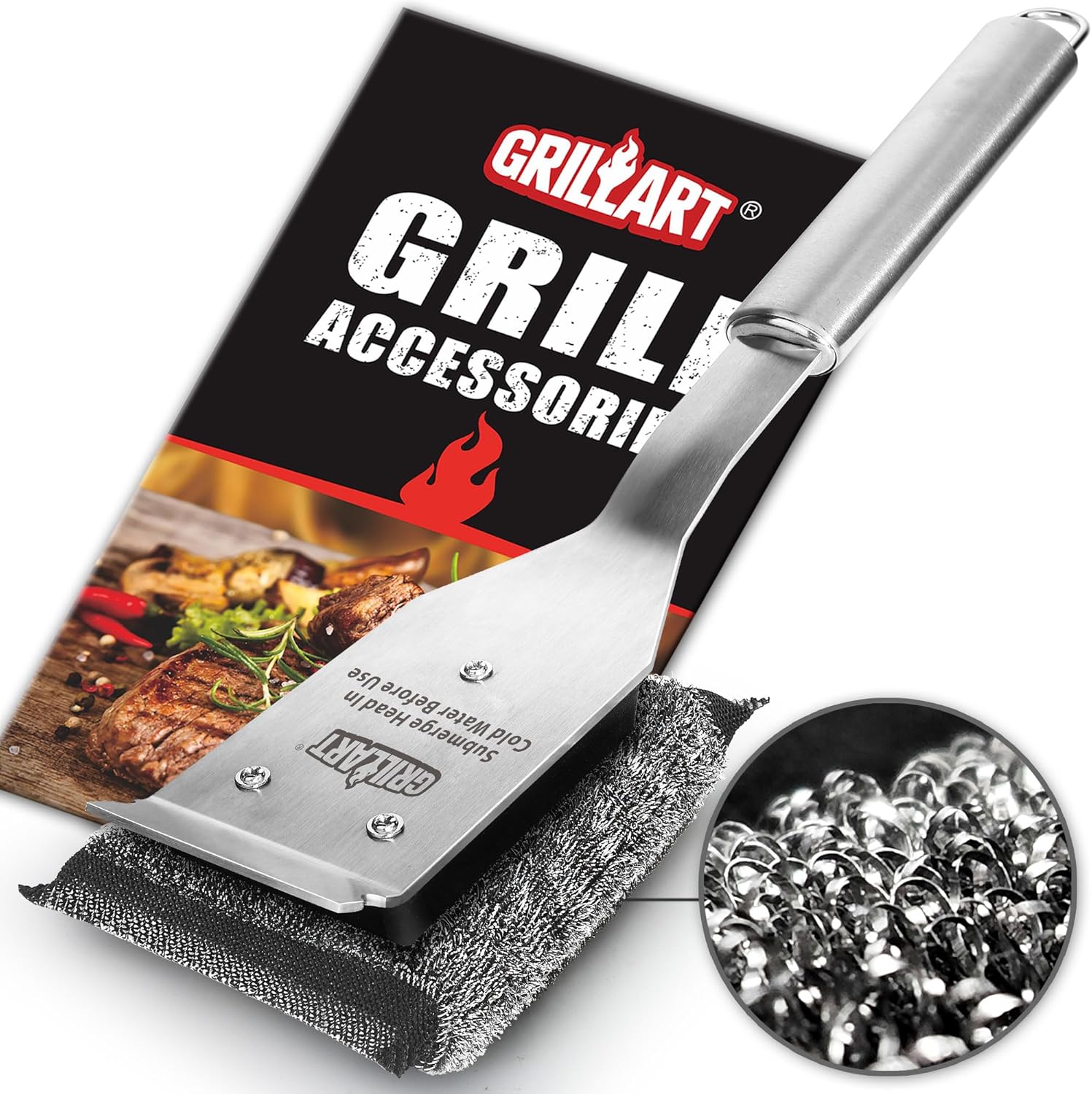
- Bristle-free StelFyber head eliminates the safety hazard that comes with traditional wire brushes
- Full stainless steel handle is genuinely durable and will outlast wood or plastic alternatives
- Replaceable head design makes this a cost-effective long-term buy rather than a throwaway tool
- Universal grate compatibility means it works across virtually every grill type without adaptation
Cons
- The steam-cleaning method requires pre-heating the grill for 15 or more minutes and repeatedly dipping the brush in water, which adds steps compared to a quick dry scrub
- At 4.1 stars across 361 reviews, performance is solid but not exceptional, suggesting the cleaning power may not match premium dedicated steam cleaners
- The StelFyber head is less abrasive than wire, so heavily caked-on grease may need multiple passes or soaking first
If traditional wire grill brushes have always made you uneasy, the GRILLART SteamWizards removes that concern entirely. The StelFyber head is genuinely bristle-free, which means no stray wires, no paranoia about what ended up on your burger, and no compromises on cleaning performance. It hits a real sweet spot between the agressiveness of wire and the gentleness of foam-fabric alternatives.
The all-stainless handle is one of those details you appreciate after the first season. No warping from heat exposure, no cracking in cold storage, and no splintering from repeated use. Paired with the replaceable head system, this feels like a tool you buy once and keep for years, which is increasingly rare in the grill accessory category.
If you want a safe, low-maintenance grill cleaner that works across every grate type without forcing you to replace the whole brush every season, this one delivers.
Styles it works with: Outdoor industrial, rustic backyard, modern patio, utilitarian garage setups
Best placed in: Hung on a grill station pegboard, stored in an outdoor BBQ tool cady, or mounted near the grill on a hook using the built-in hanging ring
May not suit: Indoor kitchen setups where steam cleaning is impractical, or compact balcony grills where the 16.5-inch handle length feels oversized in tight quarters
Buy it if:
- You have switched away from wire brushes for food safety reasons and want a bristle-free option that still cleans effectively
- You want a grill brush that works across multiple grill types without buying separate tools for each
- You are looking for a practical, well-priced gift for a grilling enthusiast that does not feel cheap
Consider waiting if:
- You want to see whether GRILLART releases an updated version of the StelFyber head with stronger abrasion for heavy carbon buildup
Skip it if:
- You need a quick no-prep scrub and do not want to pre-heat the grill or deal with a water-dipping routine before cleaning
- You are dealing with extremely heavy grease deposits that require the cutting power of a dedicated wire or coil brush
Check the latest price and availability on Amazon before it sells out.

Write Your Review
No reviews yet. Be the first to share your experience!