

> Editorial Note: I’m Hannah Lin, an Interior Living Researcher who’s spent 9+ years analyzing the home furniture market. This guide draws on BIFMA, GREENGUARD, and FSC certifications, plus owner reviews aggregated from Wirecutter, Apartment Therapy, and the major home design subreddits.
The most common mistake people make is spraying glass cleaner straight onto a warm fixture while the light is still on. That’s how you get streaks baked into the glass, loosened wiring, and in the worst cases a cracked shade from thermal shock. Clean glass casts noticeably brighter, warmer light, so it’s worth doing right, and the same room-refresh logic applies to your best gallery wall frames, best console table for entryway, best large floor mirror, best wall mirror for living room, and best table lamp for living room. Here’s the method that actually works.
Do You Need to Turn Off the Power First?
Yes, and it’s non-negotiable. Flip the wall switch off, then give the bulbs 10 minutes to cool before you touch anything. A halogen or incandescent bulb runs hot enough to burn skin and to shatter if a cold, damp cloth hits it. LED fixtures like the 800-lumen semi-flush models run cooler, but the wiring behind the canopy doesn’t care what bulb you use.
For hardwired ceiling fixtures, cutting the switch is usually enough for surface cleaning. If you’re removing a glass shade or globe to wash it in the sink, kill the breaker too. Water and live current don’t mix, and a $5 mistake here isn’t worth the risk.
Set up before you start. You’ll want a stable step stool rated for your weight, a soft microfiber cloth, and a second dry cloth for buffing. Lay a towel on the floor beneath the fixture to catch drips and to cushion a shade if it slips out of your hands.
Work methodically. Dust first with a dry microfiber or a soft brush attachment, since dragging a wet cloth across dry grime just smears it into a film. Only then move to your cleaning solution. This two-step order is the single biggest difference between glass that sparkles and glass that looks foggy under the light.
What’s the Best Cleaning Solution for Glass Fixtures?
A homemade mix beats most commercial sprays for light fixtures. Combine 1 cup of warm water, 1 tablespoon of white vinegar, and a single drop of dish soap in a spray bottle. The vinegar cuts through the greasy film that airborne cooking oils leave behind, the soap lifts dust, and the dilution keeps residue from drying into streaks. Apartment Therapy recommends this exact ratio for hard-water spotting, and it’s cheaper than anything you’ll buy.
Never spray the solution directly onto the fixture. Mist it onto your microfiber cloth instead, wipe the glass, then buff dry with the second cloth before it air-dries. Air-drying is what leaves those cloudy marks in the first place.
Skip anything abrasive. Ammonia-heavy cleaners can etch coated glass and eat away at metal finishes over time, and scouring pads leave micro-scratches that trap grime faster next time. For seeded or textured glass shades, a soft toothbrush reaches into the dimples where a flat cloth can’t.
Grease-caked kitchen fixtures need more muscle. Wirecutter’s cleaning testers found that a paste of baking soda and a little water, applied with a cloth and left for two minutes, breaks down stubborn buildup without scratching. Rinse it fully, because leftover residue dulls the finish. No harsh chemicals needed.
How Do You Clean a Fixture Without Taking It Down?
It depends on how the glass attaches. Many semi-flush and vanity fixtures let you unscrew the glass shade or loosen a set screw, wash it in the sink, and reattach it in a couple of minutes. That’s the cleanest result because you can get every surface. When the glass is fixed in place or you’d rather not fuss with hardware, in-place cleaning works fine.
For in-place cleaning, dust the whole fixture first with a dry cloth or a microfiber duster on an extension pole. Then dampen your cloth with the vinegar solution and wipe each glass surface, top and bottom. Support the glass with one hand while you wipe with the other so you’re not putting torque on the mounting.
Reach the inside where you can. Grime and dead bugs collect on the interior of globe and semi-flush shades, and that trapped debris is what dims the output most. A cloth wrapped around a wooden spoon or a soft bottle brush gets into globe openings without forcing the glass.
Metal and finish matter too. Wipe painted or plated frames with a barely damp cloth, then dry immediately, since standing moisture spots brass and can lift painted coatings. A 3-light bathroom bar with a black finish shows water spots fast, so buffing dry is what keeps it looking new.
How Often Should You Clean Glass Light Fixtures?
It depends on the room and the light output you want. As a baseline, a quick dust every 4 to 6 weeks and a full wet clean twice a year keeps most fixtures clear. Rooms that generate airborne particles need more attention than the ones that don’t.
Kitchen fixtures earn the most grime. Cooking oils aerosolize and settle on nearby glass, building a sticky film that dulls light within a month or two. Plan a full clean every 8 to 12 weeks there. Bathroom vanity fixtures collect hairspray and humidity residue, so a monthly wipe keeps the glass and the mirror behind it looking sharp.
Bedrooms, hallways, and living rooms are lower-traffic for grime. A seasonal clean, four times a year, is plenty in those spaces. If you notice the room feels dimmer than it used to, that’s your cue. Dust alone can cut a fixture’s usable brightness by a surprising margin before you consciously register it.
Build it into an existing routine. Clean the fixture the same day you change a bulb or dust the ceiling fan, since you’ve already got the step stool out. Fifteen minutes, twice a year, protects both the light quality and the fixture’s lifespan.
Helpful Picks
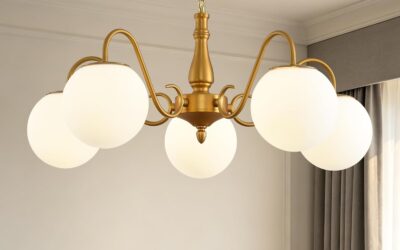
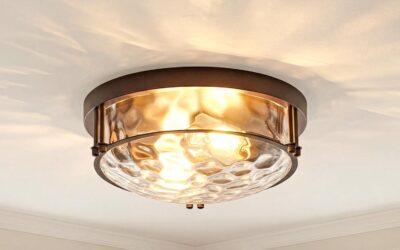
If your current fixture is beyond a good cleaning or you’re refreshing a room, these three glass options span a semi-flush ceiling light, a modern globe, and a vanity bar, all rated 4.7 stars by owners for finish quality and easy-to-clean glass.


Frequently Asked Questions
Can I use Windex on a glass light fixture?
Yes, but apply it to the cloth, not the fixture. Ammonia-based sprays like Windex clean glass well, though spraying directly risks running liquid into the socket and wiring. Mist the cloth, wipe, and buff dry. For coated or antique glass, the vinegar mix is gentler.
Do I have to remove the glass shade to clean it properly?
No, though removing it gets the best result. In-place wiping handles routine dust and light film just fine. Pull the shade only when there’s heavy interior buildup or trapped insects that a cloth can’t reach through the opening.
Why does my glass fixture still look cloudy after cleaning?
Almost always it’s residue from air-drying or hard water. You wiped it clean but let it dry on its own, leaving a mineral or soap film. Re-wipe with the vinegar solution, then buff dry immediately with a separate cloth before any droplets set.
Is it safe to clean a light fixture while it’s on?
No. Turn off the switch and let bulbs cool for 10 minutes first. A hot bulb can burn you or crack if a damp cloth touches it, and moisture near live wiring is a shock hazard. Cut the breaker if you’re removing glass.
How do I clean grease off a kitchen light fixture?
It depends on the buildup. For a light film, the vinegar-and-dish-soap mix works. For caked grease, spread a baking soda paste, wait two minutes, wipe, and rinse fully. Both avoid the scratches that abrasive pads leave behind.
Can I put a glass shade in the dishwasher?
No, don’t risk it. Dishwasher heat and high-pressure jets can crack thin decorative glass or strip painted detailing. Hand-wash shades in warm soapy water, rinse, and dry with a soft towel. It takes five minutes and won’t ruin the piece.
How often should I clean fixtures in a low-traffic room?
It depends on dust levels, but four times a year suits most bedrooms and hallways. Kitchens and bathrooms need more frequent attention because of grease and humidity. If the light looks dimmer than usual, clean it sooner regardless of the calendar.




Write Your Review
No reviews yet. Be the first to share your experience!