

> Editorial Note: I’m Hannah Lin, an Interior Living Researcher who’s spent 9+ years analyzing the home furniture market. This guide draws on BIFMA, GREENGUARD, and FSC certifications, plus owner reviews aggregated from Wirecutter, Apartment Therapy, and the major home design subreddits.
The most common mistake is soaking the whole blind in water before you know what it’s made of. Aluminum and faux-wood slats can take a damp wipe, but real wood warps and swells the moment it gets saturated, and that damage doesn’t reverse. Before you touch a drop of water, match your cleaning method to the slat material and you’ll save yourself a ruined set of blinds. If dusty slats are dragging down a room, they’re usually competing with a few other tired pieces too, so it’s worth a look at your best gallery wall frames, best console table for entryway, best large floor mirror, best wall mirror for living room, and best table lamp for living room while you’re refreshing the space.
What’s the fastest way to dust venetian blinds?
Close the slats so they overlap in one direction, then run a duster or microfiber cloth across the whole face in long horizontal strokes. Flip the wand to rotate the slats the other way and repeat on the reverse side. This two-pass method catches both angled surfaces in about 3 minutes for a standard 35-inch-wide window, versus the 15 minutes it takes to wipe each slat individually.
For weekly upkeep, a dry microfiber cloth or a slotted blind duster does the job without any liquid at all. Microfiber grabs dust through static rather than pushing it around, so you’re not just relocating the grime to the sill. A vacuum with a soft brush attachment on the lowest suction setting works too, especially for blinds above 60 inches where reaching every slat by hand is awkward.
Go top to bottom. Dust falls, so starting at the top slat means you’re not re-dirtying rows you already cleaned. Fast. If you dust once a week, you’ll almost never need a deep clean, and the slats stay tilt-smooth because grit isn’t grinding into the cord mechanism. That routine is the single biggest thing separating blinds that last a decade from ones that yellow and stick within two years.
How do you deep clean greasy or sticky slats?
Kitchen and bathroom blinds collect a film that dry dusting can’t touch, so those need a wet method every few months. Mix a few drops of dish soap into warm water, dampen a microfiber cloth until it’s barely wet, and wipe each slat front and back. Wring the cloth hard first. A dripping cloth pushes water into the head rail where it corrodes the tilt mechanism.
For aluminum and faux-wood slats only, you can take heavily soiled blinds down and lay them in a bathtub with a couple inches of warm soapy water. Let them sit 10 minutes, wipe with a soft cloth, rinse, and dry completely before rehanging. Never do this with real wood or fabric-taped blinds, since the water swells the wood and stains the cotton ladder tapes.
A 50/50 mix of white vinegar and water cuts grease without leaving residue, and it’s safe on painted aluminum. Dip an old sock over your hand, pinch each slat, and slide. You clean both sides in one motion. Owner reviews aggregated on Apartment Therapy consistently rank the sock trick as the fastest hands-on method, and it costs nothing.
How do you clean venetian blinds without taking them down?
Leave them hanging and work in place with a two-finger pinch technique. Slip a microfiber sock or a slotted blind tool over each slat, close your fingers, and pull outward from the cord to the edge. Both faces get cleaned in a single pass, which cuts the job roughly in half compared to wiping one side at a time.
Support the slat from underneath with your other hand as you pull. Venetian slats flex, and yanking a cloth across an unsupported slat bends the metal or cracks faux-wood over time. Steady pressure keeps them level. For the cords and ladder tapes, a dry toothbrush lifts dust from the woven texture without fraying the threads.
Spot-treat instead of drenching. If one section has a fingerprint or a splash, hit just that spot with a barely damp cloth rather than wetting the whole blind. This keeps the head rail dry and protects the tilt gears. Wirecutter’s home-care coverage notes that in-place cleaning every 4 to 6 weeks prevents the baked-on buildup that forces a full takedown, so a little frequency beats one big annual scrub.
What should you never do to venetian blinds?
Don’t use abrasive scrubbers, bleach, or ammonia on painted or faux-wood slats. These strip the finish and leave chalky streaks that catch dust faster afterward, so you end up cleaning more often. Skip the magic-eraser sponges too. Their micro-abrasive surface dulls glossy aluminum within a few passes.
Never soak real wood blinds or any blind with fabric ladder tapes. Wood absorbs water, swells, and cups permanently, and the cotton tapes shrink and discolor. A slightly damp cloth is the absolute wet limit for wood, followed immediately by a dry wipe. If your blinds carry a GREENGUARD or FSC label, that certification covers the material and finish, not water resistance, so treat certified wood with the same caution.
Don’t ignore the cords and the head rail. Grit that migrates into the tilt mechanism is the number-one cause of stuck or uneven slats, and no amount of face-wiping fixes a gummed-up gear. A quick monthly brush of the top rail keeps it turning. And don’t power through with a soaking cloth to save time, because the water damage costs far more than the minutes it saves.
Helpful Picks
These three tools all scored 4.0 or higher on owner ratings and share the pinch-and-pull design that cleans both slat faces in one pass. Pick a washable multi-finger duster if you want to skip liquid entirely, or a microfiber-sleeve model for greasy kitchen blinds.
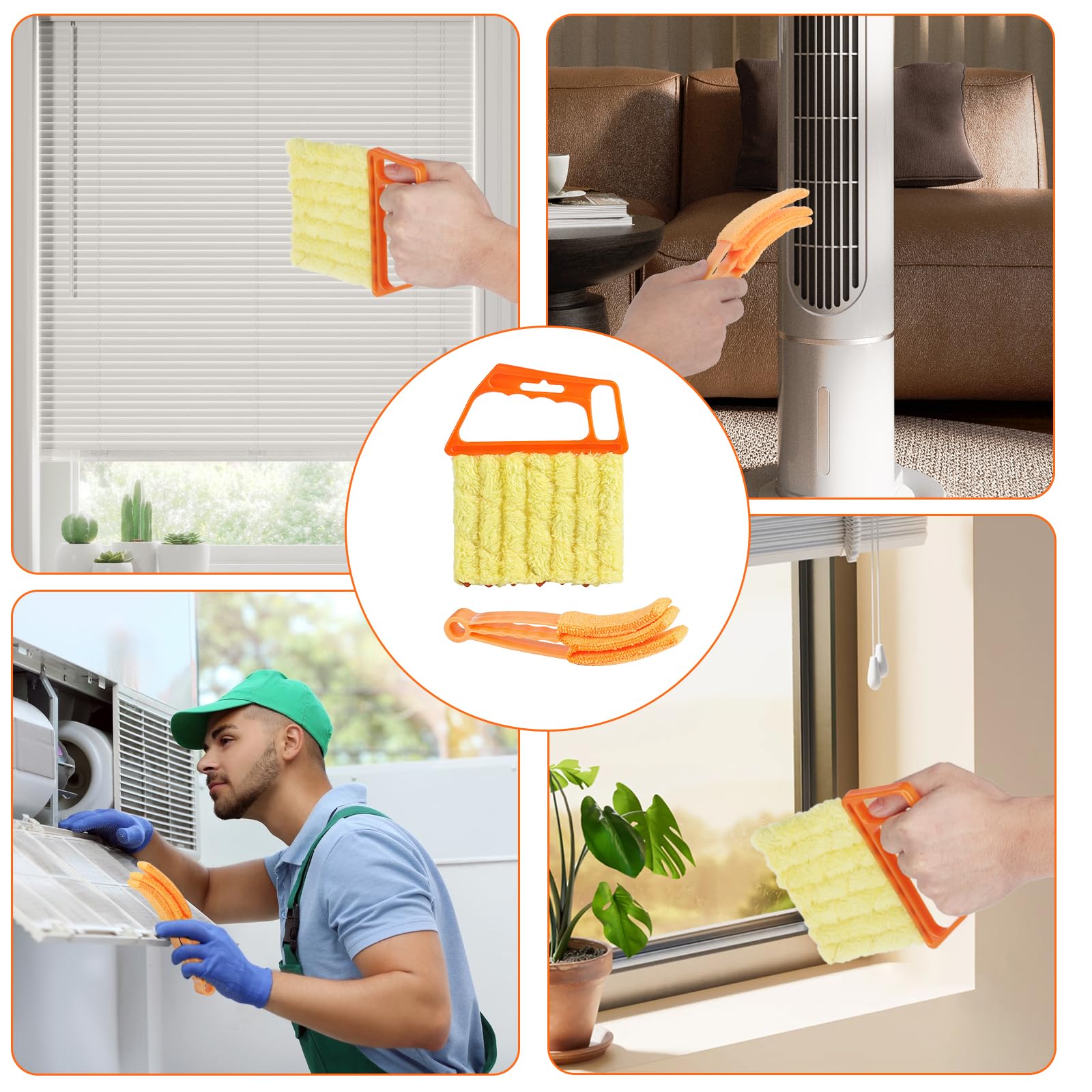

MUZHUPGUZ 4-Pack Venetian Blind Cleaner Duster with 7 Finger Microfiber Brush + Washable Covers
Pros
- Genuinely saves time compared to wiping each slat individually
- Microfiber material picks up dust effectively without shedding fibers
- Washable and reusable design eliminates ongoing replacement costs
- Lightweight and compact enough to store in a drawer or cleaning caddy
- Four units included at under $9 is strong value
Cons
- May struggle with heavy grime or sticky buildup that requires wet cleaning
- Fit can be tight on thicker wood blinds or extra-wide slats
- Durability of the finger prongs over many months of use is uncertain based on reviews
Cleaning blinds is one of those chores everyone puts off because it takes forever going slat by slat. This little tool changes that equation entirely. Slide the7-finger design between your blinds and you clean 6 slats in a single pass. The microfiber sleves grab dust instead of scattering it, and when they get dirty, you just pop them off and toss them in warm soapy water.
At under $9 for four dusters plus four extra covers, this is the kind of low-commitment purchase that earns a permanent spot in your cleaning cady. The grip feels natural, the tool is light enough to use overhead without arm fatigue, and the whole process goes from dreaded chore to two-minute task.
If you want consistently clean blinds without the tedium of wiping each slat by hand, this one delivers.
Styles it works with: Any home with slatted window coverings, including Modern Farmhouse, Traditional, Contemporary, and Minimalist interiors
Best placed in: Utility closet, laundry room shelf, kitchen cleaning drawer, or hung on a hook near the windows you clean most often
May not suit: Homes with only fabric curtains, roller shades, or extra-thick plantation shutters wider than standard slat spacing
Buy it if:
- You have multiple rooms with venetian or mini blinds and dread dusting day
- You want a reusable tool that replaces disposable dusting wipes
- You need something that also works on air vents, ceiling fan edges, or car dashboard slats
Consider waiting if:
- Your blinds have heavy grease or kitchen residue that needs a spray cleaner first
Skip it if:
- You only have fabric drapes or cellular shades with no slats to fit between
- You need a deep-cleaning solution for blinds that have not been dusted in years
Check the latest price and availability on Amazon before it sells out.

SetSail Blind Duster with 5 Microfiber Sleeves -3-Prong Window Blind Cleaner for Blinds, Ceiling Fans & Air Vents
Pros
- Cleans top and bottom of blind slats simultaneously
- Includes 5 replacement microfiber sleeves out of the box
- Sleves remove easily for washing and reuse
- Versatile enough for ceiling fans, vents, and narrow gaps
- Extremely affordable at under $7
Cons
- Polyethylene handle feels lightweight and may flex under pressure on thicker blinds
- 3-prong width may not fit extra-wide vertical blind slats without repositioning
- Microfiber sleeves can slip off if not secured tightly during vigorous cleaning
Keeping blinds dust-free is one of those chores nobody enjoys, and this little tool makes it genuinely painless. The 3-prong design grips each slat and wipes both sides at once, so you can run through an entire window in under a minute. It feels like a shortcut that actually works.
What sets this apart from a basic microfiber cloth is the bundled five sleeves. You can swap a fresh one for each room or toss dirty ones in the wash without halting your cleaning flow. For under $7, you get a reusable system rather than a single-use gimmick.
If you want spotless blinds without the tedious slat-by-slat wiping routine, this one delivers.
Styles it works with: Modern Minimalist, Traditional, Coastal, Scandinavian
Best placed in: Cleaning closet, laundry room hook, under the kitchen sink with other quick-reach tools
May not suit: Homes with only vertical fabric blinds wider than 3 inches, or households neding a heavy-duty duster for very high cathedral-ceiling fans beyond arm's reach
Buy it if:
- You have multiple rooms with horizontal blinds and want a faster weekly dust routine
- You prefer washable, reusable cleaning tools over disposable dusting sheets
- You need one affordable tool that also handles ceiling fan blades and AC vents
Consider waiting if:
- You want an extendable handle version for high, hard-to-reach ceiling fans
Skip it if:
- You only have curtains or fabric shades with no slated blinds in your home
- You need a heavy-duty option for commercial or extra-wide industrial blinds
Check the latest price and availability on Amazon before it sells out.

EVEPRUS 4-Piece Venetian Blind Cleaner Duster Set - 7 Finger Microfiber Brush for Blinds, Vents & Fans
Pros
- Cleans multiple slats at once, cutting blind-dusting time significantly
- Microfiber cloths are removable and machine-washable for long-term reuse
- Versatile set handles blinds, vents, fans, and tight gaps with two tool types
- Very affordable at under $10 for a full4-piece set
- No need for cleaning sprays or chemicals
Cons
- Finger spacing may not fit all blind slat widths, especially mini blinds with narrow gaps
- Microfiber sleves can wear thin after repeated washing cycles
- Plastic handle feels lightweight and may flex under pressure on stuborn grime
If you have venetian blinds in your home, you already know the dread of dusting day. This little4-piece kit from EVEPRUS takes the tedium out of the job by letting you clean six slats in a single pass. The microfiber fingers grip dust without sprays, and the compact vent brushes handle all those forgotten corners behind radiators and AC units.
What makes this set practical for everyday living is how low-maintenance it is. When the rolers get dirty, you twist them to reveal fresh microfiber, and when they are fully soiled, you just pull them off and toss them in warm soapy water. No refill packs to buy, no complicated assembly.
If you want a faster way to keep blinds and vents dust-free without spending on chemical cleaners or disposable wipes, this one delivers.
Styles it works with: Any home with horizontal or vertical blinds, slatted shuters, or louvered doors. Works across Modern, Traditional, Minimalist, and Farmhouse interiors.
Best placed in: Utility closet, under the kitchen sink, or hung on a cleaning cady near your most-used blinds in the living room, bedroom, or office.
May not suit: Homes with only curtains or roller shades that have no slats to clean. Also less effective on ultra-narrow micro blinds where the fingers cannot fit between slats.
Buy it if:
- You have multiple rooms with venetian or horizontal blinds and want to cut dusting time in half
- You prefer chemical-free cleaning with reusable, washable tools
- You need a compact tool for hard-to-reach vents, fan blades, or keyboard gaps
Consider waiting if:
- You want a motorized or extendable option for high, hard-to-reach blinds
Skip it if:
- Your home only has curtains, roller shades, or cellular blinds with no open slats
- You need a heavy-duty tool for caked-on grease rather than everyday dust
Check the latest price and availability on Amazon before it sells out.
Frequently Asked Questions
Can you machine wash the fabric sleeves on blind dusters?
Yes. Most microfiber and finger-duster sleeves are washable and reusable. Toss them in a mesh laundry bag on a cold cycle, skip the fabric softener since it coats the fibers and kills the static grab, and air dry. Machine drying on high heat melts some microfiber blends, so let them hang instead.
How often should you clean venetian blinds?
It depends on the room. Dust weekly in living areas, and deep clean every 2 to 3 months in kitchens and bathrooms where grease builds up. Bedrooms and offices can stretch to a full wet clean twice a year. Frequent light dusting beats rare deep scrubbing every time.

Is vinegar safe on aluminum blinds?
Yes. A 50/50 white vinegar and water mix is safe on painted aluminum and cuts grease without residue. Don’t use it undiluted, and avoid it on real wood since the acidity can lift certain finishes. Always dry the slats afterward so no film sets in.
Can you use a steam cleaner on venetian blinds?
No, not on wood or fabric-taped blinds. Steam forces moisture into the slats and head rail, warping wood and corroding the tilt mechanism. Aluminum and faux-wood can tolerate a light steam pass, but a damp microfiber cloth is safer and gives you more control over how much moisture hits each slat.
Why do my blinds get dusty so fast after cleaning?
It depends on your method. If you used an abrasive cleaner or a dry cloth that scratched the finish, the rougher surface traps dust faster. Static also pulls dust back within days. A microfiber wipe or an anti-static spray finish leaves the slats smoother, so they stay clean noticeably longer.
Should you take blinds down to clean them?
It depends on the material and the mess. For a light dusting or a quick greasy wipe, leave them hanging and use the pinch method. For heavily soiled aluminum or faux-wood, taking them down for a tub soak works, but never for real wood or fabric-taped blinds.
Can dirty blinds actually damage the tilt mechanism?
Yes. Grit that works into the head rail grinds the tilt gears and cords, causing slats to stick, drop unevenly, or refuse to close flat. A monthly brush of the top rail clears the debris before it does harm. This buildup, not the slats themselves, is what usually ends a blind’s life early.






Write Your Review
No reviews yet. Be the first to share your experience!