

> Editorial Note: I’m Hannah Lin, an Interior Living Researcher who’s spent 9+ years analyzing the home furniture market. This guide draws on BIFMA, GREENGUARD, and FSC certifications, plus owner reviews aggregated from Wirecutter, Apartment Therapy, and the major home design subreddits.
The biggest mistake people make is soaking a rubber-backed entryway rug in the wash, which cracks the backing within a few cycles and kills the non-slip grip. Match your cleaning method to the fiber and the backing, not to whatever’s fastest. While you’re refreshing the entry, it’s a good moment to look at your best gallery wall frames, best console table for entryway, best large floor mirror, best wall mirror for living room, and best table lamp for living room too.
Can You Just Throw It in the Washing Machine?
It depends entirely on the label and the backing. Most polyester or nylon dirt-trapper mats under 32″ x 48″ are machine washable, and that’s usually printed right on the tag. Wash cold on a gentle cycle, skip fabric softener, and either air-dry flat or tumble on low. Heat is the enemy here. Anything above 105°F starts breaking down TPR (thermoplastic rubber) and PVC backings, which is why the grip fails after a hot dry cycle.
Natural-fiber rugs are a different story. Jute, sisal, and wool entryway rugs should never go in the machine. The agitation frays jute and sisal, and wool felts and shrinks in water. Coir (coconut fiber) doormats will disintegrate. For those, spot-clean only.
Check the load size against your machine drum. A 20″ x 32″ mat fits a standard 4.5 cubic foot washer with room to tumble; a 32″ x 48″ mat needs a front-loader or a trip to the laundromat’s large-capacity machine. Cramming a big mat into a top-loader with a center agitator twists the fibers and shreds the edge binding. When in doubt, hand-rinse in a tub instead.
A rug that is the wrong size for the door gets dirty faster, because traffic misses it and tracks past. Entryway rug sizing covers matching the rug to the door swing and the walkway.
What’s the Best Way to Deep-Clean Without a Machine?
Start dry, always. Shake or beat the rug outside to knock loose the grit, because up to 80% of what’s in an entryway rug is dry soil tracked in on shoes. Then vacuum both sides. The underside traps fine dust that grinds fibers down over time.
Next, mix a cleaning solution: one teaspoon of clear dish soap per two cups of warm water. Skip anything with bleach or ammonia on colored or natural fibers. Check a hidden corner first, wait five minutes, and check for color bleed. Blot a small area, don’t scrub in circles, since circular scrubbing distorts the pile and pushes dirt deeper.
Work in sections. Apply the solution with a soft brush or microfiber cloth, let it dwell for about 10 minutes, then blot with a clean damp cloth to lift the loosened soil. Rinse by blotting with plain water until no suds come up. Suds left in the fibers act like a magnet for new dirt, which is why over-shampooed rugs get dirty faster.
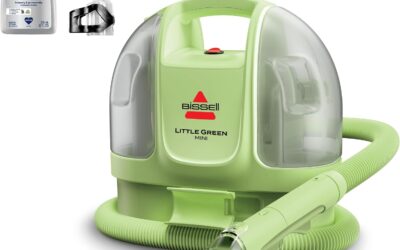
For a full deep-clean, a rented carpet extractor or a wet/dry vac pulls water back out far better than towels. Drying matters. A rug that stays damp longer than 24 hours grows mildew, and that smell rarely comes out.
How Do You Get Out Set-In Stains and Odors?
Match the treatment to the stain. Mud and dirt: let it dry completely first, then vacuum the crumbled soil before it becomes a smear. Wet mud spread with a rag is a classic way to make a small stain into a big one.
Grease and oil stains respond to a sprinkle of cornstarch or baking soda left on for 15 minutes to absorb the oil, followed by the dish-soap solution above. For pet accidents and lingering odors, an enzyme-based cleaner breaks down the proteins that regular soap leaves behind. Plain vinegar masks the smell for a day; enzymes actually remove the source.
Salt and winter de-icer stains show up as white crusty rings on the mat by late winter. A 50/50 white vinegar and water mix dissolves the salt residue. Blot, rinse, and repeat if the ring reappears as it dries.
For general odor between cleanings, baking soda is the cheap fix. Sprinkle it across a dry rug, let it sit overnight, then vacuum it up in the morning. OEKO-TEX certified rugs are worth choosing here since the STANDARD 100 label means the dyes and finishes are screened for harmful chemicals, so you’re not scrubbing formaldehyde-based coatings into the air by your front door.
How Often Should You Clean It, and What Makes It Last?
Shake and vacuum weekly. Spot-clean as spills happen. Deep-clean every 4 to 6 weeks in a busy household, or seasonally in a low-traffic entry. High-humidity climates and homes with pets should lean toward the shorter interval.
Rotation is the trick most people skip. Turning the rug 180 degrees every month evens out the wear pattern so one edge doesn’t flatten while the rest looks new. A rug with a Wyzenbeek abrasion rating of 15,000 double rubs or higher counts as heavy-duty and holds its pile through daily foot traffic; anything under 9,000 is really a decorative piece, not an entry workhorse.
Protect the backing. Non-slip TPR and rubber grip best on hard floors, but they degrade in direct sun and heat, so keep the mat out of a hot south-facing doorway if you can. Rinse the rubber underside occasionally too, since trapped grit scratches wood and tile.
Two mats beat one. A coarse scraper mat outside plus an absorbent washable mat inside catches grit before it reaches your floors and roughly doubles the life of your indoor rug. GREENGUARD-certified flooring and low-VOC finishes pair well with a clean entry system, keeping tracked-in particulates down.
Helpful Picks
These three all clear a 4.4 owner rating and use a dirt-trapping or waterproof construction built for real foot traffic. Start with the smaller washable mat for a single door, size up for a wide entry, or pick the rubber weather mat if your doorway takes rain and snow.

Pros
- Effectively scrapes dirt and absorbs moisture in wet conditions
- Stays flat and does not slide on smooth indoor floors
- Easy to clean via vacuum, hose, or machine wash
- Low profile clears most standard door gaps without sticking
- Durable construction with reinforced edges resists fraying
Cons
- Arrives folded with visible creases that take several days to flatten
- Non-slip backing works on dry floors only and may shift on wet surfaces
- Limited to a single20x32 size, which may be too small for wide entryways
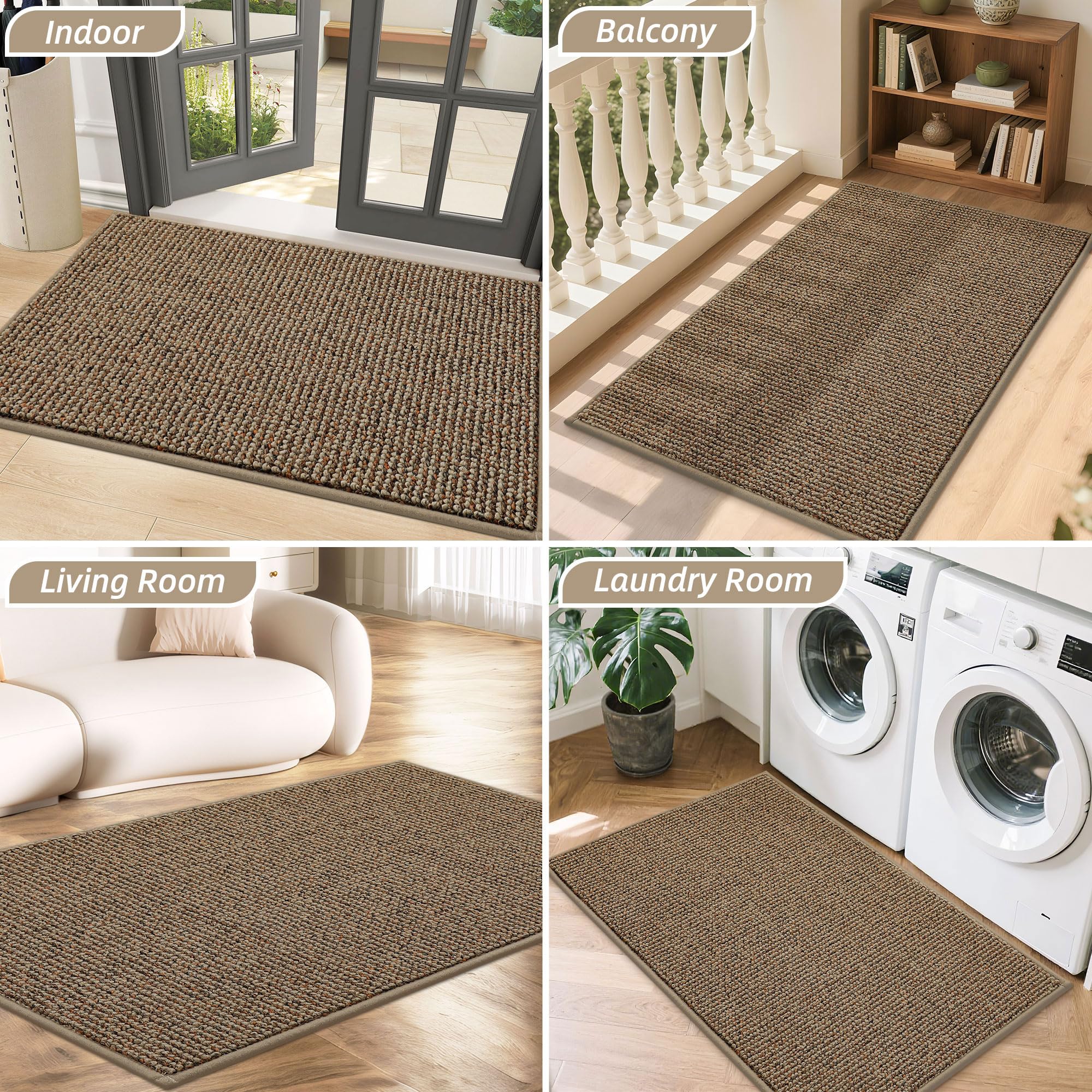
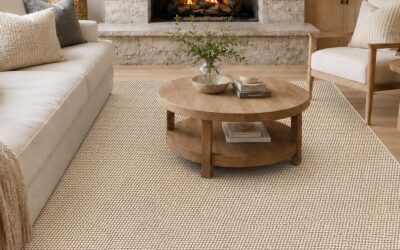
This BEQHAUSE doormat solves the most common entryway frustration: dirt and moisture tracked inside on shoes. The dense polypropylene yarns do a surprisingly thorough job of scraping debris and soaking up water before it reaches your floors. It feels purposeful without looking industrial, thanks to the woven multi-tone beige finish that reads as intentional decor rather than an afterthought.
In a real entryway, it lies completely flat at just 0.4 inches thick. You will not trip over a raised edge or fight your front door every time you open it. The TPR backing grips tile and hardwood reliably, so it stays exactly where you place it. When it gets dirty, toss it in the washing machine and let it air dry. No fuss.
If you want a mat that genuinely keeps your floors clean without sacrificing a tidy entryway aesthetic or jaming your door, this one delivers.
Styles it works with: Modern Farmhouse, Minimalist, Transitional, Scandinavian
Best placed in: Front door entryway, back door landing, mudroom threshold, inside garage entry door
May not suit: Wide double-door entryways where a single20x32 mat looks undersized, or homes with frequently wet floors where the non-slip backing may lose grip
Buy it if:
- You need a doormat that actually traps dirt and moisture instead of just looking decorative
- Your front door has a tight clearance and standard mats get stuck underneath
- You want something you can machine wash regularly without worrying about it falling apart
Consider waiting if:
- You need a larger size to cover a wide entryway or double doors
- You prefer a bold pattern or color that makes more of a design statement
Skip it if:
- You plan to use it outdoors on an uncovered porch exposed to standing water
- Your entryway floor is frequently wet, as the non-slip backing requires a dry surface to grip properly
Check the latest price and availability on Amazon before it sells out.

BEQHAUSE Dirt Trapper Door Mat 32x48 - Washable Non-Slip Entryway Mat, Absorbent Low Profile Indoor Doormat
Pros
- Large enough to cover a full entryway at 32x48 inches
- Genuinely low profile at0.4 inches, confirmed by reviewers to clear most doors
- Machine washable and hose-friendly for hassle-free maintenance
- Dense polypropylene fibers trap dirt and absorb moisture effectively
- Neutral beige color blends with most entryway decor
Cons
- Ships folded, so creases are visible for the first few days of use
- Non-slip backing requires a clean, dry floor to grip properly
- Colors may differ slightly from product images depending on your lighting
This BEQHAUSE mat solves a real problem: keeping your entryway looking presentable when life tracks in mud, rain, and everything else. The dense polypropylene fibers actually grab dirt and moisture instead of just pushing it around, and the neutral woven texture looks intentional rather than purely functional.
What stands out is the low-profile design. At just 0.4 inches thick, it sits flat enough that doors glide right over it. No bunching, no jaming, no repositioning every time someone walks in. The non-slip backing means it stays put on tile, hardwood, or laminate without neding rug tape.
If you want a mat that genuinely traps dirt and cleans up easily without looking like a commercial floor covering, this one delivers.
Styles it works with: Modern Farmhouse, Transitional, Scandinavian, Minimalist
Best placed in: Front door entryway, back door mudroom area, garage-to-house transition doorway
May not suit: Very narrow entryways where a 32x48 mat overwhelms the floor space, or homes with primarily outdoor entryways exposed to standing water
Buy it if:
- You have a high-traffic front or back door that gets muddy, wet, or dusty regularly
- Your current mat catches under the door or slides around on hard floors
- You want something you can toss in the washing machine instead of replacing every season
Consider waiting if:
- You need a specific color other than beige to match existing decor
Skip it if:
- You need an outdoor-only mat rated for direct rain and sun exposure
- Your entryway floor is frequently wet, as the TPR backing needs dry surfaces to grip
Check the latest price and availability on Amazon before it sells out.

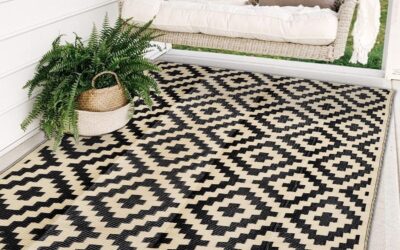
Gorilla Grip WeatherMAX Waterproof Doormat 29x17 - Fade Resistant Natural Rubber Indoor Outdoor Mat, Gray Diamond
Pros
- Withstands all weather conditions without warping, fading, or deteriorating
- Deep grooves and rubber retention dam effectively contain water and debris
- Easy to clean with multiple methods including hosing off outdoors
- Natural rubber backing offers superior grip and tear resistance
- Affordable price point for a durable, well-reviewed doormat
Cons
- At29x17 inches, it may feel undersized for wide double-door entryways
- Gray diamond pattern is functional but limited in decorative appeal
- At 0.3 inches thick, it offers minimal cushioning for standing
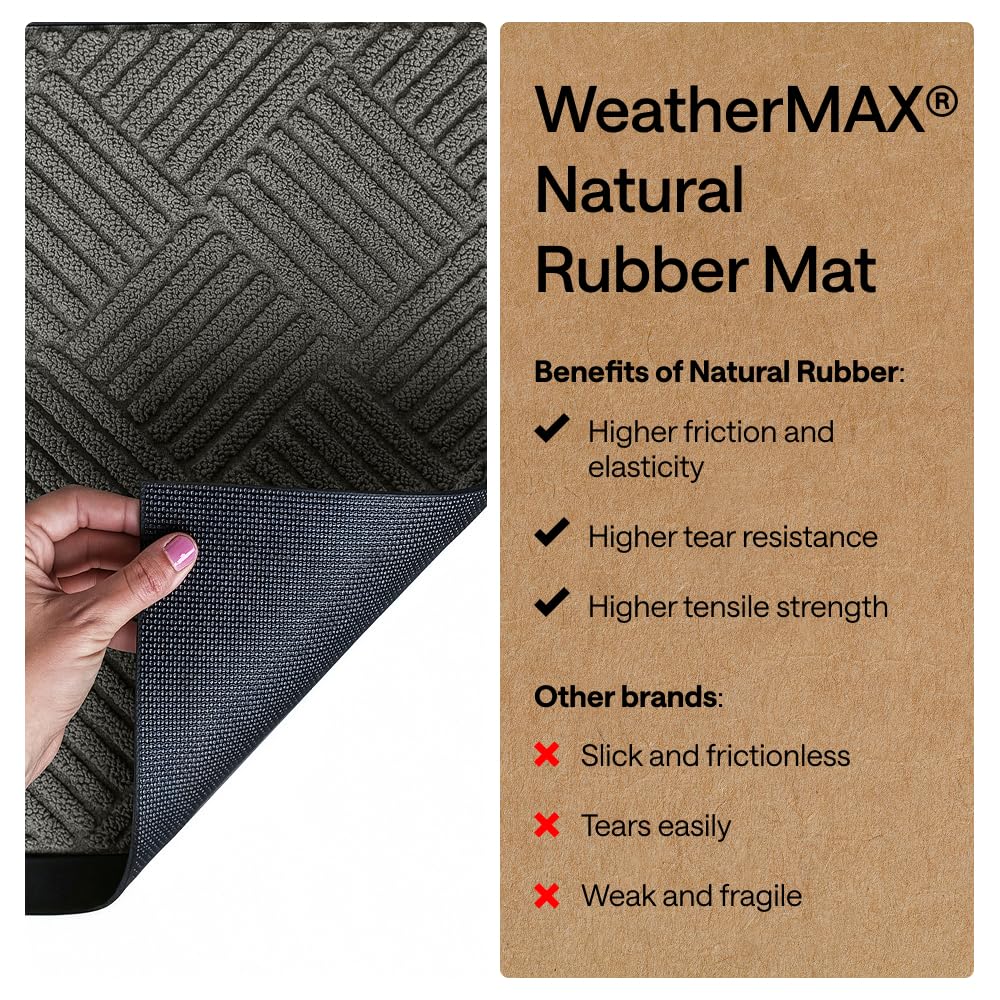
This is the doormat you buy when you're tired of replacing flimsy mats every few months. The Gorilla Grip WeatherMAX combines a soft, woven topside with a seriously durable natural rubber base that holds up through rain, snow, mud, and daily foot traffic without looking worn out.
In a real entryway, the gray diamond pattern reads clean and neutral. It sits flat against the floor, doors glide over it without issue, and the deep grooves actually do their job catching dirt and water before it spreads inside. It looks intentional rather than like an afterthought at the door.
If you want a doormat that handles every season without constant replacement or fussy maintenance, this one delivers.
Styles it works with: Modern Farmhouse, Transitional, Minimalist, Contemporary
Best placed in: Front door entryway, back door mudroom entry, garage-to-house doorway
May not suit: Wide double-door entries where the 29x17 size looks too small, or homes with bold eclectic decor where a patterned or colorful statement mat is preferred
Buy it if:
- You need a mat that handles rain, mud, and snow without falling apart after one season
- You have pets or kids constantly tracking dirt through the front door
- You want something low-maintenance that can be hosed off and air dried in minutes
Consider waiting if:
- You want a larger size for a double-door entry or wide porch area
Skip it if:
- You need a thick, cushioned mat for standing comfort rather than dirt trapping
- You want a decorative statement piece with bold colors or intricate patterns
Check the latest price and availability on Amazon before it sells out.
Frequently Asked Questions
Can you machine wash a rubber-backed doormat?
Yes, if the label says so, and only on cold and gentle. The washable BEQHAUSE dirt-trapper mats are built for it. Skip hot water and high-heat drying, since heat above 105°F is what cracks TPR and rubber backing and kills the non-slip grip.
How do you clean an entryway rug without removing it?
It depends on the mess. For dry dirt, vacuum both directions and spot-treat with a dish-soap solution and a damp cloth. For a deeper refresh in place, a handheld carpet extractor lifts the water back out so the rug isn’t left soaking on your floor for a day.
Will vinegar damage my entry rug?
No, diluted white vinegar is safe on most synthetic and wool fibers and it’s the best fix for winter salt rings. Cut it 50/50 with water. Avoid full-strength vinegar on natural jute or sisal, and always spot-check a hidden corner first.
How do I get the musty smell out?
It depends on the cause. If it’s from staying damp, dry it fully in sun or airflow and the smell usually lifts. For pet or lingering odors, sprinkle baking soda overnight and vacuum, or use an enzyme cleaner that breaks down the odor source instead of masking it.
Can jute and sisal entryway rugs get wet?
No, keep water to a minimum. Natural plant fibers absorb moisture, brown at the edges, and can grow mildew or warp. Vacuum and dry-brush these, blot spills right away, and use as little liquid as possible when you spot-clean.
How often should an entryway rug be replaced?
It depends on the fibers and traffic. A heavy-duty synthetic mat rated 15,000+ Wyzenbeek double rubs lasts 3 to 5 years with rotation and regular cleaning. Coir and thin decorative mats wear out in a season or two. Replace once the backing cracks or the pile stops springing back.
Is a washable rug better than a rubber weather mat?
It depends on the doorway. Washable dirt-trapper mats like the BEQHAUSE picks work best just inside the door where they catch grit and fine dust. A waterproof natural-rubber mat like the Gorilla Grip is the smarter outdoor scraper for rain, snow, and muddy boots.

Write Your Review
No reviews yet. Be the first to share your experience!