

> Editorial Note: I’m Hannah Lin, an Interior Living Researcher who’s spent 9+ years analyzing the home furniture market. This guide draws on BIFMA, GREENGUARD, and FSC certifications, plus owner reviews aggregated from Wirecutter, Apartment Therapy, and the major home design subreddits.
Most people reach for a scrub sponge and a bucket of soapy water the second they spot a scuff. That’s the mistake. The wrong cleaner or too much pressure can lift the paint’s sheen and leave a dull halo that looks worse than the stain you started with. Get the method right and your walls stay clean without the patchy shine, so the room reads finished behind your best gallery wall frames, best console table for entryway, best large floor mirror, best wall mirror for living room, and best table lamp for living room.
First, Which Paint Finish Are You Cleaning?
Finish decides everything. Flat and matte paints hide roller marks and wall flaws beautifully, but they’re porous and delicate. Rub too hard and you’ll burnish a shiny spot into the dead-flat surface. These finishes want the gentlest touch: a barely damp microfiber cloth and almost no soap.
Eggshell and satin sit in the middle. They have a slight sheen, take a little more scrubbing, and shrug off light stains. This is why designers and outlets like Apartment Therapy keep recommending eggshell for living rooms and hallways. It’s washable enough for real life.
Semi-gloss and gloss are the workhorses. You’ll usually find them on trim, doors, kitchens, and bathrooms because the tight, non-porous surface takes repeated cleaning. These handle a soft scrub sponge and a mild degreaser without complaint.
Not sure what you’ve got? Shine a light across the wall at a low angle. No reflection means flat. A soft glow is eggshell or satin. A clear mirror-like bounce is semi-gloss or gloss. Match your effort to the finish and you’ll avoid 90% of cleaning damage.
Grease travels further than most people expect, which is why kitchen walls and the griddle beside them usually need attention in the same session. Cleaning a griddle properly covers the tools that work and the ones that strip the seasoning.
The Basic Wash: Gentle First, Always
Start with the mildest approach and only escalate if it fails. Mix one gallon of warm water with about one teaspoon of dish soap. That’s it. Skip the vinegar and baking soda cocktails you see online; the acid can etch flat paint and the grit can abrade the surface.
Dust the wall first with a dry microfiber cloth or a vacuum brush attachment. Wet cleaning over dust turns it into muddy streaks that are harder to remove. Work top to bottom so drips run onto dirty wall, not clean.
Wring your cloth until it’s just damp, never dripping. Wipe in light overlapping strokes, then go over the same area with a second cloth dipped in clean water to rinse. Water left to sit is what causes streaks and water spots. Dry with a soft towel or let it air-dry in a ventilated room.
Always spot-check first. Pick a hidden 2-inch patch behind a door or low near the baseboard, clean it, and wait 24 hours to confirm the sheen didn’t change. Wirecutter’s cleaning guides make the same point: the invisible spot check saves you from a wall-wide mistake.
Tackling Scuffs, Grease, and Crayon
Different marks need different tactics. Black scuffs from shoes or furniture usually sit on top of the paint, so a slightly damp melamine foam pad lifts them with almost no scrubbing. Use these lightly on flat and eggshell. Melamine is a fine abrasive, and heavy pressure will polish a shiny patch onto low-sheen walls. Check the hidden spot first.
Grease and kitchen film respond to a drop of dish soap in warm water, since soap is built to break down oils. For stubborn fingerprint zones around light switches, a mild degreaser on semi-gloss works fast. Rinse afterward so no residue attracts fresh dirt.
Crayon, marker, and ink are their own problem. A dab of non-gel toothpaste or a melamine pad handles most crayon. For pen and permanent marker, a cotton ball with a little rubbing alcohol can work, but it will strip paint if you linger, so blot and check. Grease pencil and adhesive residue may need a dedicated remover.
If a mark won’t budge after gentle effort, stop. Aggressive scrubbing does more harm than the stain. Touch-up paint is faster and cleaner than fixing a burnished crater.
When to Clean vs. When to Repaint
Cleaning has limits, and knowing them saves hours. If the paint is chalking (leaving a powdery film on your hand when you rub it), that finish is at the end of its life and washing won’t restore it. Same with widespread yellowing from smoke or age. At that point a fresh coat is the real fix.
Cleaning is the right call for isolated scuffs, fingerprints, splatters, and general dust or grime on paint that’s still in good shape. A well-maintained eggshell or satin wall can go years between repaints if you spot-clean as marks appear. Waiting until the whole wall looks dingy usually means a repaint anyway.
Choosing a new coat? Look for low-VOC, GREENGUARD-certified paints to keep indoor air cleaner during and after the job. A washable eggshell or satin in living areas gives you the best balance of good looks and easy upkeep. It’s the finish that lets you clean confidently instead of tiptoeing.
Helpful Picks
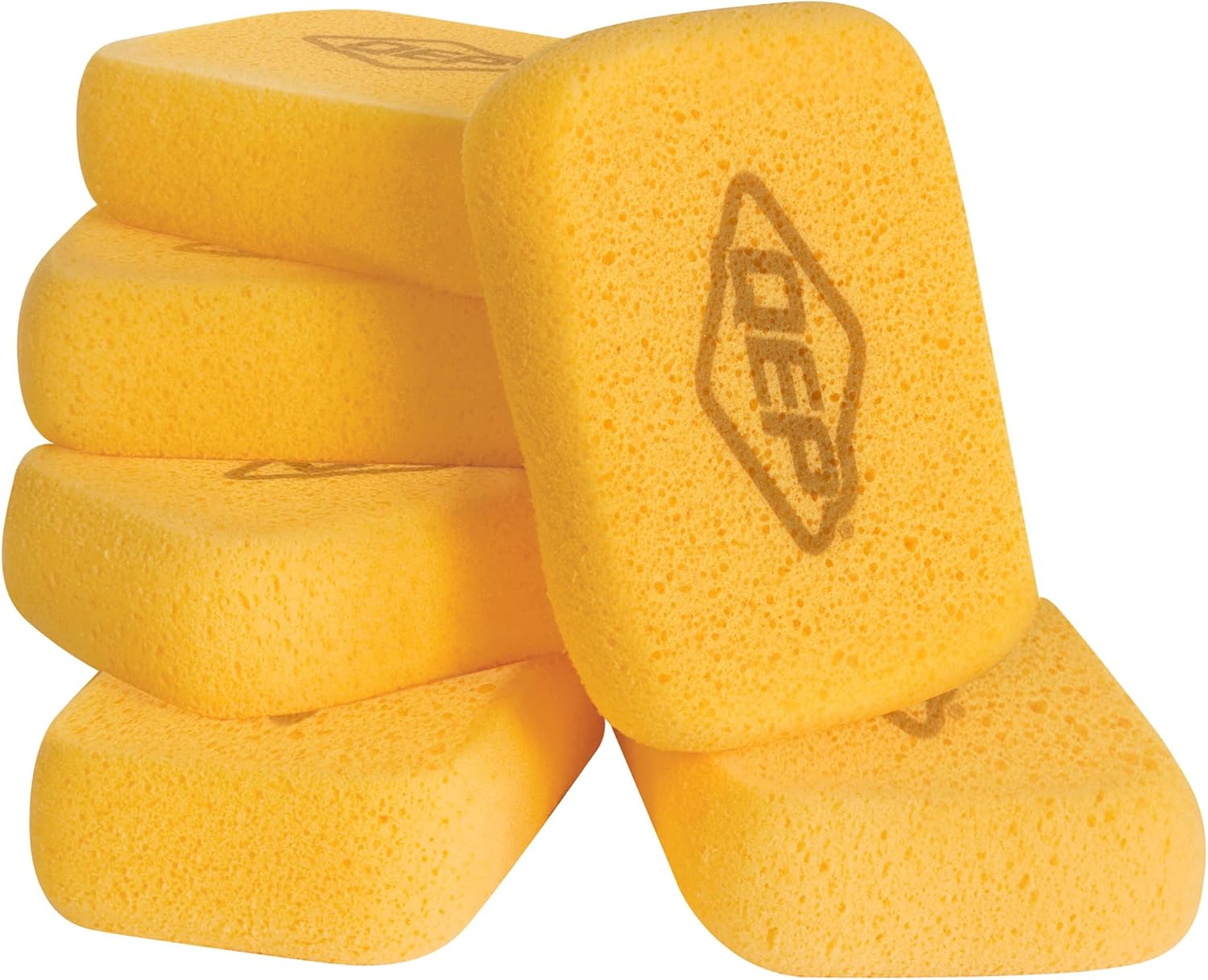
These three earn a 4.6 owner rating and cover the two jobs that matter most: gentle rinsing and lifting scuffs without harsh chemicals. Start with the large sponge pack for basic washing, and keep the melamine erasers on hand for spot marks.

Pros
- Extra-large size covers more surface area per wipe, speding up grout cleanup
- Rounded edges protect grout joints from damage during finishing
- Excellent value at6 sponges per pack for large or multi-room projects
- Versatile enough for post-renovation cleaning, car washing, and other household tasks
- High absorbency reduces the number of rinse cycles needed
Cons
- Larger pore structure may not work as well for very fine or epoxy-based grouts
- Sponges are single-purpose density and wear down after extended heavy use
- Yellow color shows staining quickly, making it hard to tell when they are fully rinsed
If you have ever tackled a tile backsplash, bathroom floor, or shower surround, you know the grouting stage can make or break the final look. These QEP sponges take the stress out of cleanup because they are genuinely oversized and hold enough water to wipe down large sections without constant re-dipping. The rounded corners are a thoughtful detail that prevents you from accidentally dragging grout out of joints you just filled.
Beyond tile work, these pull double duty for wallpaper stripping, cleaning up after painting, or even washing the car once your renovation is done. The 6-pack means you can dedicate a fresh sponge to each stage of a big project without worying about running out mid-job.
If you want professional-quality grout cleanup without investing in expensive specialized tools, this pack delivers.
Styles it works with: Any renovation style including Modern Farmhouse tile, Subway Tile Classic, Mediterranean mosaic, and Contemporary large-format porcelain
Best placed in: Under the kitchen sink for ongoing tile maintenance, in your renovation toolkit, or in the garage for car and boat detailing
May not suit: Homes using epoxy grout that requires specialized cleanup products, or very small mosaic tile work where a smaller sponge offers more precision
Buy it if:
- You are installing tile in a bathroom, kitchen, or laundry room and need reliable grout cleanup sponges
- You want a bulk pack so you always have fresh sponges ready for large or multi-room projects
- You need a multipurpose sponge that handles renovation cleanup and general household washing
Consider waiting if:
- Your tile project is months away and you want to buy closer to your start date for freshness
Skip it if:
- You are working exclusively with epoxy grout that requires a specialized epoxy sponge
- You only need one sponge for a small repair and do not want to store extras
Check the latest price and availability on Amazon before it sells out.

Mr. Clean Magic Eraser Extra Durable Sponge 4-Pack | Multi-Surface Whole Home Cleaning Pads
Pros
- Genuinely multi-surface -- works on walls, counters, shoes, and outdoor furniture without switching products
- Water-only activation removes the need to stock multiple chemical sprays
- Extra durable construction holds together through heavy scrubbing sessions without crumbling
Cons
- Melamine micro-scrubbers can dull or scratch glossy, polished, or stainless steel surfaces if used agressively
- Only four pads per pack, which can go quickly in households tackling large cleaning projects
- No scent or finish-enhancing ingredient, so surfaces are clean but not conditioned or polished
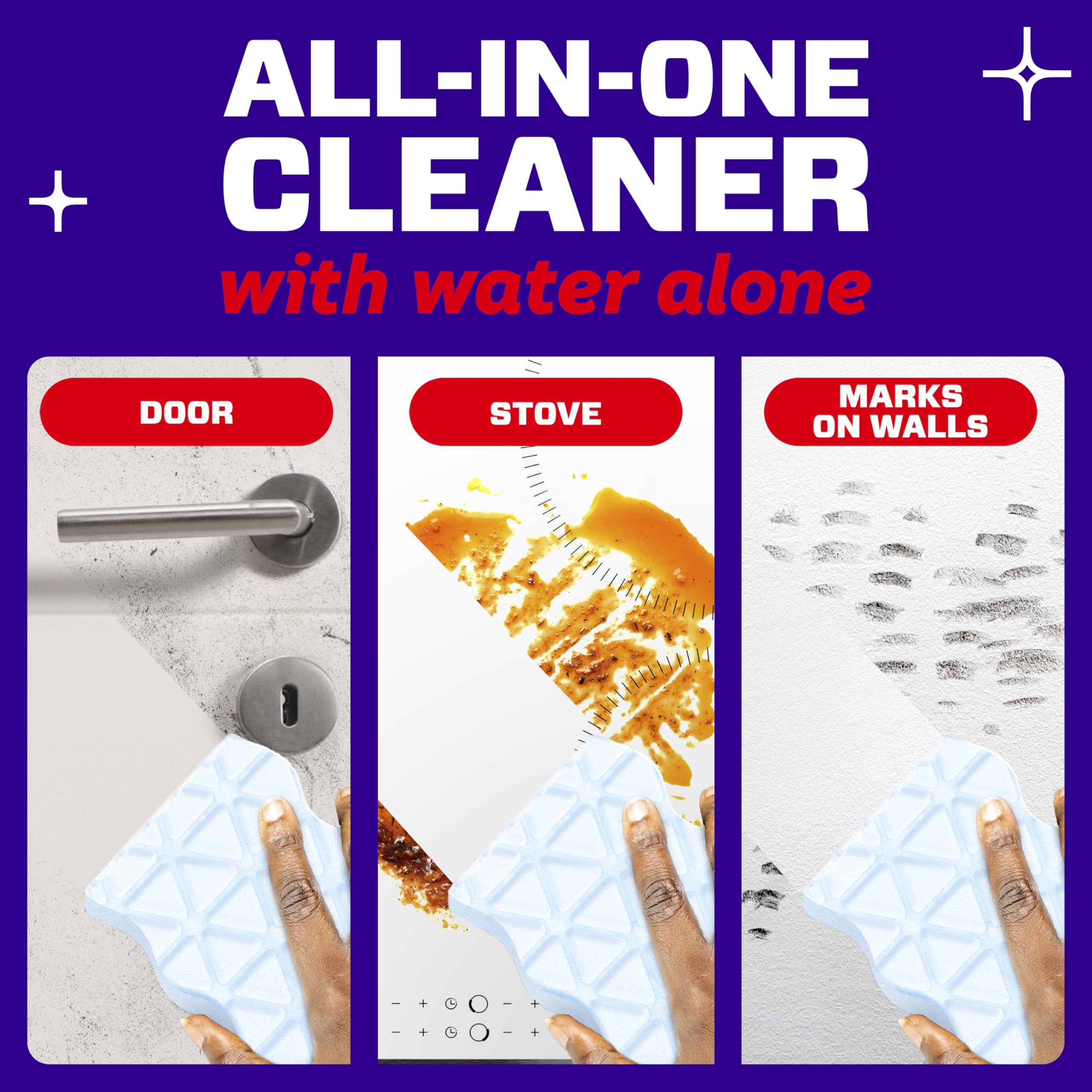
If your cleaning cabinet is overflowing with sprays for every surface, the Magic Eraser Extra Durable is a quiet game-changer. One wet pad handles the scuff on the baseboard, the mystery mark on the kitchen cabinet, and the grime ring in the bathroom sink without you reaching for a different product each time. That kind of simplicity is genuinely refreshing.
What makes it feel different in hand is how it holds together. Cheaper melamine pads shred after couple of swipes, leaving white crumbles everywhere. This Extra Durable version stays intact through a full cleaning session and rinses clean so you can come back to it the next day. For anyone who finds disposable cleaning products wasteful, that durability matters.
It also earns its keep in spaces where you want things to look sharp -- freshened-up walls, scuff-free door frames, and clean cabinet fronts make a real visual difference in a room without a single drop of spray involved. If you want spotless surfaces throughout your home without jugling a cabinet full of chemicals, this one delivers.
Styles it works with: Modern Farmhouse, Minimalist, Transitional, Scandinavian -- any style where clean lines and well-maintained surfaces are part of the aesthetic.
Best placed in: Under the kitchen sink for quick cabinet and countertop touch-ups, in the bathroom for soap scum and fixture grime, and in the entryway closet for sneaker and wall scuff cleanup near the door.
May not suit: Homes with polished marble, high-gloss lacquered furniture, or brushed stainless steel appliances where the micro-scrubbers could cause surface duling with repeated use. Also less useful in households that already prefer wet mop systems or steam cleaners for floors.
Buy it if:
- You want one cleaning tool that handles walls, bathrooms, kitchen surfaces, and even shoes without buying separate products for each.
- You prefer a chemical-free approach to everyday cleaning and want something safe to use around children and pets.
- You are doing a home refresh or moving out of a rental and need to quickly erase scuffs and marks from painted walls.
Consider waiting if:
- You can find a larger bulk pack at a lower per-pad cost, since the4-count moves fast in active households.
Skip it if:
- Your home has predominantly polished marble, high-gloss lacquered or delicate vintage surfaces that can be damaged by abrasive scrubbing.
- You are looking for a product that also disinfects or leaves a protective coating, since this cleans but does not sanitize or condition surfaces.
Check the latest price and availability on Amazon before it sells out.

Mr. Clean Magic Eraser Extra Durable 12-Count Melamine Sponge for Kitchen, Bathroom & Wall Cleaning
Pros
- Extra durable construction lasts significantly longer than the original version
- Requires only water to activate, no additional cleaning products needed
- Versatile across rooms from kitchen grease to bathroom soap buildup
- Bulk 12-count pack offers strong per-unit value
- Removes stuborn marks that regular sponges and cloths cannot handle
Cons
- Not safe for glossy, polished, or sealed wood surfaces as it can dull the finish
- Sponges still break down over heavy use and are not reusable long-term
- Can remove paint if pressed too hard on flat or matte painted walls
If you care about how your home looks, already know that scuffed walls, dingy baseboards, and grimy light switch plates can make even a well-decorated room feel neglected. The Mr. Clean Magic Eraser Extra Durable handles all of those problems with nothing but water and a few swipes. It is the kind of tool that makes your existing decor look better simply by cleaning the surfaces around it.
What sets the Extra Durable version apart is longevity. Standard melamine sponges crumble fast, especially on textured surfaces. These hold their shape through multiple cleaning sessions, which matters when you are maintaining an entire home. They work beautifully on tile grout, glass shower doors, white sneakers by the entryway, and those mysterious wall marks that appear overnight.
If you want your home to look freshly cleaned between deep-cleaning days without relying on harsh chemical sprays near your furnishings, this one delivers.
Styles it works with: Any interior style where clean walls and surfaces matter, including Modern Farmhouse, Scandinavian, Minimalist, and Traditional
Best placed in: Under the kitchen sink for backsplash touch-ups, in the bathroom cady for shower glass and tile, in a hallway closet for quick wall scuff removal
May not suit: Homes with many glossy lacquered surfaces or sealed hardwood furniture, as the abrasive texture can dull shiny finishes over time
Buy it if:
- You have light-colored walls that show every scuff, handprint, and mark
- You prefer chemical-free cleaning around kids, pets, or food-prep areas
- You want bulk supply so every bathroom and kitchen has one ready to go
Consider waiting if:
- You only need one or two sponges and would prefer a smaller pack at a lower total cost
Skip it if:
- Your home features mostly glossy or lacquered surfaces that could be duled by abrasion
- You need a long-lasting reusable scrubber rather than a disposable option
Check the latest price and availability on Amazon before it sells out.
Frequently Asked Questions
Can I use Magic Eraser on flat paint?
It depends. Melamine foam is a fine abrasive, so it can polish a shiny spot onto dead-flat and matte paint if you press hard. Use the lightest touch, keep it barely damp, and check a hidden area first. On eggshell, satin, and semi-gloss it’s much safer.
Will cleaning remove the paint?
No, not if you’re gentle. A damp cloth with a teaspoon of dish soap won’t harm properly cured paint. Damage comes from harsh scrubbing, abrasive powders, or solvents like alcohol left to sit. Cured paint needs about two to four weeks to fully harden, so go easy on fresh coats.
How often should I clean painted walls?
It depends on the room. High-traffic hallways, kitchens, and kids’ rooms benefit from a light dusting every month and spot-cleaning as marks appear. Low-traffic bedrooms and formal spaces can go several months. Catching marks early is far easier than a full wall wash later.
Is vinegar safe on painted walls?
No, not as a routine cleaner. Diluted vinegar is acidic and can etch or dull flat and eggshell finishes over time. Plain warm water with a drop of dish soap does the same job without the risk. Save vinegar for glass and hard surfaces.
Can I use a Magic Eraser on grease stains?
Yes, but pair it with soap. Melamine lifts the physical grime while a little dish soap in warm water breaks down the oil. For heavy kitchen film on semi-gloss, a mild degreaser works faster. Rinse afterward so no residue is left behind.
What’s the best cloth for cleaning walls?
Microfiber wins. It’s soft enough for delicate flat paint, holds just enough water, and won’t shed lint or scratch. Keep two on hand: one for cleaning, one dampened with clean water for rinsing. Avoid stiff scrub brushes on any low-sheen finish.
How do I clean walls without leaving streaks?
Almost always it comes down to rinsing and drying. Wring the cloth until it’s just damp, wipe in overlapping strokes, then go over the spot with a clean water-dampened cloth. Dry with a soft towel and work top to bottom so drips fall onto dirty wall, not clean.


Write Your Review
No reviews yet. Be the first to share your experience!