

> Editorial Note: I’m Hannah Lin, an Interior Living Researcher who’s spent 9+ years analyzing the home furniture market. This guide draws on BIFMA, GREENGUARD, and FSC certifications, plus owner reviews aggregated from Wirecutter, Apartment Therapy, and the major home design subreddits.
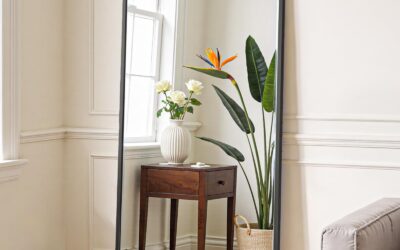
The most common mistake isn’t picking a bold color. It’s picking a color under the wrong light, then wondering why the cheerful blue on the paint chip reads gray and flat by 4 p.m. Your door is the one exterior surface people study up close, so the color has to hold up in shadow, glare, and everything between. Once the door is set, the same eye for contrast and scale carries indoors, where anchors like best gallery wall frames, a best console table for entryway, a best large floor mirror, a best wall mirror for living room, and a best table lamp for living room finish the entry sequence. Here’s how to land on a color you won’t repaint in a year.
Should the Color Match Your House or Contrast With It?
Contrast, almost always. A front door that blends into the siding disappears from the curb, and the whole point of a door color is to give the eye a place to land. The reliable move is to pull a hue that sits opposite your dominant exterior tone on the color wheel, then dial it back so it reads intentional rather than loud.
Warm-toned houses (beige, tan, warm gray brick) take cool doors well: navy, forest green, slate blue. Cool-toned houses (white, cool gray, blue-gray) come alive with warm doors: black, deep red, mustard, or a saturated wood stain. That opposition is what makes the door feel designed instead of accidental.
Watch your fixed elements first. Roof shingles, stone, and brick can’t be repainted, so the door color has to make peace with them. A red door fights orange-brown brick; a black or charcoal door settles it down. Pull one undertone from the brick and echo it in the door for a color that looks inevitable.
Trim matters too. If your trim is bright white, a dark door gets crisp, gallery-like framing. If trim is cream or almond, pure black can look harsh, and a softened off-black or deep espresso reads warmer against it. Tape a 12-inch swatch beside the trim before you commit.
What Sheen and Finish Should a Front Door Have?
Satin or semi-gloss, not flat. A door takes fingerprints, weather, and door-knocker dings, and higher sheen wipes clean and reflects light in a way that makes the color look richer. Flat finishes chalk and stain fast on a high-touch surface.
Semi-gloss gives you the most durability and the easiest cleanup, but it’s unforgiving: every dent and brush mark shows in the reflection. Satin is the practical middle. It resists scuffs, cleans with a damp cloth, and hides minor surface flaws that a glossier finish would spotlight. For most homeowners, satin is the safe pick.
Prep drives the result more than the can does. Sand the old finish, spot-prime bare spots, and paint when it’s 50–85°F with humidity under 70%, or the film won’t cure evenly. Rushing a coat in direct summer sun leaves lap marks that no color can hide.
Look for exterior-rated formulas built for movement and UV. Doors expand and contract, so the paint film needs flexibility to avoid cracking at the panels. Low-VOC and GREENGUARD-certified door paints keep fumes down, which matters when you’re working near an open entry. Two thin coats beat one thick coat every time.
How Does Light and Direction Change the Color?
More than people expect. A north-facing door gets cool, indirect light all day, so blues and grays can turn cold and dim. A south-facing door bakes in warm, intense sun that lightens the color and can fade cheaper pigments within two or three seasons.
Orientation should steer your pick. North and east doors benefit from warmer, slightly deeper colors that push back against flat light: warm reds, olive, honeyed wood tones. South and west doors handle cool, restful colors well because the strong sun already adds warmth. A crisp navy that looks severe on a shaded porch can look perfect in full afternoon glare.
Try it in place, never in the store. Buy a sample quart, paint a 2-foot square on poster board, and prop it against the actual door. Check it at 8 a.m., noon, and dusk. Colors shift dramatically across those hours, and the “wrong” light is the one you’ll see most.
Sun also drives fade. Deep, saturated colors (true red, black, dark green) absorb more heat and UV, so they fade and chalk faster than mid-tones on a west wall. If your door bakes all afternoon, budget for a repaint sooner, or choose a UV-stable formula rated for exterior exposure.
Which Colors Are Safe Bets in 2026?
Black, navy, and forest green stay bulletproof. They read as timeless rather than trendy, work across brick, siding, and stucco, and they don’t fight resale value the way a niche color can. Realtors consistently flag classic dark doors as neutral-positive, which is why they show up on so many “sold” listings.
Black is the closest thing to universal. It sharpens any facade, pairs with warm and cool exteriors, and photographs well for listings. Navy is the softer alternative: it delivers depth and personality without the starkness some homeowners find too severe. Both hide grime better than pale colors on a high-traffic entry.
Want more character? Forest green suits craftsman and cottage styles and grounds a house surrounded by greenery. Deep red is the traditional welcome color and pops against white or gray, though it fades fastest in sun. Mustard and terracotta feel current for 2026 without reading gimmicky, if your architecture leans warm.
Skip anything you’d tire of in a season. Bright neon tones and ultra-pale pastels date quickly and show dirt. When unsure, go one shade deeper than you think you want. Doors read lighter outdoors than they do on the chip.
Helpful Picks
These three exterior door paints all clear a 4.6 owner rating and use a self-leveling, exterior-rated formula built to resist cracking as the door moves. Start with the black for near-universal fit, the white for a clean traditional look, or the navy if you want depth without going all the way to black.


Pros
- Dries significantly faster than oil-based paints, reducing project downtime
- Low odor makes it comfortable to use indoors without evacuating the house
- Satin sheen hides minor surface imperfections while still looking polished
- Resists fading and scuffing for long-lasting curb appeal
- No tinting required with pre-mixed color options
Cons
- Limited to 6 pre-mixed colors, so custom shades are not an option
- Water-based formula may require more surface prep on slick or previously oil-painted surfaces
- Quart size may not be enough for homes with many doors or extensive trim work
There is something deeply satisfying about painting a front door black. It instantly makes a home look more intentional, more polished. This Rust-Oleum formula makes that transformation surprisingly easy. The pre-mixed satin black goes on smooth, levels nicely, and dries fast enough that you are not stuck propping a door open overnight.
What sets it apart for home refresh project is the combination of water-based convenience and oil-like durability. You get low odor during application (a real benefit if you are painting interior doors with the family home) and a finish that resists the daily abuse doors actually take: bumps from grocery bags, scuffs from shoes, weather on the exterior side.
If you want a dramatic, modern update on your doors and trim without the fumes or multi-day dry times of traditional paint, this one delivers.
Styles it works with: Modern Farmhouse, Industrial, Transitional, Contemporary Minimalist
Best placed in: Front entry door, interior hallway doors, bathroom and closet trim, garage door accents
May not suit: Homes going for an all-white Scandinavian aesthetic, or spaces where a softer neutral would better complement light pastel walls
Buy it if:
- You want to modernize a dated front door or interior doors with a classic satin black finish
- You need a low-odor paint you can apply indoors without strong ventilation
- You are tackling a weekend project and cannot wait days for oil-based paint to cure
Consider waiting if:
- You need a color other than the6 pre-mixed options and prefer a tintable base
- You have more than 3 doors to paint and may need a galon size for better value
Skip it if:
- You need a high-gloss finish for a specific design look
- You are painting vinyl or plastic surfaces not listed as compatible
Check the latest price and availability on Amazon before it sells out.

Rust-Oleum Advanced Dry Door & Trim Paint Satin White Quart - Fast-Drying Water-Based Interior Exterior
Pros
- Dries 3X faster than oil-based paints, allowing same-day recoating
- Low odor water-based formula safe for indoor use without heavy ventilation
- Versatile surface compatibility across metal, wood, and fiberglass
- Durable chip-resistant finish designed for high-touch surfaces like doors
Cons
- Limited to 6 pre-mixed colors with no custom tinting option
- Quart size may not cover multiple doors if heavy coats are needed
- Satin sheen may show brush strokes more than semi-gloss on close inspection
Painting a front door or updating trim can completely transform how a home feels, but the hassle of oil-based paints keeps most people from tackling the job. This Rust-Oleum formula changes that equation. It goes on smooth, dries in under an hour, and cleans up with just soap and water. The satin white finish looks clean and modern without being too shiny or too flat.
What stands out is how practical this paint is for real life. The low odor means you can paint your bedroom door without airing out the whole house. The chip-resistant finish handles the daily abuse that doors and trim actually endure, from kids, pets, and regular traffic. It feels like a professional result from a straightforward DIY project.
If you want a freshly painted door that looks professionally done without the fumes, long dry times, or mineral spirits cleanup, this one delivers.
Styles it works with: Modern Farmhouse, Coastal, Transitional, Minimalist
Best placed in: Front entry door, interior bedroom and bathroom doors, baseboards and window trim, garage entry door
May not suit: Homeowners seeking bold or dark accent door colors (limited to 6 pre-mixed options), or those neding a high-gloss finish for a more formal look
Buy it if:
- Your front door or interior trim looks scuffed, yellowed, or outdated and needs a weekend refresh
- You want oil-based durability without the strong fumes or lengthy dry time
- You need a single can that works on your metal front door and wooden interior trim alike
Consider waiting if:
- You need a specific color outside the 6 available pre-mixed options
- You are painting more than two full doors and may need a galon size for better value
Skip it if:
- You need a high-gloss finish for a traditional or formal entryway
- You are looking for a full exterior house paint rather than a door and trim specific formula
Check the latest price and availability on Amazon before it sells out.

Pros
- Dries up to 3X faster than oil-based paints, cutting project time significantly
- Highly rated at 4.6 stars across 2,000+ reviews for consistent results
- Excellent adhesion and chip resistance on high-traffic surfaces like doors and trim
- Low odor water-based formula safe for indoor projects without heavy ventilation
- Satin sheen hides minor surface imperfections while still looking polished
Cons
- Limited to 6 pre-mixed colors, so custom color matching is not an option
- Quart size only covers one standard door with two coats, larger projects need multiple cans
- Satin finish may show brush strokes if not applied with a quality roller or brush
There is something instantly satisfying about a freshly painted front door, and this Rust-Oleum formula makes that transformation almost effortless. The Nantucket Navy shade hits that sweet spot between bold and classic, giving your entryway a collected, designer look without vering into trendy territory that will feel dated in two years.
What stands out here is the practical side. You can start this project after breakfast and have a fully dry, touchable door by lunch. The water-based formula means you are not fumigating your house or garage, and cleanup is just soap and water. The satin sheen looks expensive and polished in person, catching light without showing every tiny imperfection underneath.
If you want a dramatic curb appeal upgrade without the fumes, long dry times, or professional help, this one delivers.
Styles it works with: Coastal, Modern Farmhouse, Traditional, New England Classic
Best placed in: Front entry door, interior hallway doors, window trim, garage door accents, stairway banisters
May not suit: Homes with ultra-modern or minimalist all-white aesthetics where a deep navy would clash, or spaces where you need an exact custom color match to existing decor
Buy it if:
- You want to refresh your front door or interior doors in a single weekend with minimal prep and mess
- You prefer low-odor paint because you have pets, kids, or limited ventilation
- You love a classic navy that pairs well with white trim, brass hardware, or natural wood tones
Consider waiting if:
- You need a color beyond the 6 available pre-mixed options and want to wait for expanded shades
- You are painting multiple doors or large trim runs and want to compare bulk pricing
Skip it if:
- You need a high-gloss mirror finish for a very formal look
- You require a custom-tinted color to match existing cabinetry or shuters precisely
Check the latest price and availability on Amazon before it sells out.
Frequently Asked Questions
Do I need special paint made for doors?
Yes. Door-and-trim formulas are engineered to self-level for a smooth, brush-mark-free finish and to flex as the door expands in heat. General wall paint cracks at the panels and shows every stroke. Look for an exterior-rated, low-VOC product, ideally GREENGUARD-certified for lower fumes near the entry.
Will a dark door make my entry look smaller?
No. A dark door frames the entry and draws the eye, which reads as intentional and welcoming, not cramped. The bigger factor for a small entry is scale and light inside: a large mirror and a well-placed lamp open the space far more than door color does.

How many coats does a front door need?
It depends on the color and the old surface, but plan on two thin coats over primer. Deep colors like red or navy sometimes need three to reach full, even coverage. Two thin coats always beat one thick one, which drips and takes days to cure properly.
Does front door color actually affect resale value?
It depends on the color. Classic dark doors (black, navy, deep green) read as neutral-positive with buyers, while niche or neon colors can narrow your buyer pool. If you’re selling soon, a timeless color is the safer play. If you’re staying, paint what you love.
Can I paint a fiberglass or steel door?
Yes, with prep. Clean it, scuff-sand lightly, and use a bonding primer rated for the material before your topcoat. Skip the primer and the paint peels within a season. Exterior door-and-trim paint adheres well to both once the surface is properly keyed.
What’s the best sheen for a front door?
It depends on your tolerance for flaws. Semi-gloss is the most durable and easiest to wipe clean, but it highlights dents and brush marks. Satin is the practical middle: it cleans well, resists scuffs, and hides minor imperfections. Avoid flat, which chalks and stains on a high-touch surface.
How long before I can close the door after painting?
No sooner than a full day of dry time, and longer in humidity. The film may feel dry to the touch in a few hours, but it needs to cure before the door meets the weatherstripping, or it sticks and peels. Paint in the morning so it sets before evening cool-down.








Write Your Review
No reviews yet. Be the first to share your experience!