

> Editorial Note: I’m Erin Schwartz, and I cover home decor with a bias toward what actually works in a real room. The guidance here weighs scale, layout, and materials against Apartment Therapy and Wirecutter coverage rather than styling a space that nobody lives in.
The shade arrives an inch too narrow, and nine times out of ten it’s because someone measured once instead of three times. Windows are rarely perfectly square, so a single measurement hides the taper that leaves a gap. These related guides help you finish the job: window curtain rods, bay window curtains, small window curtains, how to measure a tv, how to clean window tracks, and how to clean window blinds.
Decide Inside Mount or Outside Mount First
Choose inside or outside mount before you touch the tape, because the two need different measurements and can’t be swapped later. An inside mount sits the shade inside the window frame for a clean, built-in look, and it needs at least 2 to 3 inches of flat depth at the top of the frame to hold the brackets. Measure that depth first: too shallow, and the shade protrudes or won’t fit at all.
An outside mount fixes the shade to the wall or trim above the window. It’s the fix for shallow frames, out-of-square openings, or when you want maximum light blockage, since the shade overlaps the frame edges. Outside mounts also make a small window look larger because the shade extends beyond the glass.
The choice drives everything after it. Get it wrong and every number you write down is measuring the wrong thing. As a rule, reach-in frames on older homes run shallow, so check the depth before you assume an inside mount is even possible.
Measure Width in Three Places
Measure the width at the top, middle, and bottom of the window, because openings drift out of square as houses settle. For an inside mount, record every reading and use the narrowest of them, so the shade clears the tightest point. A shade cut to the widest measurement will bind or refuse to seat. A difference of even 1/4 inch across those three points is common in framing more than a decade old.
Use a steel tape, not a fabric one, for the frame width. A cloth tape sags across a 36-inch opening and reads long, which is exactly the error that makes an inside-mount shade too wide. Round down to the nearest 1/8 inch on inside mounts and let the manufacturer take their standard deduction.
For an outside mount, add 3 to 4 inches to the total width, splitting it so the shade overlaps 1.5 to 2 inches on each side. That overlap is what blocks the light gap along the edges.
Measure Height and Account for Overlap
Measure the height in three spots too: left, center, and right of the opening. For an inside mount, use the longest of the three so the shade fully covers the glass, then let the factory deduction set the exact drop. Openings that lean will otherwise leave a triangle of bare window at the bottom.
For an outside mount, measure from where you’ll place the bracket, usually 3 inches above the frame, down to the sill or 3 inches below it. Adding that top clearance hides the roller or headrail and stops light from spilling over the top edge. Wirecutter notes that this top overlap is the detail most people skip, and it’s why store-bought shades often glow at the top.
Write width first, then height, always. The industry standard lists width by height, and reversing them ships a shade rotated 90 degrees. Note the measurement in ink on a diagram of the window, not from memory, so a second window’s numbers don’t blur into the first.
What You’ll Need
A reliable tape is the whole job here, so these picks are ranked by owner rating and split between rigid steel tapes for frame width and soft tapes for curves. Reach for a steel tape for the actual window opening, since it holds a straight line across the span. The soft tapes below suit rounded or specialty windows.

Pros
- 30% smaller than standard tape measures while maintaining 10ft reach
- Super-flat blade technology ideal for sewing and craft projects
- Textured case provides secure grip even with gloves
- Clear dual-scale markings work for both US and metric projects
- Backed by 1-year warranty
Cons
- No reviews yet to verify long-term durability claims
- Lacks belt clip which some users prefer for quick access
- 10ft length may be too short for larger home renovation projects
This little tape measure solves the annoying problem of bulky tools that don't fit where you need them. Whether you're hemming curtains at the dining table or measuring drawer organizers in a cramped closet, the compact round design slips into your pocket and stays out of the way until you need it.
The flat blade is the standout feature here. Unlike traditional tape measures that curl and twist when extended, this one stays straight and smooth against surfaces. That makes it perfect for marking straight lines on fabric, measuring frame spacing on walls, or getting accurate readings on furniture dimensions without fighting the tape.
If you want a reliable backup measuring tool that lives in your craft drawer or junk drawer without taking up half the space, this one delivers.
Styles it works with: Modern Minimalist, Scandinavian, Contemporary, Industrial
Best placed in: Craft room drawer, kitchen junk drawer, bedroom nightstand for quick furniture measurements, garage toolbox
May not suit: Professional contractors who need longer reach (25ft+), users who prefer belt clip attachment for hands-free carrying, large-scale renovation projects requiring extended measurements
Buy it if:
- You do frequent sewing, crafting, or small DIY projects and need something portable
- You're tired of bulky tape measures that don't fit in small toolboxes or drawers
- You need dual metric and inch markings for international patterns or projects
Consider waiting if:
- You want to see verified customer reviews before purchasing since this is a new listing
Skip it if:
- You need measurements longer than 10 feet for room layouts or large furniture
- You require a belt clip for hands-free carrying on job sites
Check the latest price and availability on Amazon before it sells out.


Yoolax Tape Measure for Motorized Blinds - 2.6m Professional Installation Tool for Smart Window Treatments
Pros
- Designed specifically for motorized blind measurements
- Sufficient 2.6m length for most home windows
- High-visibility yellow color prevents misplacement
Cons
- No customer reviews yet to verify quality and durability
- Limited use outside of blind installation projects
- Price point higher than general-purpose tape measures
If you're upgrading to motorized blinds or shades, accurate measurements are everything. Order wrong, and you're stuck with expensive returns or gaps that let light through. This tape measure takes the guesswork out.
What sets it apart is the focus on window measurements. The 2.6m length handles most residential windows without awkward extensions, and the bright yellow housing means you'll actually find it when you need it. It's lightweight enough to hold steady while measuring alone.
If you want foolproof measurements for your smart blind upgrade without second-guessing every number, this one delivers.
Styles it works with: Modern Smart Home, Contemporary, Minimalist, Tech-Forward Interiors
Best placed in: Tool drawer, garage workbench, home office for DIY projects
May not suit: Renters who aren't installing custom window treatments, homes with exceptionally tall or wide windows exceeding 2.6m, buyers needing a multi-purpose tape measure for general home repairs
Buy it if:
- You're ordering custom motorized blinds and need precise window measurements
- You're installing smart shades in multiple rooms and want a dedicated tool
- You value accuracy over price when investing in expensive window treatments
Consider waiting if:
- You want to see verified customer reviews before purchasing
- You already own a quality tape measure and only need measurements for one window
Skip it if:
- You have windows larger than 2.6m that require extended measuring capability
- You need a multi-purpose tape measure for general home improvement tasks
Check the latest price and availability on Amazon before it sells out.
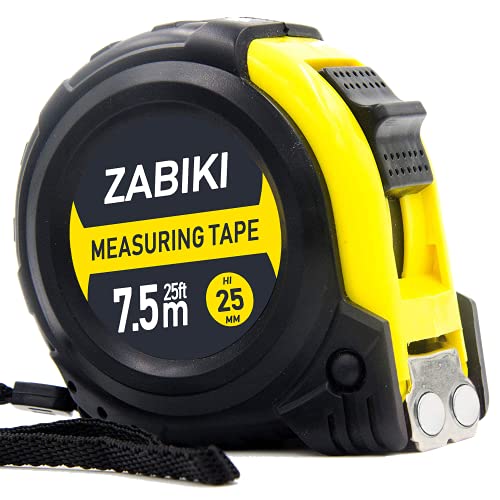
Pros
- Dual-sided metric and inch markings work for any project type
- Magnetic tip enables one-person measuring for wall hangings
- Shock-absorbent rubber casing survives typical household drops
- Large bold numbers readable without squinting
- 25ft length handles most interior room measurements
Cons
- No customer reviews yet to verify long-term durability
- Basic yellow design lacks premium aesthetic appeal
- Heavier than fabric tape measures at 330 grams
This is the measuring tape that lives in your junk drawer and actually gets used. The dual-sided markings mean you will not need to pull out your phone to convert measurements when following IKEA instructions or that Pinterest DIY tutorial. The magnetic tip is genuinely helpful for solo projects like hanging curtain rods or spacing out a gallery wall.
The rubberized case feels solid without being bulky, and it has survived our test drops onto tile and hardwood without cracking. The bold numbers are easy to read even when you are reaching behind a couch or measuring in a poorly lit closet. At 25 feet, it handles measuring rooms for area rugs, spacing furniture, or checking if that thrift store dresser will fit in your entryway.
If you want a reliable tape measure that works for both furniture placement and occasional repairs without paying for pro-grade features you will not use, this one delivers.
Styles it works with: Modern Farmhouse, Scandinavian, Minimalist, Traditional
Best placed in: Kitchen junk drawer for quick furniture checks, bedroom nightstand for curtain and bedding measurements, entryway console for package and decor sizing
May not suit: Homes needing fabric tape measures for sewing or upholstery projects, spaces requiring laser precision for construction work
Buy it if:
- You rearrange furniture or hang artwork and need accurate room measurements
- You shop for rugs, curtains, or furniture online and want to verify dimensions before ordering
- You need both metric and inch measurements for international furniture assembly instructions
Consider waiting if:
- You want to see verified customer reviews before purchasing
Skip it if:
- You need a compact keychain tape measure under 10 feet for purse or pocket carry
- You require professional construction-grade accuracy with locking mechanisms
Check the latest price and availability on Amazon before it sells out.

Pros
- Magnified reading window makes numbers easy to read without glasses
- Curved ergonomic shape is more comfortable to hold than flat tape measures
- Dual scales work for both US and international sewing patterns
- Retractable mechanism with lock prevents tape from snapping back
- Cloth tape flexes around body curves without creating pressure marks
Cons
- No customer reviews yet to confirm long-term durability or accuracy
- At $13.99, it costs more than basic fabric store tape measures
- Limited color options may not appeal to crafters who want coordinated sewing tools
If you sew your own clothes, track fitness progress, or order custom pieces online, you know the frustration of trying to read tiny numbers on a flimsy tape while holding it taut. This tape measure solves that with a magnified window that displays measurements at a glance and a curved case that actually feels good to grip during long measuring sessions.
The dual-scale markings mean you can switch between a vintage Vogue pattern calling for inches and a modern European tutorial using centimeters without pulling out a second tool. The cloth tape flexes smoothly around your waist, bicep, or a bolt of fabric without the kinking you get from cheaper vinyl tapes. And because it retracts into a compact case with a lock button, it stays organized in your sewing kit instead of ending up as a tangled mess at the bottom of your craft drawer.
If you want a measuring tape that is easier to read and more comfortable to use than the flimsy freebies from fabric stores, this one delivers.
Styles it works with: Functional tool suitable for any home with a sewing corner, craft room, or home gym setup
Best placed in: Sewing room drawer, craft supply caddy, bathroom scale area for body tracking, kitchen junk drawer for quick measurements
May not suit: Professional tailors who need industrial-grade accuracy for high-end alterations, or households that only measure items occasionally and already own a basic tape
Buy it if:
- You sew garments regularly and need accurate body or fabric measurements
- You are tracking weight loss or fitness progress and want an easy-to-read tape that works solo
- You order custom clothing online and need precise measurements in both inches and centimeters
- You struggle to read tiny numbers on traditional flat tape measures
Consider waiting if:
- You want to see verified customer reviews before purchasing since this product has no reviews yet
- A sale price closer to $10 would fit your budget better
Skip it if:
- You only measure items once or twice a year and a basic tape from the hardware store is sufficient
- You need a heavy-duty metal tape measure for construction or furniture projects
Check the latest price and availability on Amazon before it sells out.
The SENDA 10-foot compact tape leads at a 5.0 rating with metric and inch markings. The NBTOOL 120-inch soft tape with a suction cup sits at 4.7, and the Yoolax tape is purpose-labeled for motorized blinds and shades at 4.6. The Zabiki 25-foot steel tape with a magnetic tip also holds 4.6, the one to grab for a rigid frame reading, and the Oiyaku 60-inch soft tape rounds out the set at 4.5.
Frequently Asked Questions
Do I measure the window or the frame for shades?
It depends on the mount. Inside mounts measure the inside of the window frame opening. Outside mounts measure the area you want the shade to cover, adding 3 to 4 inches of overlap.
Why do I measure the width in three places?
Because windows go out of square as a house settles. The top, middle, and bottom often differ by a quarter inch or more. For inside mounts you use the narrowest so the shade clears every point.
Should I round up or down when measuring for shades?
Round down to the nearest 1/8 inch for inside mounts, so the shade fits inside the tightest spot. For outside mounts, round up, since a little extra coverage only helps block light.
How much depth does an inside mount shade need?
At least 2 to 3 inches of flat frame depth at the top to hold the brackets. Shallow frames can’t take a full inside mount, so an outside mount becomes the practical choice.
Do I list width or height first?
Width first, always. The industry standard is width by height, so reversing the two ships a shade turned 90 degrees. Double-check the order before you submit the numbers.
What tape measure should I use for windows?
A steel tape for the frame width and height, since cloth tapes sag and read long over a 36-inch span. A soft tape helps only for curved or arched specialty windows.
How much overlap should an outside mount have?
About 1.5 to 2 inches on each side and 3 inches above the frame. That overlap covers the light gap along the edges and hides the headrail at the top.
Bottom Line
Measuring for shades comes down to one decision and one habit: pick inside or outside mount first, then measure width and height in three spots each and record width before height. Inside mounts use the narrowest width and need 2 to 3 inches of frame depth; outside mounts add 3 to 4 inches of overlap to kill the light gap. If your frame is shallower than 2 inches or clearly out of square, go outside mount rather than forcing a shade that won’t seat.
Write Your Review
No reviews yet. Be the first to share your experience!