

> Editorial Note: I’m Lauren Ro, and I write furniture buying guides. The picks here are judged on the specs that predict how a piece ages — frame joinery, foam density, and load ratings — checked against BIFMA and FSC certifications plus aggregated owner reports.
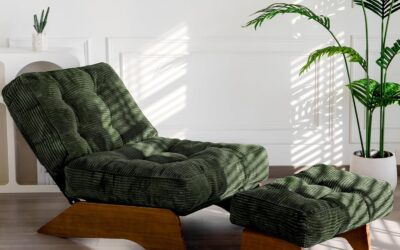
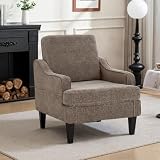
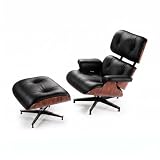
The mistake that sinks most armchair projects is tearing off the old fabric before labeling a single panel, which throws away the one pattern that would have made reassembly obvious. An armchair is the ideal first upholstery project: small enough to finish in a weekend, complex enough to teach you the moves before you tackle a sofa. Whether you’re refreshing a modern armchair, hunting a barrel accent chair look, or reviving a thrifted piece from the accent chairs pile, the process holds, and it pairs well with a chair with ottoman set, basic sofa repair know-how, and a fix as simple as swapping couch legs wooden for a new profile.
Can a Beginner Reupholster an Armchair?
Yes, an armchair is the best entry point into upholstery because its scale is forgiving. A wingback or club chair uses 4 to 6 yards of fabric, a fraction of a sofa’s 12 to 15, so a first mistake costs less. The frame is compact enough to flip and rotate on a work table without a second set of hands.
Judge the chair before you commit. Push on the arms and back, and if the frame racks or the joints creak, reglue them first, because FSC-certified hardwood frames justify the effort where stapled softwood rarely does. A solid chair with good bones rewards a recover; a wobbly one needs structural work first. Budget a full weekend for your first, and don’t expect factory-crisp corners on attempt one.
How Do You Remove the Old Upholstery?
Work in reverse of how the factory built it, starting with the bottom dust cover and the outside back. Photograph every layer before it comes off and label each panel with masking tape, because those pieces are your cutting template. Pull staples with a staple remover and needle-nose pliers rather than ripping fabric, so the panels stay intact.
Keep the removed pieces flat and stacked in reverse order, the last panel off sitting on top. Count staples as you go, since a single armchair can hide 200 to 400 of them and a missed one telegraphs through new fabric as a lump. Note where welt cord, piping, and any zippers sat. If the foam or batting underneath is crumbling, plan to replace it now, because fresh fabric over dead foam flattens within months.
What Fabric and How Much Do You Need?
Buy a mid-weight upholstery fabric rated for at least 15,000 double rubs, and measure by summing the width and length of every panel you removed. A standard armchair needs 4 to 6 yards, a wingback closer to 7 with its extra panels. Add 15 percent for pattern matching and cutting errors so you don’t run short mid-project.
Match the fabric to the chair’s use. Chenille and canvas hold up on a daily chair, velvet reads richer but shows wear on high-contact arms, and faux linen splits the difference. Woven fabrics resist snags better than loose-weave ones on a piece that gets sat in often. Order a swatch first if the color matters, since screens misread tone and a whole bolt is a costly surprise.
How Do You Attach the New Fabric?
Reverse your teardown: the panels that came off last go on first, usually the inside back and seat. Center each piece using the old panel as a template, pull it taut, and staple every 2 inches along a straight edge, working from the center of each side outward. Even tension is what separates a smooth recover from a puckered one.
Fold corners like wrapping a gift, trimming bulk without cutting into your tension line. A pneumatic or electric staple gun with 3/8-inch staples saves your hand over the several hundred this takes. Attach welt cord along the seams for a finished edge, then the outside back, and finally the bottom dust cover with its raw edge folded under. Trim excess only after the panel is fully stapled and sitting flat.
What You’ll Need
The fabrics below are ranked by owner rating and chosen for armchair-scale projects: yardage cuts wide enough to wrap seat, back, and arm panels. Match the weave to how hard the chair gets used, and order a swatch if color is critical. Start with #1 for a faux-linen that suits most chairs.

Pros
- Generous 57-inch width reduces waste and covers furniture efficiently
- Plush velvet texture feels soft and high-end to the touch
- Advanced dyeing helps color stay vibrant through regular use and light exposure
- Suitable for both beginners and experienced upholsterers
- Quality-checked and precision-cut to minimize edge fraying
Cons
- No customer reviews yet to verify real-world durability and performance
- Limited to one neutral color option in this listing
- May require professional cutting tools for clean edges on complex projects
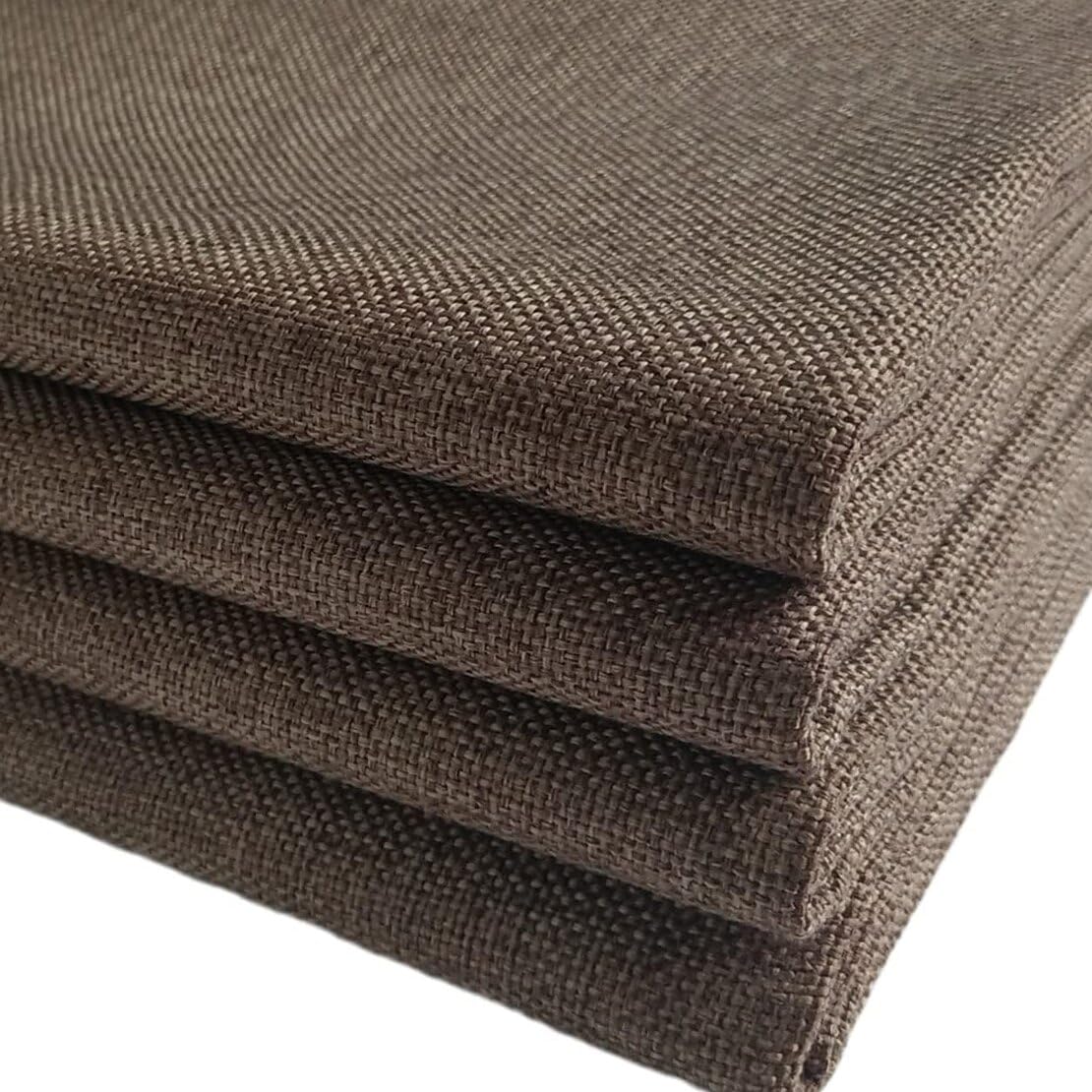
This chenille fabric hits the sweet spot for DIY home decorators who want that expensive velvet look without the professional upholsterer price tag. The 57-inch width is genuinely helpful because you can cover most chair seats or sofa cushions in one continuous piece, which means fewer visible seams and a cleaner finished look.
The cream white shade is one of those smart neutral choices that works whether your style leans modern farmhouse, coastal, or classic traditional. It reflects light beautifully in living spaces and creates that airy, open feeling interior designers always talk about. The plush texture adds just enough visual interest to keep it from feeling flat or boring.
If you want to refresh tired furniture or create custom window treatments without paying retail upholstery prices, this one delivers.
Styles it works with: Modern Farmhouse, Coastal, Scandinavian, Traditional, Transitional
Best placed in: Living room sofas and accent chairs, bedroom headboards and benches, formal dining room chair seats, window treatments in bedrooms or living areas
May not suit: Homes with pets that shed heavily or scratch furniture, high-traffic mudroom seating that gets dirty quickly, outdoor or covered patio furniture exposed to moisture
Buy it if:
- You are reupholstering a sofa, chair, or bench and need affordable fabric with a premium look
- You want to make custom curtains or drapes that add softness and light control to a bedroom or living room
- You are comfortable with basic sewing and upholstery techniques or willing to learn
Consider waiting if:
- You need to see and feel the fabric texture in person before committing to a large project
- You prefer a bolder color or pattern and want more options to choose from
Skip it if:
- You need outdoor-rated or water-resistant fabric for covered patios or high-moisture areas
- You have pets with claws that will snag delicate chenille fibers regularly
Check the latest price and availability on Amazon before it sells out.

Pros
- Heavyweight, dense construction resists wear and wrinkles better than standard chenille
- Wide 57-inch width reduces the number of seams needed for larger projects
- Non-fray backing simplifies cutting and handling for sewing, stapling, or gluing
- Plush texture provides comfort for furniture and soft home goods
Cons
- No customer reviews yet to confirm long-term durability and color accuracy
- May require steaming to remove creases from shipping and rolling
- Limited to 1, 3, or 5-yard purchase options, which may not suit all project sizes
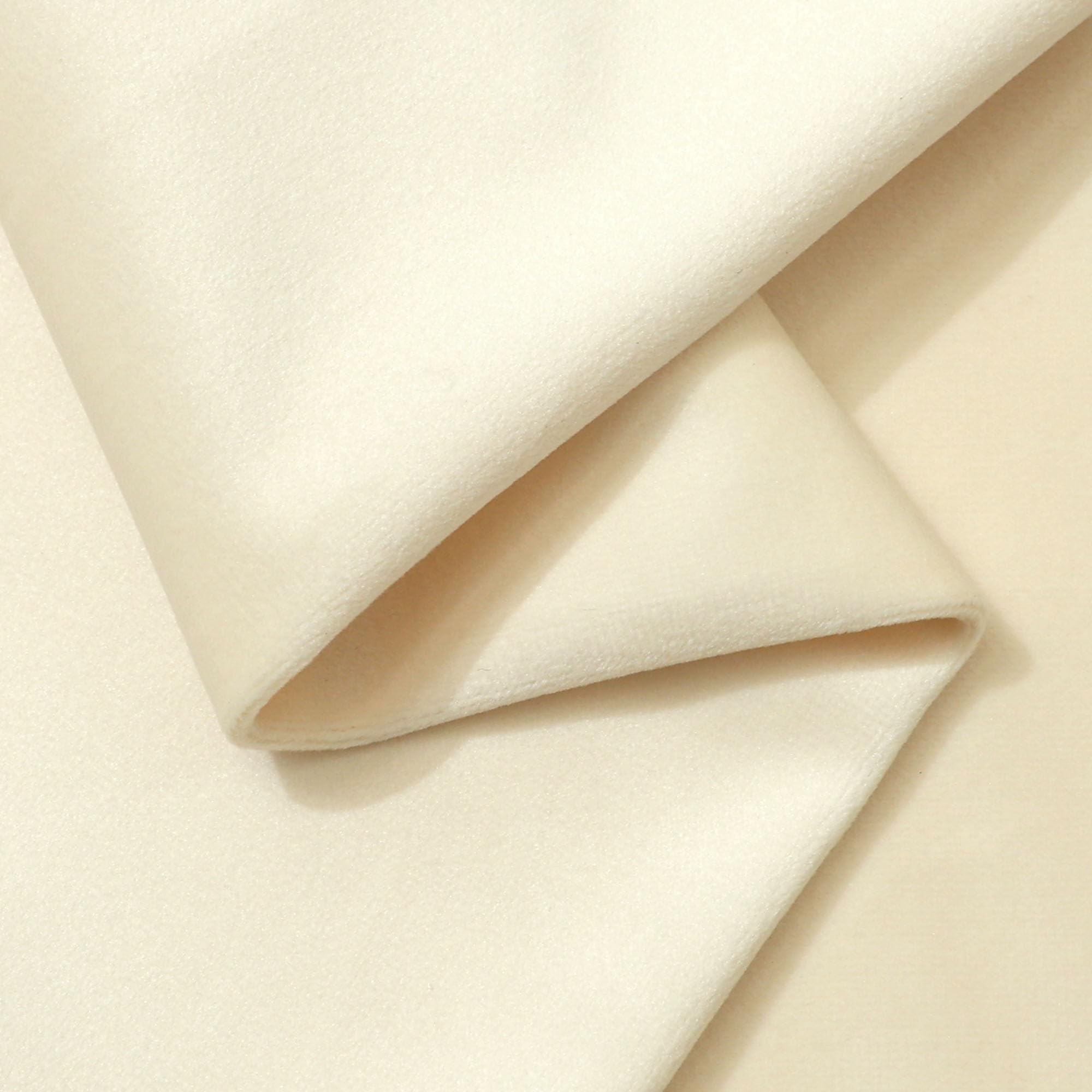
This chenille fabric hits the sweet spot between luxury and practicality. The olive green shade is understated enough to work with existing decor but rich enough to feel intentional, and the plush texture invites you to run your hand over it. It is noticeably thicker than budget chenille, which means your reupholstered chair or custom pillow will look fuller and more high-end.
The 57-inch width is a game-changer for DIY projects. You can cover a dining chair seat or craft oversized throw pillows without piecing together narrow strips, and the non-fray backing means cleaner cuts and less frustration at the sewing machine. It works whether you are refreshing a tired sofa, adding texture to a headboard, or sewing coordinating curtains for a cohesive room refresh.
If you want fabric that looks and feels premium without the specialty upholstery store markup, this one delivers.
Styles it works with: Modern Farmhouse, Bohemian, Earthy Minimalist, Transitional
Best placed in: Living room accent chairs, bedroom headboards, cozy reading nook cushions, dining chair seats
May not suit: Homes with pets that shed heavily or scratch furniture, ultra-formal traditional interiors that require silk or damask, spaces needing stain-resistant performance fabrics
Buy it if:
- You are reupholstering furniture or making throw pillows and want a soft, durable fabric at a reasonable per-yard price
- You need wide yardage to minimize seams and simplify your sewing or stapling process
- You are drawn to olive green or earthy tones and want a texture that adds warmth without overwhelming your space
Consider waiting if:
- You need customer reviews to confirm colorfastness and long-term durability before committing
- You want to see the fabric in person before purchasing yardage for a large project
Skip it if:
- You need a stain-resistant or pet-proof performance fabric for high-mess areas
- You require a different color or pattern that better matches your existing decor scheme
Check the latest price and availability on Amazon before it sells out.

Pros
- Wider 57-inch width saves fabric and simplifies large projects
- Dual-texture blend offers both softness and natural linen character
- Multiple pre-cut length options reduce overbuying
- Versatile color palette works across popular decor styles
- Easy to cut, sew, and handle for all skill levels
Cons
- No customer reviews yet to verify durability claims
- Beige and neutral shades may show stains more easily
- Linen blend may wrinkle more than pure synthetic upholstery fabrics
This fabric solves a common frustration for DIY upholstery projects: that extra two inches of width actually matters. At 57 inches, you get more usable coverage per yard, which means fewer seams on chair backs and sofa cushions. The mini chenille surface feels cozy without being overly plush, while the linen blend keeps it breathable and adds that natural texture people love in modern farmhouse and Scandi spaces.
The pre-cut options are smart too. You are not stuck buying a giant roll when you just need to recover two dining chairs or make a few throw pillow covers. The fabric has enough body to hold its shape but still drapes nicely, so it works whether you are wrapping a bench cushion or sewing curtain panels.
If you want a wider, softer upholstery fabric that simplifies your project layout without limiting your color choices, this one delivers.
Styles it works with: Modern Farmhouse, Scandinavian, Minimalist, Transitional
Best placed in: Living room sofas and accent chairs, dining room chair seats, bedroom bench cushions, entryway ottoman covers
May not suit: Homes needing stain-resistant performance fabrics for kids or pets, ultra-formal traditional interiors requiring silk or velvet textures, outdoor furniture exposed to direct sun and moisture
Buy it if:
- You are reupholstering furniture and want fewer seams with the 57-inch width
- You prefer natural-feeling fabrics over fully synthetic options
- You need a solid color that coordinates with neutral or warm-toned decor
- You are a beginner sewer looking for forgiving, easy-to-handle fabric
Consider waiting if:
- You need to see customer photos and durability feedback before committing
- You want a specific bold or jewel-tone color not in the current 10-shade range
Skip it if:
- You need heavy-duty performance fabric rated for high-traffic commercial use
- You require outdoor-grade UV and water-resistant material
Check the latest price and availability on Amazon before it sells out.
The TinaKim faux-linen leads at 4.6 as a 57-by-72-inch cut sized for a chair or small sofa repair. The FAIBURUIC chenille, also 4.6, is a 57-inch-wide plush velvet-texture by the yard for a richer finish. The Yurdon velvet at 4.4 is a 58-inch-wide ivory yardage, good for accent chairs that see light use. The LaSilk chenille at 4.3 is a by-the-yard olive option, and the Laklinlin mini chenille rounds it out at 4.2, the lowest here, a 57-inch width where that rating usually signals more roll-to-roll variation, so inspect the cut on arrival.
Frequently Asked Questions
Is reupholstering an armchair worth it?
It depends on the frame. A solid hardwood chair with good joinery is worth recovering, often for less than a comparable new one. A wobbly softwood or particleboard frame usually isn’t, since fabric can’t fix structure.
How much fabric do I need for an armchair?
Four to six yards for a standard armchair, closer to seven for a wingback with extra panels. Add 15 percent for pattern matching and mistakes. Measure by summing the dimensions of every panel you remove during teardown.
Do I need to replace the foam?
Only if it’s crumbling or flattened. Fresh fabric over dead foam flattens within months, so press the seat and back. If it springs back, keep it; if it stays compressed or sheds crumbs, replace it now.
Can I reupholster without a sewing machine?
Mostly yes. The main panels staple directly to the frame with no sewing. You’ll want a machine only for welt cord and any zippered cushion covers, and even those can be bought pre-made in some sizes.
How long does it take to reupholster a chair?
Budget a full weekend for a first attempt. Teardown and labeling take several hours, and stapling clean panels with even tension takes the rest. Rushing the tension is what causes the puckering beginners regret.
What kind of staple gun should I use?
A pneumatic or electric gun with 3/8-inch staples. A manual gun works but wears out your hand across the several hundred staples a chair needs. The powered version drives staples flush into hardwood without hammering.
Should I choose velvet or a woven fabric?
It depends on use. Velvet reads luxurious but shows wear on high-contact arms, while chenille and canvas hold up to daily sitting. For a chair that gets used hard, a tight woven rated 15,000-plus double rubs lasts longer.
Bottom Line
An armchair is the right project to learn upholstery on: small, forgiving, and finishable in a weekend if the frame is sound. Check the joinery first, keep the old panels as your cutting pattern, and staple from the center of each side outward for even tension. Budget 4 to 6 yards of a mid-weight fabric rated for at least 15,000 double rubs, and replace crumbling foam before you recover. If the frame racks or the joints won’t hold glue, rebuild the structure first or hand it to an upholsterer, because no fabric saves a failing frame.

Write Your Review
No reviews yet. Be the first to share your experience!