

> Editorial Note: I’m Heather Adams, and I cover sofas, tables, mattresses, and bedding. The picks here are evaluated on the materials layer — foam density, coil gauge, frame construction, and fiber content — against CertiPUR-US, OEKO-TEX, and BIFMA standards.
Most people who reupholster a couch quit at the same point: they rip off the old fabric before labeling a single piece, then can’t work out how it went back together. The old cover is your pattern, and cutting it up blind throws away the only template you have. Whether you’re reviving a hand-me-down the couch, a big couch that’s too good to toss, or a mcm couch worth preserving, the process is the same, and it applies equally to a sofa couch, a foam couch, or a compact mini couch.
Can You Reupholster a Couch Yourself?
Yes, if the frame is solid and you have time, not skill you were born with. A DIY reupholster runs 8 to 15 yards of fabric for an average three-seat sofa, and the job takes most first-timers a full weekend or two. The frame has to be worth it: a kiln-dried hardwood frame with tight joints justifies the effort, while a stapled particleboard frame usually doesn’t.
Check three things before you commit. Push on the arms and back, and if the frame wobbles, fix the joinery first with corner blocks and wood glue. Sit and listen for the coils, because sagging springs mean you’re rebuilding the deck, not just recovering it. BIFMA durability standards exist because frame and suspension do the real work, so cosmetic fabric over a dead frame lasts months, not years.
How Do You Remove the Old Fabric?
Work backward from the last piece the factory attached, which is almost always the bottom dust cover, then the outside back. Take photos at every stage and label each panel with masking tape before it comes off. Those panels become your cutting pattern, so pull staples with a staple remover and flat-head screwdriver instead of tearing the fabric.
Keep the pieces flat and stacked in reverse order of removal, the last one off sitting on top. Count your staples as you go, since a mid-size sofa hides 400 to 700 of them and a single missed one under new fabric telegraphs through as a lump. Note where piping, welt cord, and zippers sat. The cambric dust cover on the underside is the first layer off and the last back on, so set it aside intact if it’s still sound, or plan to replace it.
What Fabric and How Much Do You Need?
Buy a mid-weight upholstery fabric rated for at least 15,000 double rubs for light use, higher for a daily sofa. Measure by adding the width and length of every panel your teardown produced, then add 15 percent for pattern matching and mistakes. A standard three-seat sofa lands around 12 to 14 yards; a loveseat needs 6 to 8.
Match fabric to the couch’s life. A woven chenille or canvas holds up on a family sofa, while a delicate linen suits a formal room that sees light traffic. OEKO-TEX certification on the fabric means it’s been checked for harmful substances, which matters if the couch lives where kids and pets do. Don’t forget the hidden layers: cambric for the dust cover, and enough plain muslin or lining if you’re rebuilding padding underneath.

How Do You Attach the New Fabric?
Reverse your teardown order: the pieces that came off last go on first. Center each panel using the old one as a template, pull it taut, and staple to the frame every 2 inches along a straight edge. Work from the center of each side outward so the fabric tensions evenly and doesn’t pucker at the corners.
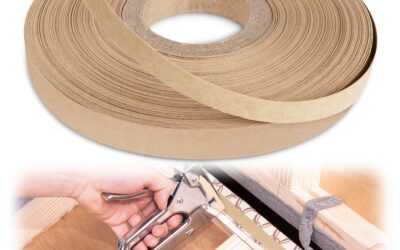
Fold and tuck corners like wrapping a gift, trimming bulk but never cutting into your tension line. A pneumatic or electric staple gun with 3/8-inch staples saves your hand over the several hundred staples this takes. Attach the outside back and finally the cambric dust cover last, folding its raw edge under for a clean underside. Tack strip and welt cord give the seams a finished, factory look instead of a raw stapled edge.
What You’ll Need
The materials below are ranked by owner rating, and they’re fabrics and dust covers, not full frame-and-foam kits. The two dust-cover cambrics handle the underside; the canvas and chenille yardage suits visible panels on smaller projects or repairs. Start with #1 for the underside, and price your visible fabric by the panel count your teardown gives you.

Pros
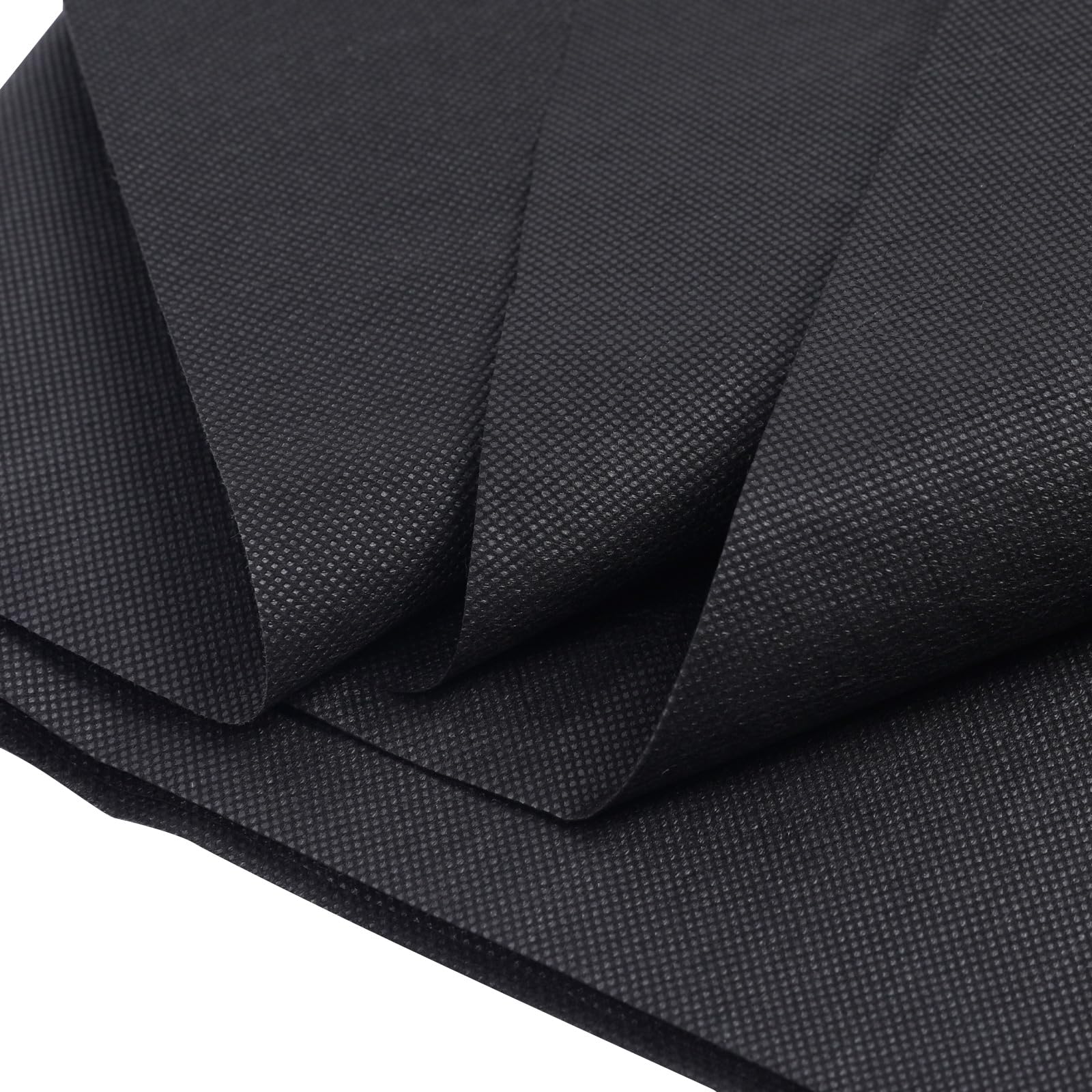
- Generous 3-yard length covers large furniture pieces without piecing together multiple sections
- Durable non-woven polypropylene resists tearing during installation
- Budget-friendly at under $10 for a substantial repair project
- Easy to cut and trim to exact furniture dimensions
Cons
- Thin material may show wear faster than original upholstery fabric in high-traffic furniture
- Requires a staple gun and basic DIY comfort level for proper installation
- Limited color option (black only) may not suit all furniture repair needs
This is one of those products that saves you hundreds of dollars without anyone ever knowing you made a repair. If your box spring has a torn bottom or your vintage sofa's dust cover is hanging loose, this fabric gives you an instant fix that looks professionally done.
The 60-inch width is generous enough to handle most furniture in one continuous piece, which means no awkward seams or patching. The black color disappears underneath furniture, and the material is stiff enough to staple neatly without bunching or wrinkling.
If you want to rescue sagging furniture bottoms without paying for reupholstery or replacement, this one delivers.
Styles it works with: Any style (hidden under furniture), Traditional, Transitional, Modern
Best placed in: Bedroom box springs, living room sofas and armchairs, guest room mattress foundations, den recliners
May not suit: Visible furniture applications where fabric quality matters aesthetically, outdoor furniture exposed to moisture, homes needing colored fabric to match specific upholstery
Buy it if:
- Your box spring or sofa has a torn, sagging, or missing bottom dust cover
- You're comfortable using a staple gun and want a DIY furniture repair solution
- You need to cover standard full or king size bed frames in one piece
Consider waiting if:
- You need a color other than black to match existing furniture fabric
Skip it if:
- Your furniture needs structural repair beyond just replacing the bottom fabric
- You need heavy-duty upholstery fabric for visible seating surfaces or high-wear areas
Check the latest price and availability on Amazon before it sells out.

House2Home Black Cambric Dust Cover Fabric 60x108in - Professional Furniture Bottom Lining for Upholstery & DIY Projects
Pros
- Generous 60x108 inch coverage handles large furniture pieces
- Lightweight material is easy to cut and attach for DIYers
- Budget-friendly way to refresh worn furniture bottoms
- Stretches slightly to accommodate curves and corners
- Black color hides dirt and blends with most furniture frames
Cons
- Only 1.2 oz weight may feel thin compared to heavier cambric
- No customer reviews yet to verify long-term durability
- May require careful handling to avoid punctures during installation
If you've ever flipped over your sofa and cringed at the torn, sagging fabric underneath, this cambric dust cover is the simple fix that makes your furniture look showroom-ready again. It's exactly what upholsterers use to create that clean, finished underside, but now you can do it yourself for the cost of lunch.
The 60x108 inch size is generous enough to cover a full sofa or queen box spring without piecing sections together, and the slight stretch in the polypropylene fabric means it wraps around corners without tearing when you pull it taut. It's satisfying to see a beat-up couch suddenly look professionally maintained from every angle.
If you want to extend the life of quality furniture without spending hundreds on reupholstery, this delivers a clean finish that makes DIY repairs look intentional, not makeshift.
Styles it works with: Transitional, Modern, Traditional, Minimalist (black fabric works universally as an underside detail)
Best placed in: Under living room sofas and sectionals, beneath bedroom box springs, lining the bottom of upholstered chairs and ottomans
May not suit: Outdoor furniture exposed to moisture, antique pieces where original cambric should be preserved, furniture that requires flame-retardant materials by code
Buy it if:
- Your sofa or chair has a torn or missing dust cover and you want to restore the finished look
- You're reupholstering furniture yourself and need professional-looking cambric for the underside
- You want to hide under-bed storage boxes or line cabinet bottoms with a clean black barrier
Consider waiting if:
- You need a heavier-weight cambric for high-traffic commercial furniture
Skip it if:
- You need flame-retardant certified fabric for rentals or commercial spaces
- Your furniture requires cambric smaller than 60 inches wide (you'll have excess waste)
Check the latest price and availability on Amazon before it sells out.

Pros
- Sturdy weight suitable for high-traffic seating like dining chairs and barstools
- Does not fray at cut edges, making it beginner-friendly for DIY projects
- Soft hand feel with a convincing linen-like texture
- Pre-cut yardage reduces waste for small furniture projects
Cons
- No customer reviews available to verify color accuracy or long-term durability
- Beige shade may vary from screen images, difficult to match without ordering a swatch first
- 2-yard cut may not be enough for larger furniture like full sofas or oversized chairs
This fabric hits the sweet spot for DIYers who want to refresh tired dining chairs or recover cushions without investing in expensive upholstery-grade materials. The faux linen texture gives furniture a soft, natural look that works in both farmhouse and modern spaces, while the polyester base means you won't deal with the wrinkling or shrinkage that real linen brings.
What sets this apart is how it handles during actual use. The fabric is thick enough to hide old padding imperfections and doesn't fray when you cut it, so even if you're new to reupholstery, you won't end up with messy edges. It's pliable enough to tuck and staple around chair frames without fighting you, which matters when you're working on curved seat backs or corner details.
If you want to update your dining room seating on a budget without settling for flimsy craft fabric, this one delivers.
Styles it works with: Modern Farmhouse, Coastal, Scandinavian, Transitional
Best placed in: Dining room chairs, breakfast nook seating, home office desk chairs, bedroom vanity stools
May not suit: Homes with pets that scratch furniture (polyester can snag), minimalist spaces that need crisp white or stark black tones, large sectional sofas (2 yards won't cover enough surface area)
Buy it if:
- You're reupholstering 2-4 dining chairs or barstools and want matching fabric
- You need a neutral beige that coordinates with warm wood tones and natural textures
- You're a beginner at DIY upholstery and want fabric that won't fray or fight you during stapling
Consider waiting if:
- You need to see the exact beige shade in person first (no reviews confirm color accuracy)
Skip it if:
- You're covering a full sofa or large sectional (2 yards won't be enough)
- You have cats or dogs that scratch at furniture (polyester snags easily)
Check the latest price and availability on Amazon before it sells out.
Pros
- 63-inch width reduces or eliminates seams on most furniture pieces
- 80gsm weight is noticeably sturdier than typical dust cover fabrics
- Black finish looks professional and hides well under dark furniture
- Breathable material prevents moisture and mold issues
- Cuts and staples easily without special tools
Cons
- No customer reviews yet to confirm real-world durability claims
- 2-yard length may not be enough for larger sectionals or multiple projects
- Lacks installation instructions for first-time upholstery DIYers
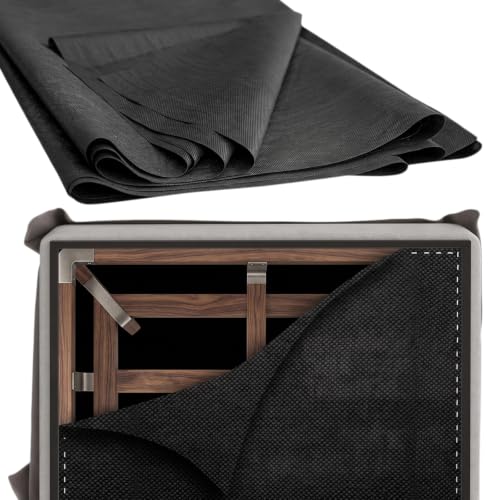
If you have ever tried to reupholster a sofa bottom with flimsy dust cover fabric, you know the frustration of tears, wrinkles, and visible seams. This DrWeave fabric fixes those problems with a smarter design. The 63-inch width means you can cover most furniture bottoms in one seamless piece, and the 80gsm weight feels substantial in your hands without being stiff or hard to work with.
The deep black color is a small detail that makes a big difference. Instead of beige or gray fabric that shows through gaps in dark furniture frames, this blends invisibly. It gives your DIY reupholstery project the polished look of professional work. The breathable polypropylene construction is a practical bonus since it prevents moisture from getting trapped inside your furniture over time.
If you want a dust cover fabric that installs cleanly and holds up to real use without looking homemade, this one delivers.
Styles it works with: Modern, Transitional, Industrial, Contemporary
Best placed in: Under sofas, chairs, loveseats, box springs, or ottomans in living rooms, bedrooms, or family rooms where the furniture bottom is visible or needs a clean finish
May not suit: Projects requiring more than 2 yards of fabric (such as large sectionals or multiple furniture pieces), or buyers who need a color other than black to match lighter furniture frames
Buy it if:
- You are reupholstering one sofa, loveseat, or two chairs and want professional-looking results
- You need extra-wide fabric to avoid visible seams on furniture bottoms
- You have a staple gun and basic DIY skills but want material that won't tear during installation
Consider waiting if:
- You need customer reviews to confirm durability claims before committing
- You are tackling a large sectional and need more than 2 yards of fabric
Skip it if:
- You need a lighter color to match beige, gray, or natural wood furniture frames
- You want pre-cut dust covers with finished edges instead of cutting fabric yourself
Check the latest price and availability on Amazon before it sells out.

Pros
- Thick, durable fabric holds up well on high-traffic furniture
- Soft, velvety texture feels luxurious against skin
- Wide 57-inch width reduces piecing for large projects
- Non-fray edges simplify DIY sewing and stapling
- Available in multiple yardage options to minimize waste
Cons
- No customer reviews yet to verify long-term durability claims
- May require steaming upon arrival to remove creases
- Brown color may limit versatility compared to neutral tones
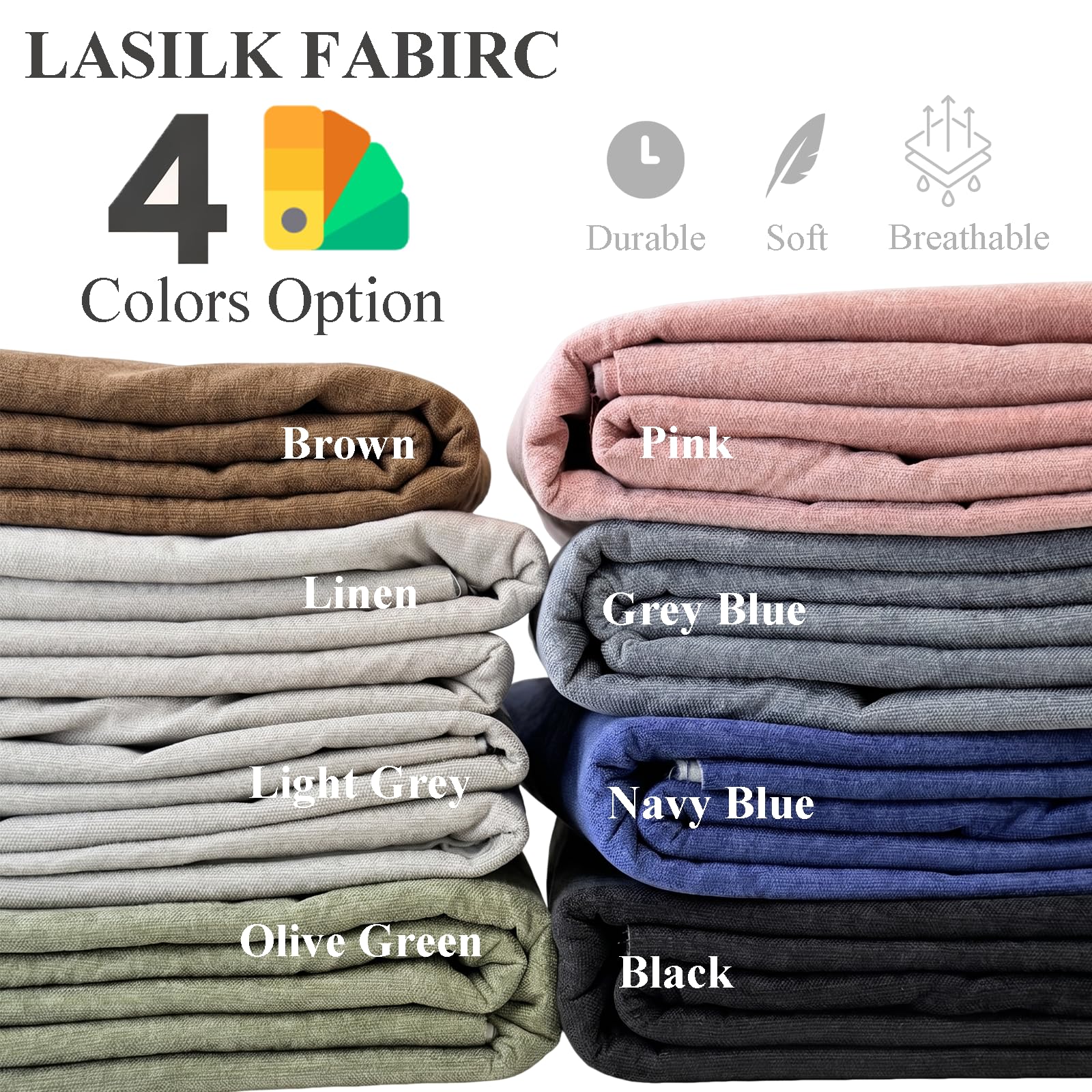
This chenille fabric hits that sweet spot between luxury feel and practical durability. The moment you touch it, you notice the plush, velvety texture that makes you want to sink into whatever you're covering. But unlike lighter chenilles that show wear quickly, this one has real weight and body to it, the kind that holds its shape on a sofa arm or chair seat that gets daily use.
What makes it especially appealing for home projects is how forgiving it is to work with. The 57-inch width means fewer seams to match, and that non-fray backing keeps edges clean even if your cutting isn't perfectly straight. Whether you're recovering a tired armchair or sewing throw pillows to refresh your living room, this fabric behaves itself.
If you want furniture that looks expensive and feels cozy without paying custom upholstery prices, this one delivers.
Styles it works with: Modern Farmhouse, Transitional, Contemporary, Classic Traditional
Best placed in: Living room sofas and accent chairs, bedroom headboards and benches, dining room chair seats, cozy reading nooks
May not suit: Homes with pets that shed heavily (chenille texture can trap fur), ultra-modern minimalist spaces that favor smooth leather or linen, outdoor or high-moisture areas like sunrooms
Buy it if:
- You're reupholstering a favorite chair or sofa and want fabric that will last
- You need a soft, elegant material for throw pillows or window treatments
- You're tackling your first upholstery project and want fabric that's easy to handle
- You want a luxe look without the custom fabric shop price tag
Consider waiting if:
- You need to see and feel the exact brown shade in person before committing
- You're hoping for customer photos showing the fabric in real room settings
Skip it if:
- You need outdoor-rated or water-resistant upholstery fabric
- You have pets with sharp claws that could snag the chenille loops
Check the latest price and availability on Amazon before it sells out.
The UBCGOTT cambric leads at 4.9 and covers the frame underside where staples and springs show, sold as a 60-inch by 3-yard cut. The House2Home cambric matches it in purpose at 4.6 in a wider 60-by-108-inch black panel. The TinaKim faux-linen canvas, also 4.6, is a 57-by-72-inch piece sized for seat or chair repairs rather than a whole sofa. The DrWeave non-woven dust cover sits at 4.4, the honest middle here, and the LaSilk chenille rounds it out at 4.3 as a by-the-yard visible fabric, the lowest rating of the group and best for accent panels than full coverage.
Frequently Asked Questions
Is it cheaper to reupholster or buy a new couch?
It depends on the frame. Reupholstering a solid hardwood-framed sofa often costs less than a comparable new one, but recovering a cheap particleboard frame rarely pays off. Fabric alone runs 8 to 15 yards.
How long does it take to reupholster a couch?
A first-timer should budget one to two full weekends. Teardown and labeling eat the first day, and stapling new fabric with clean corners eats the second. Rushing the tension is what causes puckering.
Do I need a sewing machine?
For most sofas, only for piping and cushion covers. The main panels staple directly to the frame with no sewing. A basic machine helps for welt cord and zippered cushions, but it’s not required for a plain recover.
What kind of fabric is best for a couch?
A mid-weight woven rated 15,000-plus double rubs for daily use. Canvas and chenille hold up to family traffic, while linen suits low-use formal rooms. OEKO-TEX certified fabric adds a chemical-safety check for homes with kids or pets.
Can you reupholster over the existing fabric?
Almost never a good idea. Old fabric adds bulk, hides staple points, and traps odors. Removing it also gives you the panels you need as a cutting pattern, so strip it down rather than layering over.
How many staples does reupholstering use?
A mid-size sofa hides 400 to 700 staples, and you’ll use a similar count going back on. A pneumatic or electric gun with 3/8-inch staples is worth it, because a manual gun wears out your hand fast.
What is cambric and do I need it?
Cambric is the thin black dust cover stapled to the couch’s underside. Yes, you need it: it hides the frame and staples, blocks dust, and gives the sofa a finished bottom. It’s the last piece on and the first off.
Bottom Line
Reupholstering a couch is realistic for a solid hardwood frame and a wasted effort on a wobbly particleboard one, so check the joinery and springs before you buy a yard of fabric. Keep the old panels as your pattern, work in reverse of the teardown, and staple from the center of each side outward for even tension. Budget 8 to 15 yards, a full weekend or two, and a proper staple gun. If the frame flexes or the coils sag, rebuild the structure first or hand it to an upholsterer, because no fabric saves a dead frame.
Write Your Review
No reviews yet. Be the first to share your experience!