

> Editorial Note: I’m Erin Schwartz, and I cover home decor with a bias toward what actually works in a real room. The guidance here weighs scale, layout, and materials against Apartment Therapy and Wirecutter coverage rather than styling a space that nobody lives in.
Most people grab a pry bar and start levering at the glass. That’s the mistake that turns a 20-minute job into a mess of shattered glass and gouged drywall. Whether you’re swapping in one of these bathroom mirror ideas, upgrading to a best bathroom mirror with lights, or resizing after checking what size mirror for bathroom vanity, the old mirror comes off the wall first, and how you do it depends entirely on how it was hung. If you’re troubleshooting a why is my bathroom mirror foggy problem, planning a swap in a how to choose a bathroom mirror for small bathroom, or shopping a bathroom mirror under $100, start by figuring out the mount.
How is your bathroom mirror mounted?
A bathroom mirror hangs one of two ways: metal clips (or a J-channel) gripping its edges, or a bed of construction adhesive pressed straight onto the drywall. The clip method is the easy one. Look along the top and bottom edges for small metal or plastic brackets, usually 1 to 2 inches wide, or a continuous channel that the glass slides into.
If you see no clips and the mirror sits flush against the wall with no visible gap, it’s glued. Family Handyman notes that builders often use mastic adhesive because it’s cheap and fast, which is exactly what makes removal harder. Slide a plastic putty knife behind a corner: a stop against a firm mass means mastic, while a free slide means clips hiding under a trim frame.

What safety prep do you need before touching the glass?
Tape the entire mirror face in a crosshatch grid before you loosen anything. Painter’s tape or duct tape across the glass in a grid roughly every 6 inches holds the pieces together if it cracks, so a break stays contained instead of raining shards into the sink. This Old House recommends the same step for any wall-mounted glass over 2 feet wide.
Wear cut-resistant gloves and eye protection, not reading glasses, because mirror edges are unpolished and sharp enough to open skin. A large vanity mirror can weigh 15 to 30 pounds, so grab a second person for anything wider than about 30 inches. One holds, one works. Lay a moving blanket or thick cardboard in the sink and along the counter to catch a slip.
How do you take down a clip-mounted mirror?
Clip-mounted mirrors lift straight off once the top clips are loose, so start at the top. The bottom clips or J-channel usually carry the weight and stay fixed, while the top ones either unscrew or swing aside. Back out the top screws with a screwdriver, or rotate spring clips upward until the glass edge clears them.
With the top free, tilt the mirror’s top edge toward you a few degrees and lift up and out of the bottom channel. Keep both hands under the glass, not on the face. Bob Vila’s removal guidance stresses lifting rather than pulling, since the bottom rail can chip the glass if you drag it forward. Set the mirror down on its long edge against a padded wall, never flat where it can flex and snap.

How do you remove a glued mirror without shattering it?
Work a thin, flexible pry tool behind the glued mirror and cut the adhesive gradually, never in one hard yank. After taping the face, slide a wide putty knife or a length of stiff wire (fishing line and dental floss work on thin beads) behind the mirror at a top corner and saw side to side to slice the mastic.
Move down in small sections, wedging wooden shims into each freed gap to hold tension so the glass doesn’t slam back. Go slow. A glued mirror often takes 30 to 45 minutes of patient cutting, and rushing is what cracks it. If the adhesive won’t release, a heat gun on low held 6 inches off the surface softens old mastic, and keeping it moving avoids the thermal stress that cracks glass.
How do you fix the wall and dispose of the mirror afterward?
Expect torn paper and adhesive ridges on the drywall behind a glued mirror, and plan to skim it flat before repainting. Scrape off high spots of mastic with a putty knife, then sand lightly. Skim any gouged paper with a thin coat of joint compound, let it dry, and sand smooth. A quart of compound covers this easily.
For disposal, wrap the mirror in its tape grid, then in a moving blanket or several layers of cardboard, and tape it into a rigid bundle. Most curbside recycling won’t take mirror glass because the reflective coating contaminates the batch. Label the bundle “broken glass” for your hauler. An intact mirror in good shape is worth offering on a local buy-nothing group instead.
What You’ll Need
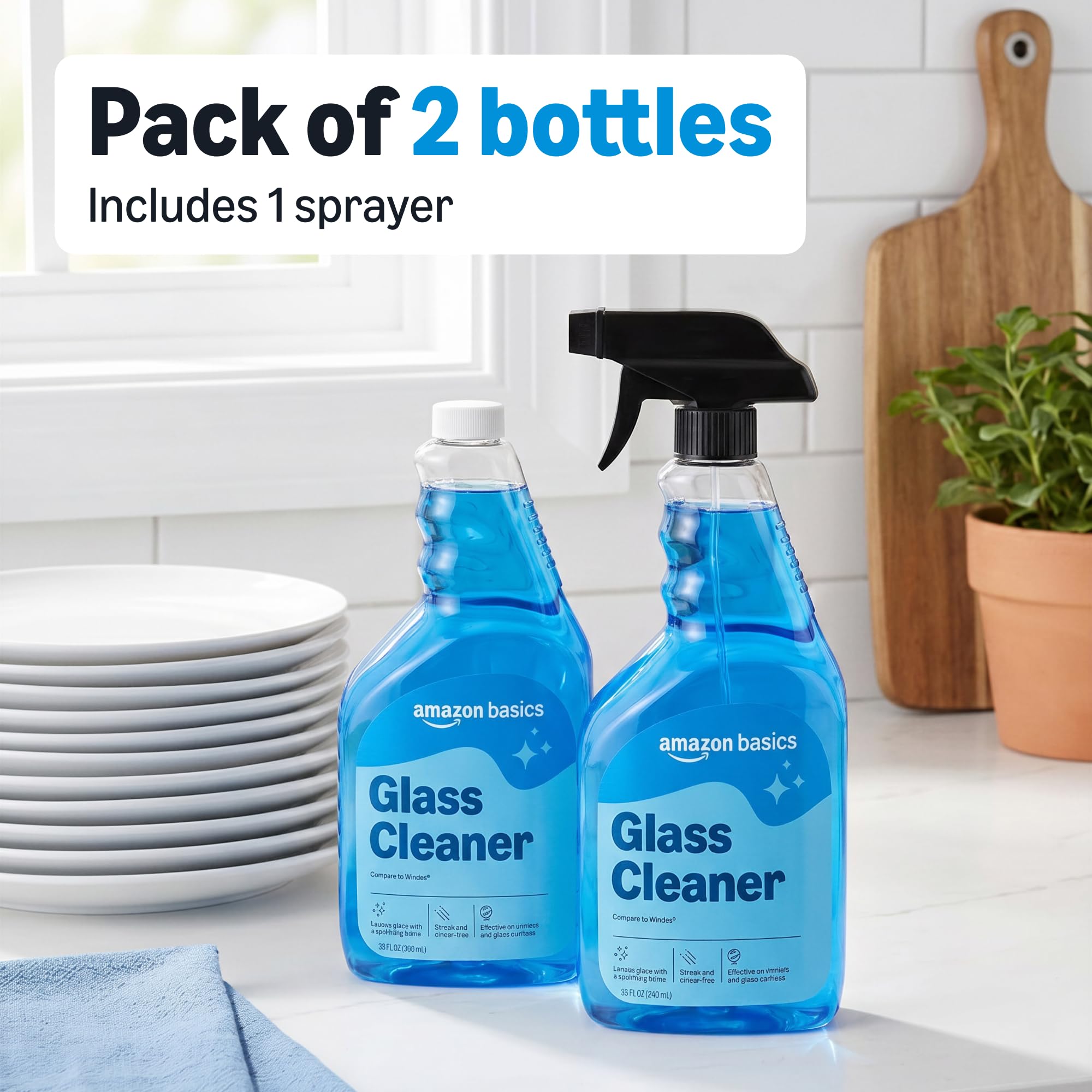
These supplies cover the cleanup and prep side of the job, chosen for glass safety and adhesive residue rather than heavy demolition. Lint-free cloths and a squeegee handle the final wipe-down; the cleaners cut the film and hard-water haze left on the wall or a mirror you’re keeping.
Pros
- Extra thick 320 GSM construction outperforms typical cleaning cloths
- Truly streak-free on glass and mirrors when used properly
- Machine washable without losing effectiveness over time
- Generous 16x16 inch size handles large windows and countertops efficiently
- Six cloths in a pack provide excellent value under $10
Cons
- No customer reviews yet to verify long-term durability claims
- May require specific washing instructions to maintain quality
- Blue color could show stains over time with heavy use
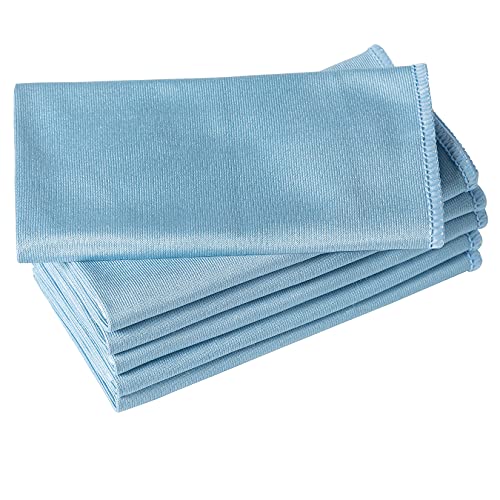
These Puomue microfiber cloths solve the most annoying part of cleaning glass: streaks and lint. At 320 GSM, they are noticeably thicker than the flimsy cloths that come in discount packs, which means they actually absorb water instead of just pushing it around. Use them damp on windows or mirrors, and you will get that squeaky-clean finish without spraying chemicals all over your home.
The 16x16 inch size is perfect for tackling large bathroom mirrors or kitchen windows without constantly re-folding. Toss them in the washing machine when they get grimy, and they come out ready to work again. At under $10 for six cloths, you can keep one in each bathroom, one for the kitchen, and still have extras.
If you want streak-free windows and shiny stainless steel appliances without buying expensive cleaners or wasting paper towels, this pack delivers.
Styles it works with: Modern, Minimalist, Scandinavian, Farmhouse (cleaning cloths work with any decor style)
Best placed in: Kitchen drawer for appliance cleaning, bathroom cabinet for mirror duty, garage or car cleaning kit for windshields, utility closet with other cleaning supplies
May not suit: Households that prefer disposable cleaning products or those who rarely clean glass surfaces
Buy it if:
- You are tired of streaky windows and mirrors that look worse after cleaning
- You want to stop buying paper towels or replace worn-out cleaning rags
- You have stainless steel appliances that show every fingerprint and smudge
- You clean your car interior or windshields regularly
Consider waiting if:
- You want to see verified customer reviews before purchasing
- You need a specific color to match your cleaning supply system
Skip it if:
- You prefer disposable cleaning wipes for convenience
- You only clean glass surfaces once or twice a year
Check the latest price and availability on Amazon before it sells out.

Pros
- Effectively dissolves hard water deposits and soap scum without harsh scrubbing
- No strong chemical odor that irritates eyes or requires ventilation
- Leaves glass and mirrors streak-free and crystal clear
- Quick application process saves time during bathroom cleaning
Cons
- Smaller 200ml size means more frequent repurchasing for larger bathrooms
- No customer reviews yet to confirm long-term performance claims
- May require multiple applications for heavily neglected or years-old buildup
If you have ever spent 20 minutes scrubbing cloudy shower doors only to see the same water spots return a week later, this cleaner solves that frustration. LUXFINISH targets the mineral deposits and soap film that build up on bathroom glass without requiring elbow grease or harsh fumes that make you cough.
What sets it apart is the no-ammonia formula. You can clean your shower doors before guests arrive without airing out the house for an hour. The streak-free finish means you spray, wipe with a dry towel, and walk away with glass that actually looks clean instead of smeared.
If you want a bathroom that looks freshly detailed without spending your Saturday scrubbing or breathing bleach, this one delivers.
Styles it works with: Modern, Minimalist, Contemporary, Spa-Inspired
Best placed in: Master bathroom shower, guest bathroom mirrors, glass partition walls in bathrooms
May not suit: Homes with textured or frosted glass that traps residue in crevices, bathrooms with severe years-old mineral buildup that may need professional treatment first
Buy it if:
- You clean your bathroom weekly and want to prevent hard water buildup before it gets severe
- You are sensitive to strong chemical smells and need a gentler formula that still works
- You have clear glass shower doors or large bathroom mirrors that show every water spot
Consider waiting if:
- You need a larger bottle for multiple bathrooms or commercial cleaning use
Skip it if:
- You have extremely neglected glass with years of buildup that may require a heavy-duty acid-based remover first
- You prefer multipurpose cleaners that also disinfect surfaces, as this focuses only on glass clarity
Check the latest price and availability on Amazon before it sells out.

Pros
- 2x stronger on lime and calcium compared to leading bathroom sprays
- Tackles hard water buildup effectively without bleach
- Multi-surface safe for glazed tile, porcelain, fiberglass, and chrome
- Sanitizes and cleans simultaneously in 30 seconds
- Pleasant scent without overwhelming chemical smell
Cons
- No customer reviews yet to confirm real-world performance
- May require repeat applications for extremely heavy buildup
- 32oz size might run out quickly for whole-home use
If you have hard water, you know the frustration of watching mineral stains creep back onto your shower doors and faucets no matter how often you clean. Lysol Power tackles that exact problem with a formula that specifically breaks down limescale and calcium without filling your bathroom with bleach fumes.
What sets this apart is the dual-action approach. It dissolves the mineral deposits and soap scum while simultaneously killing 99.9% of germs in 30 seconds. You are not just making surfaces look clean, you are actually sanitizing them. The Atlantic Fresh scent is a bonus that leaves bathrooms smelling crisp without that sharp chemical bite.
If you want a bathroom cleaner that handles hard water stains without harsh bleach odors, this one delivers.
Styles it works with: All interior styles benefit since this is a cleaning product, though particularly useful in Modern, Transitional, and Contemporary bathrooms with chrome and glass fixtures that show water spots easily.
Best placed in: Master bathroom shower, guest bathroom vanity area, powder room sink, anywhere with hard water buildup on tile or glass surfaces.
May not suit: Homes without hard water issues may not need the specialized limescale formula. Not ideal for natural stone surfaces like marble or granite that require pH-neutral cleaners.
Buy it if:
- You live in an area with hard water and deal with constant mineral buildup
- You want a bleach-free cleaner that still disinfects effectively
- You are tired of scrubbing soap scum and limescale off shower doors and fixtures
Consider waiting if:
- You want to see verified customer reviews before trying a new cleaner
- You need a larger bulk size for multiple bathrooms
Skip it if:
- You do not have hard water problems and need just a general bathroom cleaner
- You have natural stone surfaces that require specialized pH-neutral products
Check the latest price and availability on Amazon before it sells out.

Pros
- Rust-proof stainless steel body holds up well in wet environments
- Silicone blade creates a streak-free finish on glass and mirrors
- Two hook options make storage flexible and convenient
- Compact size ideal for smaller shower stalls
- Works on multiple surfaces beyond just shower doors
Cons
- 10-inch width requires multiple passes on larger shower doors
- No customer reviews yet to verify long-term durability claims
- Adhesive hooks may not stick well on textured tile surfaces
This squeegee solves one of those annoying everyday problems: keeping your shower glass clear without adding another chore to your routine. The stainless steel body feels substantial in your hand, and the silicone blade glides across glass without that fingernails-on-chalkboard squeak that cheaper models make. It takes about 15 seconds to wipe down your shower door after each use, which prevents those crusty water spots and soap scum buildup that require serious scrubbing later.
The included adhesive hooks are smarter than they sound. You can stick one inside your shower stall and keep the squeegee right where you need it, making it more likely you'll actually use it every day. The 10-inch width is compact enough to store easily but wide enough to cover ground quickly on standard shower doors. It also works well on bathroom mirrors, which means you can tackle steam fog after hot showers.
If you want a low-maintenance way to keep your shower glass crystal clear without weekly deep cleans, this one delivers.
Styles it works with: Modern Minimalist, Spa-Inspired Bathrooms, Contemporary, Industrial
Best placed in: Master bathroom shower stall, guest bathroom with glass doors, near kitchen sink for window cleaning, garage or mudroom for car window use
May not suit: Very large walk-in showers with expansive glass panels (you'll want a wider squeegee), bathrooms with heavily textured tile that won't hold adhesive hooks, households looking for a completely hands-free cleaning solution
Buy it if:
- You're tired of scrubbing hard water stains off your shower door every week
- You have a standard-sized shower stall (under 36 inches wide) where a 10-inch squeegee makes sense
- You want a multi-purpose tool that works on mirrors, car windows, and glass surfaces
- You prefer preventing buildup with quick daily maintenance over deep cleaning sessions
Consider waiting if:
- You want to see verified customer reviews before purchasing (this is a newer listing)
- You're hoping for a color option beyond silver stainless steel
Skip it if:
- You have an oversized walk-in shower with large glass panels that need a 12-inch or wider blade
- Your bathroom tile has a rough or porous texture where adhesive hooks won't stick properly
Check the latest price and availability on Amazon before it sells out.
Frequently Asked Questions
Can I remove a bathroom mirror by myself?
Yes for a clip-mounted mirror under about 30 inches. No for anything larger or glued. A big glued mirror needs two people, since one hand can’t cut adhesive and support 20-plus pounds of glass at once.
Will removing a glued mirror damage the drywall?
Almost always, yes. Mastic bonds to the paper facing, so expect torn spots and adhesive ridges. Plan on scraping, a skim coat of joint compound, and a light sand before you repaint the wall.
How do I know if my mirror has clips or is glued?
It depends on the edges. Visible metal or plastic brackets or a channel mean clips. A mirror sitting flush with no gap and no brackets is glued. Slide a putty knife behind a corner to confirm.
What’s the best tool to cut through mirror adhesive?
A wide, flexible putty knife for the bulk, plus stiff wire or fishing line for thin beads behind the glass. Wooden shims hold each freed section open so the mirror can’t snap back against the wall.
Should I tape the mirror before removing it?
Yes, always. A crosshatch tape grid every 6 inches across the face keeps shards bound together if the glass cracks. It’s the single step that separates a clean job from a bathroom full of broken glass.
Can I reuse or recycle the old mirror?
It depends on its condition. An intact mirror is easy to rehome through a buy-nothing group or thrift store. Broken mirror glass usually can’t go in curbside recycling because the coating contaminates the batch.
How long does it take to remove a bathroom mirror?
A clip-mounted mirror comes down in 15 to 20 minutes. A glued one runs 30 to 45 minutes of careful cutting, plus drywall repair time afterward. Rushing the glued type is what cracks the glass.
Bottom Line
Figure out the mount before anything else, because clips lift off in minutes while glued mirrors demand slow, patient cutting. Tape the face in a grid, wear gloves and eye protection, and bring a second person for anything wide or heavy. Behind a glued mirror you’ll find torn drywall that needs a skim coat and sanding. If the mirror spans a whole wall or won’t release after 45 minutes of cutting, hand it to a pro rather than forcing a break.


Write Your Review
No reviews yet. Be the first to share your experience!