

> Editorial Note: I’m Lauren Ro, and I write furniture buying guides. The picks here are judged on the specs that predict how a piece ages — frame joinery, foam density, and load ratings — checked against BIFMA and FSC certifications plus aggregated owner reports.
The most common mistake is reaching for the sander first. Aggressive sanding grinds old paint into the grain and rounds over the crisp edges that make a piece worth saving. Work in the right order instead, and you’ll pull the paint while keeping the wood underneath intact, the same care you’d give when you how to remove water rings from wood or how to remove water stains from wood furniture. If you’re still deciding whether the piece is solid enough to justify the effort, read mdf vs solid wood furniture before you start, and treat this like any careful restoration, the kind that also covers how to remove scratches from a glass table, how to remove rust from outdoor furniture, and how to remove stains from a couch.
Should You Strip, Sand, or Heat It Off?
Start with a chemical stripper for most painted furniture, because it lifts paint without touching the wood fibers. A gel or paste stripper clings to vertical legs and carved detail where a liquid runs off, and it typically needs 15 to 20 minutes of dwell time before the finish bubbles. That’s the safe default for anything with turned spindles or veneer.
Heat guns work faster on thick paint layers, but they run hot enough to scorch wood and can soften glue joints, so they’re better on flat, chunky pieces than on delicate ones. Sanding is the last resort, not the first move. It’s the only method that removes wood along with paint, and on veneer thinner than a credit card, a belt sander can cut through the entire face in one pass. Reserve it for final smoothing once the bulk of the paint is gone.
How Do You Protect the Wood Grain While You Work?
Keep the stripper wet and never let it dry on the surface. Once a stripper flashes off, it re-deposits softened paint back into the open grain, and that’s when you get the gray, cloudy look that no amount of wiping fixes. Reapply a fresh coat over any spot that starts to dry before you scrape.
Swab for lead paint before touching anything built before 1978. The EPA’s Renovation, Repair and Painting rule exists because sanding pre-1978 paint releases lead dust, so a $10 swab kit is non-negotiable on older pieces. Work with the grain, not across it. Apartment Therapy and Wirecutter both flag cross-grain scratching as the top reason a stripped piece looks worse than it did painted.
What’s the Right Way to Scrape Without Gouging?
Hold the scraper at a low angle, around 30 degrees, and let the softened paint do the work. A steep angle digs the corner of the blade into the wood and leaves crescent-shaped gouges that show through stain. Rounded plastic scrapers are safest on veneer; a sharp metal one is fine on solid hardwood.
Pull, don’t chisel. When the stripper has fully lifted the finish, the paint sheds in ribbons with almost no pressure. If you’re forcing it, the dwell time was too short, so stop and reapply rather than pressing harder. For carved recesses and molding, a stiff nylon brush or a folded piece of coarse burlap reaches into detail a flat blade can’t.
How Do You Neutralize and Clean the Residue?
Neutralize the surface before you do anything else. Most solvent strippers leave a waxy film that stops stain and finish from bonding, so wipe the piece down with mineral spirits or the neutralizer the stripper’s label names. Let it flash off completely, usually 30 to 60 minutes, before sanding.
Then clean off the fine residue with a wood-safe cleaner and a lint-free cloth. This is where a gentle degreaser earns its place, cutting the last of the softened-paint haze without raising the grain. Follow with a light 220-grit hand sanding once dry, wiping the dust away with a tack cloth. A clean, neutralized surface is what separates a finish that lasts a decade from one that peels in a season.
What You’ll Need
These aren’t paint strippers, and none of them will lift a finish on their own. They cover the cleanup and refinishing stages, which is where a stripped piece is actually won or lost. I picked cleaners and finish helpers rated by owners for gentle use on wood, and listed them so you can start with a general surface cleaner and finish with a scratch touch-up.

Pros
- Specifically formulated for wood and painted cabinets unlike generic all-purpose cleaners
- Plant-based ingredients are safer for homes with children and pets
- Leaves no sticky residue or streaks after wiping
- Versatile enough to use on all wooden furniture throughout the home
- Mild formula won't strip or fade delicate cabinet finishes
Cons
- May require multiple applications for heavy grease or stubborn cooking grime
- No customer reviews yet to verify long-term performance claims
- Price not listed makes it difficult to assess value compared to competitors
This cabinet cleaner takes a smarter approach to kitchen maintenance. Instead of harsh all-purpose sprays that slowly dull your cabinets, UDGOG uses a plant-based formula designed specifically for wood and painted surfaces. It tackles everyday messes like fingerprints and light grease without leaving that sticky film many cleaners leave behind.
What makes it stand out is how it protects your investment. Wood cabinets are expensive, and most homeowners don't realize their regular cleaner is slowly wearing down the finish. This formula keeps surfaces smooth and naturally bright without stripping or fading, which matters if you want your kitchen to look fresh years from now.
If you want a cabinet cleaner that maintains wood finishes without the chemical smell or residue, this one delivers.
Styles it works with: Modern Farmhouse, Scandinavian, Traditional, Transitional
Best placed in: Kitchen cabinets, bathroom vanities, living room built-ins, bedroom wood furniture
May not suit: Homes needing heavy-duty degreaser for commercial-level cooking buildup, renters who cannot control existing cabinet damage
Buy it if:
- You have wood or painted cabinets that need gentle daily maintenance
- You want to avoid harsh chemicals that fade or strip cabinet finishes over time
- You need one cleaner that works on all wooden furniture throughout your home
Consider waiting if:
- You need to see the price and compare it to other wood-safe cleaners first
- You want to read verified customer reviews before committing
Skip it if:
- You need a heavy-duty degreaser for thick, caked-on cooking grime
- You prefer all-purpose cleaners that work on multiple surface types beyond wood
Check the latest price and availability on Amazon before it sells out.

TSPE Wall Cleaner & Degreaser Spray - No-Rinse TSP Alternative for Paint Prep & Kitchen Cabinets (500ml)
Pros
- Modern TSP alternative without phosphates or harsh rinse requirements
- Safe for untreated wood which is rare in degreasers
- Biodegradable formula breaks down in 14 days
- Versatile for both interior paint prep and general surface cleaning
- Economical concentration ratio stretches the bottle
Cons
- No customer reviews yet to verify performance claims
- Small 500ml size may require multiple bottles for whole-room projects
- Higher price point compared to traditional TSP powder
This is the cleaner you reach for when you are finally tackling that kitchen cabinet refresh or prepping walls before paint. Unlike traditional TSP that requires gloves, goggles, and multiple rinse cycles, this formula lets you spray, wipe, and move on. It cuts through grease and grime without the drama.
What sets it apart is the bare wood safety. Most degreasers will stain or damage untreated wood, but this one was designed for it. That makes it invaluable if you are working with raw wood furniture, unfinished cabinets, or deck surfaces. The biodegradable formula also means you are not pouring harsh chemicals down the drain or worrying about your septic system.
If you want effective paint prep and degreasing without spending your afternoon rinsing walls or wearing protective gear, this one delivers.
Styles it works with: Modern Farmhouse, Scandinavian, Minimalist, Coastal
Best placed in: Kitchen cabinets and backsplash, bathroom tiles, mudroom or entryway walls before repainting, exterior siding and deck railings
May not suit: Homes needing industrial-strength degreasing for heavy buildup, renters who cannot make surface modifications, households looking for large-format bulk cleaning products
Buy it if:
- You are prepping walls or cabinets for painting and want to skip the rinse step
- You need to degrease bare wood furniture or unfinished surfaces safely
- You prefer eco-friendly cleaning products that are septic-safe and biodegradable
Consider waiting if:
- You need to see verified customer reviews before committing to a new cleaning product
- You are looking for a larger bottle size for whole-home projects
Skip it if:
- You need heavy-duty industrial degreasing for restaurant or commercial kitchens
- You prefer bulk powder concentrates over ready-to-use spray bottles
Check the latest price and availability on Amazon before it sells out.

Pros
- Significantly larger than standard furniture wipes at 8x10 inches
- Multi-surface formula works on cabinets, tables, carved wood, and doors
- Non-greasy finish avoids the sticky residue left by many wood polishes
- Resealable packaging prevents wipes from drying out
- Pleasant lemon scent without overpowering chemical odor
Cons
- No customer reviews yet to confirm long-term performance claims
- At $14.99 for 70 wipes, costs more per wipe than some spray alternatives
- May require multiple wipes for heavily soiled or neglected wood surfaces
If you have wood furniture scattered across multiple rooms, these wipes are a time-saver. The 8x10 inch size means you can tackle a dining table or cabinet front in a few swipes instead of going through half a dozen smaller wipes. They handle everyday dust and fingerprints while adding a subtle shine that makes wood look freshly oiled without the greasy film.
The lemon scent is light enough that it does not compete with candles or diffusers, and the flip-top container keeps wipes from drying out between weekly cleanings. We appreciate that they work on carved details and trim without leaving buildup in grooves, which is where spray polishes often fail.
If you want quick wood maintenance that looks polished without dedicating an afternoon to oiling and buffing, this one delivers.
Styles it works with: Modern Farmhouse, Traditional, Transitional, Rustic
Best placed in: Kitchen for cabinet touch-ups, dining room for table maintenance, home office for desk care, entryway for console and door cleaning
May not suit: Homes that prefer all-natural or fragrance-free cleaning products, or those with antique wood requiring specialized conservation-grade care
Buy it if:
- You clean wood surfaces weekly and want a faster routine than spray bottles
- You have kitchen cabinets, dining tables, or office furniture that show fingerprints easily
- You prefer the control of wipes over aerosol sprays near upholstery or walls
Consider waiting if:
- You want to see verified customer reviews before committing to a new brand
Skip it if:
- You only clean wood once a month and a smaller pack makes more sense
- You need a fragrance-free formula for scent-sensitive households
Check the latest price and availability on Amazon before it sells out.

Pros
- Versatile formula works on multiple surface types throughout the home
- Dust-locking technology prevents dust from becoming airborne
- Non-toxic and safe for households with kids and pets
- Streak-free finish reveals natural wood shine
- Easy application with quick results
Cons
- No customer reviews yet to verify long-term performance
- 16oz bottle may require frequent repurchasing for larger homes
- May not be strong enough for heavy grime or deep cleaning tasks
This dusting spray takes the frustration out of everyday cleaning. Instead of pushing dust around or watching it float back onto your freshly wiped table, the dust-locking technology actually traps it so surfaces stay cleaner longer. It works on everything from your dining room table to steel cabinet handles, which means you can streamline your cleaning routine with one bottle instead of juggling multiple products.
What really stands out is how gentle it is. The non-toxic formula means you can spritz your coffee table without worrying about your toddler touching it five minutes later, or your cat hopping up for a nap. And unlike some cleaners that leave behind a sticky film or dull your wood finish, this one reveals the natural beauty of your furniture with a streak-free shine.
If you want a simple, effective cleaner that handles daily dust and smudges without harsh chemicals or extra effort, this one delivers.
Styles it works with: Modern Farmhouse, Scandinavian, Traditional, Transitional
Best placed in: Living room side tables and shelves, dining room wood furniture, bedroom dressers and nightstands, home office desks
May not suit: Homes needing heavy-duty degreasers for kitchen appliances, households looking for disinfecting properties beyond dusting and shine
Buy it if:
- You have wood furniture that needs regular dusting and shine maintenance
- You prefer non-toxic cleaners safe for kids and pets
- You want one product that works on multiple surface types
- You are tired of streaky finishes or sticky residue from other sprays
Consider waiting if:
- You want to see verified customer reviews before purchasing
- You need bulk sizing or a subscription option for cost savings
Skip it if:
- You need a disinfectant or antibacterial cleaner for high-touch surfaces
- You require heavy-duty degreasing for kitchen or garage surfaces
Check the latest price and availability on Amazon before it sells out.
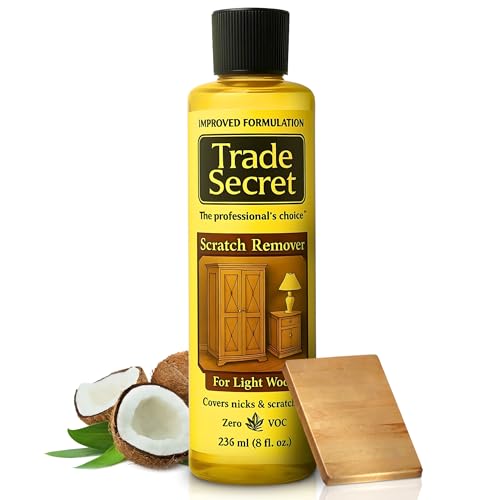
Pros
- Pet-safe coconut oil formula with zero VOCs and no harsh fumes
- Fast application that covers scratches in minutes without sanding
- Wax-free finish prevents sticky buildup and streaking
- High 4.9/5 rating indicates strong customer satisfaction
- Works on multiple surfaces including floors, furniture, and cabinets
Cons
- Only effective on light wood tones, requires separate product for medium or dark finishes
- Does not fill deep gouges, only conceals discoloration on surface scratches
- Must test on hidden area first as color match varies by wood type
If you have pets or kids, this scratch remover feels like a small miracle. Instead of living with claw marks on your coffee table or scuffs along your baseboards, you can make them disappear in under five minutes with just a few drops and a cloth. The coconut oil base means you are not breathing in harsh chemicals while you work, and there is no waxy buildup to attract dust later.
What sets this apart from drugstore wood markers is the professional-grade formula. It blends into the wood grain naturally instead of sitting on top like a crayon. The light shade works beautifully on blonde oak, birch, and pine finishes common in modern farmhouse and Scandinavian interiors. One bottle covers dozens of scratches, making it far more economical than calling in a repair service.
If you want to erase visible pet damage and everyday wear without the time and cost of refinishing, this one delivers.
Styles it works with: Modern Farmhouse, Scandinavian, Coastal, Minimalist
Best placed in: Living room furniture with pet traffic, kitchen cabinets with light finishes, bedroom floors near pet sleeping areas, entryway trim and baseboards
May not suit: Homes with medium or dark wood tones like walnut or cherry, laminate or vinyl plank flooring, unfinished or raw wood surfaces
Buy it if:
- You have dogs or cats that have left claw marks on light-colored wood furniture or floors
- You want a non-toxic solution safe to use around pets and children
- You need quick touch-ups for cabinets, trim, or engineered wood without hiring a professional
Consider waiting if:
- You are unsure of your exact wood tone and want to order a sample kit first
Skip it if:
- Your furniture or floors are medium to dark wood tones like cherry, mahogany, or walnut
- You have deep gouges that need filling, not just surface discoloration
Check the latest price and availability on Amazon before it sells out.
The UDGOG Kitchen Cabinet Cleaner leads at a 4.7 rating and is built for gentle use on wood and painted surfaces, which makes it a safe first wipe-down. The SURF PRO TSPE spray is a no-rinse TSP alternative at 4.6, handy for cutting grease before you strip. Air Jungles wipes hold a 4.3 rating for quick residue passes.
Two picks sit lower, and it’s worth knowing why. The PROSOL WORKS dusting spray rates 4.2, a score that usually signals unit-to-unit variation rather than a bad product, so buy it for shine, not heavy cleaning. The Trade Secret Light Wood Scratch Remover sits at 4.0, the honest floor of this list; it’s a touch-up for light scratches on lighter wood tones, not a repair for gouges.
Frequently Asked Questions
Can I remove paint from wood without chemicals?
Yes, with a heat gun or careful sanding, but both risk the wood. Heat can scorch and soften glue joints; sanding removes fiber. A gel stripper is gentler on the piece than either mechanical method.
Will vinegar remove paint from wood furniture?
It depends. Warm vinegar softens some water-based latex paint enough to scrape, but it does almost nothing to cured oil-based or spray enamel. Treat it as a mild first attempt, not a reliable stripper.
How do I know if the old paint contains lead?
Use a lead swab kit on anything painted before 1978. The EPA flags that era specifically. A swab that turns pink or red means lead, so contain the dust and skip dry sanding entirely.
Do I have to sand after stripping paint?
Almost always. Stripping lifts the paint but leaves a slightly rough, sometimes fuzzy surface. A light 220-grit pass smooths it and opens the grain so stain or finish bonds evenly across the whole piece.
Can I paint over old paint instead of stripping?
Yes, if the existing paint is sound and clean. Degrease it, scuff-sand for grip, and prime. Strip only when the old layer is chipping, cracking, or so thick it hides the detail you want back.
What removes paint from wood without damaging the finish underneath?
A gel stripper applied in short dwell windows lets you lift the top coat while checking the layer below. Pull it the moment the finish you want reappears, then neutralize fast before the solvent bites deeper.
How long does it take to strip a dresser?
It depends on the paint layers, but plan for a full weekend. A single dresser often needs two or three stripper applications, plus overnight drying before sanding. Rushing the dwell time is what forces the extra coats.
Bottom Line
For most painted furniture, a gel chemical stripper does the job with the least damage: apply it thick, give it 15 to 20 minutes, and scrape at a shallow angle with the grain. Neutralize the surface before you sand, or your new finish won’t bond. If the piece predates 1978, swab for lead first and stop if it’s positive, because that’s a job for containment gear or a pro, not a Saturday afternoon.



Write Your Review
No reviews yet. Be the first to share your experience!