

> Editorial Note: I’m Lauren Ro, and I write furniture buying guides. The picks here are judged on the specs that predict how a piece ages — frame joinery, foam density, and load ratings — checked against BIFMA and FSC certifications plus aggregated owner reports.
The most expensive mistake in a bathroom teardown happens before the tub ever moves: people start prying at the deck without deciding whether they’re salvaging the tub or scrapping it, and that one choice rewrites every step that follows. Removing a tub is rarely a standalone job, so it usually kicks off the same remodel that ends with new bathroom cabinets and a fresh vanity bathroom. Line up your bathroom ideas first, price a replacement best bathroom faucet, sort your bathroom organizer plan, and browse bathroom vanities before you disconnect a single line.
Salvage or Demolish? Make the Call First
Decide whether the tub leaves in one piece or in chunks before you buy a single tool, because a salvage removal and a demolition are almost different jobs. Acrylic and fiberglass tubs weigh roughly 40 to 70 pounds, so two people can unscrew them and walk them out whole for reuse or resale. Cast iron is the opposite problem: a standard alcove unit runs 250 to 350 pounds and rarely fits through a 30-inch doorway intact, so it’s usually broken apart where it sits.
Steel enamel tubs land in between, light enough to carry but too rigid to flex through a tight frame. Match your plan to the material before you commit. Apartment Therapy notes that most remodel timelines quietly assume demolition, not a clean save, which is why salvage takes longer than people budget for. Know which one you’re doing.

Shut Off the Water and Clear the Lines
Kill the water before you touch anything else. Close the two supply valves feeding the tub, or shut the main if the bathroom has no local stops, then open the faucet to bleed off the pressure still sitting in the lines. A cup of water in the trap will spill when you break the drain, so keep a towel and a small bucket within reach.
Pull the tub spout and the faucet handles next, since they anchor the plumbing to the wall. Cover the finished floor with a sheet of plywood or a drop cloth before the heavy work starts. A standard alcove tub is 60 inches long, which means you’ll be dragging weight across every inch of that path. Protect it now, not after the first gouge.
Disconnect the Drain and Overflow Assembly
The tub is held to the plumbing at two points, and both have to come loose. Unthread the drain flange, the visible strainer in the tub floor, using a drain key or a dumbbell wrench seated in its crossbars. Behind the tub’s end wall sits the overflow cover; remove its two screws, the plate, and the rubber gasket underneath.
You’ll reach the P-trap and the 1.5-inch drain line through an access panel or from the floor below if there’s a basement. Loosen the slip nut on the trap and separate the tub shoe from the waste pipe. Everything below the tub is now free. That’s the plumbing side done.
Cut the Tub Free From the Wall and Studs
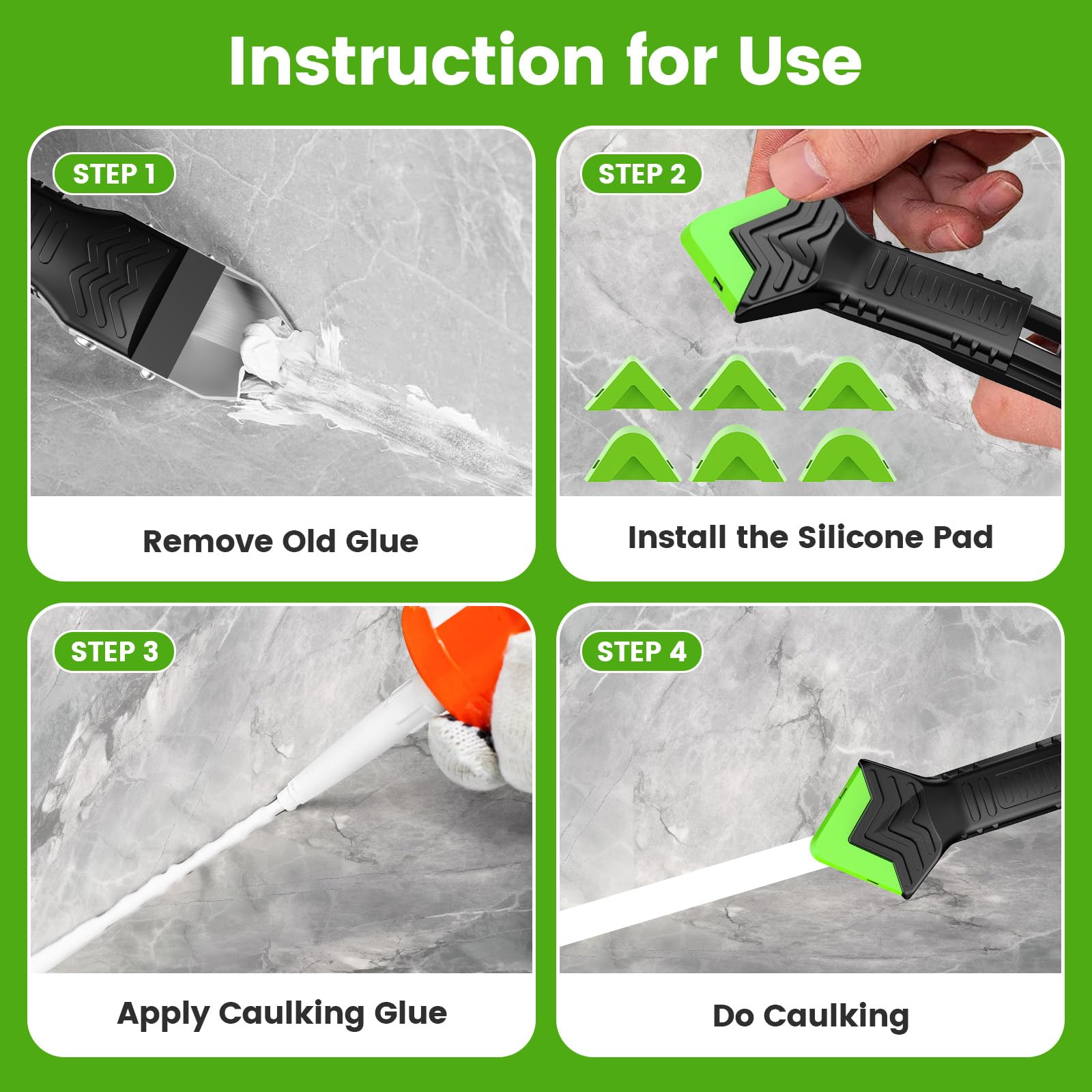
A tub doesn’t just rest against the wall; its nailing flange is sealed and often fastened into the studs behind the surround. Start with the silicone bead where the tub deck meets the tile or wall panel. Score it with a utility knife, then work a caulk-removal tool along the seam to lift the old sealant cleanly instead of shredding it in pieces.
Once the caulk is gone, open the wall 4 to 6 inches above the flange to expose the fasteners. Pull any screws or nails driven through that flange into the framing. Wirecutter’s teardown guidance flags this step as the one people skip, then wonder why the tub won’t budge. It won’t move until the flange is fully free.
Get It Out: Break Cast Iron, Slide Acrylic
Now the removal splits by material again. An acrylic or fiberglass tub lifts free once the flange is cut; two people tip it toward the room, walk it to the door, and carry it out whole. Two people, one door. No sledgehammer required.
Cast iron is a different animal. Drape a moving blanket over the tub to contain flying enamel, put on ASTM-rated safety glasses and hearing protection, and break it into pieces with an 8-pound sledge. Strike the sidewalls, not the base, and the shell cracks along predictable lines while you bag the shards so nobody steps on a razor edge of enamel. A broken cast iron tub leaves in three or four loads instead of one impossible lift.
What You’ll Need
Most of this job runs on a reciprocating saw, a drain key, and a pry bar, but the caulk seal is the step that stalls first-timers, so the picks below target that bead. Owner ratings here sit between 4.1 and 4.4, and each tool combines a scraper, a bead remover, and a smoother in one handle. Saker sells two of them: the Black Blue is bundled as a fuller kit for repeat use, while the 4.1-rated Classic Black is the pared-down single-tool version, fine for a one-off teardown rather than years of upkeep.
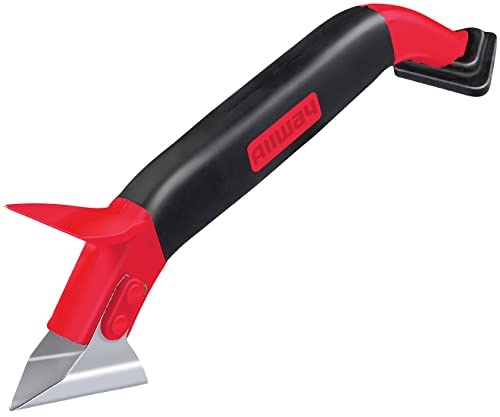
ALLWAY CT31 3-in-1 Caulk Tool - Remove Old Caulk & Smooth New Beads for Bath, Shower & Window Projects
Pros
- Three tools in one design eliminates need for separate purchases
- Stainless steel blade is durable and cuts effectively
- Soft-grip handle is comfortable during extended use
- Works with multiple caulk types for versatile home repairs
- Under $6 price makes it accessible for occasional DIYers
Cons
- No customer reviews available yet to confirm real-world performance
- Plastic construction may not hold up to heavy professional use
- Single blade may need sharpening or replacement over time
If you have ever tried to remove dried caulk with a utility knife or smooth a fresh bead with your finger, you know how frustrating those jobs can be. This little tool solves both problems without adding clutter to your toolbox.
The stainless steel blade makes quick work of old, cracked caulk around tubs and windows, and the rotatable silicone triangle gives you three different bead widths so you can match your project perfectly. The soft-grip handle is a nice touch when you are working on multiple seams.
If you want a simple way to refresh bathroom or window caulk without buying three separate tools, this one delivers.
Styles it works with: Any home style (functional tool, not decorative)
Best placed in: Tool drawer, under bathroom sink, garage workbench, or utility closet for easy access during bathroom refreshes, window sealing projects, or kitchen backsplash touch-ups
May not suit: Professional contractors who need heavy-duty tools for daily use, or homeowners who never do any DIY maintenance work
Buy it if:
- You are planning a bathroom refresh and need to remove old caulk around the tub or shower
- You want to reseal windows or baseboards and need a smooth, professional-looking finish
- You prefer one multi-function tool over buying separate removal and smoothing tools
Consider waiting if:
- You want to see verified customer reviews before purchasing
Skip it if:
- You need industrial-grade tools for heavy daily professional use
- You never do any home maintenance or DIY projects yourself
Check the latest price and availability on Amazon before it sells out.

Saker 3-in-1 Silicone Caulking Tool Kit - Grout Removal & Smoothing Set for Kitchen, Bathroom & Windows
Pros
- Multi-function design replaces several separate tools
- Durable stainless steel blade for tough grout removal
- Silicone pads prevent scratching on delicate surfaces
- No masking tape needed for clean caulk lines
- Compact and easy to store
Cons
- Screws may need adjustment out of the box for optimal feel
- No customer reviews yet to confirm long-term durability
- May require practice to master the smoothing technique
If you've ever tried to remove old caulk with a razor blade or butter knife, you know how tedious it gets. This kit solves that frustration by putting everything you need in one compact tool. The stainless steel scraper cuts through dried silicone without gouging your tile or tub, and the built-in smoother creates clean lines that look professionally done.
What makes this especially useful for home projects is the adjustable tension feature. You can loosen the screws slightly to get a smoother glide, which matters when you're working around a bathtub edge or kitchen backsplash for 20 minutes straight. The silicone pads are gentle enough for glass and porcelain, so you won't accidentally scratch what you're trying to improve.
If you want to refresh caulk lines in your bathroom or kitchen without hiring someone or buying a drawer full of separate tools, this one delivers.
Styles it works with: All styles (this is a functional tool, not decorative)
Best used in: Bathrooms around tubs and showers, kitchens along countertop edges and backsplashes, window frames and sills, laundry rooms near sinks
May not suit: Large-scale commercial projects requiring industrial-grade tools, users who prefer electric caulk removal tools, homes where all caulking is already in perfect condition
Buy it if:
- You're refreshing bathroom or kitchen caulk and want one tool that does everything
- You've struggled with razors or scrapers that scratch surfaces
- You want professional-looking caulk lines without the learning curve of masking tape
Consider waiting if:
- You're waiting for customer reviews to confirm long-term durability
Skip it if:
- You only need to remove caulk once and won't use it again
- You prefer powered tools for faster removal on large areas
Check the latest price and availability on Amazon before it sells out.

Goopreen 5-in-1 Caulking Tool Kit with Stainless Steel Head & 6 Replaceable Pads for Kitchen, Bathroom & Tile Sealing
Pros
- Five functions in one compact tool reduces clutter and simplifies caulking projects
- Six replaceable silicone pads cover most residential gap sizes without buying separate tools
- Stainless steel construction holds up to repeated use in wet environments
- Rated 4.8/5 stars showing strong early customer satisfaction
- Includes sealant cover and multiple scrapers for complete caulk refresh jobs
Cons
- New product with zero written reviews makes it hard to assess long-term durability
- Learning curve to match the right pad size to your specific gap width
- May require multiple passes for thick, aged caulk in older homes
If you have ever tried to scrape out old bathroom caulk with a butter knife or smooth a fresh bead with your finger, you know how frustrating it is to get a clean result. This kit solves that problem by giving you the right tool for every step: a sharp scraper to lift old sealant, a trowel to smooth bumps, and six different radius pads so you can match the exact curve to your gap size. The stainless steel head means it will not rust out after a few months in a damp bathroom, and the compact size fits in a drawer instead of hogging garage shelf space.
What makes this stand out is how it removes the guesswork. Instead of eyeballing whether your caulk line looks professional, you press the pad into the wet bead and get a consistent, smooth finish every time. It is especially helpful around kitchen sinks, tub edges, and tile joints where uneven lines are obvious and hard to fix once the caulk dries.
If you want clean, professional-looking seals without paying a handyman every time your bathroom caulk starts peeling, this one delivers.
Styles it works with: This is a functional tool, not decor, so it suits any home style from Modern Farmhouse to Contemporary as long as you have caulked seams that need maintenance.
Best placed in: Tool drawer in the kitchen, under bathroom sink cabinet, or garage workbench for easy access during home maintenance projects.
May not suit: Renters who are not allowed to alter caulking, or homes where all sealing work is handled by property management or contractors.
Buy it if:
- You have peeling or moldy caulk around your tub, sink, or tile that you want to replace yourself
- You are tired of uneven caulk lines that look amateur even after multiple tries
- You want one tool that handles both removal and finishing instead of buying separate scrapers and smoothers
Consider waiting if:
- You need to see more long-term reviews since this is a newer product with no written feedback yet
Skip it if:
- You only have one small caulking job and would rather hire someone than learn a new tool
- You already own dedicated caulk removal and smoothing tools that work well for you
Check the latest price and availability on Amazon before it sells out.

Pros
- Includes remover tool and finishing tools in one affordable kit
- 5 radius options cover most household caulking needs
- Silicone pads are reusable and easy to clean
- Works with multiple caulk types (latex, silicone, acrylic)
- Non-slip button makes switching pads quick
Cons
- No customer reviews yet to confirm long-term durability
- May require practice to achieve perfectly smooth lines on first use
- Instructions could be clearer for beginners
This kit takes the guesswork out of caulking by giving you the exact tools professionals use, all in one affordable package. The 4-in-1 finishing tool with swappable silicone pads means you are not stuck with one radius that never quite fits your baseboards or tub edges. Switch from a tight 3R corner to a wider 17R radius in seconds, and the non-slip button makes it feel intuitive even if you have never caulked before.
The built-in remover is a game-changer for refreshing old bathroom grout or peeling window seals. Instead of scraping with a knife and risking damage to tile or wood, this tool lifts old caulk cleanly so your new bead adheres properly. The silicone pads wipe clean with a damp cloth and hold up through multiple projects, which means this $6.95 kit can handle every caulking job in your house for years.
If you want clean, finished caulk lines in your bathroom or kitchen without paying a handyman, this kit delivers.
Styles it works with: Any style (this is a functional tool, not decor)
Best placed in: Bathroom showers and tubs, kitchen backsplash edges, window frames, baseboards, sink perimeters
May not suit: Renters who cannot make permanent repairs, homes where all caulking is already in perfect condition, users who prefer pre-mixed caulk strips over traditional tubes
Buy it if:
- You have peeling or discolored caulk around your tub, sink, or windows that needs replacing
- You want to tackle small sealing projects yourself instead of hiring someone
- You are renovating a bathroom or kitchen and need clean caulk lines on tile, counters, or fixtures
Consider waiting if:
- You need to see verified customer reviews before committing (this product has zero reviews currently)
Skip it if:
- You only need to caulk once and would rather buy a disposable applicator
- You already own a caulking toolset that works well for your needs
Check the latest price and availability on Amazon before it sells out.

Pros
- Combines scraper, trowel, and smoother in one tool to reduce clutter
- Sharp stainless steel blade handles tough old caulk removal
- No masking tape required, speeds up the sealing process
- Lightweight and easy to maneuver in bathrooms and kitchens
- Affordable price point for a multi-function caulking tool
Cons
- Plastic end may wear down on cement or very hard surfaces
- Requires manual adjustment of screws to find the right glide tension
- Limited reviews make long-term durability harder to assess
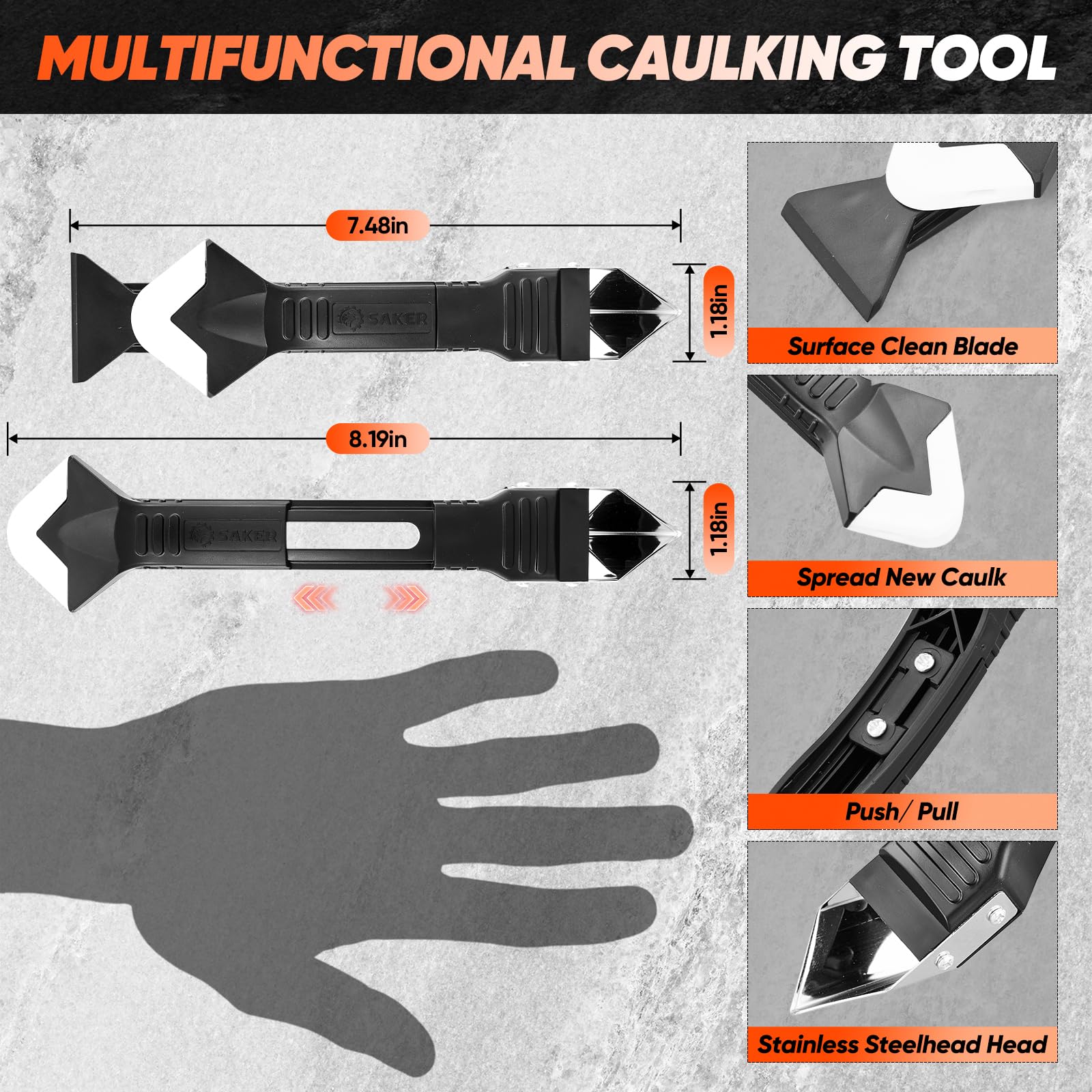
This little tool solves one of the most frustrating parts of home maintenance: getting clean, professional caulk lines without spending an hour taping off surfaces. The Saker 3-in-1 does the scraping, smoothing, and finishing in one pass, which means your bathroom or kitchen refresh takes half the time.
The stainless steel scraper is sharp enough to dig out old, dried caulk without damaging tile or grout, and the silicone pads glide smoothly to create those crisp lines you normally only get from a pro. It fits easily in one hand, so you have better control around sinks, tubs, and window frames where precision matters.
If you want clean caulk lines without the tedious prep work of masking tape, this one delivers.
Styles it works with: Modern, Farmhouse, Minimalist, Traditional (universal tool for any interior style)
Best placed in: Bathroom vanity storage, kitchen utility drawer, garage tool organizer
May not suit: Commercial contractors who need heavy-duty grout removal equipment, or homes where the plastic end would be used frequently on concrete or masonry surfaces
Buy it if:
- You are resealing a bathroom, kitchen backsplash, or window and want pro results without hiring help
- You hate the mess and time spent applying and removing masking tape
- You need a compact, easy-to-store tool that handles multiple caulking tasks
Consider waiting if:
- You need to see more long-term durability reviews before committing
Skip it if:
- You primarily work on cement, brick, or very rough surfaces where the plastic end will wear quickly
- You need a powered grout removal tool for large-scale tile projects
Check the latest price and availability on Amazon before it sells out.
Frequently Asked Questions
Can I remove a bathtub by myself?
It depends on the material. A 40 to 70 pound acrylic tub is a one-person lift once it’s unfastened, but a 250-plus pound cast iron unit needs a helper or a full break-up, so don’t attempt that solo.
Do I need to shut off water to the whole house?
No. Close the two local supply valves feeding the tub if your bathroom has them. Only shut the main when there are no dedicated stops, then open the faucet to relieve line pressure first.
How much does a cast iron bathtub weigh?
A standard cast iron alcove tub runs about 250 to 350 pounds. That weight is exactly why most cast iron removals end in demolition rather than a clean carry-out through a 30-inch door.
Can I reuse the old tub after removing it?
Yes, if it’s acrylic, fiberglass, or steel and you took it out whole. A tub broken apart for removal is scrap. Salvage only makes sense when you unfasten and slide it rather than swing a sledge.
Do I have to remove wall tile to get the tub out?
Usually. The nailing flange hides behind the surround, so you’ll open the wall 4 to 6 inches above it to reach the fasteners. Skipping this is why a “stuck” tub won’t move.
What tools break up a cast iron tub?
An 8-pound sledgehammer does the work. Add ASTM-rated eye protection, hearing protection, gloves, and a moving blanket to trap flying enamel. Strike the sidewalls, not the floor of the tub.
How do I dispose of the old bathtub?
It depends on local rules. Cast iron and steel are scrap-metal recyclable; many yards pay by weight. Acrylic and fiberglass usually go to bulk-waste pickup or a landfill transfer station.
Bottom Line
The single decision that makes a tub removal easy or miserable is whether you’re saving it or scrapping it, and material settles that for you. Slide out anything acrylic or fiberglass whole; break up cast iron in place with a sledge and safety gear. Cut the caulk and free every flange fastener before you pull, or the tub won’t move. If the drain sits inside a slab or you can’t find the supply shutoffs, stop and call a plumber before you flood the room.


Write Your Review
No reviews yet. Be the first to share your experience!