

> Editorial Note: I’m Heather Adams, and I cover sofas, tables, mattresses, and bedding. The picks here are evaluated on the materials layer — foam density, coil gauge, frame construction, and fiber content — against CertiPUR-US, OEKO-TEX, and BIFMA standards.
A hardwood-framed sofa can outlive three sets of fabric, which is exactly why reupholstering pays off on the pieces worth keeping. If the frame is solid and only the cover has failed, you’re looking at a weekend project, not a replacement. Before you start, it helps to know what you’re working with: browse a big couch teardown for full-size seating, a sofa couch primer on frame types, and a mini couch guide for apartment-scale pieces. If the goal is a color change instead, a red couch roundup and a new couch buying guide show what fresh options cost, and an mcm couch guide covers mid-century frames that reward recovering.
Is Reupholstering a Couch Worth It?
The math comes down to the frame. A kiln-dried hardwood frame with doweled or corner-blocked joints, the construction BIFMA durability standards reward, is worth recovering because it won’t wobble after the new fabric goes on. A stapled softwood or particleboard frame usually isn’t. Sagging cushions and worn fabric are fixable; a cracked frame is not.
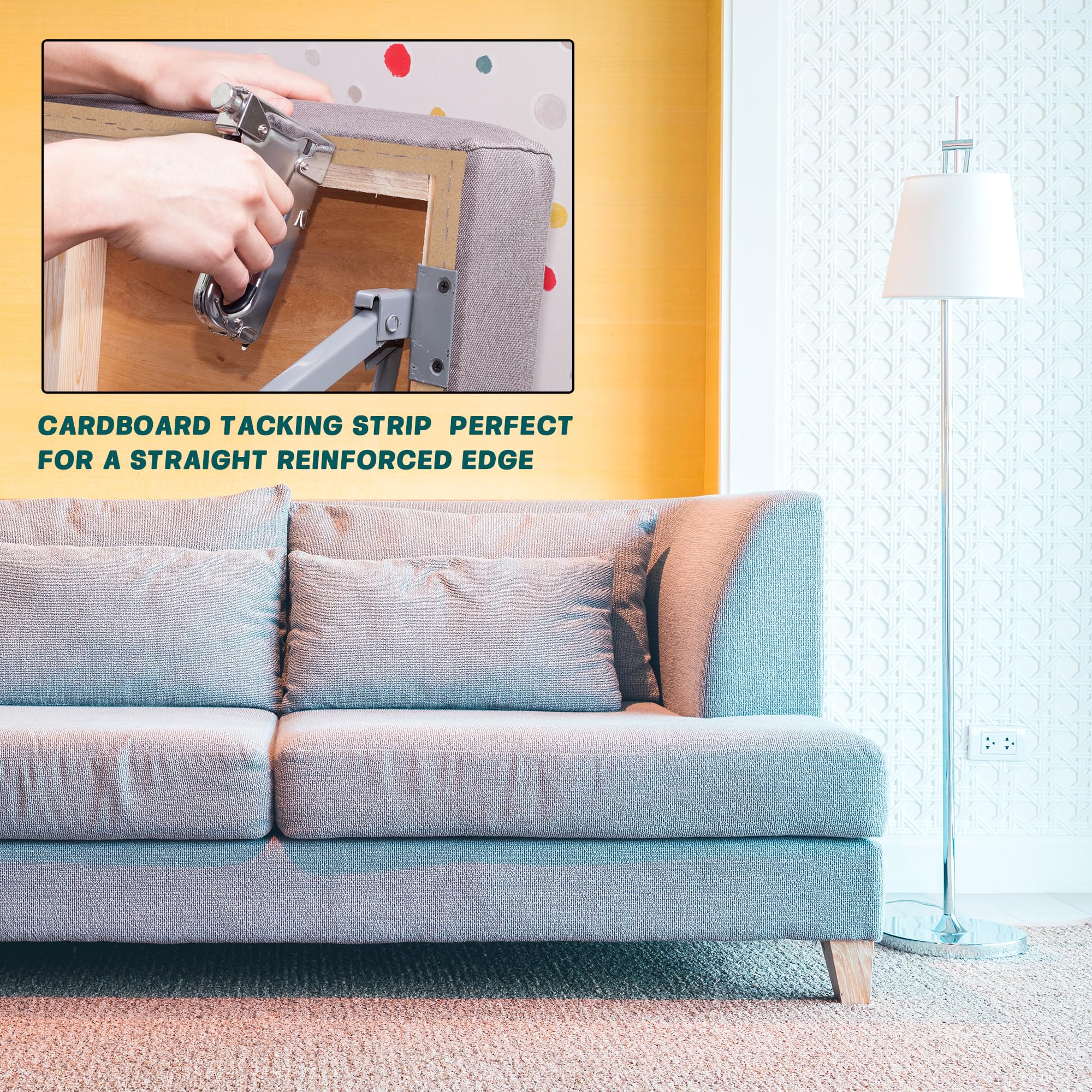
Cost is the other half. Upholstery-weight fabric runs by the yard, and a standard three-seat sofa swallows 12 to 16 yards. Add foam, batting, and hardware, and a DIY recover still lands well under a new mid-range sofa. The trade is time: expect a full weekend for your first one.
Tools and Materials You’ll Need
Gather everything before you pull a single staple. Stopping mid-project to source a tack strip is how a weekend becomes two.
Core tools: a staple gun (pneumatic or heavy-duty manual), a staple remover or flathead screwdriver, needle-nose pliers, sharp fabric shears, a rubber mallet, and a seam ripper. A curved upholstery needle and heavy thread handle the hand-sewn spots a staple can’t reach.
Materials: upholstery-weight fabric, high-density foam if the cushions have flattened, polyester batting to soften hard edges, and tacking strips for clean folded seams. For fiber content, OEKO-TEX certified fabric signals low chemical residue, which matters on a surface your skin touches daily. Keep a small patch-repair kit on hand for the inevitable nick.
Step 1: Measure and Buy Fabric
Measure every panel you plan to cover: inside back, outside back, seat deck, arms, and each cushion face. Add 3 to 4 inches of overhang on every side for pulling and stapling. Total the panels, then add 15 percent for pattern matching and mistakes.
Most three-seat sofas need 12 to 16 yards. Buy it all in one dye lot. A second order weeks later can shift a shade, and mismatched panels read as a repair job instead of a recover.
Step 2: Remove the Old Upholstery
Flip the sofa and start at the bottom with the dust cover, the thin fabric stapled across the base. Pull it off and set it aside as a pattern. Work backward from the last piece the original upholsterer attached, which is usually the outside back.
Pry each staple with the remover and pull it with pliers. Label every panel with tape as it comes off, and photograph the order. Those old pieces are your templates, so keep them flat and intact. This step is tedious, and it’s also the one that decides whether reassembly is guesswork or tracing.
Step 3: Touch Up the Frame
With the frame bare, check it. Tighten loose joints, drive screws where staples pulled free, and add a wood corner block to any joint that flexes. Replace failed webbing across the seat base, since sagging straps are the real cause behind cushions that sink.
If the foam has compressed, swap it now. High-density foam holds its shape years longer than the cheap open-cell stuff, and CertiPUR-US certification confirms the foam was made without the worst blowing agents. Wrap fresh foam in batting so the edges read soft, not blocky.
Step 4: Cut and Attach the New Fabric
Lay each old panel on the new fabric as a template, align the grain and any pattern, and cut with 3 to 4 inches of margin. Reverse the order you removed things: inside back first, then seat deck, then arms, then outside panels.
Pull each panel taut and staple it to the frame, working from the center of each edge outward to chase out wrinkles. Keep tension even. Over-pulling puckers the corners, under-pulling leaves bags that sag within a month. Fold hospital corners at the arms the way you’d fold a fitted sheet.
Step 5: Finish the Edges and Corners
Raw stapled edges look unfinished, so hide them. Tacking strips give you a crisp folded seam along the outside back and arm fronts: staple the strip, fold the fabric over it, and press the edge down for a factory line with no visible staples.
For rounded arms or a tufted back, a curved needle and a blind stitch close the gaps a staple gun can’t. Trim, welt cord, or double-fold piping covers the transition where two panels meet. Small, patient work here separates a recover that looks intentional from one that looks improvised.
Step 6: Reattach the Dust Cover and Cushions
Flip the sofa back over and staple the dust cover across the base, folding the raw edge under for a clean line. This isn’t just cosmetic. The cover blocks dust from settling into the webbing and springs.
Sew the cushion covers last. Measure each foam core, cut top, bottom, and boxing strip with a half-inch seam allowance, and add a zipper along the back edge so the covers come off for cleaning. Stuff, zip, and set them in place. That’s the whole job.
Helpful Products
These three picks handle the hardware and repair steps most first-timers underestimate: edge finishing and small fabric fixes. I’ve kept the list to items whose titles state exactly what you’re buying, sorted by owner rating so the most consistently reviewed option leads. Start with a tack strip for clean seams; keep a patch kit on hand for nicks.

Pros
- Generous 72-yard length covers multiple projects
- Good quality kraft paper with clean-cut edges
- Easy to cut and work with for beginners
- Provides strong, lasting hold for upholstery fabric
- Affordable way to get professional-looking results
Cons
- Requires a staple gun which is sold separately
- Limited to 1/2 inch width only
- No reviews yet to confirm long-term durability
If you've ever wanted to breathe new life into a worn sofa or dated chair, this tack strip is the secret tool professional upholsterers use to get those crisp, clean edges. Instead of visible staples ruining the look of your hard work, you sandwich the fabric between this sturdy cardboard strip and the furniture frame. The result looks store-bought, not homemade.
The 72-yard roll is genuinely generous. Most DIY projects need only 10-15 yards, so you'll have plenty left over for future furniture makeovers or to share with a friend tackling their own project. The kraft paper is firm enough to hold tension but cuts cleanly with household scissors, making it approachable even if this is your first upholstery project.
If you want professional-quality furniture edges without paying someone $500 to reupholster your couch, this strip delivers.
Styles it works with: Any style since it's hidden inside furniture upholstery. Works for Modern, Traditional, Farmhouse, Bohemian, and all other decor styles.
Best placed in: Living room sofas and sectionals, dining room chairs, bedroom accent chairs, home office desk chairs, entryway benches.
May not suit: Homes without basic tools like a staple gun and scissors. Not ideal if you prefer paying professionals rather than DIY projects, or if you need pre-cut lengths for very small repairs.
Buy it if:
- You're reupholstering a sofa, chair, or bench and want clean edges
- You have multiple furniture pieces to refresh and need bulk material
- You want to learn upholstery skills without investing in expensive specialty supplies
- You're tired of visible staples ruining the look of DIY furniture projects
Consider waiting if:
- You only need a few yards for a very small repair and would prefer a shorter roll
Skip it if:
- You don't own or want to buy a staple gun for installation
- You need a width other than 1/2 inch for specialized projects
Check the latest price and availability on Amazon before it sells out.

Azobur Self-Adhesive Velvet Couch Repair Patch - Brown Microfiber Fabric for Sofa & Upholstery Damage (2-Pack, 9.5x11 in)
Pros
- No-sew application works on any fabric surface without heat or tools
- High-density velvet texture matches most microfiber and velvet couches
- 20% stronger adhesive than competing fabric repair tapes
- Flexible patches bend with cushions and won't crack or peel at edges
- Two patches included for under $9 covers multiple repair spots
Cons
- Only works on brown-toned furniture, requires exact color matching
- May not adhere well to heavily textured or outdoor fabrics
- No customer reviews yet to verify long-term durability claims
This is the kind of product you keep in your home maintenance drawer and forget about until your dog decides the sofa arm is a chew toy. The self-adhesive backing means you can fix the damage in the time it takes to make coffee, no threading needles or digging out the iron. The velvet texture is soft enough to blend with most microfiber couches, and the patches are thick enough to hide the damage without feeling stiff or obvious when you sit down.
What sets these apart is the adhesive strength. Cheaper fabric patches start peeling at the corners within weeks, but Azobur claims 20% stronger hold, which matters when the repaired spot gets sat on daily. The 9.5x11 inch size is generous for the price, you can cut custom shapes for odd tears or use one patch to cover a fist-sized hole. For anyone with pets, kids, or just an aging couch, having two of these on hand beats stressing over every new scratch.
If you want to rescue a brown couch from the curb without paying for professional reupholstery, this one delivers.
Styles it works with: Transitional, Contemporary, Modern Farmhouse, any style where the sofa is brown or neutral-toned
Best placed in: Living room sofas and sectionals, family room recliners, den armchairs, bedroom reading chairs
May not suit: Outdoor furniture or patios (adhesive may fail in humidity), light-colored or patterned upholstery (brown patch will stand out), leather or faux leather surfaces (requires different repair method)
Buy it if:
- Your brown couch has pet scratches, small tears, or worn spots you want to hide fast
- You need a no-sew solution that works without calling an upholsterer
- You want backup patches on hand for future furniture emergencies
Consider waiting if:
- You need a different color and can wait for a restock or alternate shade
Skip it if:
- Your furniture is light gray, beige, black, or any color other than medium to dark brown
- The damage is on leather, outdoor fabric, or a highly textured weave
Check the latest price and availability on Amazon before it sells out.
Pros
- Long 70-yard roll provides excellent value for multiple furniture projects
- Creates clean, hidden edges that look professionally done
- Easy to cut and work with using standard scissors
- Durable kraft paper construction holds fabric securely over time
- Affordable way to refresh old furniture instead of replacing it
Cons
- No customer reviews yet to confirm long-term performance
- Kraft paper material may not work well in high-moisture environments
- Requires some upholstery skill to achieve truly invisible edges
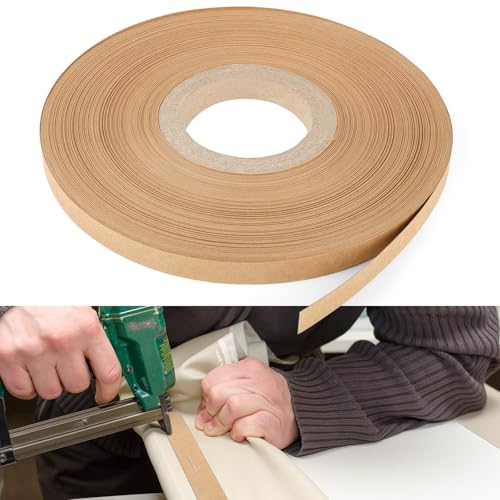
If you've ever pulled back the fabric on a professionally reupholstered chair, you've seen tack strip at work. It's that hidden cardboard strip that creates those crisp, clean edges where fabric wraps around furniture arms and backs. This HolyMaji roll gives you 70 yards of the same material pros use, at a fraction of what you'd pay for custom upholstery work.
The kraft paper strikes a nice balance - firm enough to create straight lines and hide staples, but easy enough to cut with regular scissors when you need a specific length. At half an inch wide, it tucks neatly under fabric edges on most furniture styles. One roll will typically handle a full sofa or several dining chairs, making it genuinely economical for anyone tackling a room refresh.
If you want furniture that looks professionally reupholstered without paying $800 per piece, this delivers the clean finish that separates DIY from done-right.
Styles it works with: Traditional, Modern Farmhouse, Mid-Century Modern, Transitional - any style where you're refreshing upholstered furniture
Best placed in: Hidden under fabric edges on dining chair seats, sofa arms and backs, headboard panels, ottoman tops
May not suit: Outdoor furniture exposed to moisture, ultra-modern pieces with exposed metal edges instead of fabric wrapping, households without basic upholstery tools like a staple gun
Buy it if:
- You're reupholstering chairs, sofas, or ottomans and want edges that look professionally finished
- You have multiple furniture pieces to refresh and want economical bulk material
- You're tired of sagging fabric edges on existing furniture and want a permanent fix
Consider waiting if:
- You need customer reviews to confirm durability before committing to a larger project
Skip it if:
- You're working on outdoor furniture or pieces in humid environments where kraft paper won't hold up
- You need pre-tacked strips - this requires a staple gun and basic upholstery knowledge
Check the latest price and availability on Amazon before it sells out.
The UCandy tack strip carries a 4.5 rating across owners and runs 72 yards, the longest of the three, so one roll covers a full sofa’s edges. The HolyMaji strip is a close alternative at a 4.3 rating and a 70-yard roll. For repairs rather than edging, the Azobur self-adhesive microfiber patch holds a 4.4 rating and ships as two 9.5 by 11 inch pieces in brown, which is a color-match gamble on anything but a brown couch.
Frequently Asked Questions
How long does it take to reupholster a couch?
Plan on a full weekend for your first sofa. Removing the old fabric alone eats several hours because every staple comes out by hand. Experienced upholsterers move faster, but rushing the tension step is what causes sagging later.
Is it cheaper to reupholster or buy new?
It depends on the frame. Recovering a solid hardwood frame usually costs less than a comparable new sofa, since fabric and foam run well under a mid-range replacement. Recovering a cheap softwood frame rarely pays off. You’d spend real money dressing up a piece that will loosen anyway.
How much fabric do I need for a 3-seat sofa?
Most three-seat sofas take 12 to 16 yards of upholstery-weight fabric. Buy it in a single dye lot, and add 15 percent for pattern matching and cutting errors.
Can a beginner reupholster a couch?
Yes, on a simple squared-arm sofa. Save curved arms, tufting, and channel backs for your second project. Label every panel as you remove it and use the old pieces as templates, and the reassembly becomes tracing rather than guessing.
What fabric is best for a couch?
Look for upholstery-weight fabric rated for heavy-duty use, ideally OEKO-TEX certified for low chemical residue. Tight weaves in performance blends resist abrasion and clean up easier than loose or delicate wovens.
Bottom Line
Reupholstering earns its keep on a solid hardwood frame and rarely on anything less, so check the joints before you buy a yard of fabric. Measure twice, keep the old panels as templates, and staple from the center of each edge outward for even tension. If the frame flexes or the arms are heavily curved, hand the job to a pro. That’s where a DIY recover stops saving money.
Write Your Review
No reviews yet. Be the first to share your experience!