

> Editorial Note: I’m Erin Schwartz, and I cover home decor with a bias toward what actually works in a real room. The guidance here weighs scale, layout, and materials against Apartment Therapy and Wirecutter coverage rather than styling a space that nobody lives in.
The full glass sunroom had a good run. What’s replacing it is lighter, reversible, and far cheaper: freestanding screens, louvered cedar, and retractable canopies that define a patio without turning it into construction. The goal isn’t four walls. It’s control over sightlines, sun, and wind. Pair the enclosure with outdoor patio rugs, patio storage box, solar lanterns for a patio, outdoor cushions for patio furniture, and patio conversation sets for small decks.
The 2026 Patio Enclosure Trends Worth Following
Three shifts matter. Freestanding panels are replacing permanent fence extensions because renters and homeowners can move them. Slatted wood is replacing solid vinyl because filtered light feels less boxed in. Retractable overhead canopies are replacing fixed fabric roofs because they open after rain and close at noon.
ASTM weatherability guidance favors UV-stable resin and powder-coated aluminum for exposed use. Apartment Therapy’s outdoor coverage points to the same visual rule: enclose the view you don’t want, not the entire patio. One screened corner often works better than a perimeter wall.


1. Suncast 4-Panel Wicker Resin Screen — The Reversible Wall You Can Move
At $108.99, this four-panel Suncast is the easiest enclosure idea to execute. Hinged panels stand without posts, and the reversible wicker pattern looks finished from both sides, which matters when a screen divides a patio rather than backing a fence.
Each panel is 23 inches wide, so four panels span roughly 7.5 feet when opened with shallow angles. Resin won’t absorb water or split under freeze-thaw the way natural wicker does. Weight the feet in an exposed location, because a broad panel is still a sail.
2. Enclo Louvered Cedar Privacy Screen — Filter the View, Keep the Air
Enclo runs $129.78 and uses real cedar louvers rather than solid panels. Louvers block a seated sightline while letting wind pass, which reduces tipping and keeps the enclosed area from feeling like a box.
Cedar silvers outdoors unless oiled annually, and that weathered gray can be the desired finish. Surface-mounting is more permanent than the Suncast but still lighter than a fence. Use it beside a dining table or to hide an AC unit.

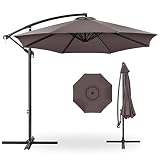
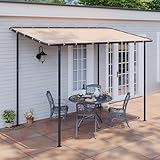
3. Outsunny 10′ x 13′ Retractable Pergola Canopy — An Adjustable Ceiling
At $209.99, Outsunny changes the enclosure vertically. A retractable canopy creates shade when you need it and opens after rain so fabric dries instead of holding water. The 10-by-13-foot frame covers a six-seat dining zone.
A fabric canopy isn’t a roof. Retract it before wind or snow, and don’t expect it to stop driven rain. The metal frame gives the patio a room-like outline without walls, which is why pergolas make large slabs feel intentional.
4. Suncast 4-Panel Outdoor Screen — The Utility Version
This Suncast at $119 is the same core idea as the top pick, with a freestanding reversible resin build and a slightly different finish. Use it where appearance from both sides matters: between two seating zones, beside a hot tub, or around bins.
At $10 more than the first Suncast, choose by color rather than specs. Resin needs almost no maintenance beyond a hose-down, and ASTM weatherability guidance supports it for repeated wet-dry cycles.
5. Kozyard 50″ x 48″ Aluminum Privacy Screen — The One That Stays Put
Kozyard at $249.99 is the structural option. Aluminum posts and a 50-by-48-inch panel create a compact permanent screen without the rust risk of steel or the upkeep of cedar.
Four feet is seated privacy, not standing privacy. That’s right beside a lounge chair or table and too short for screening an elevated neighbor. Use two panels in an L to define a corner rather than lining a full boundary.
How to Style an Enclosed Patio
Enclose one or two sides, then leave the strongest view open. A screen behind seating creates a sense of shelter; screens on all four sides create a pen. Keep 36 inches of clear circulation between panels and furniture.
Repeat one material. Resin wicker screens pair with wicker seating, cedar louvers with wood planters, and aluminum panels with black light fixtures. Repetition makes a removable enclosure read as architecture rather than an accessory.
Comparison Table
| Pick | Type | Coverage | Price | Best For |
|---|---|---|---|---|
| Suncast Wicker | Freestanding 4-panel | ~7.5 ft | $108.99 | Fast movable privacy |
| Enclo Cedar | Louvered wood | Single panel | $129.78 | Airflow and warmth |
| Outsunny | Retractable pergola | 10′ x 13′ | $209.99 | Adjustable shade |
| Suncast Outdoor | Freestanding 4-panel | ~7.5 ft | $119 | Utility screening |
| Kozyard | Aluminum panel | 50″ x 48″ | $249.99 | Permanent seated privacy |
Frequently Asked Questions
Do freestanding screens survive wind?
In sheltered corners, yes. On an exposed patio, weight or anchor the feet. Any solid 4-foot panel catches significant wind.
Is a pergola canopy waterproof?
Water-resistant, not a permanent roof. Retract it before storms and snow so water doesn’t pool and stretch the fabric.
How tall should a privacy screen be?
Four feet blocks seated sightlines; six feet blocks standing ones. Measure from the neighboring viewpoint if their deck sits higher.
Does cedar need sealing?
Only if you want to preserve its warm color. Unsealed cedar turns silver-gray but remains naturally rot-resistant.
Can renters use these ideas?
The freestanding Suncast panels are the safest choice because they need no posts or wall penetrations. Check lease rules before adding a pergola.
Bottom Line
The Suncast four-panel wicker screen at $108.99 is the best starting point, since it creates about 7.5 feet of reversible privacy without posts, permits, or permanent work. If sun control matters more than sightlines, the Outsunny 10-by-13-foot retractable pergola at $209.99 changes the whole patio for less than a built roof. Enclose the bad view and leave the good one open, because a patio still needs to feel outdoors.



Write Your Review
No reviews yet. Be the first to share your experience!