

> Editorial Note: I’m Lauren Ro, and I write furniture buying guides. The picks here are judged on the specs that predict how a piece ages — frame joinery, foam density, and load ratings — checked against BIFMA and FSC certifications plus aggregated owner reports.
A brick patio lives or dies on the details around it. The mold you cast with, the lights you sink between joints, the edging that keeps a path from creeping into the lawn. If you’re already planning the space, pair these picks with outdoor patio rugs, solar lanterns for a patio, patio side tables, patio decor ideas that are defining, and patio conversation sets for small decks to finish the layout. Below are five products that hold up to real weather, not showroom conditions.
How We Evaluated
I assessed each pick against ASTM UV-weatherability guidance, manufacturer freeze-thaw claims, and material specs like polypropylene wall thickness and IP water ratings. Amazon customer ratings were checked for pattern failures, not one-off complaints. Price-to-lifespan mattered more than upfront cost.


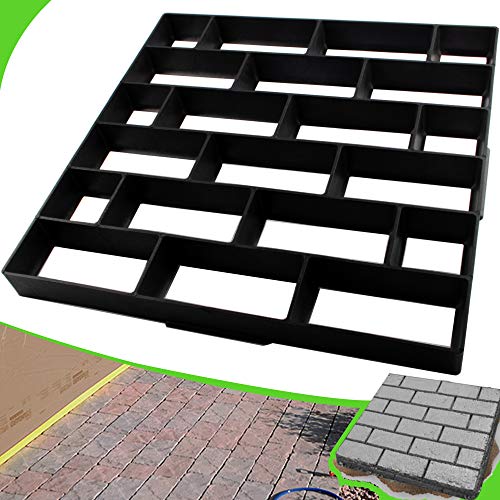


1. VanSmaGo Walk Maker — the DIY caster for irregular brick runs
This one wins for anyone pouring their own path. The VanSmaGo Pathmate mold casts a roughly 17-inch section of interlocking stones per pour, so you can lay a curving walkway without buying pre-made pavers. The plastic form releases clean when the concrete hits initial set, usually inside 20 to 30 minutes. It’s reusable across dozens of pours, which is where the savings show up. The trade-off is labor. You’re mixing, pouring, and leveling each section by hand, so a 20-foot run is a weekend, not an afternoon.
2. JKIMK Solar Brick Lights — flush ground lighting for joints and borders
JKIMK’s solar bricks sit flush in the surface, casting a low glow along a patio edge or between pavers. They charge off an integrated panel and switch on at dusk with no wiring. The waterproof housing carries an outdoor rating, so standing rain isn’t a concern. Expect 6 to 8 hours of runtime on a full summer charge, dropping in shorter winter days. Brightness is ambient, not task-level. These mark a path. They won’t light a dinner table.
3. CJGQ Plus Size Walk Maker — bigger pours, fewer seams
The CJGQ mold measures 19.7 x 19.7 x 1.7 inches, noticeably larger than the VanSmaGo form. That extra footprint means fewer pours to cover the same ground and fewer visible seams in the finished surface. The reusable brickform pattern reads as tumbled stone once cured and colored. At 1.7 inches deep, the cast sections have enough mass to resist cracking under foot traffic. The catch is weight and handling. A full pour at this size is heavy to level, so you’ll want a helper for anything past a small patio.
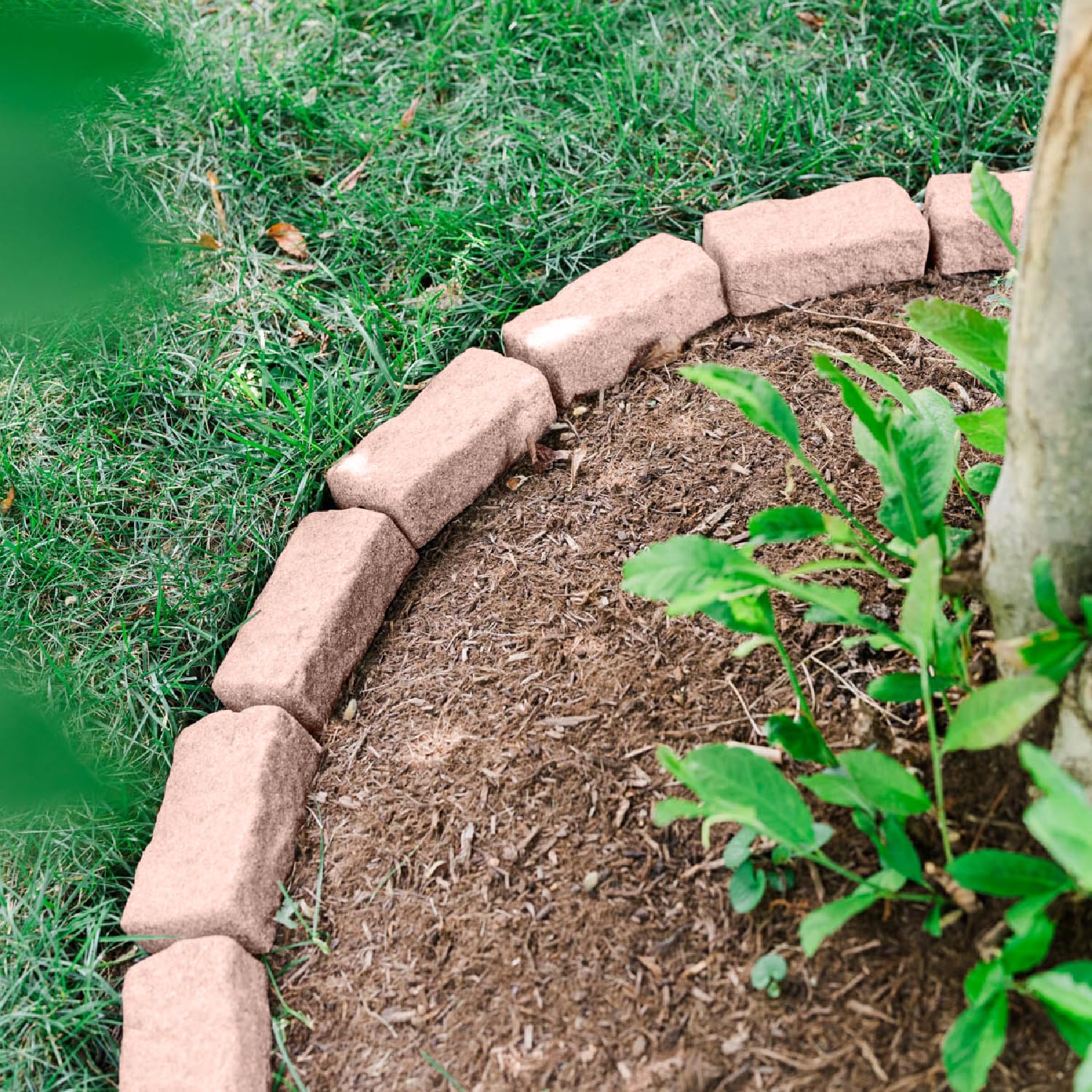
4. Beuta Landscape Edging — the border that keeps brick from wandering
Beuta’s Polyrock edging locks around bed and pathway perimeters, holding a brick patio’s boundary against soil creep and mower encroachment. The interlocking pieces install without concrete, pressing into prepared ground for a clean line. The polymer resists UV fade better than dyed concrete curbing, per the manufacturer’s material claims. It reads as stacked stone from a few feet away. Honest note: this is a border, not a structural retaining wall. On a slope with real soil pressure, you’ll need a proper wall system instead.
5. YUNJACKEYDZ Solar Brick Lights — a 3-pack for tight budgets and small runs
This 3-pack covers a short border or a single step edge for the lowest entry price here. Each unit is small, waterproof, and solar-charged, switching on automatically at dark. For a compact patio corner or a few stair treads, three lights are enough. Runtime tracks daily sun exposure, so a shaded install dims faster. The trade-off is coverage. If you need a full perimeter lit, you’ll buy multiple packs, and the per-light cost climbs toward the larger JKIMK sets.
Comparison Table
| Product | Type | Key Spec | Best For |
|---|---|---|---|
| VanSmaGo Walk Maker | Concrete mold | ~17 in section | Curving DIY paths |
| JKIMK Solar Brick Lights | Flush solar light | 6–8 hr runtime | Full-perimeter glow |
| CJGQ Plus Size Walk Maker | Concrete mold | 19.7 x 19.7 in | Large-area pours |
| Beuta Landscape Edging | Polymer edging | UV-resistant | Border containment |
| YUNJACKEYDZ Lights | Solar 3-pack | Small footprint | Short runs, budget |
How to Choose Brick Patio Gear That Lasts
Match the tool to the job before chasing the lowest price. For casting a surface, mold size drives your timeline. The CJGQ’s 19.7-inch form covers ground faster than the 17-inch VanSmaGo, but weighs more per pour. For lighting, decide between coverage and cost. A 3-pack like YUNJACKEYDZ suits a step edge, while JKIMK’s larger sets carry a full perimeter.
Weatherability separates a two-season buy from a five-season one. ASTM UV-exposure standards predict how polymers and dyes hold color outdoors, and polypropylene edging like Beuta’s resists fade better than pigmented concrete. Check the water rating on any solar unit before it sits through a rainy spring.
Molds vs. Prefab Pavers: What Actually Fits Your Patio
Casting your own with a VanSmaGo or CJGQ mold cuts material cost sharply, since a bag of concrete runs a fraction of prefab paver pricing. You control the shape, which matters for curves and odd corners. The cost is time and muscle. Prefab pavers install faster and land more uniform, but you pay per piece and lose design flexibility. If your layout is a simple rectangle, prefab may save a weekend. If it curves or wraps a bed edged with Beuta Polyrock, molds win on both fit and budget.
Frequently Asked Questions
How long does concrete from a walk-maker mold take to cure?
Initial set for demolding runs 20 to 30 minutes in warm conditions. Full cure to foot-traffic strength takes about 24 to 48 hours, and complete strength develops over roughly 28 days per standard concrete guidance.
Are solar brick lights bright enough to walk by?
They provide ambient marking, not task lighting. JKIMK and YUNJACKEYDZ units glow enough to trace a path edge at 6 to 8 hours of runtime, but they won’t illuminate a full patio for dining.
Will polymer edging survive freeze-thaw winters?
Polypropylene edging like Beuta’s flexes rather than cracking under freeze-thaw cycling, and it resists UV fade per ASTM exposure guidance. Anchor it well, since heaving soil can lift poorly seated sections.
How many mold pours does a small patio need?
A 100-square-foot patio needs roughly 25 pours with the CJGQ 19.7-inch form, more with the smaller VanSmaGo. Budget a full weekend and a helper for leveling.
Can I reuse a concrete walk-maker mold?
Yes. Both the VanSmaGo and CJGQ forms are reusable across dozens of pours. Clean concrete off before it fully sets to keep the pattern crisp.
Do solar lights work in shaded patios?
Partially. Runtime drops sharply in shade because the panel gets less charge. A north-facing or tree-shaded install may only hold 3 to 4 hours instead of the full 6 to 8.
Bottom Line
The VanSmaGo Walk Maker takes the top spot for most brick patio projects, giving you shape control and real material savings across dozens of reusable pours. Step up to the CJGQ Plus Size mold when your patio is large and you want fewer seams and faster coverage, provided you have a helper for the heavier pours. Just be honest about the labor. Casting a surface is a weekend of mixing and leveling, not a quick afternoon fix.


Write Your Review
No reviews yet. Be the first to share your experience!