

> Editorial Note: I’m Lauren Ro, and I write furniture buying guides. The picks here are judged on the specs that predict how a piece ages — frame joinery, foam density, and load ratings — checked against BIFMA and FSC certifications plus aggregated owner reports.
A paver patio fails from the bottom up. Get the base wrong and no amount of styling with paver patio ideas that are defining or outdoor patio rugs will save it. Whether you’re planning a spot for patio side tables, anchoring a patio umbrella with base, or just protecting the setup you cover with patio furniture covers, the substrate under your stones decides everything. This roundup ranks five base and joint products by load rating, permeability, and freeze-thaw performance.
How We Evaluated
I assessed each product against ASTM C144 gradation guidance, manufacturer load ratings (in lbs per unit area), and joint-stabilization claims. Permeable grid systems were checked for recycled content and drainage. Polymeric sands were vetted for haze resistance and cure behavior. Price-per-coverage matters too.



1. DOMINATOR Titanium Gray Polymeric Sand — the joint locker that resists haze
This one wins for joint stabilization. DOMINATOR’s Ceramic Flex Technology fills paver gaps and cures into a flexible bond that moves with freeze-thaw cycles instead of cracking. The 10-pound bag in Titanium Gray covers a modest patio’s joints, and the gray tone hides dirt better than lighter blends. It hardens without the white haze that plagues cheaper polymeric sands. Use it over a compacted base, not as the base itself. That distinction trips up first-timers. For locking pavers against ant intrusion and weed growth, it’s the reliable pick.
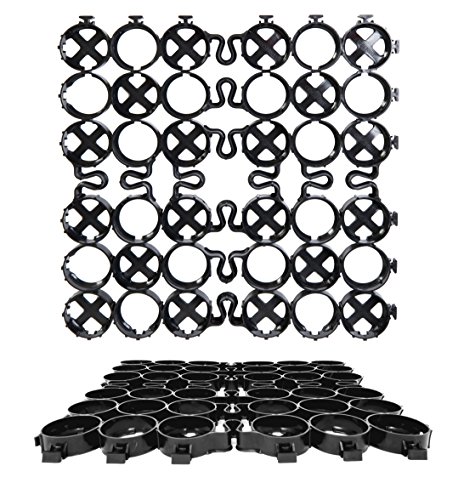
2. TRUEGRID PRO LITE Permeable Paver — the load monster for driveways and RV pads
TRUEGRID PRO LITE handles a stated 120,000 lb load capacity, which is why it shows up under RV pads and driveways, not just patios. It’s a snap-together grid you fill with gravel, and it drains fully, so standing water and runoff aren’t a concern. Recycled plastic construction means it won’t rot. This isn’t a decorative surface. It’s structure. If you’re building a base that carries real weight or needs to meet permeable-surface requirements, this grid outperforms loose aggregate on stability. The trade-off is a gravel-fill look rather than finished pavers.

3. Oldcastle Yard Right Step Two Patio Base — the bagged base for small projects
Oldcastle’s Yard Right is the actual base layer, sold in 50 lb bags. It’s a pre-blended aggregate meant to be spread, leveled, and compacted before you set pavers. For small patios, walkways, and repair patches, bagged base beats hauling bulk gravel. You control exactly how much you buy. Coverage per bag is limited, so it gets pricey on large jobs. But for a shed pad or a compact seating area, this Step Two product removes the guesswork of sourcing and screening your own base material.
4. Standartpark Vodaland HexPave System — the recycled grid for grass and gravel
Standartpark’s Vodaland HexPave is a permeable paver system made from 100% recycled PPE plastic, rated to handle 27,000 lbs at a 1-inch depth. The hexagonal cells stabilize grass or gravel while letting water pass through, which suits eco-conscious builds and drainage-sensitive yards. At 1 inch deep, it’s shallower and lighter than TRUEGRID’s PRO LITE. That makes it easier to install for patios and garden paths, though the lower load ceiling means it’s not a driveway product. Recycled content is a genuine plus here.
5. DOMINATOR Natural Ivory Polymeric Sand — the light-tone joint fill for lighter pavers
Same Ceramic Flex Technology as the Titanium Gray, in a Natural Ivory tone for lighter or sand-colored pavers. The 10-pound bag cures flexible and resists cracking through seasonal movement. Ivory shows dirt sooner than gray, so it’s a styling choice tied to your paver color. Performance-wise, it matches its gray sibling on haze resistance and joint locking. Pick this when a dark joint would clash with travertine, buff, or beige stone. It’s a color match, not a downgrade.
Comparison Table
| Product | Type | Load / Depth | Material |
|---|---|---|---|
| DOMINATOR Titanium Gray | Polymeric joint sand | Joint fill, 10 lb | Ceramic Flex |
| TRUEGRID PRO LITE | Permeable grid | 120,000 lbs | Recycled plastic |
| Oldcastle Yard Right | Bagged base aggregate | 50 lb bags | Blended aggregate |
| Standartpark Vodaland HexPave | Permeable grid | 27,000 lbs / 1″ | 100% recycled PPE |
| DOMINATOR Natural Ivory | Polymeric joint sand | Joint fill, 10 lb | Ceramic Flex |
How to Build a Base That Lasts
A proper paver base has layers. Excavate 6 to 8 inches, add a compacted aggregate sub-base like Oldcastle’s Yard Right, then a leveling layer, then pavers, then polymeric sand in the joints. Skipping compaction is the top failure cause. ASTM C144 covers acceptable sand gradation for the setting layer, and following it prevents uneven settling.
Permeable grids like TRUEGRID or Vodaland replace the traditional aggregate-and-sand stack in drainage-critical zones. They handle water differently. For freeze-thaw climates, flexibility beats rigidity, which is why Ceramic Flex sands outlast brittle competitors. Match the product to the load and the water conditions of your site.
Grid Systems vs. Traditional Base
Traditional base plus polymeric sand gives you a finished, solid paver surface. It’s the classic patio look and it’s forgiving for DIY once you nail the compaction. Grids give you permeability and huge load ratings, but the finished surface reads as gravel or grass unless you top with pavers.
Choose TRUEGRID’s 120,000 lb rating for driveways and RV pads. Choose Vodaland’s 27,000 lb, 1-inch profile for garden paths and lighter patios where recycled content matters. Choose bagged base plus DOMINATOR sand for a conventional finished patio. Your load requirement usually makes the call.
Frequently Asked Questions
Is polymeric sand the same as paver base?
No. Base is the compacted aggregate layer under your pavers. Polymeric sand like DOMINATOR fills the joints between pavers after they’re set. You need both. The base carries load; the sand locks joints and blocks weeds.
How thick should a patio paver base be?
For a standard patio, excavate 6 to 8 inches and compact 4 to 6 inches of aggregate base, then add a 1-inch setting layer. Heavier loads like driveways need more. Compaction in lifts matters as much as total depth.
Are permeable pavers worth it?
Yes, where drainage or stormwater rules apply. TRUEGRID handles 120,000 lbs and drains fully. Standartpark’s Vodaland uses 100% recycled PPE at 27,000 lbs. Both prevent standing water, though they cost more upfront than loose gravel.
Will polymeric sand stop weeds permanently?
It significantly reduces weed growth by sealing joints, and DOMINATOR’s flexible cure resists the cracking that lets seeds in. Nothing’s fully permanent outdoors. Reapplication every few years may help maintain the seal in high-traffic areas.
Can I install a paver base myself?
Yes. Bagged products like Oldcastle Yard Right and snap-together grids like TRUEGRID are DIY-friendly. Rent a plate compactor for aggregate base. The grids install faster since there’s less screening and leveling involved.
What color polymeric sand should I choose?
Match the sand to your pavers. DOMINATOR Titanium Gray suits gray and charcoal stone and hides dirt well. Natural Ivory suits travertine, buff, and beige. Both share identical Ceramic Flex performance.
Bottom Line
DOMINATOR Titanium Gray Polymeric Sand is the pick for locking joints on a finished patio, with Ceramic Flex resisting the cracking and haze that ruin cheaper sands. Go with TRUEGRID PRO LITE instead when your project carries real weight, since its 120,000 lb rating and full drainage suit driveways and RV pads. Remember that sand fills joints and base carries load. You’ll likely need both. Buy the base that matches your site’s water and weight demands.
Write Your Review
No reviews yet. Be the first to share your experience!